
What is Mediterranean Diet for Weight Loss: A Simple Guide
Learn how the Mediterranean Diet can help you achieve sustainable weight loss through balanced, plant-based eating and healthy habits

The Mediterranean Diet for weight loss isn’t just a way to eat—it’s a lifestyle based on the traditions of countries near the Mediterranean Sea, like Greece, Italy, and Spain. This diet focuses on whole foods, fresh produce, and healthy fats. It’s all about balance instead of strict rules, making it a great choice for anyone wanting to eat healthier and feel better. The Mediterranean lifestyle also encourages cooking at home, eating with friends and family, and enjoying every meal, which makes it a complete approach to good health.
How the Mediterranean Diet Helps with Weight Loss
The Mediterranean Diet is great for weight loss because it emphasizes filling, nutrient-rich foods that help you eat fewer calories without feeling hungry. The diet includes lots of whole grains, fruits, vegetables, legumes (like beans), lean proteins, and healthy fats, like olive oil. You can also eat some fish and dairy, but try to limit red meat and sweets. Because this diet is high in fiber and healthy fats, it keeps you full longer and helps stop cravings.
The Mediterranean Diet doesn’t just help you lose weight—it also boosts your overall health. It can lower your risk of diseases like heart disease, diabetes, and some cancers. It helps both your body and mind, making it easier to keep the weight off for good. Plus, the Mediterranean lifestyle encourages social connections, managing stress, and staying active, all of which help you stay healthy.
This diet also focuses on fresh, seasonal foods, which makes meals taste great and gives you the most nutrition. By choosing fresh and local ingredients, you also support the environment. This isn’t a quick-fix diet—it’s a long-term lifestyle change that helps you eat better and feel better. The focus on whole, unprocessed foods means you avoid a lot of the harmful additives in typical Western diets, which is good for your health.
Key Foods to Eat
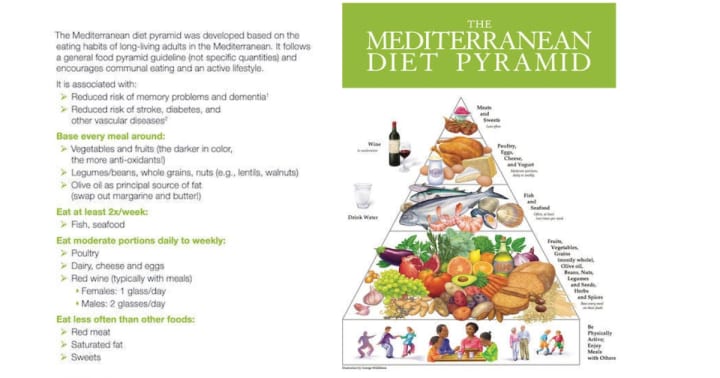
Fruits and Vegetables: Fresh fruits and veggies should make up a big part of your diet. Try to eat lots of different colors and types at each meal. Vegetables like tomatoes, bell peppers, spinach, and zucchini are packed with nutrients. Fruits like berries, apples, and citrus add natural sweetness and important vitamins.
Whole Grains: Choose oats, quinoa, brown rice, barley, and whole wheat bread. These are high in fiber, help keep your energy up, and are good for your heart. Whole grains also help you stay full longer and keep your blood sugar steady.
Healthy Fats: Olive oil is a key part of the Mediterranean Diet. You should also include nuts, seeds, and avocados. These fats help your body absorb important vitamins and keep you feeling satisfied. Healthy fats are also good for your brain and help balance your hormones.
Legumes: Beans, lentils, and chickpeas are great sources of plant-based protein and fiber. You can add them to soups, salads, or stews. They give you long-lasting energy and help you feel full without adding too many calories.
Lean Proteins: Eat fish like salmon, sardines, or mackerel at least twice a week. Chicken and eggs are also good options. Fish is rich in omega-3 fatty acids, which are good for your heart and brain. Lean proteins help you maintain muscle while losing fat.
Dairy: Enjoy small amounts of yogurt and cheese, preferably low-fat and without added sugar. Greek yogurt is especially good because it has probiotics, which are healthy bacteria that help your gut. Cheese can add flavor, but eat it in moderation.
Herbs and Spices: Use fresh herbs and spices instead of salt to add flavor to your meals. Basil, oregano, thyme, rosemary, and garlic are popular in Mediterranean cooking. Spices like turmeric, cumin, and cinnamon also have health benefits and make food taste great.
Foods to Limit
Red Meat: Try to eat red meat only a few times a month. Instead, focus on fish or chicken. When you do eat red meat, choose lean cuts and eat it with lots of vegetables. Cutting back on red meat can help reduce your risk of heart disease.
Processed Foods: Avoid processed snacks, fast food, and sugary drinks. These are often high in unhealthy fats, sugar, and chemicals that can make weight loss harder. Instead, choose whole foods that provide nutrients without added junk.
Sweets: Keep desserts and sugary treats for special occasions. If you want something sweet, try fresh fruit or a small piece of dark chocolate. Dark chocolate with at least 70% cocoa has less sugar and more healthy compounds than milk chocolate.
Refined Grains: Cut back on white bread, pastries, and other refined grains. These foods don’t have the fiber and nutrients found in whole grains, which means they won’t keep you full for long. Whole grains are a better choice for energy and weight management.
Tips for Losing Weight Effectively
Portion Control: Even healthy foods can cause weight gain if you eat too much. Pay attention to portion sizes, especially for calorie-dense foods like nuts, cheese, and oils. Using smaller plates can help. Listen to your body and stop eating when you’re full.
Stay Hydrated: Drink lots of water throughout the day. Staying hydrated helps your metabolism and can stop you from eating when you’re actually thirsty. Herbal teas are also a great option. Drinking water before meals can help you eat less too.
Mindful Eating: Take your time when you eat. Enjoy each bite, and avoid distractions like watching TV. Eating slowly helps you feel satisfied with less food and makes eating more enjoyable. Focus on how the food tastes, smells, and feels.
Stay Active: Try to be active every day. Activities like walking, swimming, biking, or yoga are great choices. Aim for at least 30 minutes of exercise most days. Exercise not only burns calories but also improves your mood and energy. Strength training can help build muscle, which makes it easier to lose weight.
Plan Your Meals: Planning your meals in advance can help you make healthier choices. Keep your kitchen stocked with Mediterranean staples so you’re not tempted by processed foods. Meal prep can save you time during the week and keep you on track with your goals.
Enjoy Social Meals: In Mediterranean culture, meals are often eaten with family or friends. Eating together helps you slow down and enjoy your food more. It’s also great for your mental health and makes healthy eating more fun. Support from others can keep you motivated.
Track Your Progress: Keeping track of what you eat, how much you exercise, and your feelings about food can help you stay on track. A journal or food diary can help you spot patterns and celebrate small wins. Tracking your progress helps you stay focused and motivated.
Get Enough Sleep: Good sleep is really important for weight loss. Not getting enough sleep can make you hungrier and lead to overeating. Try to get 7-8 hours of sleep each night. A calming bedtime routine can help you sleep better and support your weight loss journey.
3-Day Mediterranean Meal Plan for Weight Loss
Day 1
Breakfast: Greek yogurt with fresh berries, a drizzle of honey, and a handful of walnuts. The berries add vitamins, and the yogurt provides protein and Probiotics for gut health. Walnuts have healthy fats that keep you full until lunch.
Lunch: Quinoa salad with chickpeas, cucumber, tomatoes, feta cheese, and a lemon-olive oil dressing. Quinoa and chickpeas are full of protein and fiber, while the veggies and feta add flavor and nutrients.
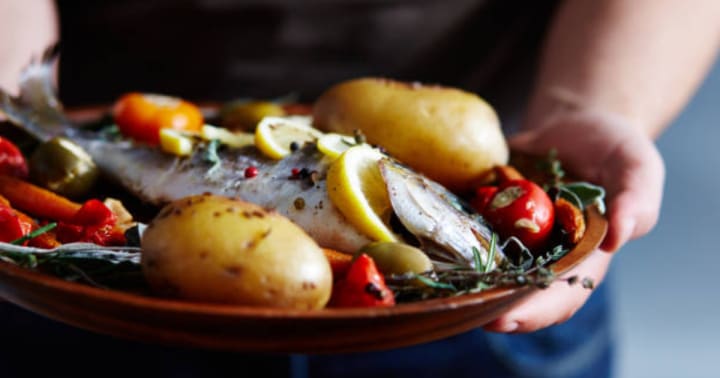
Dinner: Grilled salmon with roasted vegetables (like zucchini, bell peppers, and onions) and brown rice. The salmon has omega-3s, and the veggies provide vitamins. Brown rice gives you energy from healthy carbs.
Snack: Sliced apple with almond butter. This snack has healthy carbs, fats, and fiber, which helps keep your energy stable.
Day 2
Breakfast: Overnight oats with almonds, chia seeds, and raspberries. Oats are high in fiber, and chia seeds add omega-3 fats. Almonds add protein and crunch.
Lunch: Whole grain wrap with hummus, grilled chicken, spinach, and bell peppers. This wrap is full of lean protein, healthy fats, and fiber. The hummus and veggies add great flavor and nutrients.
Dinner: Shrimp cooked in garlic and olive oil, with whole wheat pasta and steamed broccoli. Shrimp is low in calories and high in protein. The garlic and olive oil add flavor, and broccoli is a great source of vitamins.
Snack: A handful of mixed nuts. Nuts provide healthy fats and protein, but keep portions small since they are calorie-dense.
Day 3
Breakfast: Whole grain toast with avocado, a poached egg, and a sprinkle of paprika. Avocado gives you healthy fats, and the egg adds protein. The paprika adds a bit of spice for flavor.
Lunch: Lentil soup with a side salad dressed in olive oil and balsamic vinegar. Lentils are high in protein and fiber, and the salad adds extra vitamins. Olive oil gives you healthy fats.
Dinner: Baked cod with a tomato and olive topping, served with quinoa and green beans. Cod is a lean protein, and quinoa gives you energy from complex carbs. Green beans add fiber and nutrients.
Snack: Sliced cucumber with tzatziki. This is a light, low-calorie snack that has Probiotics from the yogurt in tzatziki.
Staying Motivated
Losing weight can be tough, so it’s important to stay motivated. Set small, easy goals, like trying a new recipe each week or walking for an extra 10 minutes each day. Celebrate every success, whether it’s losing a pound, feeling more energetic, or sticking to your plan for a week. Keeping a food diary or taking pictures can help you see your progress and stay focused.
Surround yourself with friends who support you or join an online group where you can share your journey. Remember that setbacks are normal—just keep going. Focus on how much better you feel when you eat well and stay active, not just the number on the scale. Be kind to yourself and remember that progress takes time. Every small step you take makes a difference.
👉 Download the Complete Mediterranean Recipe Guide 👈
Conclusion: Does Mediterranean Diet Really Help to Lose Weight
The Mediterranean Diet isn’t about quick fixes—it’s about creating healthy habits that last. By eating nutrient-rich foods, staying active, and enjoying your meals, you can lose weight and feel better. Every small step you take towards healthier choices adds up. Start today by enjoying the delicious foods of the Mediterranean, and give yourself the gift of better health.
This way of eating is balanced and enjoyable, Whether you are cooking a tasty Mediterranean dish, sharing a meal with loved ones or savoring fresh produce. The Mediterranean Diet makes healthy eating feel rewarding. Take it one day at a time, make small changes, and soon these habits will feel natural. You’ll be on your way to a happier, healthier you.
The Mediterranean lifestyle is about more than food—it’s about enjoying all parts of life, from the meals you cook to the time you spend with friends and family. By focusing on fresh ingredients, whole foods, and being active, you can build a lifestyle that supports weight loss and long-term health. Remember, progress is what matters—not perfection. Every healthy choice you make brings you closer to a more vibrant and energetic life.
About the Creator
chrissy Anna
passionate write love to talk about food, diets and meal plans and many more,
Keep reading
More stories from writers in Feast and other communities.
My Tous les Jours Trip
As someone who lives in a rural area, I don't get the chance to visit fancy restaurants or bakeries that often. So, when a friend told me about a French-Asian bakery that's less than an hour away, I knew I had to check it out and grab some pictures for social media. Tous les Jours ended up providing an immersive experience that went above and beyond my expectations--although I did leave with a few reservations.
By Kaitlin Shanks25 days ago in Feast
White Mushroom Market Size and Forecast 2025–2033
Introduction White mushrooms—scientifically known as Agaricus bisporus—are no longer confined to salads, pizzas, and soups. Once considered a humble kitchen staple, they are now emerging as a strategic crop in the global agrifood ecosystem. Driven by sustainability trends, plant-based eating, and rising health consciousness, white mushrooms have carved out a powerful position in both consumer markets and foodservice industries.
By jaiklin Fanandish4 days ago in Feast



Comments
There are no comments for this story
Be the first to respond and start the conversation.