
United Arab Emirates Foodservice Market Size and Forecast 2025–2033
How Tourism, Digital Dining, and Multicultural Tastes Are Reshaping the UAE’s Foodservice Landscape


United Arab Emirates Foodservice Market Overview
The United Arab Emirates (UAE) foodservice market is poised for remarkable expansion over the next decade, reflecting the nation’s evolving lifestyle, booming tourism economy, and deeply multicultural population. According to Renub Research estimates, the UAE foodservice market is expected to grow from US$ 15.90 billion in 2024 to approximately US$ 41.80 billion by 2033, registering a robust compound annual growth rate (CAGR) of 11.45% during 2025–2033.
Foodservice refers to the preparation and sale of food for consumption outside the home and includes restaurants, cafés, quick-service outlets, catering services, food courts, cloud kitchens, bars, and food trucks. In the UAE, this sector plays a vital role not only in everyday consumption but also in shaping the country’s global image as a premium lifestyle and hospitality destination.
With a strong tourism industry, high disposable incomes, rapid urbanization, and advanced digital infrastructure, the UAE has become one of the most dynamic foodservice markets in the Middle East. The country’s cities—particularly Dubai, Abu Dhabi, and Sharjah—serve as culinary melting pots, offering everything from traditional Emirati dishes to international cuisines influenced by Asian, European, and Western cultures.
Multicultural Foundations of the UAE Foodservice Industry
The UAE’s demographic profile is one of the strongest pillars supporting its foodservice expansion. A large expatriate population from South Asia, East Asia, Europe, Africa, and North America has created sustained demand for diverse culinary experiences. Indian, Pakistani, Filipino, Chinese, Japanese, Italian, Lebanese, and American cuisines coexist alongside local Arabic offerings.
Tourists visiting the UAE expect variety, quality, and novelty in dining—pushing operators to continuously innovate. As a result, themed restaurants, celebrity-chef concepts, fusion menus, and experiential dining formats have flourished. This diversity ensures that foodservice is not merely transactional but deeply integrated into the UAE’s lifestyle and entertainment culture.
Key Growth Drivers in the United Arab Emirates Foodservice Market
1. Growing Tourism and Hospitality Sector
Tourism remains one of the most powerful growth engines for the UAE foodservice market. The country welcomes millions of international visitors annually, drawn by luxury hotels, shopping festivals, entertainment hubs, cultural landmarks, and global events. Cities such as Dubai and Abu Dhabi have positioned themselves as year-round travel destinations for leisure and business travelers alike.
Large-scale initiatives such as the Dubai Tourism Strategy 2031, combined with the legacy impact of Expo 2020, have significantly boosted hospitality infrastructure. Hotels, resorts, theme parks, and convention centers generate constant demand for restaurants, cafés, bars, and catering services.
With tourist arrivals projected to reach over 22 million annually by the mid-2020s, foodservice outlets catering to diverse price points—from fine dining to quick-service—are expanding rapidly to accommodate this influx.
2. Rising Disposable Income and Lifestyle Diversification
The UAE’s high-income economy and rising purchasing power have reshaped consumer dining habits. Eating out is no longer an occasional indulgence but an integral part of social life, business networking, and family recreation. Millennials and Gen Z consumers, in particular, value convenience, ambiance, and culinary experimentation.
Shopping malls, mixed-use developments, waterfront promenades, and lifestyle districts increasingly integrate foodservice as a central attraction. Premium cafés, specialty dessert outlets, vegan and health-focused restaurants, and gourmet burger chains are thriving as consumers seek both indulgence and wellness-oriented choices.
3. Technological Innovation and Digital Food Ecosystem
Technology has become a defining force in the UAE foodservice market. Online ordering, mobile payments, cloud kitchens, AI-powered logistics, and customer loyalty apps have transformed how food is prepared, delivered, and consumed.
Platforms such as Talabat, Deliveroo, Zomato, and Careem have normalized food delivery as a daily habit rather than a convenience option. Restaurants increasingly rely on data analytics to personalize menus, optimize pricing, and enhance customer engagement.
In September 2025, the Dubai Corporation for Consumer Protection and Fair Trade (DCCPFT), under the Dubai Department of Economy and Tourism (DET), launched a dedicated working group for the online food delivery sector. New guidelines were introduced to maintain competitiveness, improve business standards, and encourage investment—further strengthening the digital backbone of the industry.
Challenges Facing the UAE Foodservice Market
High Operating Costs and Competitive Intensity
Despite strong demand, foodservice operators face high operational expenses. Premium rental costs in malls and tourist zones, rising labor wages, licensing fees, and strict food safety regulations place pressure on profit margins.
The market is highly competitive, with global franchises, regional chains, and independent outlets competing aggressively. Smaller restaurants often struggle to match the marketing budgets and economies of scale enjoyed by large chains, making differentiation and cost efficiency critical for survival.
Supply Chain Volatility and Import Dependence
The UAE relies heavily on imported food due to limited domestic agriculture. As a result, foodservice operators are exposed to global supply chain disruptions, shipping delays, currency fluctuations, and geopolitical risks.
While initiatives such as hydroponic farming and local sourcing are gaining traction, import dependence remains a structural challenge. Maintaining consistent pricing and menu quality continues to require strong supplier relationships and efficient inventory management.
Segment Analysis of the UAE Foodservice Market
Bars & Pubs Foodservice Market
Bars and pubs operate primarily within licensed hotels and resorts, catering to tourists and expatriates. The segment benefits from nightlife culture, live entertainment, and premium beverage offerings. Rooftop lounges, beach bars, and gastro-pubs in Dubai and Abu Dhabi remain especially popular, supporting high-margin growth.
Asian & European Foodservice Market
Asian cuisines—particularly Indian, Chinese, Japanese, and Thai—dominate everyday dining due to affordability and familiarity. European cuisines such as Italian, French, and Mediterranean appeal strongly to high-income residents and tourists seeking premium experiences. Themed restaurants and celebrity-chef concepts further elevate this segment.
Middle Eastern Foodservice Market
Traditional Middle Eastern cuisine remains central to UAE food culture. Dishes such as shawarma, hummus, kebabs, and mezze are staples across casual and fine dining formats. Ramadan and cultural festivals provide seasonal demand surges, while franchised Arabic QSR brands continue to expand through delivery platforms.
Burger Foodservice Market
The burger segment is among the most competitive and innovative. Global chains and gourmet local brands compete through menu customization, plant-based options, premium ingredients, and social media-driven promotions. Cloud kitchens and delivery-first brands play a major role in sustaining growth.
Chained Outlets Foodservice Market
Chained outlets dominate due to brand recognition, consistency, and operational efficiency. International and regional franchises leverage franchising models, digital ordering, and loyalty programs to scale rapidly. Their structured supply chains and marketing power give them a strong edge over independent operators.
Leisure Foodservice Market
Leisure foodservice—including dining at cinemas, theme parks, resorts, and entertainment venues—is expanding alongside the UAE’s focus on experiential tourism. Consumers increasingly seek immersive dining environments that complement entertainment and leisure activities.
Regional Outlook
Dubai Foodservice Market
Dubai leads the UAE foodservice industry with unmatched diversity and innovation. Government support for tourism, business-friendly regulations, and a global consumer base make Dubai a magnet for international food brands and experimental dining concepts.
Sharjah Foodservice Market
Sharjah’s foodservice sector emphasizes affordability, family dining, and cultural authenticity. Growth is supported by urban development, education hubs, and community-focused retail spaces. While international brands are selective, regional and local players dominate the market.
Final Thoughts
The United Arab Emirates foodservice market is entering a golden era of expansion, driven by tourism, digital transformation, and evolving consumer lifestyles. With its market value expected to reach US$ 41.80 billion by 2033, the sector represents one of the fastest-growing foodservice industries globally.
While challenges such as high operating costs and import dependence persist, the UAE’s strong economic fundamentals, progressive regulations, and appetite for innovation ensure long-term sustainability. For investors, restaurateurs, and global brands, the UAE foodservice market offers a powerful combination of scale, diversity, and growth potential—cementing its status as a culinary powerhouse of the Middle East.
About the Creator
Keep reading
More stories from Aaina Oberoi and writers in Feast and other communities.
France Foodservice Market Size and Forecast 2025–2033
Introduction France has long been recognized as one of the world’s culinary capitals, where food is not merely sustenance but a cultural expression deeply rooted in history, tradition, and national identity. From Michelin-starred restaurants in Paris to rustic bistros in provincial towns, the country’s foodservice ecosystem is both diverse and dynamic. In recent years, however, the French foodservice market has undergone notable transformation, shaped by changing consumer lifestyles, sustainability concerns, digital innovation, and the rebound of tourism following the pandemic.
By Aaina Oberoiabout a month ago in Feast
My Tous les Jours Trip
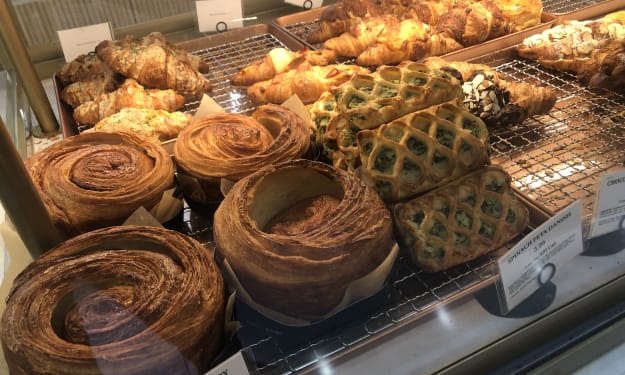
As someone who lives in a rural area, I don't get the chance to visit fancy restaurants or bakeries that often. So, when a friend told me about a French-Asian bakery that's less than an hour away, I knew I had to check it out and grab some pictures for social media. Tous les Jours ended up providing an immersive experience that went above and beyond my expectations--although I did leave with a few reservations.
By Kaitlin Shanks23 days ago in Feast



Comments
There are no comments for this story
Be the first to respond and start the conversation.