
France Foodservice Market Size and Forecast 2025–2033
Culinary Heritage Meets Digital Dining as France’s Foodservice Industry Enters a New Growth Era


Introduction
France has long been recognized as one of the world’s culinary capitals, where food is not merely sustenance but a cultural expression deeply rooted in history, tradition, and national identity. From Michelin-starred restaurants in Paris to rustic bistros in provincial towns, the country’s foodservice ecosystem is both diverse and dynamic. In recent years, however, the French foodservice market has undergone notable transformation, shaped by changing consumer lifestyles, sustainability concerns, digital innovation, and the rebound of tourism following the pandemic.
According to Renub Research, the France foodservice market is projected to grow from US$ 85.80 billion in 2024 to US$ 122.89 billion by 2033, registering a compound annual growth rate (CAGR) of 4.10% between 2025 and 2033. This steady expansion reflects the sector’s resilience and adaptability amid economic pressures and evolving dining preferences.
France Foodservice Market Overview
Foodservice refers to all establishments that prepare, serve, and sell food to consumers outside the home. In France, this includes restaurants, cafés, bars, pubs, catering services, quick-service restaurants (QSRs), cloud kitchens, and institutional foodservice providers operating in schools, hospitals, and corporate settings.
The importance of foodservice in France extends beyond economics—it is deeply interwoven with social life and cultural identity. Dining out remains a cherished ritual, whether for casual coffee breaks, family gatherings, business meetings, or celebratory occasions. With rising disposable incomes and urban lifestyles becoming increasingly fast-paced, consumers are spending more on convenience-driven and experience-oriented dining options.
Moreover, France’s global reputation for gastronomy continues to attract international tourists eager to experience authentic French cuisine. This strong domestic and international demand forms the backbone of the country’s vibrant foodservice industry.
Key Growth Drivers in the France Foodservice Market
Revival of Tourism and Dining Culture
France remains the world’s most visited tourist destination, welcoming over 100 million visitors in 2023, with strong momentum expected to continue beyond 2025. The recovery of tourism has played a critical role in revitalizing restaurants, cafés, and leisure dining establishments across the country.
Major cities such as Paris, Lyon, Marseille, and Bordeaux have seen renewed footfall in both traditional and contemporary dining venues. Tourists actively seek out Michelin-starred experiences, heritage brasseries, wine bars, and regional specialties. This resurgence has strengthened demand across all foodservice formats—from luxury dining to casual street food—solidifying France’s position as a global culinary epicenter.
Shift Toward Healthier, Sustainable, and Local Food
French consumers are increasingly prioritizing health, sustainability, and transparency in their food choices. The growing “locavore” movement emphasizes locally sourced ingredients, organic produce, seasonal menus, and reduced food waste. Restaurants and cafés are responding by offering farm-to-table dishes, plant-based meals, and eco-conscious packaging.
Sustainability certifications and eco-labels are now influential in dining decisions, while government initiatives promoting reduced carbon footprints further reinforce this trend. Vegan and vegetarian establishments are expanding rapidly in urban centers, reflecting a broader shift toward mindful consumption.
In September 2024, the Consumer Goods Forum’s Healthier Lives Coalition, supported by METRO France and major food manufacturers, launched a set of 16 sustainable and affordable recipes designed to encourage healthier eating while minimizing food waste—highlighting the industry’s commitment to responsible practices.
Digital Transformation and Online Delivery Expansion
Technology has become a cornerstone of growth in France’s foodservice sector. The widespread adoption of delivery platforms such as Uber Eats, Deliveroo, and Just Eat has significantly expanded consumer access to restaurants, particularly in urban areas. Delivery offerings now extend beyond fast food to include gourmet meals, bakery items, and premium dining options.
Restaurants are increasingly investing in mobile apps, digital menus, contactless payments, and data analytics to enhance operational efficiency and customer engagement. Cloud kitchens and virtual brands are also gaining traction, enabling operators to reduce overhead costs while targeting digitally native consumers.
The entry of rapid delivery players such as Gopuff, which expanded into major French cities including Paris and Marseille, further underscores the growing importance of convenience and speed in modern dining.
Challenges Facing the France Foodservice Market
Labor Shortages and Rising Operational Costs
One of the most pressing challenges in the French foodservice sector is the shortage of skilled labor. The pandemic accelerated workforce attrition, with many hospitality professionals transitioning to other industries. As a result, restaurants face difficulties in recruiting and retaining chefs, servers, and kitchen staff.
At the same time, rising wages, energy prices, and rental costs are compressing profit margins. Operators are responding through automation, limited operating hours, and selective price increases. However, balancing cost control with service quality remains a critical concern for long-term sustainability.
Inflation and Supply Chain Disruptions
Inflationary pressures and global supply chain disruptions continue to affect ingredient sourcing and pricing. Dependence on imported products such as coffee, seafood, and specialty produce exposes restaurants to cost volatility. Additionally, the growing demand for organic and sustainable ingredients further complicates procurement.
While many establishments are adopting seasonal menus and strengthening relationships with local suppliers, maintaining consistent quality and affordability remains challenging—particularly for small and independent operators.
Segment Analysis of the France Foodservice Market
France Bars & Pubs Foodservice Market
The bars and pubs segment is experiencing steady growth, fueled by the revival of nightlife and social entertainment. Urban centers are witnessing a surge in craft beer pubs, cocktail lounges, and themed bars catering to young professionals and tourists. Premiumization trends emphasize artisanal beverages, curated menus, and experiential concepts such as live music and mixology workshops.
France Asian & European Foodservice Market
Asian cuisines—particularly Japanese, Thai, Korean, and Chinese—are expanding rapidly across France, appealing to consumers seeking flavorful yet healthy dining options. At the same time, European cuisines such as Italian, Spanish, and Mediterranean remain staples in both casual and fine dining. Fusion concepts blending global flavors with French ingredients are gaining popularity, especially in cosmopolitan cities.
France Middle Eastern Foodservice Market
Middle Eastern cuisine has gained strong acceptance among French consumers, driven by its balance of affordability, nutrition, and bold flavors. Dishes such as falafel, shawarma, and hummus are increasingly offered in both quick-service and upscale formats. The influence of North African and Levantine communities continues to support this segment’s growth.
France Burger Foodservice Market
The burger segment has evolved beyond traditional fast food into a premium category. While global chains maintain a strong presence, gourmet and artisanal burger concepts emphasizing local ingredients, organic meats, and plant-based alternatives are reshaping consumer expectations. Burgers also remain among the most ordered items on delivery platforms.
France Chained Outlets Foodservice Market
Chained outlets represent a significant share of France’s organized foodservice market. Their advantages include brand consistency, economies of scale, and advanced digital integration. Franchising continues to attract investment, while loyalty programs and mobile apps strengthen customer engagement.
France Leisure Foodservice Market
Leisure foodservice thrives in tourist destinations, entertainment venues, museums, and cultural events. Experiential dining, outdoor seating, pop-up concepts, and themed restaurants play a key role in attracting both domestic and international visitors, particularly during peak travel seasons.
Regional Insights
Paris Foodservice Market
Paris remains the epicenter of France’s foodservice industry, offering unmatched diversity—from Michelin-starred restaurants to innovative cafés and street food markets. The city leads trends in sustainable dining, vegan cuisine, and experiential hospitality, reinforcing its status as a global culinary capital.
Nouvelle-Aquitaine Foodservice Market
Nouvelle-Aquitaine is defined by strong regional identity and gastronomic heritage. Known for Bordeaux wines, seafood, and farm-to-table cuisine, the region benefits from wine tourism and coastal tourism. Sustainability, authenticity, and local sourcing are central to its continued growth.
Final Thoughts
The France foodservice market is entering a phase of sustainable and innovation-driven growth. Supported by a strong tourism rebound, evolving consumer preferences, and rapid digital transformation, the industry is well-positioned for long-term expansion. While challenges such as labor shortages and inflation persist, France’s deep-rooted culinary culture and adaptability continue to drive resilience.
As highlighted by Renub Research, with the market projected to reach US$ 122.89 billion by 2033, France’s foodservice sector will remain a vital pillar of the national economy—successfully blending tradition with modern dining experiences in the years ahead.
About the Creator
Keep reading
More stories from Aaina Oberoi and writers in Feast and other communities.
Saudi Arabia Whiskey Market Trends & Summary (2025–2033)
Introduction Saudi Arabia’s whiskey market presents one of the most unusual dynamics in the global alcoholic beverages industry. Operating within a country where alcohol production, sale, and consumption are officially prohibited, the market continues to exist quietly yet persistently. According to Renub Research, the Saudi Arabia Whiskey market was valued at US$ 985 million in 2024 and is projected to reach US$ 1,515.88 million by 2033, growing at a CAGR of 4.90% from 2025 to 2033.
By Aaina Oberoiabout a month ago in Feast
My Tous les Jours Trip
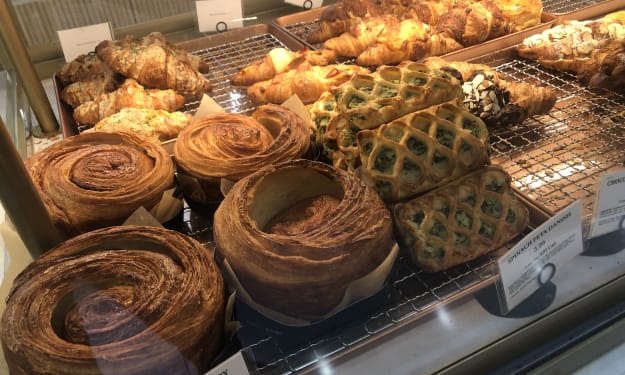
As someone who lives in a rural area, I don't get the chance to visit fancy restaurants or bakeries that often. So, when a friend told me about a French-Asian bakery that's less than an hour away, I knew I had to check it out and grab some pictures for social media. Tous les Jours ended up providing an immersive experience that went above and beyond my expectations--although I did leave with a few reservations.
By Kaitlin Shanks24 days ago in Feast



Comments
There are no comments for this story
Be the first to respond and start the conversation.