
Turning Wild Plants Into Life-Saving Ingredients
Survival Is Everywhere

This article may seem like a strange one, but stay with me here. Did you know that you can make flour from a number of common plants, not just wheat? Perhaps you're wondering why this is even a topic worth learning about. In an emergency or crisis situation, you may need to know what you can substitute for flour and how to do it.
Having tried all but one of them, I can personally attest to these "flours." Let's get started!
Acorns
Acorns are an essential component of my homestead. They are an excellent option for flour because they are readily available and nutrient-dense. Acorn tannins are initially challenging, but after processing, they serve as a natural preservative. Compared to many conventional flours, they also include more protein and beneficial fats.
Sorting and shelling them thoroughly is the first step in processing them. Leaching out the tannins is the most crucial process. To remove the bitterness, soak them in cold water, changing the water every day until it's clear.
Depending on the species of oak, this soaking process typically takes seven to ten days. Although they take longer, cooler temperatures can enhance flavor. Processing larger batches can save time, but you must closely monitor them to prevent spoilage. Then after that, dry them out in the sun or next to a fire. Toast them in a pan, then grind into flour.
Jerusalem Artichokes
Also known as sunchokes, they are a versatile root vegetable with a naturally nutty, slightly sweet flavor. To transform them into flour, start by thoroughly washing the tubers to remove any dirt. Peel them if desired, though the skin is edible and can add extra nutrients to the final product. Slice the roots thinly to speed up drying, then spread the slices on a dehydrator tray or a baking sheet lined with parchment paper. Dry them at a low temperature (around 115°F in a dehydrator or the lowest oven setting) until they’re completely brittle and free of moisture, which usually takes several hours.
Once dried, grind the slices into a fine powder using a high-speed blender, coffee grinder, or food processor. Sift the resulting flour through a fine mesh sieve to remove any larger pieces and regrind as needed. Jerusalem artichoke flour is gluten-free and works well in combination with other flours for baking. Due to its slightly sweet, nutty flavor and natural inulin content (a prebiotic fiber), it’s a great choice for enhancing breads, pancakes, or even thickening soups and sauces. Store the flour in an airtight container in a cool, dry place.
Chestnut
Making flour out of chestnuts altered my approach to gluten-free baking. (You can also use Hazelnuts, Walnuts, Pecan, and Beech Nuts.) Because chestnuts are high in carbohydrates, their flour behaves more like wheat flour than other types of wild nuts. I don't need additional sweeteners in baked products because of their inherent sweetness.
Using chestnuts throughout the year requires proper processing and storage because they are seasonal. They differ from other nut flours in that they are rich in vitamin C and B vitamins.
For high-quality flour, harvest timing is essential. Treat fresh chestnuts promptly to prevent mold and maintain their freshness. Roasting breaks down the starches, improving consistency and facilitating digestion.
Grinding after drying and toasting requires several passes to achieve a fine texture. Because of its extended shelf life, chestnut flour is a dependable option for homestead food security.
Cattails
Cattails are one plant that can produce large amounts of flour. You can harvest them sustainably and they grow back easily. To reach the white core, begin by thoroughly cleaning the rhizomes (fluff) before peeling them. Soak the cores in clean water to release pure starch, which sinks to the bottom.
After drying, we grind the starch into flour. It works well for thickening or baking. Proper drying keeps the flour fresh for long-term storage by preventing fermentation. It works well in a variety of dishes due to its neutral flavor.
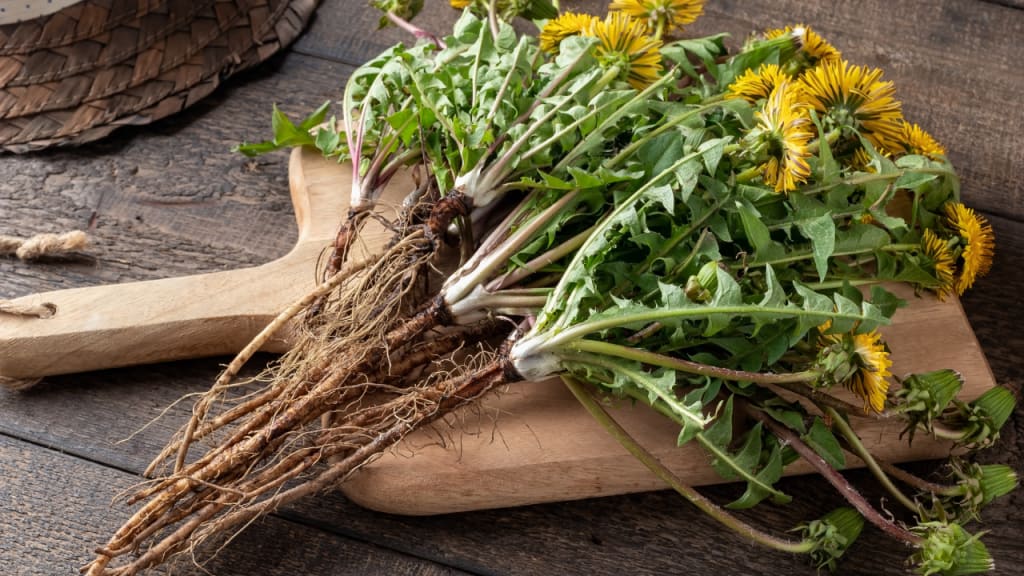
Dandelion
Inulin, a prebiotic fiber that aids digestion, is abundant in these roots. Although spring roots also perform well, fall harvesting yields the maximum starch concentration.
To begin, thoroughly clean the roots to get rid of any dirt. Then set out to dry in the sun or fire, dehydrator, or oven on low. The drying temperature impacts both nutrition and flavor. Once it's ground, it becomes an excellent baking flour.
The flour gives baked goods taste and nutrients. Its mild bitterness enhances recipes by balancing well with sweet elements. Among all the plants suitable for flour production, this one is my personal favorite.
Amaranth
Growing amaranth changed my perspective on small-scale grain production. This pseudo-grain yields a large number of seeds, requires minimal maintenance, and grows well in a variety of soil types. People also consider it to be one of the most important superfoods to have on hand during emergencies.
As they mature, they produce edible leaves, and eventually, they produce seeds for flour. They thrive in challenging growing environments because they can withstand drought. They also have more protein than the majority of ordinary grains.
Cut the seed heads and separate the seeds from the fluff. Dry it in the sun or near a fire and grind it into flour.
Wild Grasses
Wild grasses such as foxtail and wild rye, when properly maintained, can yield a surprisingly large amount of flour. Harvesting successfully can occur in a variety of climates and seasons due to the abundance of species available.

Harvesting wild grass at the appropriate time and handling it with care are essential to its proper processing. The seeds should not be falling off yet, but they should have reached full development. The optimal time to harvest is in the morning since the higher moisture level prevents seed loss.
Some species require softer handling, while others require alternative threshing techniques. Dry it and grind it like I described above.
Plantain (green banana) flour
One excellent method of obtaining starch for tropical homesteads is to turn green plantains into flour. It is crucial to harvest the plantains at their peak starch content before any sugar builds up. In warm climates, plantains grow all year long, so you may manufacture flour on a regular basis.
Plantain flour has many uses. Both savory and sweet recipes benefit from its use. Its resistant starch provides health advantages that ordinary flours do not.
The slice thickness influences the final flour quality and drying time. Controlling the temperature during the drying process preserves the nutrients, so it's important to dry low and slow. When they're hard and dry, grind them into flour.
Kudzu Vine
Invasive Kudzu roots can actually be good for something: flour! We all know that if you have kudzu, you have plenty! Harvesting in the winter allows for easier access to the roots and the largest starch content. In addition to flour, the process produces a number of other useful goods. In addition to providing you with a consistent supply of food, harvesting kudzu also helps control its spread.
The first step is cleaning the dirt from the roots. The time required to settle the starch during processing influences the quality of the finished flour.
Several straining processes keep the starch as pure as possible. We must properly control and follow the drying process to prevent fermentation or mold. The roots are pretty wet, so it takes a while to dry. Then grind and store in a tight container.
Buckwheat
Buckwheat belongs to the same family as rhubarb. It is ideal for effective land use because of its short growing season, which allows for multiple harvests throughout the year. It is ideal for harsh areas since it can withstand frost and drought.
Conventional threshing techniques are effective in small-scale production to obtain dark seeds. You must use the appropriate screens and be mindful of the wind conditions when winnowing.
Arrowroot
This plant is an excellent thickener because it stores a lot of starch throughout growth. Although the process is time-consuming, the result is an unbeatable pure white starch. The plant produces a lot of yield with minimum maintenance.
It has a texture similar to cornstarch and a flavor similar to flour. Cut, dry, and grind.

Honorable mentions include millet, curly dock, wild rice, and lamb's quarter, aka wild quinoa, which can all be ground and made into flour. Potatoes and tapioca and other roots can also be transformed into wild flours.
Independence doesn't necessitate a large farm or costly machinery. These everyday wild plants that you can grind into flour provide independence, sustainability, and nourishment no matter what may be coming our way.
About the Creator
Rootbound Homestead
Rootbound Homestead is a community bound by roots. Leaving our old comfy life in FL to move to NY to start living cleaner, more simply, and with purpose. Garden hacks, tips and tricks, natural medicine, healing, animals, recipes and more!
Keep reading
More stories from Rootbound Homestead and writers in Feast and other communities.
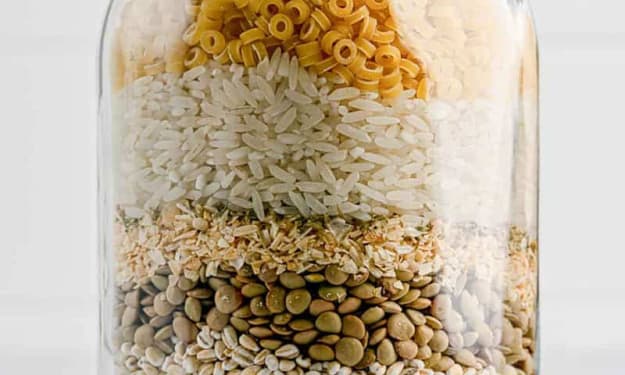
This Amish Friendship Soup Mix Is Shelf Stable Forever And Easy
Amish Friendship Soup is one of those wonderfully versatile meals that you can prepare in advance for just pennies. Whether you store it for a busy weeknight, keep it in your prepper pantry, or give it away as a thoughtful homemade gift, this meal-in-a-jar is both convenient and satisfying. With a hearty blend of dried beans, pasta, and seasonings, it stores well in a canning jar and makes for an easy, delicious meal when you need it most.
By Rootbound Homesteadabout a year ago in Feast
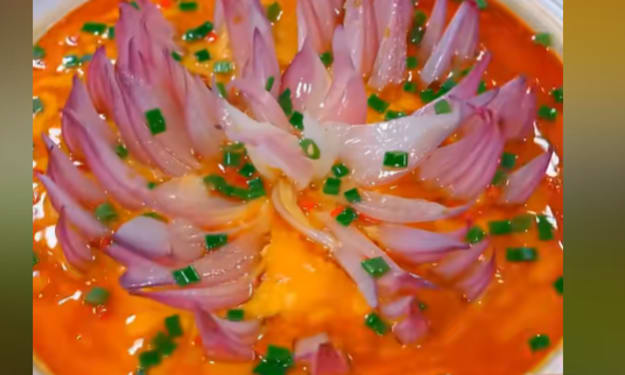
Eat During Chinese New Year
The Chinese New Year feast is traditionally abundant with meat dishes, but these 15 vegetarian recipes prove that plant-based eating can be just as festive, flavorful, and meaningful. Each dish carries auspicious symbolism while delivering incredible taste that will have everyone reaching for seconds—even the meat lovers at your table. From crisp greens to creative vegetable transformations, these recipes are designed to impress.
By yue . shui3 days ago in Feast
Astragalus: An Ornamental, Supportive, and Culinary Herb
Astragalus Root/Milkvetch Astragalus is a popular remedy for various ailments today. Commonly found in health food stores and herbal shops in the form of tinctures, grounded encapsulated powders, or as part of an herbal infusion, or sometimes added to teas, astragalus usually makes the list for its purported immune-system and energy-supporting benefits.
By J. Chauncey2 days ago in Feast
A Planetary Alignment will coincide with Mercury Retrograde
Double phenomena in the heavens Some people say in jest that the planets have aligned in their favor when life works the way they desire. Were you aware that there are seasons when things do line up in the heavens? There will be a planetary alignment AKA a planet parade, on February 28, 2026.
By Cheryl E Preston5 days ago in FYI


Comments (1)
I love wild plants! Great work