
This guide will help you master your dirty dishes
One simple rule helped me overcome my procrastination habit in the kitchen
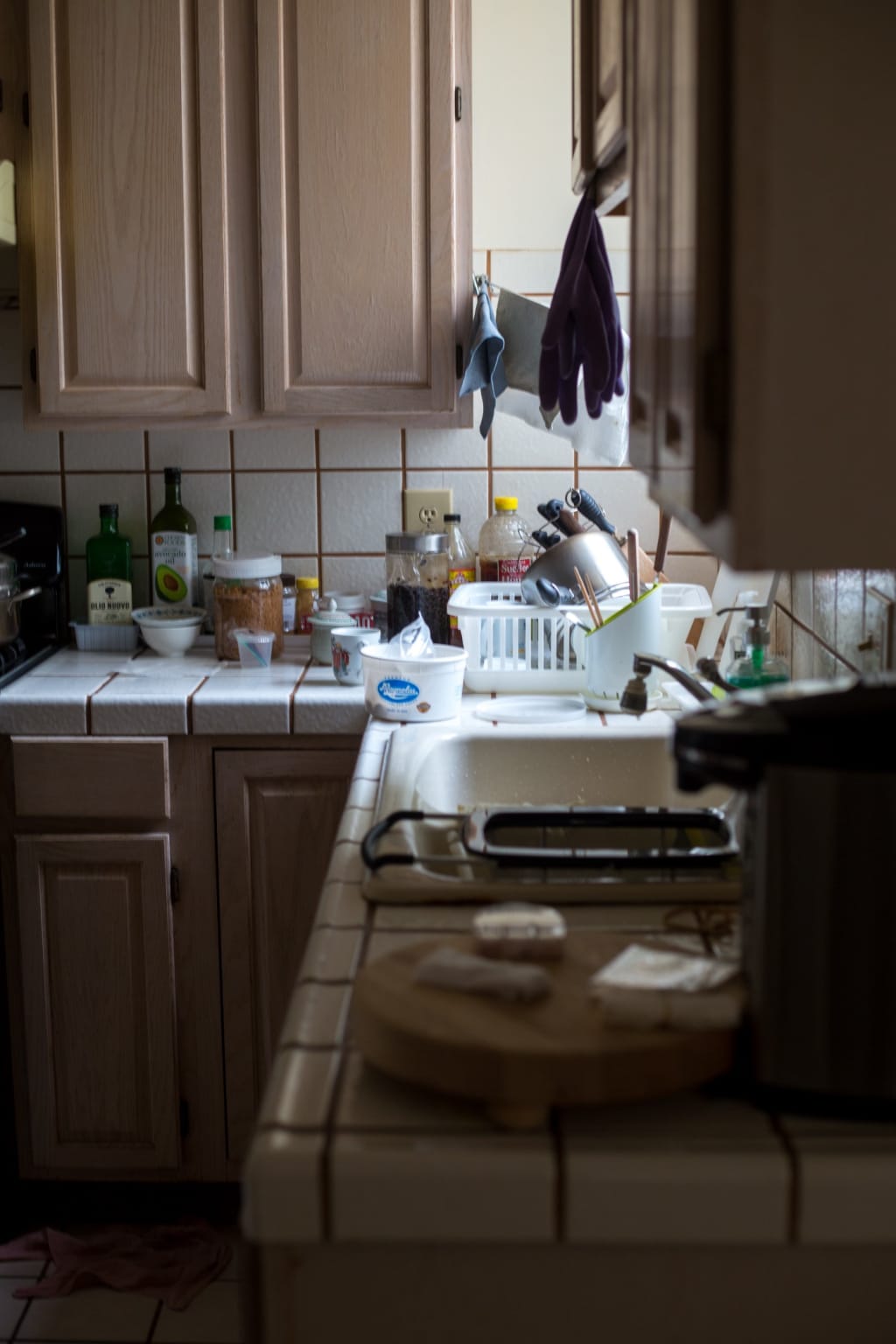
My unhealthy habit is procrastination
This is a story about dirty plates. Not too long ago, I had real dirty-dishes-problem. This is something I don't know if anyone can relate to, and it would not surprise me if people read the first paragraph with raised eyebrows. You say dirty dishes? You mean something so simple and routine?
However, I am certain that there will be many people who can relate to me. Individuals who live alone. Like me. Perhaps for the first. Like me. People who don’t have a dishwasher. Like me. People who are depressed or have other health problems. Like me.
For a very long time, dirty dishes were a major burden in my life. A real burden. At one point I made a decision to change. Because I have been doing well since I implemented those changes, I decided to write them down.
The impracticality of dirty dishes
It would be easy to blame the COVID-19 pandemic for my poor dishwashing habits. You could argue that I was unable to wash dirty dishes because I got so depressed after the global economic collapse. This would be lazy and frankly, very dishonest. Before the pandemic, I had a hard time relating to my mess in my kitchen.
It's not possible to say it any other way: I am a messy person by nature. I didn't find it difficult to do the dishes on time and consistently. I am a person who can tolerate clutter and messiness. My main problem was in the kitchen. Even when I was having health issues, laundry is something that I can manage. Although clothes lying around is definitely a problem, I always make an effort to get them put away. Although I could tidy up and clean more often, my apartment is not dirty or filthy. It is clean and tidy enough for a 20-year-old man.
Dirty dishes have become a major problem in my life because they are so difficult to clean. You can put dirty laundry in a tray and cover it with a lid. You can do the same for clutter. It's best to keep clutter out of your mind. Dirt and dust are often not visible at first glance if you don't live in complete chaos and there's dirt everywhere.
Consider visitors. If dirty laundry is hidden in a drawer, corner or tray somewhere, it won't be noticed. Vacuums are great for removing dirt and dust from the surface. Visitors won't notice if you haven’t cleaned your apartment in a while, as they won't be able to see dirt anywhere. Dirty dishes can be a problem. You have limited space at the sink to place them. You don't want your countertops to be covered in dirty plates and pans when you host guests.
A burden in my daily life
You may wonder, "Why didn't you just do the dishes after you used them?" It is a complex question. It's hard to pinpoint the exact reason I was having such difficulty with my kitchen's dish situation. It is certain that procrastinating with the dishes was an involuntary, harmful habit. This habit was too strong for me to break. Some days I was lazy and others I felt sick. Many days, I didn't think about doing the dishes. There were weeks when I was able to get along with my family. In bad weeks, dishes wouldn't last as long, if any. After a while, I was confident that I had begun to see real improvements in my health. I relapsed back into my old habits, but that was until then. I didn't know why, most of the time. It was an old habit that I had and couldn't get rid of.
My social life was greatly affected by my personal messiness in the kitchen. Surprise visits were one of my greatest fears. This is absurd. When I was planning with friends, I made sure to invite them only if I had the time to clean my kitchen. I began to associate stress with visitors because I had once again procrastinated cleaning up my mess at home. This is a very unhealthy association.
A vicious cycle
You can make a lot of dishes in a short time. You don't have to do the dishes for two days. You prepared one warm meal each day using three pans, two plates and cutlery. Two bowls, cutlery and a mixer were used to prepare two breakfasts. You made sandwiches for dinner using a second cutting board, cutlery and two plates. You drank a few cups of tea or coffee in between. You can now calculate how many dishes you would have to clean if you don't do the dishes for two day. Imagine not cleaning the dishes for five days, or even a week. Or even longer. It can become overwhelming and almost dangerous to have this pile in your kitchen. It's hard to believe how much time it will take to clean up this mess.
The worst part is that you will eventually run out of dishes and pans depending on how large your inventory gets. If you don't do them all at once, you will be in a vicious circle. What if you are hungry? Maybe you want to make pasta? You don't have the time or desire to make all those dishes at once. Two pans are needed for this dish, but you have already used two for your previous meal. Now they're covered in sauce residue and food scraps. You're lucky to have gotten that deal and now you can simply use your second set.
Pan on the stove, water in the pan, and dirty pans put to the side. So far so good. As the water boils, you need to chop some garlic and onions for the sauce. Your only cutting board is found in the sink. It's right next to some plates that you forgot to wash a few days back. You reluctantly grab it and get upset about your toxic habits and yourself. You wasted a few precious minutes because the water is boiling, and you haven’t even begun cutting onions. Your mood worsens. Although cooking is supposed to be a relaxing and enjoyable activity, it can now be stressful. You also realize that there isn't enough space to place the cutting board because of all the dirty pans on the countertops. You simply place the pans in a corner.
The water is boiling. There is not a single clove of garlic or onion left. The pasta should be in the water and the onions and garlic in a pan. Everything doesn't go according to plan. You will be overwhelmed by a meal this simple. You get frustrated and finish the recipe. There isn't enough space to place a strainer in the sink so you use the lid to drain the water. You almost burn your fingers trying not find your oven mitts. You eat the pasta, even though you are stressed. The sauce was bland.
Once you're done eating we are back at the beginning of the cycle. The only problem is that the pile of dirty dishes has grown larger, taking up more countertop space.
Make a difference
This cycle or variations thereof has been repeated many times. I started to wonder what was wrong. Others seemed to not have these problems. They kept their apartment (and kitchen) clean. When I walked into an apartment of a friend, I was amazed at how clean it was. There were other people who were just as messy as me, and didn't mind if guests walked into their filthy kitchens. I was unsure what to do to fix my situation.
It was impossible to accept my messy life and let others in on my real, messy world. It didn't matter if it was pride, shame, or anything else. I was so strong about my character that it wasn't possible to ignore my messy kitchen and just live with it. It annoyed me personally and made me feel stressed when I was alone.
It was obvious that I needed to learn how clean my kitchen was. It would be wonderful to invite friends to your home and not have to worry about them walking back to their cars after they've seen your kitchen. It would be wonderful to always have my pots, plates, and kitchen equipment available when I cook a meal. It would be wonderful to get up every morning with a clean kitchen. During the 2021 Christmas holidays, I committed to a new approach in the coming year. Here is what I came up.
How to keep your food under control -- forever
Just before New Years, I had an idea. A simple rule that is easy to follow every day. I spent Christmas break with my parents. Before I left home, I washed all the dishes and put them in their drawers. When I returned home from Christmas, I had a clean bedsheet to work with. This is crucial. This is crucial. If you are reading this and there are a lot of plates in your sink, clean it up before continuing. This is a great first step to self-improvement.
One rule: Do not go to bed with dirty dishes in your sink
This rule is simple and has a huge impact. This rule ensures you won't wake up to messy kitchens. It also guarantees a clean and tidy kitchen. It's amazing! It's so easy. It's also flexible. You don't have to finish cooking or eating right away. You can put all of the dirty dishes in the sink until you go to bed if you wish. This rule requires that you do not have any dirty dishes in your kitchen before going to bed. You can do a full day of dishes before you go to bed. You can do it as long as you complete them before going to bed. However, I do not recommend this. This approach is likely to lead to relapse.
Recognize how easy it is
After a long, exhausting cooking session, you may not want to tidy up your kitchen. This is something I struggle with. It's fine to let things be messy and to get some rest, or to go back to work if meetings are taking place. These are the keywords for now. Do not procrastinate about cleaning up. Instead, find a time that is free in your day. It won't take long to do this, just 15 minutes is enough. No matter how busy your job or the number of things you have to do, I believe that everyone can find 15 minutes each day.
Clean up any leftovers from the previous meal in 15 minutes. Every item should be cleaned, dried and placed back in the drawer. Keep an eye on how long it takes to do this. Keep track of when you started, and how long it took to wash them, dry them, and put them away. It is amazing how easy it is to clean up a single meal. When I first tried this rule in January, I made a pasta dish with two pans, a cuttingboard, a plate and cutlery. I took 7 minutes to wash them, 3 minutes drying them, and 2 minutes to put them back. In 12 minutes, I was back in my clean kitchen. It's a liberating and rewarding feeling, I can assure you. It is simply wonderful to know that you have all of your kitchen supplies available for your next cooking session. Everything is spotless. All the space in your kitchen is available. There is no one standing in your way.
Understanding how to eat a meal
A better way to approach cleaning is to see it as an integral part of eating a meal. Cleaning is an essential part of eating a meal. It's just like cooking your food and then eating it. There is no cooking without preparation, no cooking without eating, and no cleaning without cooking. From now on, cleaning is part of cooking. After you've finished eating, you will clean up. This is the final part. There is no break or nap in between. You now know how easy and quick it is to clean. Consider the reward for cleaning. Another perspective is that you don't get your cozy break until you have finished eating. The cleaning is the last step.
It takes no time. Two major benefits to doing dishes right after you eat are: You won't have to wait 15 minutes after eating because your kitchen is already clean and tidy. This allows you to fully concentrate on the day ahead.
The second benefit to doing dishes immediately is that they are much easier and quicker to clean. Stickier and more difficult to clean food scraps and residue that remain on plates and pans for a longer time will be. It might take you a little longer to get rid of that last spot. The scraps will still be fresh and can be washed off easily if you do it immediately. This is a huge benefit that should not be overlooked. Because it was so simple and quick, I have been able to motivate myself to do the dishes as part a meal. It won't take long before you become accustomed to washing dishes every day.
Last tip: Keep your eyes open for opportunities to improve every day.
You're ready to integrate cleaning your kitchen into your cooking session. Create a new habit. You should also get rid of the toxic old one. It's easy to fall back into old habits when you start. You should not expect too much of yourself or set unrealistic goals.
Consider me an example. My personal climb to improvement is only a small one. I have a lot of work ahead of me in the areas such as laundry and general tidying. It would be foolish to assume that I will solve these problems as quickly and easily as you expect. While I believe the "No anything before bedtime” approach can be used in those areas, I need to first work on establishing a lasting habit of cleaning my kitchen. This habit must be a permanent part of my life, and I have to let go of the procrastination that has been preventing me from taking on new challenges.
Since the beginning of this year, I have been following this rule and am confident that it will continue to be a daily habit. It's simple, flexible, and reaps huge benefits. A stereotypical tip that I found extremely useful when building new habits is to think from the day to day.
When you are just starting out, don't set any goals. It's true. Every night, as you are about to go to sleep, go into your kitchen and take a look around. Are there any dishes that aren't clean? Do you see any dishes that aren't clean? It doesn't matter how tired or strong you may be. It won't take long. It will be rewarding both now and tomorrow. Keep to the rules. Every single day.
About the Creator
Keep reading
More stories from Sergio Castellanos and writers in Feast and other communities.
My Tous les Jours Trip
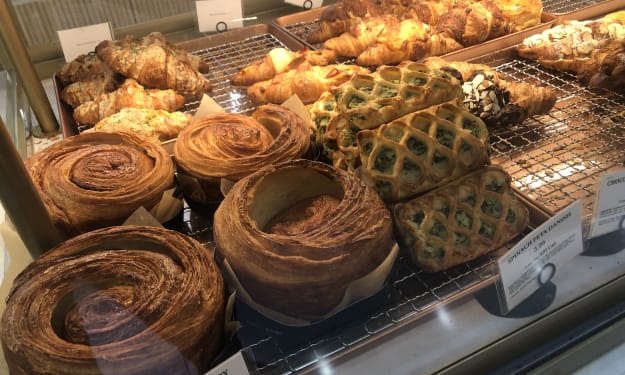
As someone who lives in a rural area, I don't get the chance to visit fancy restaurants or bakeries that often. So, when a friend told me about a French-Asian bakery that's less than an hour away, I knew I had to check it out and grab some pictures for social media. Tous les Jours ended up providing an immersive experience that went above and beyond my expectations--although I did leave with a few reservations.
By Kaitlin Shanks22 days ago in Feast
United States White Mushroom Market Size and Forecast 2025–2033
United States White Mushroom Market The United States White Mushroom Market is projected to expand from US$ 13.3 billion in 2024 to US$ 22.34 billion by 2033, growing at a CAGR of 5.93% from 2025 to 2033, according to Renub Research. Rising demand for plant-based, healthful meals, growing awareness of nutritional benefits, and continuous improvements in packaging, cold-chain logistics, and distribution are reshaping the industry. White mushrooms—often called button mushrooms—are now more accessible than ever through retail stores, online grocery platforms, and foodservice channels, making them a staple of modern American diets.
By Marthan Sir7 days ago in Feast



Comments
There are no comments for this story
Be the first to respond and start the conversation.