
The Jade Dumplings of Spring: A 40-Year Secret Unveiled
The Jade Dumplings of Spring: A 40-Year Secret Unveiled
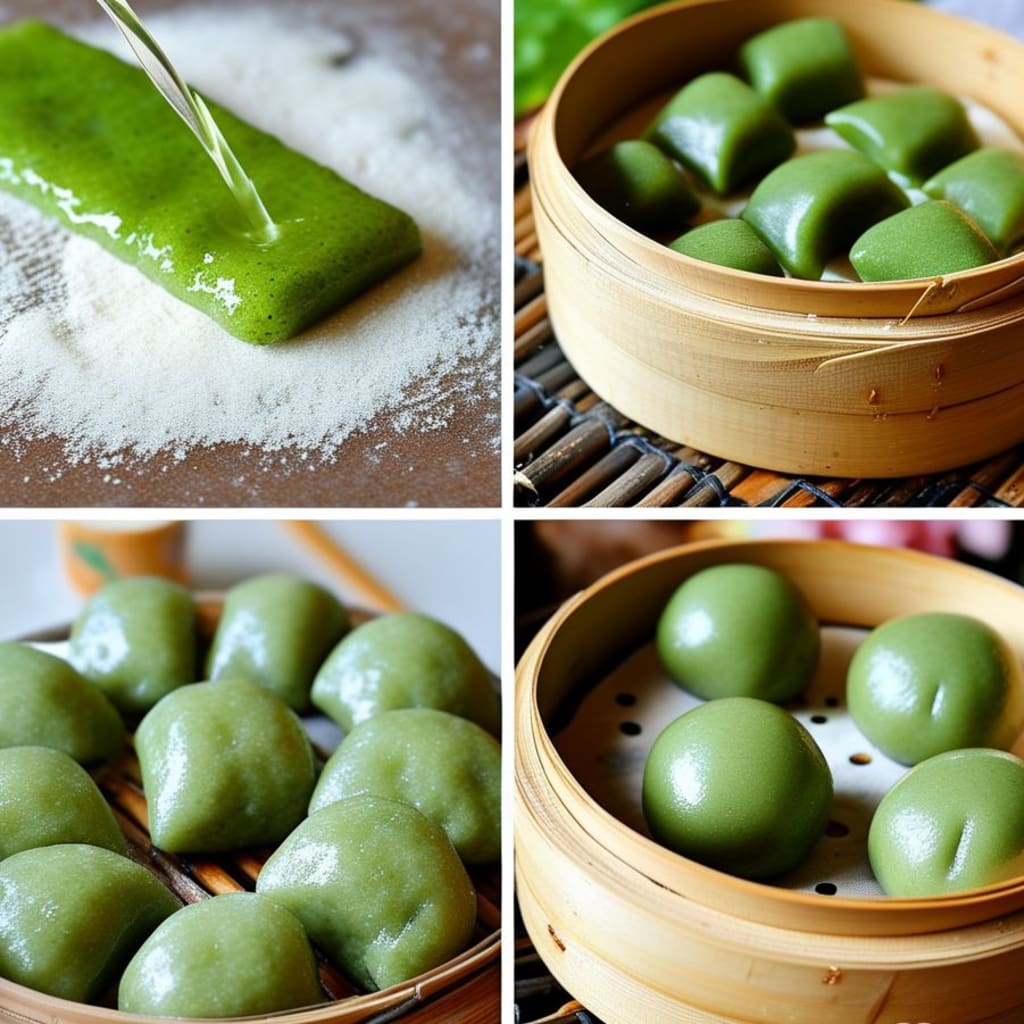
Each year when willow buds blush with new life, a particular shade of emerald captivates me—not the fresh green of tea leaves nor the tender sprouts in fields, but the translucent jade hue of qingtuan, the iconic glutinous rice dumplings that herald Qingming Festival. My earliest memory of this color traces back to Grandma's kitchen, where wisps of steam rose from bamboo steamers carrying these jewel-like treats filled with sweet red bean paste—a taste I later discovered held deeper secrets than childhood nostalgia.
The revelation came during my pilgrimage to Hangzhou's outskirts, where a 72-year-old traditional medicine practitioner guards a family recipe perfected through four decades. His clinic's seasonal qingtuan, available only during the 15 days surrounding Qingming, became my culinary holy grail. After persistent visits, the white-haired master unveiled his ancestral techniques, including the closely guarded "23% hydration rule" for glutinous rice flour—a threshold that separates success from kitchen disasters.
Botanical Alchemy in Ingredients
Creating authentic qingtuan involves botanical precision:
Mugwort (Artemisia argyi): Harvested precisely one week before Qingming when leaves contain optimal chlorophyll and minimal bitterness. Dried variants require cold-water rehydration overnight—a lesson I learned the hard way after serving bitter dumplings that even the neighborhood stray cat refused.
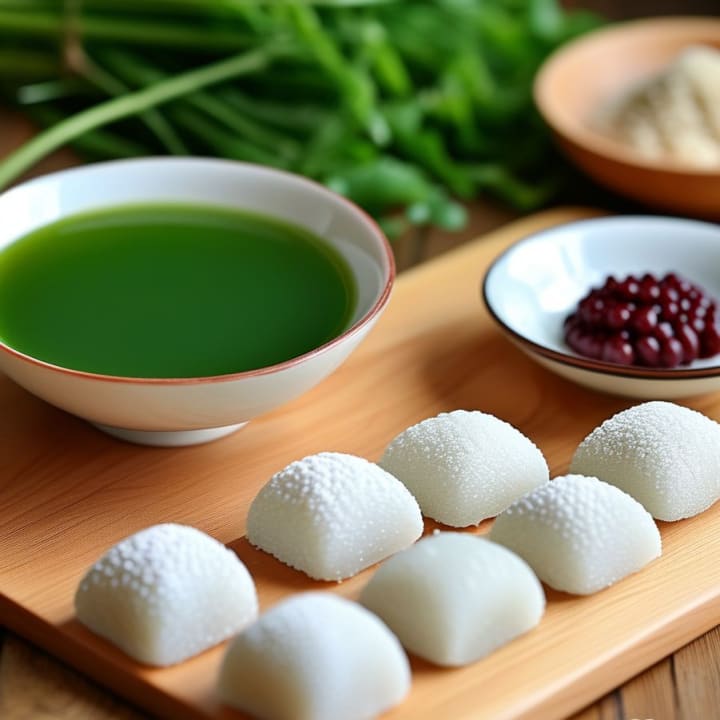
Glutinous Rice Flour: Only finely milled "water-ground" varieties achieve the signature texture—smooth yet resilient. Coarse flour creates grainy dumplings resembling "chewing on mooncake crusts," as the master humorously warned during my first failed attempt.
Fillings: While classic red bean paste remains staple, the master's version incorporates osmanthus blossoms and aged tangerine peel. "Soak beans in cold water for eight hours," he instructed, "or you'll get paste that scratches the throat like sandpaper."
Alum: The controversial yet crucial additive (1g per 500g flour) that preserves vibrant color without compromising safety—a technique documented in Song Dynasty culinary manuscripts but omitted from modern recipes.
The 23% Hydration Revelation
This golden ratio—115ml mugwort juice per 500g flour—emerged from forty years of trial. "Miss by 5ml," the master demonstrated, "and your dumplings either crack like drought-stricken earth or stick like tree resin." The technique involves incremental mixing:
1. Combine 80% liquid with flour using chopsticks
2. Knead until forming a "living dough"—supple yet springy
3. Rest for 15 minutes to allow moisture equilibrium
During my initial overhydration mishap, the master chuckled while sprinkling rescue flour: "Rushing in the kitchen breeds regret. Treat the dough like a crying infant—gentle but firm."
Zen and the Art of Dumpling Craft
Shaping qingtuan becomes meditative practice:
• Oil-coated hands prevent sticking while creating glossy surfaces
• 30g dough wrappers cradling 15g filling require "taiji palm movements"—applying pressure without breaking the delicate membrane
• Steaming in bamboo baskets over cold water ensures gradual gelatinization, achieving the ideal chewiness
"These dumplings mirror life," the master philosophized as he shaped perfect spheres. "Outer softness embracing inner resolve—just like our ancestors weathering seasons."
Edible Time Capsules
Beyond gastronomy, qingtuan embody cyclical wisdom. As Tang Dynasty poet Bai Juyi wrote: "Willow fluff signals tomb-sweeping days/Steam rises with memories in jade arrays." Each spring, I recreate the master's recipe, sharing these emerald parcels while recounting stories of herbal clinics and kitchen wisdom.
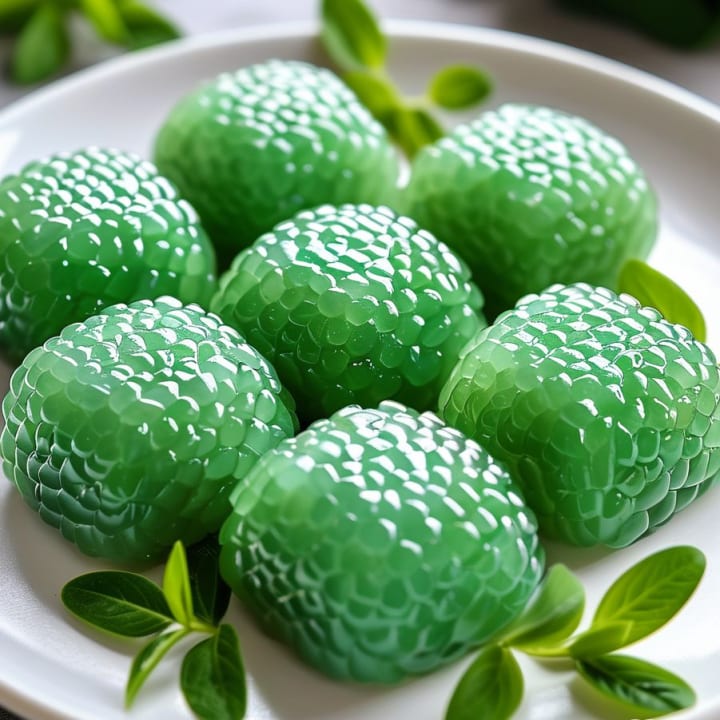
The 23% moisture secret, crystallized through generations, transcends mere measurement—it's a bridge between ancestral knowledge and modern palates. In an era of instant gratification, such culinary heritage reminds us that some treasures demand patience: the wait for spring's first mugwort, the precise kneading rhythm, the shared joy when teeth sink into perfectly textured dough.
As steam curls from my bamboo steamer today, I smile knowing these jade dumplings carry forward not just a recipe, but the soul of seasons past—one sticky, sweet, gloriously green bite at a time.
About the Creator
My Tous les Jours Trip
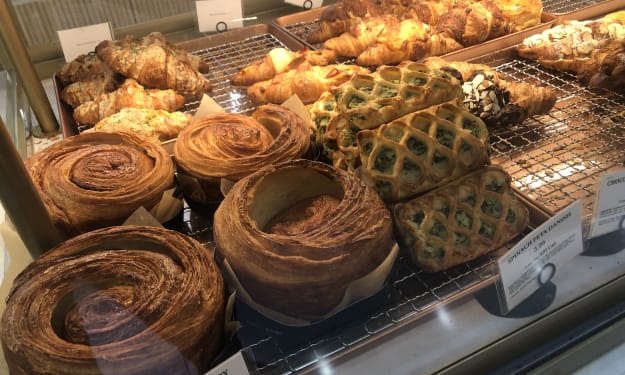
As someone who lives in a rural area, I don't get the chance to visit fancy restaurants or bakeries that often. So, when a friend told me about a French-Asian bakery that's less than an hour away, I knew I had to check it out and grab some pictures for social media. Tous les Jours ended up providing an immersive experience that went above and beyond my expectations--although I did leave with a few reservations.
By Kaitlin Shanks23 days ago in Feast
Edible Offal Market Size and Forecast 2025: A Global Shift Toward Sustainable, Affordable Protein
Edible Offal Market Size and Forecast 2025 The Edible Offal Market is projected to reach US$ 59.60 billion by 2033, rising from US$ 39.66 billion in 2024, registering a CAGR of 4.63% from 2025 to 2033, according to Renub Research. This steady expansion reflects a powerful global shift toward affordable, nutrient-dense protein sources, culturally rooted culinary practices, rising meat consumption, sustainable meat processing, and increasing awareness of food waste reduction. Particularly in developing regions and ethnic cuisine markets, offal is no longer seen as a by-product—it is emerging as both a nutritional asset and a sustainability solution.
By Aaina Oberoi2 days ago in Feast


Comments
There are no comments for this story
Be the first to respond and start the conversation.