
The Art of Food Plating: How Presentation Affects Taste
Why your eyes might taste the food before your tongue does

When a beautifully plated dish arrives at the table, something magical happens — even before the first bite. The sight of vibrant colors, delicate arrangements, and thoughtful garnishes can make us anticipate flavors that haven’t even touched our tongues yet. This isn’t just coincidence; it’s science, art, and psychology all working together.
Below are the key ways food plating transforms not just the look of a dish, but the way we experience taste.
The Psychology of First Impressions
Your brain decides a lot about taste before your mouth does. Studies show that people perceive food as tasting better when it’s visually appealing. A neatly arranged salad with colorful vegetables will seem fresher than the same salad tossed carelessly on a plate. This is because our brains link neatness and symmetry with quality and care.
Color Creates Expectations
Color influences how we expect something to taste. Bright reds and oranges often suggest sweetness or tanginess, while greens signal freshness and health. Imagine a strawberry that’s pale and dull — even if it tastes the same as a vibrant red one, your mind might believe it’s less sweet. Chefs use color strategically to trigger these expectations and enhance the eating experience.
Portion Placement Affects Perception
Where food sits on a plate matters. In fine dining, the “rule of thirds” often applies — placing the main item slightly off-center and surrounding it with complementary sides. This creates balance and draws the eye. A messy pile in the middle can make a dish seem heavy, while an artful spread can make it feel more refined and lighter, even if the portion size is the same.
Texture and Height Add Drama
Flat food looks less exciting than dishes with dimension. Stacking elements, layering ingredients, or adding crisp garnishes creates height, making the plate feel more dynamic. A tall, crunchy topping over soft pasta, for example, gives both visual drama and textural contrast — a double win for presentation and taste.
The Power of Negative Space
Chefs often leave parts of the plate empty on purpose. This “negative space” draws attention to the food itself and makes the portion look intentional. When every inch of the plate is covered, it can feel overwhelming. A clean, white space around the dish lets the eyes rest and frames the meal like artwork.
Symmetry vs. Asymmetry
Symmetry often signals precision and care, but asymmetry can make a dish look more artistic and modern. A dessert placed off-center with a sweeping sauce design might feel more creative than one that’s perfectly aligned. Both have their place, and the choice often depends on the mood the chef wants to convey.
Garnishes That Tell a Story
A garnish isn’t just decoration — it should connect with the flavors of the dish. Fresh herbs hint at freshness, citrus zest adds brightness, and edible flowers suggest delicacy. Random or unrelated garnishes can feel out of place, but thoughtful ones give a preview of the taste and aroma to come.
The Role of Plate Shape and Material
Plates aren’t just containers; they’re part of the presentation. A rustic wooden board can make a burger feel hearty, while a sleek black plate can make sushi look more luxurious. The shape of the plate can also guide the arrangement — round plates suit symmetrical layouts, while rectangular ones encourage linear or minimalist designs.
Cultural Influences on Plating
Different cuisines have unique plating traditions. Japanese dishes often highlight simplicity and seasonal elements, while French plating focuses on precision and elegance. Understanding these cultural aesthetics can deepen the dining experience and make a dish feel more authentic.
Why Presentation Changes Perceived Taste
When your brain receives positive visual cues, it can heighten your sense of flavor. This is partly due to the placebo effect — expecting something to taste good can make it taste better. Well-plated food triggers anticipation, and anticipation can amplify enjoyment.
Final Thoughts
Food plating is more than a chef’s way to make a meal look pretty; it’s a powerful tool to shape perception, stimulate appetite, and enhance taste. Next time you dine out or cook at home, notice how the arrangement of food changes your feelings about the meal — you might find your eyes really do eat first.
About the Creator
Widow invests $800,000 to start hawker culture experience centre in honour of late husband
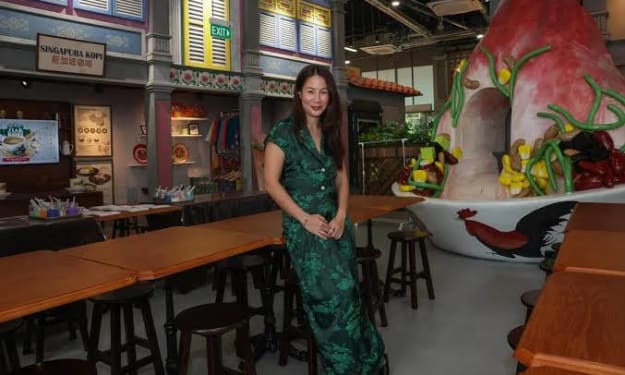
In a touching tribute to love, memory, and cultural heritage, a Singaporean widow has invested nearly $800,000 to establish a hawker culture experience centre dedicated to preserving and celebrating the vibrant food traditions that her late husband cherished throughout his life. The centre, which opened recently in Singapore, aims to provide visitors with an immersive journey into the country’s beloved hawker culture while honouring the legacy of a man who spent decades supporting local food vendors. The project was initiated by Lim Mei Hua, whose husband, Tan Wei Chong, passed away three years ago after a long illness. Tan was widely known among friends and family as a passionate supporter of traditional hawker stalls and frequently spent his weekends exploring different food centres across Singapore. According to Lim, the idea of creating a space dedicated to hawker heritage had long been one of her husband’s dreams. “He always believed that hawker culture was the heart of Singapore,” Lim said during the centre’s opening ceremony. “After he passed away, I wanted to do something meaningful that would keep his passion alive and allow future generations to understand why these traditions matter.” Singapore’s hawker culture is a cornerstone of the nation’s identity. The bustling open-air food centres, filled with vendors serving affordable and diverse dishes, reflect the multicultural roots of the country. In recognition of its cultural importance, UNESCO added Singapore’s hawker culture to its Representative List of the Intangible Cultural Heritage of Humanity in 2020. Lim’s experience centre is designed to showcase this heritage through interactive exhibits, live cooking demonstrations, and storytelling sessions led by veteran hawkers. Visitors can learn about the origins of iconic dishes such as Hainanese chicken rice, Laksa, and Char kway teow, while also exploring the personal journeys of the hawkers who prepare them. The centre includes a small exhibition gallery featuring photographs, kitchen tools, and handwritten recipes collected from hawker families across the city. Many of these items date back decades, offering a glimpse into how culinary traditions have been passed down through generations. One section of the centre recreates a traditional hawker stall environment, allowing visitors to experience what it feels like to work behind the counter during a busy lunch rush. Young participants can try their hand at simple cooking techniques while learning about the discipline and dedication required to master hawker cuisine. Local hawkers have warmly welcomed the initiative. Many worry that younger generations may be less interested in taking over family stalls, which often involve long hours and physically demanding work. By highlighting the cultural significance of these businesses, Lim hopes the centre will inspire renewed appreciation among the public. “Hawker food is not just about eating,” said veteran vendor Ong Kee, who participated in one of the centre’s demonstration sessions. “It’s about history, family, and community. Places like this help remind people why our traditions should continue.” Beyond cultural preservation, the experience centre also aims to support hawkers economically. A portion of ticket sales will be directed toward training programs for aspiring food vendors, helping them learn both traditional recipes and modern business skills. Lim believes this approach can help sustain the industry while adapting to changing times. Tourism officials in Singapore have also expressed optimism about the centre’s potential to attract international visitors interested in culinary experiences. Food tourism has become an increasingly important part of the country’s travel industry, with visitors eager to explore authentic local cuisine. For Lim, however, the centre’s true purpose goes far beyond tourism or business success. Every corner of the space reflects memories of her husband—his favorite dishes, the stalls he frequently visited, and the stories he loved to share. “Whenever I see people enjoying the exhibits or learning about hawker culture, I feel like his spirit is still here,” she said quietly. “This place is not just about the past. It’s about keeping something precious alive.” Through her remarkable gesture, Lim has transformed personal grief into a lasting tribute that celebrates love, heritage, and the enduring power of food to bring communities together. Her $800,000 investment ensures that the spirit of Singapore’s hawker culture—and the memory of the man who cherished it—will continue inspiring generations to come.
By Fiaz Ahmed 6 days ago in Feast



Comments
There are no comments for this story
Be the first to respond and start the conversation.