
Ancient Grains Making a Comeback in Modern Kitchens
Rediscovering nutritious, historic grains and their role in today’s food culture.

Ancient grains like quinoa, amaranth, farro, and spelt have been cultivated for thousands of years, long before modern wheat and rice became dietary staples. In recent times, these grains are experiencing a revival as people seek healthier, more diverse food options with rich cultural histories. Their unique flavors, textures, and nutritional profiles offer exciting alternatives for modern cooks. Let’s explore why ancient grains are making a comeback and how they fit into contemporary diets.
What Are Ancient Grains?
Ancient grains refer to cereal grains and seeds that have remained largely unchanged over centuries. Unlike common modern wheat and corn, they are minimally modified by selective breeding. Examples include quinoa from South America, farro and spelt from the Mediterranean region, and teff from Ethiopia.
These grains are prized for their nutritional density, often containing higher protein, fiber, vitamins, and minerals compared to refined grains. Their resilience to harsh growing conditions also makes them valuable for sustainable agriculture.
Nutritional Benefits of Ancient Grains
Ancient grains are rich sources of complex carbohydrates, plant-based protein, and dietary fiber, supporting sustained energy and digestive health. Many are gluten-free or contain less gluten than modern wheat, making them suitable for people with gluten sensitivities. They also provide important micronutrients such as magnesium, iron, zinc, and B vitamins essential for overall wellness.
Quinoa: The Protein Powerhouse
Quinoa is often called a “complete protein” because it contains all nine essential amino acids. Originating from the Andean region, it has become popular worldwide for its versatility and health benefits. Quinoa cooks quickly and can be used in salads, soups, pilafs, and even breakfast bowls.
Farro and Spelt: Ancient Wheat Varieties
Farro and spelt are ancient forms of wheat with nutty flavors and chewy textures. They have been staples in Mediterranean diets for millennia and are making their way into modern recipes like salads, risottos, and baked goods. Their hearty texture adds depth to dishes and makes them a favorite among whole-grain enthusiasts.
Teff: Ethiopia’s Tiny Grain with Big Impact
Teff is a tiny grain used to make injera, a sourdough flatbread central to Ethiopian cuisine. Despite its small size, teff packs a nutritional punch, being rich in protein, calcium, and iron. Its gluten-free nature makes it attractive to health-conscious eaters globally.
How Ancient Grains Fit into Modern Cooking
These grains offer exciting alternatives for people looking to diversify their diets beyond common staples like white rice and wheat. They add unique textures and flavors, whether in salads, porridges, breads, or side dishes. Many ancient grains are easy to cook and adapt well to various cuisines, making them accessible to home cooks and professional chefs alike.
Sustainability and Food Security
Ancient grains are often more resilient to drought, pests, and poor soil conditions compared to conventional crops. This resilience supports sustainable farming practices, conserving water and soil health. Their comeback also contributes to agricultural biodiversity, which is vital for global food security in the face of climate change.
Challenges and Considerations
While ancient grains offer many benefits, they may be unfamiliar to some consumers in terms of cooking methods and taste. Availability can also be limited or more expensive than common grains. Education and recipe development play key roles in helping people incorporate these grains into their diets successfully.
Final Thoughts
The resurgence of ancient grains reflects a growing interest in nutrition, sustainability, and culinary diversity. These grains connect us to agricultural traditions that span centuries and continents, offering food that nourishes body and soul.
By embracing ancient grains, we not only enrich our meals but also support more sustainable food systems and preserve cultural heritage. Whether you try quinoa in a salad or bake bread with spelt flour, these grains invite you to explore history and health on your plate.
About the Creator
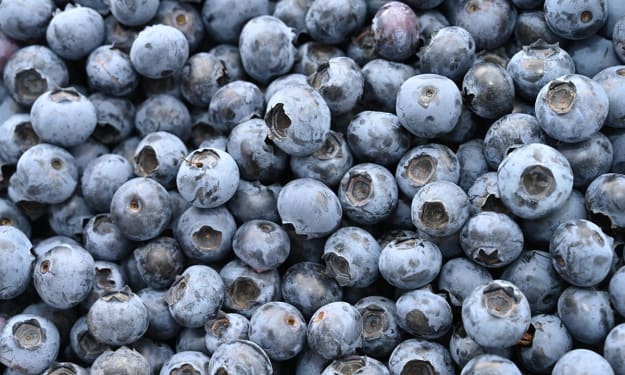
Frozen Blueberries Recalled: What Families Need to Know
You open your freezer to grab a handful of blueberries for a smoothie. It is part of your routine. Maybe you add them to oatmeal for your child before school. Maybe you bake them into weekend muffins. Frozen fruit feels safe. It feels simple. But then you see the headline: frozen blueberries recalled. Suddenly, that bag in your freezer does not feel harmless anymore. Questions rush in. Are they safe to eat? What brands are involved? What should you do next? Food recalls can be unsettling, especially when they involve everyday items. This article explains why frozen blueberries recalled announcements happen, what risks are involved, and how to protect yourself and your family without panic.
By Muqadas khan5 days ago in Feast
When the Shelter Closes
Across the street from my house, a man slept under a tree, his dog by his side. My first, naive thought: he must be traveling through. But he kept coming back, often sleeping there during the day. Then it hit me—that person might not have a home.
By Bride of Sound6 days ago in Humans



Comments
There are no comments for this story
Be the first to respond and start the conversation.