
Smoke and Sizzle: The Ultimate Guide to Outdoor Cooking
Cooking outside is fulfilling and has raw quality.

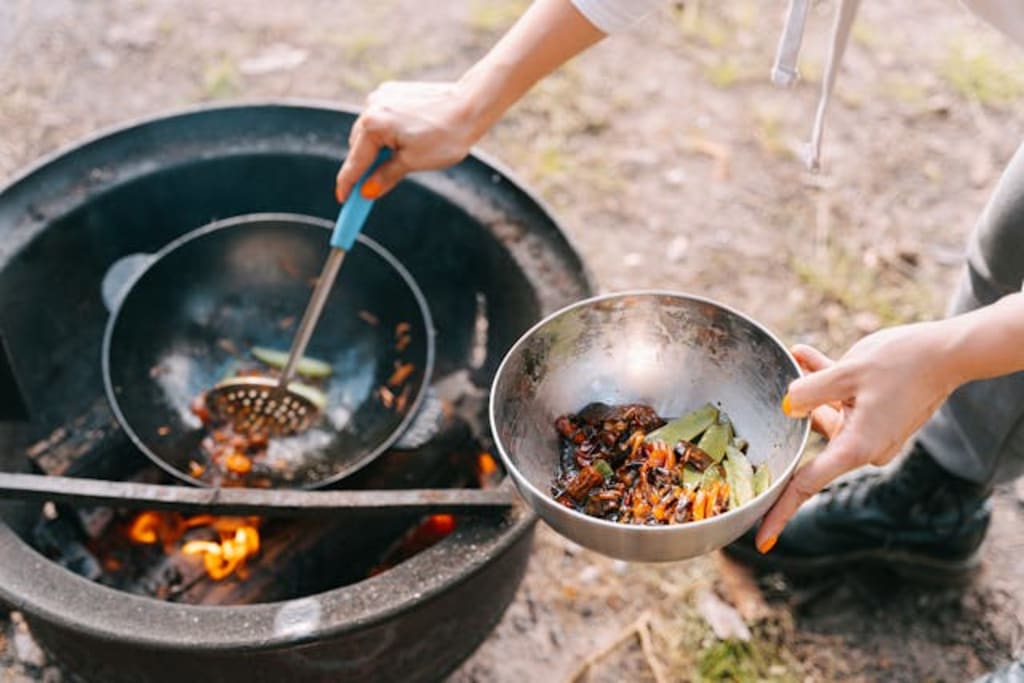
Cooking outside is fulfilling and has raw quality. Aside from cooking, there's nothing quite like the fragrance of food frying on a grill, the crackling of fire, and the open air. A campground feast under the stars or a weekend cookout in the backyard, outdoor cooking fosters a connection between people and food that indoor cooking will never match.
Mastering the Art of Charcoal Grilling
Many people consider charcoal grilling to be the pinnacle of outdoor cooking since it has a taste intensity that gas grills just can't equal. Choosing the appropriate charcoal is the first step in the process; lump charcoal and briquettes each have unique advantages in terms of heat and lifespan. Made entirely of wood, lump charcoal burns hotter and gives meals a naturally smokey taste. On the other hand, briquettes burn longer and provide a more even heat, which makes them perfect for grilling sessions when constant temperatures are needed for lengthy periods. The next important step is to manage the temperature after the charcoal has been fired. Precise cooking methods are made possible by the configuration of the coals, whether they are direct or indirect heat zones. Searing steaks or burgers over direct fire is the ideal way to get the desired browned outside and juicy within.
Elevating Outdoor Cooking with Griddles
Grill grates are no longer the only surface for outdoor cooking—griddles provide a level, sturdy surface that expands the options. A griddle, like HALO's flat top outdoor griddles, provides an equal cooking surface, which is perfect for delicate foods like pancakes, eggs, or fish filets that could otherwise break apart or adhere to the grill. This contrasts typical grills, where food is exposed directly to the flame. A grill's adaptability also makes it possible to cook whole meals in one location, such as flawlessly seared scallops and stir-fried veggies for supper or sizzling bacon and hash browns for breakfast.
Smoking: The Ancient Technique That Adds Depth and Flavor
One of the oldest cooking techniques ever discovered is smoking, which continues to be a favorite among outdoor cooks due to the rich, nuanced flavors it adds to food. It is a method of cooking food over a long time at low temperatures so that it may absorb the flavorful smoke from burning wood. Since every kind of wood provides a particular flavor character, choosing the right one is essential. Fruitwoods like apple and cherry produce a gentler, sweeter smoke that goes well with pork and poultry, while hickory and mesquite deliver powerful, assertive tastes that go well with red meats. Patience and meticulous attention to detail are necessary to get the ideal smoke.
The Versatility of Open-Fire Cooking
Probably the most basic and traditional method of outdoor cooking is cooking over an open flame. With only wood, fire, and perseverance needed, this approach provides many cooking options, ranging from grilling and roasting to baking and boiling. The ability to comprehend and control the fire itself is essential for efficient open-fire cooking. From the first flames to the glowing embers, the fire's varied phases provide differing amounts of heat that may be used for various cooking methods. For instance, a blazing fire works well for rapid, high-heat grilling, while a bed of burning embers produces consistent, uniform heat that works well for gradual roasting or baking. The variety of methods used in open-fire cooking is matched by the instruments utilized. The capacity of cast iron pots and pans to endure direct fire contact and distribute heat evenly makes them very desirable. While grills and grates provide a surface for searing and grilling, rotisseries and spatters enable even roasting of foods.
The Modern Convenience of Portable Outdoor Kitchens
The growing trend of outdoor cooking has led to a rise in demand for portable outdoor kitchens that provide both practicality and convenience. These all-in-one setups, which include a complete range of cooking equipment, storage, and preparation space in a small, portable unit, are intended to bring the conveniences of an indoor kitchen outside. Everything from grills and griddles to freezers and sinks can be found in portable outdoor kitchens, which eliminates the need to go back inside to prepare meals. This arrangement is especially useful for big parties or prolonged outdoor activities when having food prepared and served on-site increases convenience and pleasure.
Conclusion
Cooking outside is an experience that blends nature, fire, and taste into a singular and fulfilling ritual rather than merely a way to prepare meals. Every technique has advantages and disadvantages of its own, resulting in a gastronomic trip that is equally about the voyage and the destination.
About the Creator
Keep reading
More stories from Miranda Spears and writers in Feast and other communities.
Future of Aerospace Manufacturing: Innovations and Trends
Maintaining a competitive edge in a sector that is changing quickly, such as aircraft manufacturing, calls for ongoing innovation and a grasp of new trends. A constant search for efficiency, accuracy, and safety characterizes the aerospace industry, pushing businesses to investigate novel technology and cutting-edge approaches. Technological breakthroughs that are changing production methods, cutting costs, and enhancing product performance are reshaping the aerospace manufacturing industry. Manufacturers are adopting cutting-edge technologies to solve the difficulties of increased customization, speed, and sustainability in the business.
By Miranda Spearsabout a year ago in Earth
My Tous les Jours Trip
As someone who lives in a rural area, I don't get the chance to visit fancy restaurants or bakeries that often. So, when a friend told me about a French-Asian bakery that's less than an hour away, I knew I had to check it out and grab some pictures for social media. Tous les Jours ended up providing an immersive experience that went above and beyond my expectations--although I did leave with a few reservations.
By Kaitlin Shanks22 days ago in Feast
Kosher Food Market Size and Forecast 2025–2033
The global Kosher Food Market is entering a new phase of steady, sustainable growth, supported by rising consumer demand for certified products and heightened awareness of ethical, hygienic, and dietary standards. According to Renub Research, the market is expected to reach US$ 28.71 billion by 2033, up from US$ 21.89 billion in 2024, growing at a CAGR of 3.06% from 2025 to 2033. What was once viewed as a niche religious segment has transformed into a mainstream food category with universal appeal, attracting both Jewish and non-Jewish consumers who value transparency, safety, and responsible sourcing.
By Renub Research6 days ago in Feast
Silver Screen Magic with Mae West
American actress and singer Mae West became a popular film actress during the Great Depression. She started entertaining in vaudeville, then performed on Broadway, and finally went to Hollywood. She signed up with Paramount Pictures and made her debut in the 1932 film “Night After Night.” She also starred in musicals, comedies, and crime dramas. The American Film Institute named her one of the best classic Hollywood actresses.
By Rasma Raisters4 days ago in Geeks




Comments
There are no comments for this story
Be the first to respond and start the conversation.