
Pizza : Side Effects
Side effects of eating pizza

Pizza is undoubtedly one of the most popular foods globally. It's convenient, tasty, and often considered a quick meal option. However, while pizza might be a delicious treat, it's not always the healthiest choice. In this blog post, we'll explore the side effects of eating pizza, the ingredients that cause these effects, and some tips on how to make pizza healthier.
Side Effects of Pizza
Weight Gain: Pizza is usually high in calories, fat, and sodium. The crust is often made of refined flour, which has low nutritional value and high-calorie count. The toppings, such as cheese, meat, and processed meats, add extra calories, fat, and sodium to the pizza. Eating pizza regularly can contribute to weight gain and obesity, which increases the risk of other health problems.
Digestive Issues: Pizza contains lactose, which is a sugar found in milk products. People who are lactose intolerant might experience digestive issues such as bloating, gas, and diarrhea after consuming pizza. Additionally, pizza toppings such as onions, garlic, and spicy sauces can cause heartburn, acid reflux, and indigestion in some individuals.
High Sodium Content: Most pizzas contain high levels of sodium. The sodium in pizza is primarily from the cheese and processed meats, which are often used as toppings. High sodium intake can lead to high blood pressure, which increases the risk of heart disease, stroke, and other health problems.
Processed Meats: Pizza often contains processed meats such as pepperoni, sausage, and ham. Processed meats are high in fat and calories, and studies suggest that regular consumption of processed meats can increase the risk of cancer, heart disease, and other chronic conditions.
Refined Carbohydrates: The crust of a pizza is typically made from refined flour, which lacks the fiber and nutrients found in whole grains. Regular consumption of refined carbohydrates can increase the risk of obesity, diabetes, and other health problems.
Ingredients in Pizza that Cause Side Effects
Cheese: Cheese is a high-fat, high-calorie, and high-sodium food. It's one of the primary ingredients in pizza and is often used in excess. Cheese can contribute to weight gain and increase the risk of heart disease and other health problems.

Processed Meats: Processed meats such as pepperoni, sausage, and ham are often used as toppings in pizza. These meats are high in saturated fat, calories, and sodium, and studies suggest that regular consumption of processed meats can increase the risk of cancer, heart disease, and other chronic conditions.
Refined Flour: The crust of a pizza is usually made from refined flour, which lacks the fiber and nutrients found in whole grains. Regular consumption of refined carbohydrates can increase the risk of obesity, diabetes, and other health problems.
High Sodium Content: Pizza is often high in sodium, which can contribute to high blood pressure, heart disease, and other health problems.
High-Calorie Count: Pizza is typically high in calories, which can contribute to weight gain and obesity.
How to Make Pizza Healthier
Opt for a Thin Crust: Thin crust pizzas usually contain less refined flour and fewer calories than thicker crusts. You can also try whole wheat or cauliflower crusts for added nutrients and fiber.
Choose Healthier Toppings: Instead of processed meats, opt for lean protein sources such as chicken, shrimp, or vegetables. You can also choose low-fat cheese options and add more vegetables to increase the nutrient content of the pizza.
Limit Portion Sizes: Eating too much pizza can contribute to weight gain and other health problems. Limit your portion sizes to avoid consuming too many calories and too much sodium.
While pizza might be a favorite indulgence for many, it's important to be aware of its potential side effects. The high calories, fat, and sodium content, along with the use of processed meats and refined flour in many pizza recipes, can contribute to weight gain, digestive issues, high blood pressure, and other health problems.
However, with some mindful choices, you can still enjoy pizza in a healthier way. Opting for thin crusts made from whole grains or vegetables, choosing lean protein sources and low-fat cheese, and loading up on nutrient-rich vegetables can make a difference. Limiting portion sizes and making your own pizza at home can also give you more control over the ingredients and portion sizes, allowing you to make healthier choices.
It's important to remember that moderation is key. Enjoying pizza occasionally as part of a balanced diet is unlikely to cause significant harm. However, making conscious choices to minimize the potential side effects of pizza can help you maintain a healthy lifestyle.
Incorporating these tips can help you enjoy pizza in a more balanced way, reducing the risk of experiencing the side effects associated with excessive consumption. By being mindful of the ingredients and portion sizes, you can still savor the deliciousness of pizza while taking care of your health.
Remember, it's always wise to consult with your healthcare provider or a registered dietitian for personalized nutrition advice, especially if you have any specific health concerns or dietary restrictions. So, go ahead and enjoy your pizza, but do so in moderation and with awareness of its potential side effects.
About the Creator
Keep reading
More stories from Shanmuga Sundaram and writers in Feast and other communities.
Refined Oil : Side Effects
Refined oil is a widely used cooking ingredient in households and restaurants alike. Its high smoke point and neutral flavor make it a popular choice for frying and baking. However, the process of refining oil involves the use of chemicals, heat, and pressure, which can strip the oil of its natural nutrients and lead to the production of harmful compounds. In this blog post, we will discuss the potential side effects of consuming refined oil and explore healthier alternatives.
By Shanmuga Sundaram3 years ago in Feast
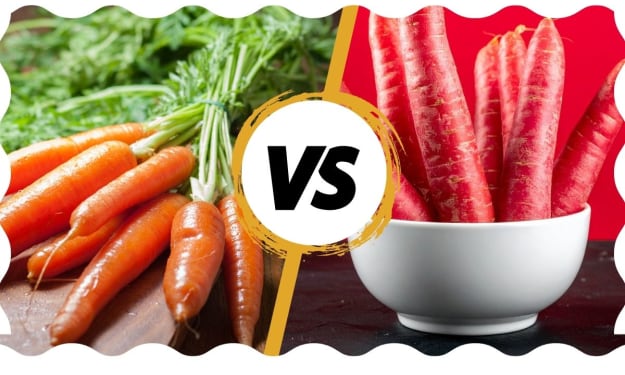
Orange vs Red Carrots
Carrots are among the most popular root vegetables around the world. They are widely appreciated for their natural sweetness, crunchy texture, and impressive nutritional value. While most people are familiar with orange carrots, many regions—especially in South Asia—also consume red carrots, particularly during winter. This often raises a common question: which carrot is better for health—orange or red?
By Stories Todaya day ago in Feast



Comments
There are no comments for this story
Be the first to respond and start the conversation.