
Refined Oil : Side Effects
Side Effects of Refined Oil

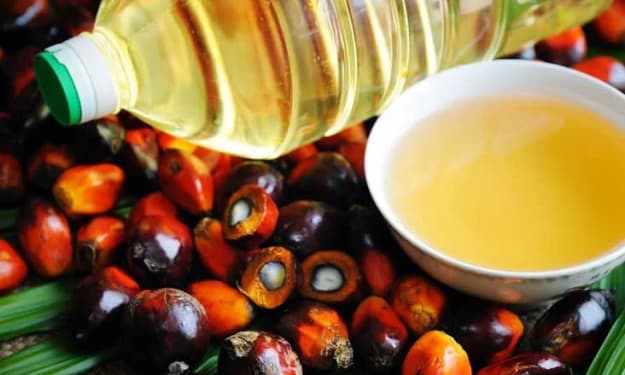
Refined oil is a widely used cooking ingredient in households and restaurants alike. Its high smoke point and neutral flavor make it a popular choice for frying and baking. However, the process of refining oil involves the use of chemicals, heat, and pressure, which can strip the oil of its natural nutrients and lead to the production of harmful compounds. In this blog post, we will discuss the potential side effects of consuming refined oil and explore healthier alternatives.
What is Refined Oil?
Refined oil is made by treating crude oil with chemicals, heat, and pressure to remove impurities and improve its appearance, flavor, and shelf life. This process involves several steps, including degumming, neutralization, bleaching, and deodorization. While this process removes impurities, it also removes natural nutrients and antioxidants present in the oil, making it less healthy than unrefined or cold-pressed oils.
Side Effects of Refined Oil Consumption
Increases the Risk of Heart Disease
Refined oil is high in saturated and trans fats, which can raise the levels of LDL (bad) cholesterol in the blood and increase the risk of heart disease. A diet high in refined oil has been linked to an increased risk of stroke, heart attack, and other cardiovascular diseases.
Promotes Inflammation
Refined oil is low in antioxidants and high in omega-6 fatty acids, which can promote inflammation in the body. Chronic inflammation has been linked to various health problems, including heart disease, diabetes, and cancer.
Affects Insulin Sensitivity
Refined oil consumption has been shown to reduce insulin sensitivity, which can lead to insulin resistance and an increased risk of type 2 diabetes.
Can Lead to Weight Gain
Refined oil is high in calories and can contribute to weight gain when consumed in excess. It also lacks the nutrients and fiber found in whole foods, which can leave you feeling hungry and lead to overeating.
May Contain Harmful Chemicals
The refining process can involve the use of harsh chemicals and solvents, which can leave residues in the oil. Some of these chemicals, such as hexane, have been linked to health problems, including nerve damage and cancer.
Healthier Alternatives to Refined Oil
Cold-Pressed Oils
Cold-pressed oils are extracted without the use of heat or chemicals, which helps to preserve their natural nutrients and flavor. Examples of cold-pressed oils include olive oil, coconut oil, and avocado oil.
Unrefined Oils
Unrefined oils are minimally processed and retain their natural flavor, color, and nutrients. Examples of unrefined oils include flaxseed oil, sesame oil, and peanut oil.
Ghee
Ghee, also known as clarified butter, is a popular cooking ingredient in Indian cuisine. It is made by simmering butter and removing the milk solids, leaving behind a pure fat. Ghee is rich in healthy fats and can be used for cooking at high temperatures.
Refined oil is a common ingredient in many households and restaurants, but its consumption can lead to several health problems. Its high levels of saturated and trans fats, low antioxidants, and omega-6 fatty acids can increase the risk of heart disease, promote inflammation, affect insulin sensitivity, and lead to weight gain. Choosing healthier alternatives such as cold-pressed or unrefined oils, or ghee, can help reduce the risk of these side effects while still enjoying the benefits of cooking with fats. So, the next time you reach for refined oil, consider swapping it out for a healthier alternative to keep your body happy and healthy.
About the Creator
Keep reading
More stories from Shanmuga Sundaram and writers in Feast and other communities.
Palm Oil : Side Effects
Palm oil is a vegetable oil derived from the fruit of the oil palm tree. It is widely used in food products, cosmetics, and even biofuels. While it is considered one of the most versatile and widely used oils in the world, there has been much debate surrounding the impact of palm oil production on the environment and human health.
By Shanmuga Sundaram3 years ago in Feast
Australia Fish and Seafood Market 2026: Sustainable Consumption, Aquaculture Growth & Premium Seafood Demand
Australia Fish and Seafood Market Australia’s fish and seafood market is expanding steadily as consumers increasingly prioritize high-quality protein sources and sustainable food options. Fish and seafood products—including salmon, tuna, shrimp, shellfish and other marine species—play a vital role in the Australian diet due to their nutritional value and culinary versatility. Growing awareness of seafood’s health benefits, particularly its omega-3 fatty acids, vitamins and minerals, is driving consumption across households, restaurants and foodservice channels.
By Amyra Singh6 days ago in Feast
Why Matar Paneer Is India’s Ultimate Vegetarian Curry
There are some dishes that do more than just satisfy hunger — they create memories. For many Indian families, Matar Paneer is one such dish. It is warm, comforting, and deeply rooted in North Indian cuisine. Whether served during a Sunday family lunch or at a festive gathering, this simple yet rich curry has a way of bringing people together.
By Gaurav Gupta8 days ago in Feast


Comments (1)
This blog provides valuable info into the health concerns of refined oils. Opting for cold pressed oils can make a real difference in maintaining a healthier lifestyle. Switching to cold pressed oils from Clover Nature Mills is a healthier choice for your body and well being https://clovernaturemills.com/product-category/organic-oils/