
One-Month Vegan Challenge: Can You Do It? Transform Your Health and Lifestyle
Ready to transform your health and habits? Discover the benefits, challenges, and ultimate rewards of the One-Month Vegan Challenge. Take the first step towards a healthier, plant-based lifestyle today!
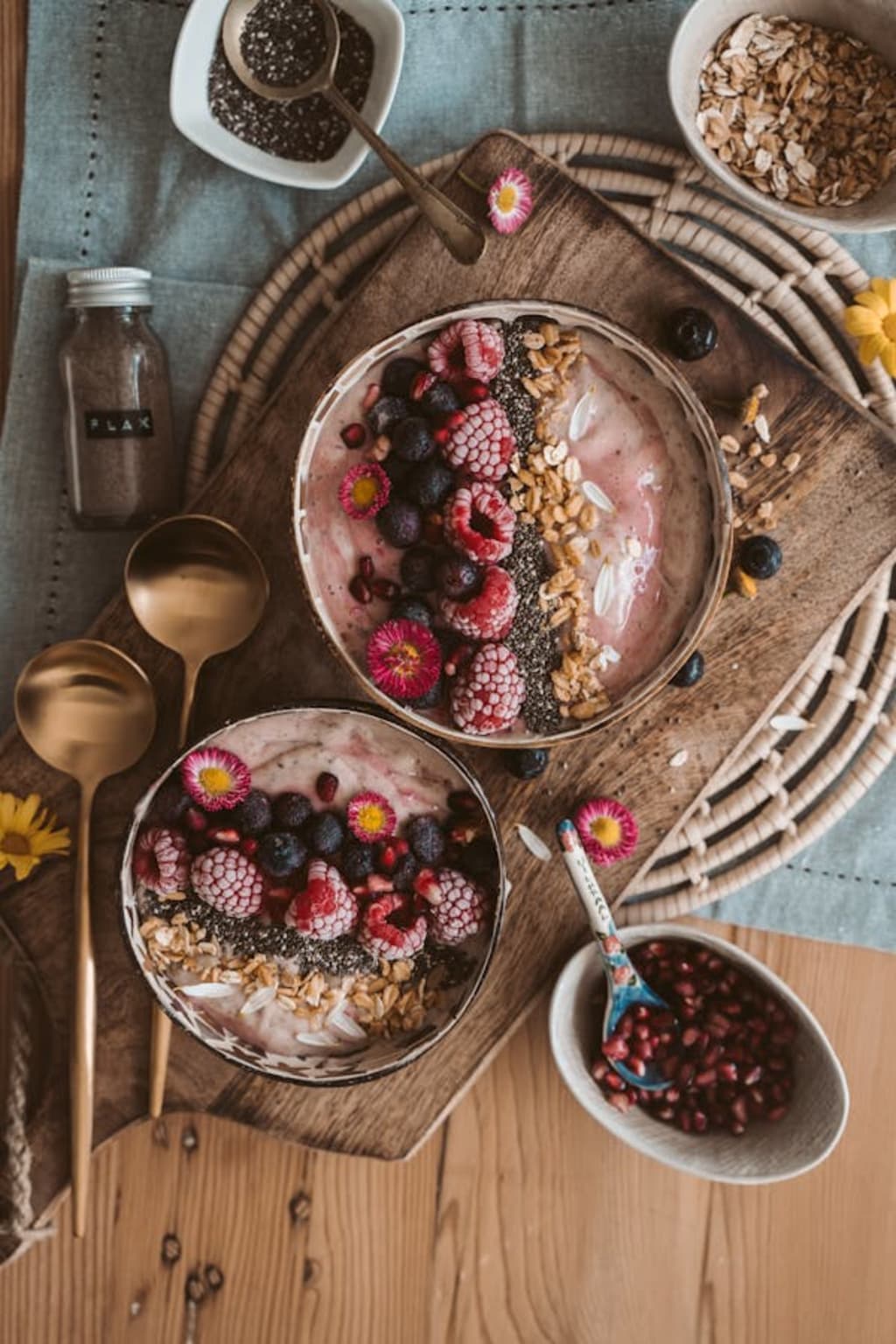
Thinking about a month-long vegan challenge? Great idea! Whether you’re doing it for your health, the animals, or the planet, going vegan for a month can be an eye-opening experience. But let’s face it—you probably have some questions and concerns. Is it hard? Can I do this if I can’t eat gluten? What if I don’t have time to cook every day? Here are the real answers to the real questions.
Is it hard to stick to a month-long vegan challenge?
Honestly, it depends on your mindset and preparation. The first few days can be tough if you’re used to eating meat, dairy, and eggs on a regular basis. You might find yourself reading ingredient labels more than usual or skipping your favorite meals. But most people say the challenge gets easier after the first week. Planning ahead, keeping snacks on hand, and finding vegan versions of your favorite foods make a big difference.
Try experimenting with new recipes and cuisines – vegan food isn’t just about salads! From curries and pastas to tacos and burgers, there’s a plant-based version of almost everything. The key? Don’t be too hard on yourself. Progress, not perfection.
Can I do this challenge if I don’t eat gluten?
Absolutely. A gluten-free vegan diet is completely doable. Many naturally gluten-free foods are already vegan: rice, quinoa, beans, lentils, fruits, vegetables, nuts and seeds. Just be careful with processed vegan products, which may contain gluten.
Be sure to read labels, or better yet – choose whole foods that don’t need a label. Gluten-free pastas, breads and flours are widely available these days. There are even gluten-free meal plans and vegan meal plans online if you need help getting started.
What if I don’t have time to cook every day?
Don’t worry – you don’t have to. Meal prepping can be your best friend. Set aside a few hours once or twice a week to prepare meals. Cook up a batch of soup, chili, curries, or grains that you can store in the fridge or freezer.
There are also plenty of vegan options to grab and go at grocery stores: hummus, tortillas, vegan frozen meals, pre-cut veggies, nut butters, and plant-based snacks. With a little planning, you can make it easy and stress-free. Even some fast food chains now offer vegan options.
Will I need any special supplements?
You can get most of the nutrients you need from a well-planned vegan diet. However, there are a few you should be aware of. Vitamin B12 is the most important one – you can’t get it from plant foods, so supplements or fortified foods are essential. Some people also take vitamin D, omega-3 (from algal oil), and iron, especially if they have specific health needs.
If you’re not sure, it’s worth consulting a nutritionist. But in general, many people are fine with a basic multivitamin and B12.
Will I get enough protein?
Yes! The idea that vegans don’t get enough protein is a myth. You can easily meet your protein needs with foods like:
• Lentils
• Chickpeas
• Tofu
• Tempeh
• Quinoa
• Nuts and seeds
• Plant-based protein powders (if needed)
By combining different sources throughout the day, you’ll get all the essential amino acids your body needs.
How much does it cost to follow the plan?
A vegan diet doesn’t have to be expensive. In fact, staples like rice, beans, oats, and vegetables are some of the most affordable foods in the grocery store. If you avoid expensive meat alternatives and focus on whole foods, you’ll likely spend less than you would on a meat-heavy diet.
However, specialty vegan products like cheese, snacks, and ready-to-eat meals can be prohibitively expensive. Use them as occasional treats rather than everyday staples, and your wallet (and body) will thank you.
Can I repeat the plan after the month is up?
Absolutely. Many people who try the vegan challenge for a month decide to continue. Even if you don’t stick to it 100%, you’ll likely end up eating more plants and less meat overall.
Some people like to do it every few months as a reset. Others turn it into a long-term lifestyle. Either way, it’s a win-win.
Conclusion
A month-long vegan challenge can seem daunting at first, but with the right mindset and a little preparation, it can be a fun and empowering experience. You'll learn a lot about food, your habits, and maybe even discover a new way of eating that you'll remember.
This article contains affiliate links; this is where you will get your products. This means I will get a commission when you do a purchase, which I would humble appreciate. This however does not mean your purchase cost will be added.
About the Creator
Keep reading
More stories from Jelena Stojanovic and writers in Feast and other communities.
Vegan vs. Keto: The Shocking Truth About These Diets You Need to Know
When it comes to choosing a healthy lifestyle and diet, two of the most talked-about options are the Vegan Diet and the Ketogenic (Keto) Diet. Both have passionate followers and are backed by different scientific claims. But which one is truly better? What are the key differences, advantages, and downsides? In this deep dive, we will explore everything you need to know about Keto vs. Vegan and reveal some shocking truths!
By Jelena Stojanovic12 months ago in Feast
Surprise! "Filled Up" Lemon Cupcakes
There are a few parts to this recipe so make sure you give yourself a bit of time and, make sure you have some baking beads available - they're usually used to blind bake a pie crust but you're going to need them for the cake here. You're also going to need some mini cupcake cases or extra greaseproof paper - this is about to get weird.
By Annie Kapur2 days ago in Feast
I Discovered A Better Way To Cook Cabbage
I recently posted this question on Facebook: I was surprised by some of the answers, especially about cabbage. Chicken: 40% Cabbage: 30% Salmon: 20% Others: 10% (including steak, crab cakes, fish, chili dogs, chicken salad, mac and cheese, cold cuts, potatoes, and ham)
By Margaret Minnicks4 days ago in Feast
Sometimes It's Like That and That'sThe Way It Is
It was the late 1960s, and ten-year-old Gloria Coleman was standing with her grandmother on the side of the highway waiting for the bus. As the Greyhound pulled up, it seemed monstrous and intimidating. Grandma Elizabeth grabbed Gloria's hand, holding it tightly as they boarded.
By Cheryl E Preston3 days ago in Fiction



Comments (1)
Going vegan for a month sounds like a worthy challenge. I've been there, and the first few days were rough when I cut out meat. But planning ahead really helped. If you're gluten-free, there are tons of options like you said. Whole foods are key. And for those short on cooking time, meal prepping is a game-changer. How do you think you'll handle these challenges if you decide to take on the vegan month?