
"Nourish Your Yang at Summer Solstice, Or Your Year’s Efforts Go to Waste!" Savor These 3 Warming "Yang-Boosting Soups" for Vitality & Wellness
"Nourish Your Yang at Summer Solstice, Or Your Year’s Efforts Go to Waste!" Savor These 3 Warming "Yang-Boosting Soups" for Vitality & Wellness
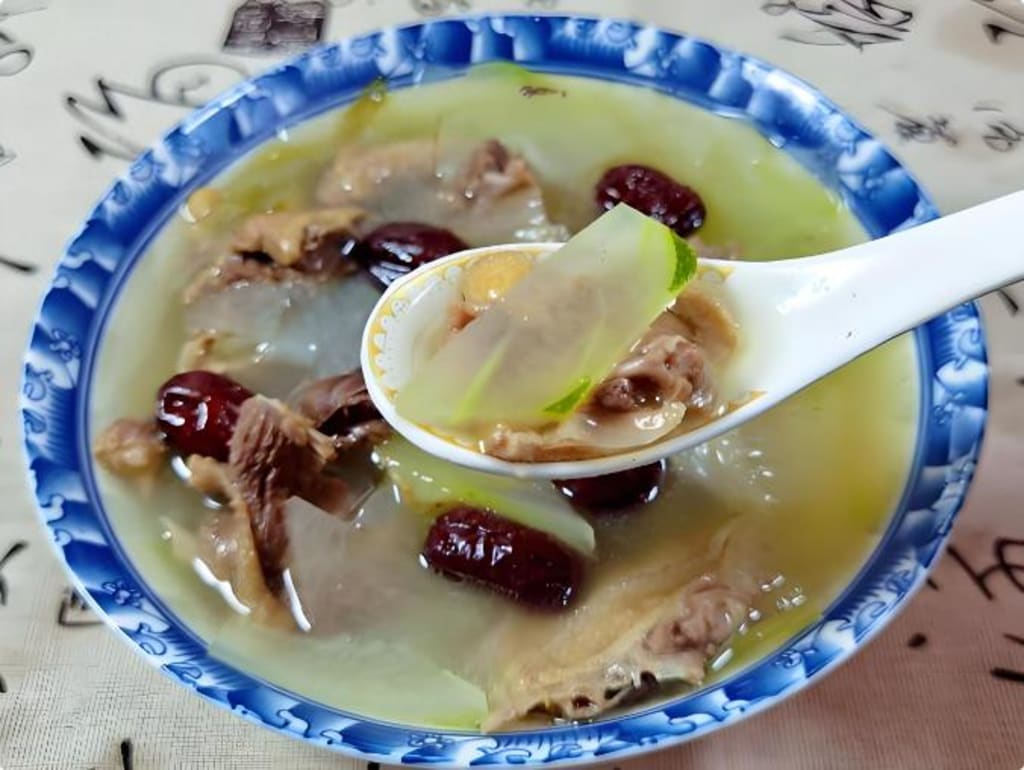
As the ancient wisdom profoundly reminds us: "If you miss nourishing your yang at the summer solstice, your whole year’s efforts might be in vain!" This "yang nourishment" isn’t about hugging a blazing stove; it’s about gently nurturing and protecting that precious, nascent spark of yang energy within your body. Simultaneously, it involves dispelling dampness, ensuring the harmonious functioning of your internal microcosm. During this pivotal seasonal shift, a carefully simmered pot of "Warming Yang-Boosting Soup" becomes an indispensable household treasure. It awakens the palate, warmly nourishes the spleen and stomach, and supports your vital yang energy. Today, we share with you three exceptional soups ideally suited for the days following the summer solstice. Rooted in homely cooking traditions, bursting with savory goodness, they’ll help you glide effortlessly through the humid, sweltering depths of summer!
I. Winter Melon, Red Date & Squab Soup
• Ingredients:

• 1 whole squab (pigeon) or 1/2, cleaned
• 500g winter melon
• 8-10 dried red dates (jujubes)
• Several slices of fresh ginger
• Salt to taste
• (Optional: Small splash of cooking wine for blanching)
• Homestyle Method:
1. Prep the Squab: Clean the squab thoroughly and chop into pieces. Place in a pot with cold water, add ginger slices and a splash of cooking wine (if using). Bring to a boil, then simmer for 2-3 minutes to blanch, removing any impurities and reducing gaminess. Drain, rinse the pieces well under cold water, and set aside.
2. Simmer the Base: Transfer the cleaned squab pieces to a clay pot or heavy-bottomed soup pot. Add ample fresh water (enough to cover by several inches), the ginger slices, and the rinsed red dates.
3. Slow Brew: Bring to a rolling boil over high heat, then immediately reduce to the gentlest possible simmer. Cover partially and let it bubble away patiently for 1 to 1.5 hours. This slow coaxing allows the essence and rich collagen from the squab to fully infuse the broth, creating a deeply nourishing base.
4. Add Winter Melon: While the soup simmers, prepare the winter melon. Peel it, remove the seeds and pith, and cut into slightly thick chunks. About 30 minutes before the end of the cooking time, add the winter melon chunks to the pot.
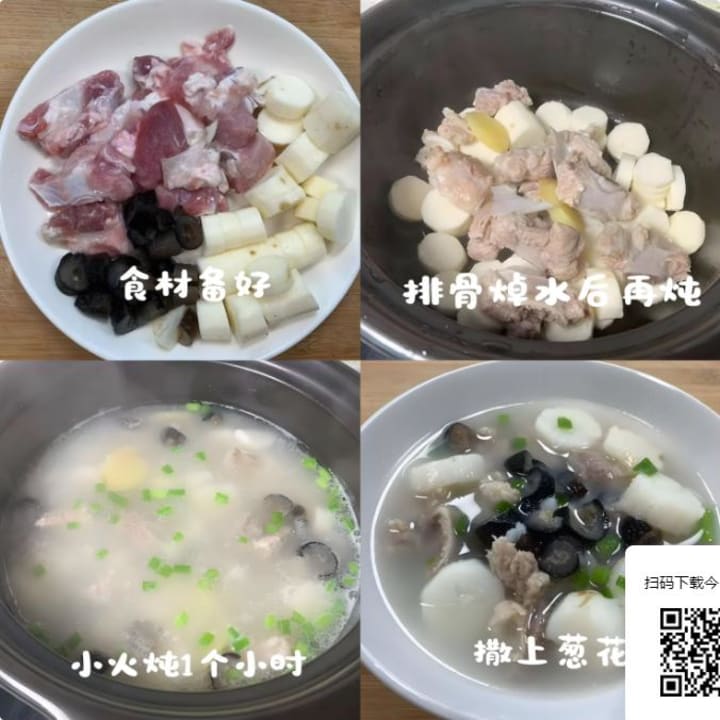
5. Final Touch: Continue simmering until the winter melon turns translucent and tender. Season with salt according to your family's preference. Give it a gentle stir, turn off the heat, and ladle the comforting soup into bowls. Enjoy its pure, soothing warmth.
• Why it Warms & Nourishes: Squab is prized in traditional medicine for its warming, yang-supporting properties and ability to replenish vital essence (Jing). Winter melon acts as a natural diuretic, helping to clear summer heat and drain dampness without being cooling to the core. Red dates sweeten the broth naturally and fortify the Spleen and Blood, while ginger provides gentle warmth and aids digestion. This soup beautifully balances nourishment with cleansing – fortifying yang while dispelling the oppressive dampness of summer, making it a cornerstone of solstice health.
II. Sea Cucumber, Chinese Yam & Pork Rib Soup
• Ingredients:
• 2-3 medium-sized sea cucumbers, fully rehydrated (or 30-40g dried, requiring several days of soaking/rinsing beforehand)
• 300g pork spare ribs (or pork neck bones)
• 1 root Chinese yam (approx. 250g, Dioscorea opposita)
• Several slices of fresh ginger
• 1 spring onion section (white part)
• Small splash of cooking wine (for blanching)
• Salt to taste
• Homestyle Method:
1. Blanch the Ribs: Chop the pork ribs into bite-sized pieces. Place in a pot with cold water, add ginger slices, the spring onion section, and a splash of cooking wine. Bring to a boil, simmer for 3-5 minutes to remove scum and impurities. Drain, rinse the ribs thoroughly under cold water, and set aside.
2. Build the Broth: Transfer the cleaned ribs to your soup pot. Cover generously with fresh water and add a few fresh ginger slices. Bring to a boil, then reduce heat to low. Cover partially and simmer gently for about 1 hour. This creates a rich, savory pork bone broth foundation.
3. Prep Sea Cucumber & Yam: While the ribs simmer, prepare the other ingredients. If using rehydrated sea cucumbers, slice them thickly or cut into chunks. Peel the Chinese yam carefully (its sap can be irritating to skin – use gloves or oil your hands) and cut into rolling chunks or thick slices. Rinse the yam pieces.

4. Add Yam: After the ribs have simmered for 1 hour, add the Chinese yam chunks to the pot. Continue simmering for another 20 minutes, or until the yam is tender but still holds its shape.
5. Add Sea Cucumber: Gently add the sea cucumber pieces to the pot. Simmer for only 5-10 minutes more. Crucial Note: Sea cucumber becomes tough and shrinks significantly if overcooked.
6. Season & Serve: Turn off the heat. Season the soup with salt to taste. Stir very gently to avoid breaking the tender yam and sea cucumber. Ladle into bowls and serve immediately, savoring the luxurious textures.
• Why it Warms & Nourishes: Sea cucumber is a revered tonic food, known for its exceptional ability to nourish Kidney yang and essence (Jing), replenish blood, and moisten dryness – making it perfect for countering summer's draining heat. Chinese yam is a superstar for Spleen and Stomach health, boosting Qi and stabilizing fluids. Pork ribs contribute rich flavor and nourish Yin. This combination creates a deeply fortifying, yet not overly heating, soup that targets core vitality, strengthens digestion weakened by summer dampness, and supports foundational energy reserves. It’s a potent, restorative brew.
III. Loach, Lotus Seed & Goji Berry Soup

• Ingredients:
• 250g fresh live loaches
• 30g dried lotus seeds (with cores removed)
• 15g dried goji berries (wolfberries)
• 1 small piece dried tangerine peel (Chen Pi) or small piece dried mandarin peel
• Several slices of fresh ginger
• Salt to taste
• 1-2 tbsp cooking oil (for frying loaches)
• Large handful coarse salt (for cleaning loaches)
• (Optional: 1 tbsp cornstarch or flour for cleaning)
• Homestyle Method:
1. Clean & Prep Loaches (Key Step): Place live loaches in a deep bowl. Generously sprinkle coarse salt over them and immediately cover the bowl tightly. Leave for 10-15 minutes until the loaches become still. This process helps remove much of their slippery mucus. Carefully rinse them under cold running water, rubbing gently to wash away salt and mucus. For thorough cleaning, toss them with cornstarch or flour, rub well, then rinse vigorously until water runs clear. Using kitchen shears, snip off the heads and carefully remove the innards. Rinse the cleaned bodies thoroughly inside and out. Pat very dry with paper towels. Heat a little oil in a wok or skillet over medium heat. Add ginger slices and stir until fragrant. Add the dried loaches and pan-fry for 2-3 minutes per side, until lightly golden and slightly firm. Set aside.
2. Prep Other Ingredients: Soak the lotus seeds in warm water for 20-30 minutes to soften slightly. Soak the dried tangerine peel in warm water for 10 minutes until pliable. Using a spoon, gently scrape off any white pith inside the peel (it can be bitter). Rinse and cut into thin strips or small pieces. Rinse the goji berries briefly and drain.
3. Combine & Simmer: Place the pan-fried loaches, soaked lotus seeds, prepared tangerine peel strips, and ginger slices into a soup pot. Cover generously with fresh water.
4. Slow Simmer to Richness: Bring to a boil over high heat. Skim off any initial foam that rises. Reduce heat to low, cover partially, and simmer gently for 40-50 minutes. The broth will gradually transform into a beautiful milky white or pale yellow hue, signifying the loach essence has been released.
5. Add Goji Berries: About 10 minutes before the end of cooking, add the rinsed goji berries.
6. Season & Serve: Once simmering time is complete, season the soup with salt to taste. Stir gently. Ladle the nourishing, slightly creamy broth into bowls, ensuring everyone gets some loach, lotus seeds, and berries.
• Why it Warms & Nourishes: Loach fish are traditionally valued for their powerful ability to tonify Qi, strengthen the Spleen and Kidneys, dispel dampness, and alleviate internal heat and dryness – making them uniquely suited for summer damp-heat conditions. Lotus seeds calm the spirit (Shen), strengthen the Spleen, and help secure Kidney essence. Goji berries nourish Liver and Kidney Yin and brighten the eyes. Tangerine peel (Chen Pi) regulates Qi, resolves phlegm and dampness, and enhances digestion. This humble soup is a powerhouse combination for boosting energy levels drained by summer humidity, improving digestive function, clearing dampness, and providing gentle, supportive nourishment without heaviness. Its milky broth is a testament to its concentrated goodness.
Embracing Seasonal Wisdom in a Bowl
These three distinct "Warming Yang-Boosting Soups," though rooted in accessible ingredients and homely kitchens, embody profound wisdom aligned with the rhythms of nature. Each offers its own character: the Winter Melon, Red Date & Squab Soup presents a refreshingly light and cleansing embrace, perfect for initial dampness. The Sea Cucumber, Chinese Yam & Pork Rib Soup offers deep, luxurious nourishment and fortification, targeting core vitality. The Loach, Lotus Seed & Goji Berry Soup provides a humble yet potent remedy specifically targeting summer's damp-heat and boosting flagging energy.
Together, they form a culinary shield, vigilantly guarding your family's precious yang energy during its most vulnerable seasonal transition. They work synergistically to dispel the pervasive, energy-sapping dampness characteristic of high summer, ensuring your digestive system – the crucial "central burner" – functions smoothly and comfortably even amidst the sweltering heat. By incorporating these soups into your post-solstice routine, you actively participate in the ancient practice of living in harmony with the seasons, turning simple nourishment into a powerful act of preventive health and holistic well-being. Remember, nourishing your yang at the summer solstice isn't just about avoiding being "white busy" (白忙) – it's about laying the foundation for vibrant health and sustained energy throughout the entire year. This tradition recognizes that the peak of summer light (yang) contains within it the seed of the returning darkness (yin), and supporting the body’s yang at this pivotal moment ensures a smoother transition into the cooler months ahead. It’s a testament to the holistic view of health in traditional practices, where food is truly medicine, and seasonal awareness is key to longevity. So, light the stove, fill your pot with wholesome ingredients, and simmer your way to resilience this summer.
About the Creator
My Tous les Jours Trip
As someone who lives in a rural area, I don't get the chance to visit fancy restaurants or bakeries that often. So, when a friend told me about a French-Asian bakery that's less than an hour away, I knew I had to check it out and grab some pictures for social media. Tous les Jours ended up providing an immersive experience that went above and beyond my expectations--although I did leave with a few reservations.
By Kaitlin Shanks24 days ago in Feast
Global Fruit Snacks Market Set to Double by 2033 as Healthier Snacking Takes Center Stage
Global Fruit Snacks Market Size & Forecast 2025–2033 The Global Fruit Snacks Market was valued at US$ 15.87 billion in 2024 and is expected to grow to US$ 30.25 billion by 2033, registering a strong CAGR of 7.43% during 2025–2033, according to Renub Research. This robust expansion is being driven by a powerful combination of changing consumer lifestyles, increasing health awareness, and the global shift toward convenient, naturally derived snack foods.
By jaiklin Fanandishabout 8 hours ago in Feast




Comments
There are no comments for this story
Be the first to respond and start the conversation.