
The Secret to Perfect Stir-Fried Luffa: Skip the Oil First!
The Secret to Perfect Stir-Fried Luffa: Skip the Oil First!
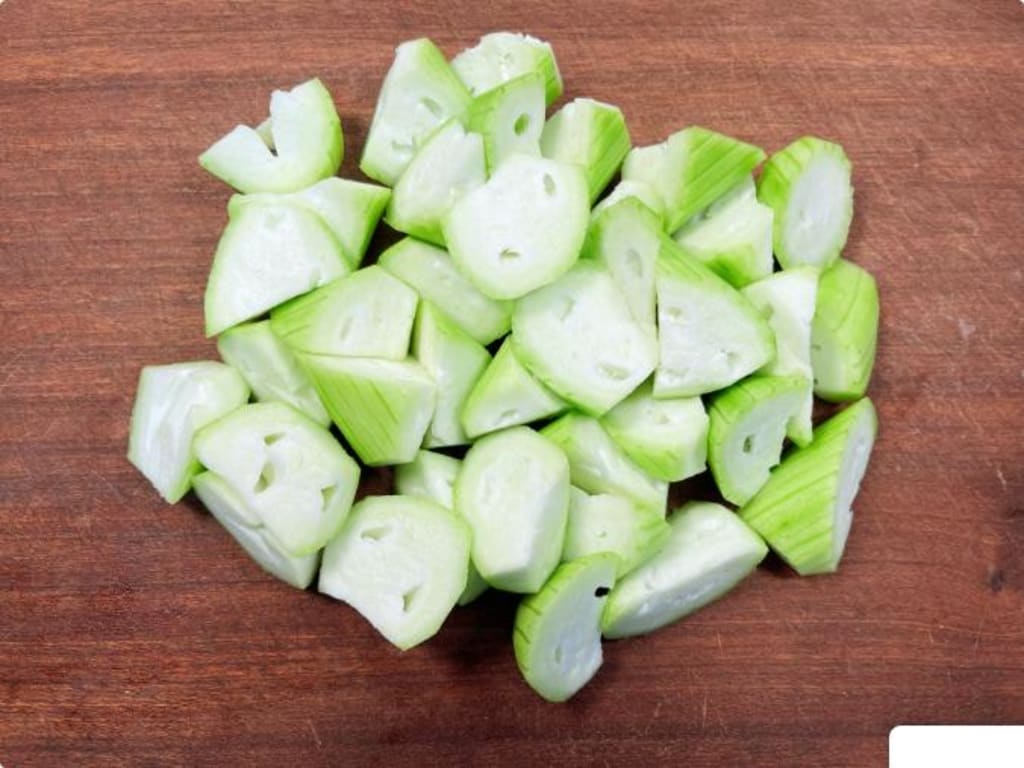
At the market, piles of jade-green luffa gourds gleam like sunlit streams in summer, tempting every passerby. Yet this refreshing vegetable often frustrates even seasoned cooks: the moment it hits the wok, its vibrant color fades into a murky gray-brown, drowning in watery juices that wash away its natural sweetness. The luffa becomes a soggy, unappealing mess—a far cry from the crisp delicacy it promised to be. Ironically, the traditional method—adding oil before the luffa—only seals its fate. High heat doesn’t lock in moisture; instead, it scorches the vegetable, accelerating discoloration and waterlogging.
Here’s the game-changing technique: Never add oil first!
Step 1: Dry-Sear for Vibrant Color
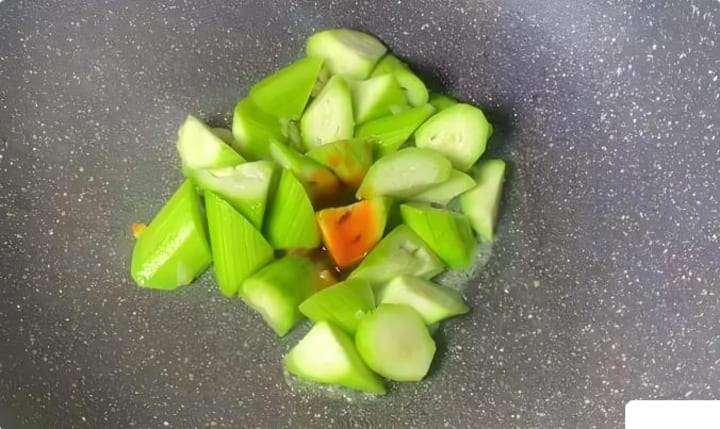
After washing, peeling, and cutting the luffa into roll-cut chunks or thick slices, heat a non-stick wok over medium heat until hot enough that a flick of water evaporates instantly—no oil yet. Add the luffa pieces immediately. They’ll dance across the dry surface with a gentle sizzle, freed from the tyranny of scorching oil. The dry heat swiftly "seals" the cut surfaces, neutralizing enzymes that trigger oxidation and discoloration.
Step 2: Release Excess Moisture
Stir-fry for 1–2 minutes. As the luffa softens, you’ll notice its edges turning lightly golden while steam rises from the wok—a sign it’s shedding excess water. This critical step "drains" the vegetable’s internal moisture, preventing a soggy disaster later.
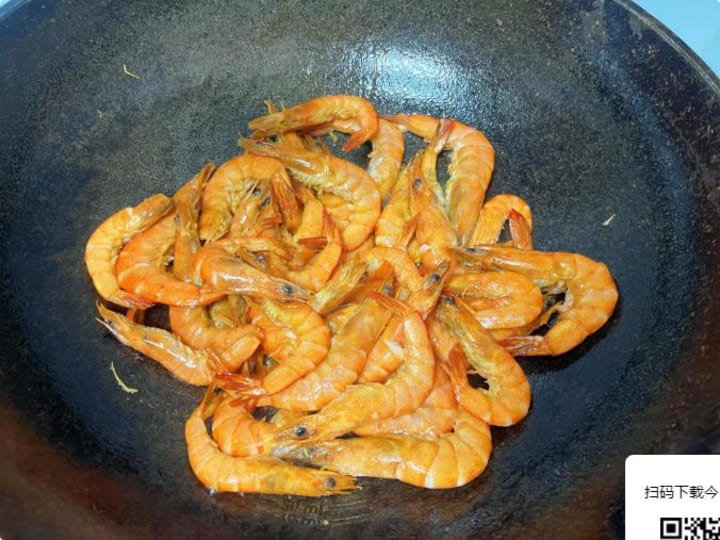
Step 3: Oil for Shine & Flavor Lock
Once the luffa is tender with caramelized edges and the steam dissipates, now add oil. Drizzle in just enough cooking oil to coat the pieces. A lively sizzle erupts as you toss everything swiftly. The oil forms a glossy shield around each chunk, locking in sweetness, crispness, and that dazzling emerald hue.
This "reverse stir-fry" method—dry-searing before oiling—solves both discoloration and waterlogging.
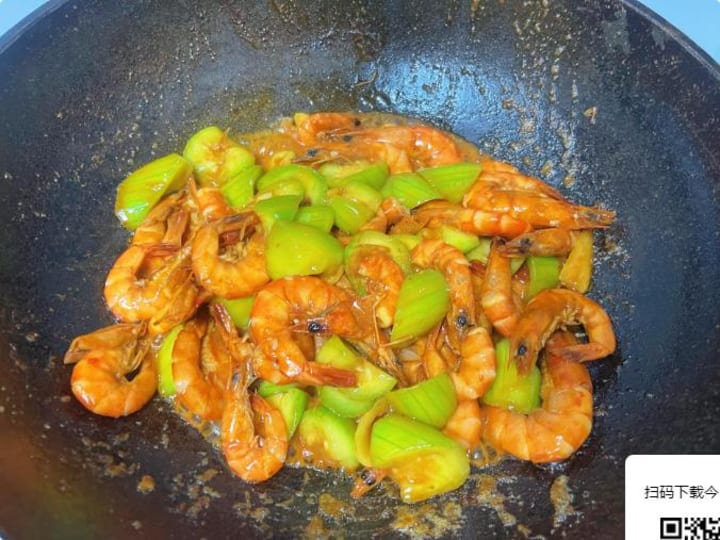
Upgrade: Luffa Stir-Fried with Shrimp
Ingredients:
• 500g fresh luffa
• 200g shrimp, peeled (tails on)
• 1 tbsp Shaoxing wine
• ½ tsp white pepper
• 3 cloves garlic, minced
• Salt to taste
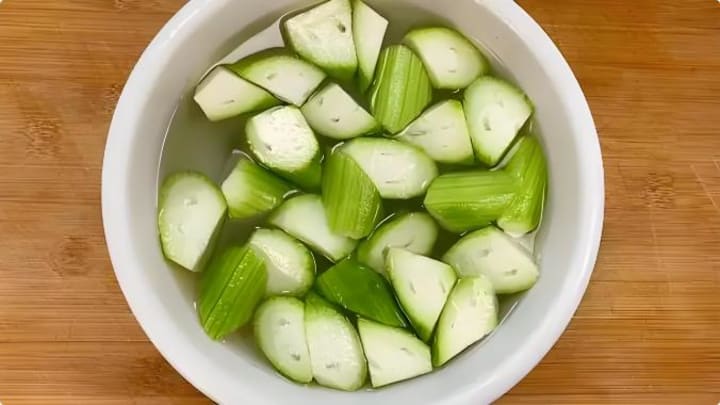
• 1 tsp oyster sauce (optional)
• 2 tbsp cooking oil
• 1 tsp hot water
Method:
1. Prep & Marinate Shrimp:
Devein shrimp and toss with Shaoxing wine and white pepper. Set aside for 10 minutes.
2. Sear Shrimp:
Heat 1 tbsp oil in a wok over medium-high. Add shrimp and stir-fry until curled and pink (about 90 seconds). Remove immediately to preserve tenderness.
3. Dry-Sear Luffa:
In the same wok (no extra oil), add luffa chunks. Dry-sear over medium heat for 2 minutes until edges caramelize and moisture evaporates.
4. Unite & Season:
Push luffa aside, add remaining oil and minced garlic to the center. Sauté until fragrant. Return shrimp to wok. Toss everything together. Season with salt and oyster sauce (if using). Drizzle hot water along the wok’s edge—just enough to meld flavors, not to boil. Stir-fry 15 seconds over high heat until sauce glazes ingredients. Serve immediately.
Why This Works: The Science Behind the Sizzle
Luffa’s high water content and polyphenol oxidase enzymes make it prone to graying and mushiness. Direct oil exposure amplifies heat shock, rupturing cells and releasing water. Dry-searing first:
1. Denatures enzymes at 60–80°C, halting oxidation.
2. Evaporates surface moisture, ensuring later oil contact creates a crisp barrier.
3. Triggers Maillard reaction at edges, adding nutty depth.
Adding oil after searing coats luffa in a hydrophobic layer, shielding it from steam and preserving texture. This technique works wonders for other watery veggies (e.g., zucchini, eggplant).
Serving & Pairing
Serve this luffa-shrimp stir-fry over jasmine rice or alongside steamed fish. Garnish with toasted sesame seeds or cilantro. For wine pairings, opt for a citrusy Sauvignon Blanc to cut through the dish’s delicate sweetness.
Nutrition Spotlight
Luffa is rich in vitamin B5 (energy metabolism), vitamin C (immunity), and manganese (bone health). Its mucilage soothes digestion, while shrimp adds lean protein and selenium. Together, they create a dish that’s light yet deeply nourishing—a harmony of flavor and wellness.
Cultural Note: Luffa’s Legacy
Beyond the wok, luffa has woven itself into traditions worldwide. In China, it’s praised in summer for its "cooling" properties. In the Philippines, young luffa (patola) stars in sour broths. When mature, its fibrous skeleton becomes the bath sponge found globally—a testament to its versatility.
Final Tip: Choosing Perfect Luffa
Select firm, heavy gourds with unblemished skin. Avoid any with soft spots or dull color. Store unpeeled in the fridge’s crisper drawer; use within 3 days for peak freshness.
Embrace this oil-reversal trick, and watch luffa transform from a kitchen foe into a crown jewel of your table—crisp, sweet, and radiantly green. It’s not just cooking; it’s culinary alchemy.
**
About the Creator
My Tous les Jours Trip
As someone who lives in a rural area, I don't get the chance to visit fancy restaurants or bakeries that often. So, when a friend told me about a French-Asian bakery that's less than an hour away, I knew I had to check it out and grab some pictures for social media. Tous les Jours ended up providing an immersive experience that went above and beyond my expectations--although I did leave with a few reservations.
By Kaitlin Shanks22 days ago in Feast
Gluten-Free Food Market Outlook: Growth, Innovation, and the Future of Clean Eating
Introduction: A Market That Has Moved Beyond Niche What was once a narrow category aimed at people with celiac disease has rapidly evolved into one of the most dynamic segments of the global food industry. Gluten-free foods are no longer limited to medical shelves or specialty stores—they now occupy prominent space in supermarkets, cafés, online platforms, and even fine dining menus.
By Marthan Sir5 days ago in Feast



Comments
There are no comments for this story
Be the first to respond and start the conversation.