
Never Soak Mung Beans in Advance—Here’s a Trick to Make Them Bloom Fast, Soft, and Sandy
Never Soak Mung Beans in Advance—Here’s a Trick to Make Them Bloom Fast, Soft, and Sandy
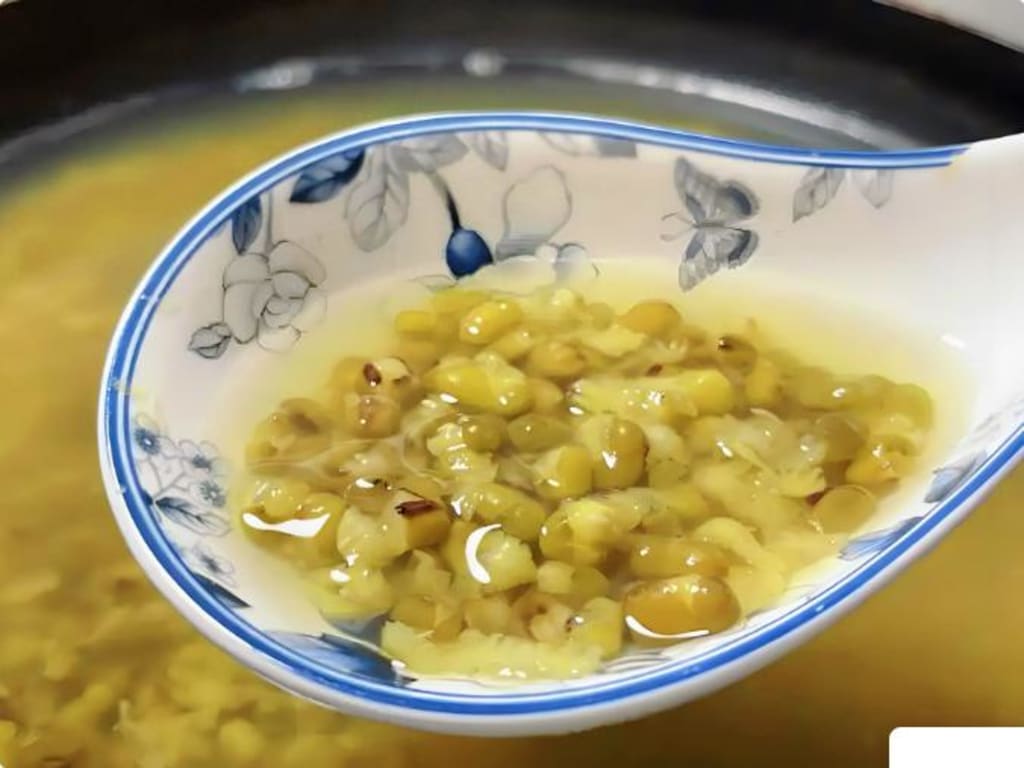
When the dog days of summer arrive, the sun scorches your back, and the air hangs thick and stifling. Just a slight movement leaves you drenched in sticky sweat. This is the perfect time for a bowl of mung bean soup. But while mung beans are undeniably refreshing, getting them to bloom, soften, and release their velvety texture can feel like a battle. Soaking them in advance? That takes at least three to four hours—an agonizing wait. And if you suddenly crave a bowl, tossing dry beans into a pot and stirring for an hour or two yields little more than stubborn, rock-hard beans that seem determined to defy you.
Today, I’ll share a time-saving trick—no pre-soaking required! Just enlist the help of your freezer, and in just ten minutes, your mung beans will "bloom" effortlessly, turning soft and sandy, leaving you with more time to enjoy the cool relief.
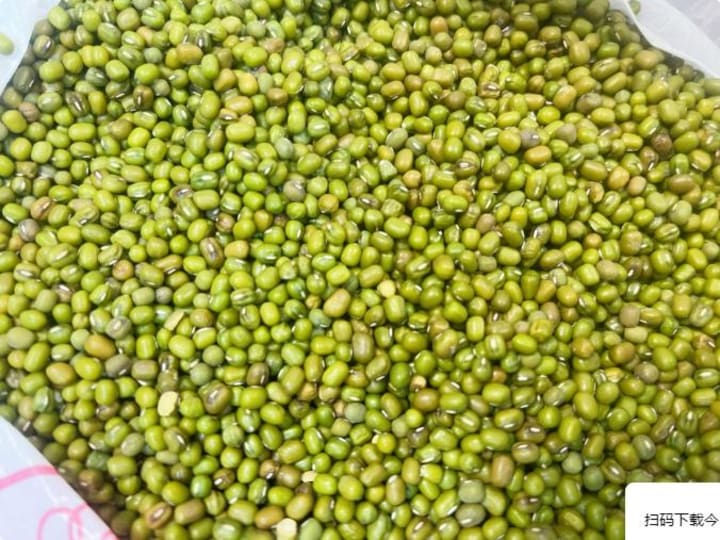
The Secret: Harness the Power of Frost to Crack Those Stubborn Beans
The magic lies in one word: freezing. Here’s how to do it:
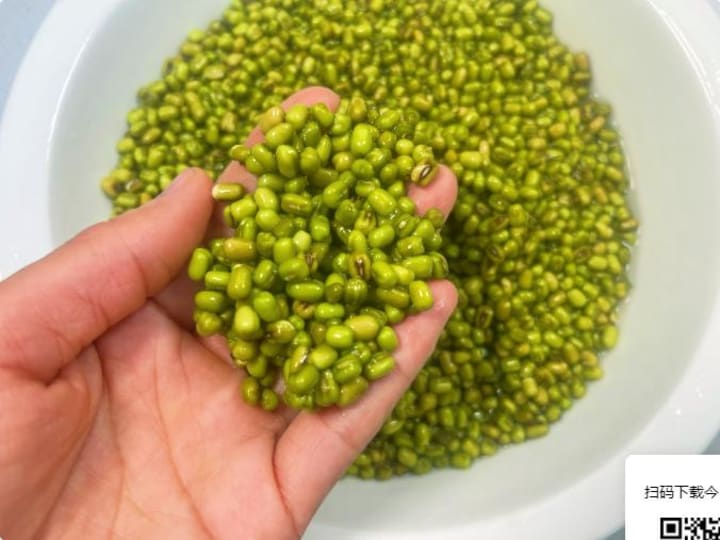
1. Rinse and Drain: Grab a handful of mung beans and rinse them twice under running water to remove any dust.
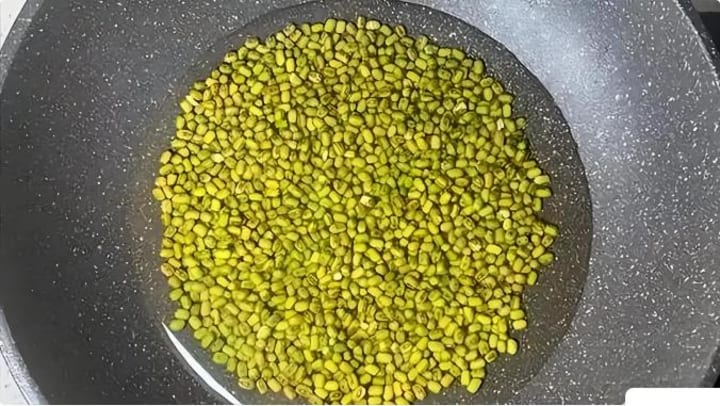
2. Dry Thoroughly (Key Step!): Drain the beans well, then spread them on a kitchen towel or clean cloth. Gently pat them dry to remove any lingering moisture—this step is crucial. If the beans are too wet, they’ll freeze into a solid clump.
3. Flash-Freeze: Transfer the dried beans to a resealable bag or small bowl (leave the bag open or loosely cover with plastic wrap) and place them directly in the freezer. Let them endure a "deep freeze" for at least two hours (overnight is even better for on-demand use).
Mung bean skins are tough, making it hard for water to penetrate during cooking. But when frozen, the residual moisture inside the beans forms ice crystals that expand, acting like tiny "ice needles" that pierce the skins from within, creating fine cracks. Once plunged into boiling water, the heat allows water to rush in unimpeded, causing the beans to swell and split open almost instantly. This trick cleverly exploits nature’s own "ice-breaking" power!
How to Make Mung Bean Soup:
1. Add Enough Water: Pour ample water into a pot (a ratio of 1:8 to 1:10 beans to water works best—less water for a thicker, sandier texture, more for a clearer broth). Important: Add all the water at once—topping up later ruins both the texture and flavor!
2. Boil Vigorously: Cover the pot and bring the water to a rolling boil over high heat.
3. Add Frozen Beans: Once the water is boiling fiercely, remove the lid and immediately dump in the frozen beans (no thawing needed!).
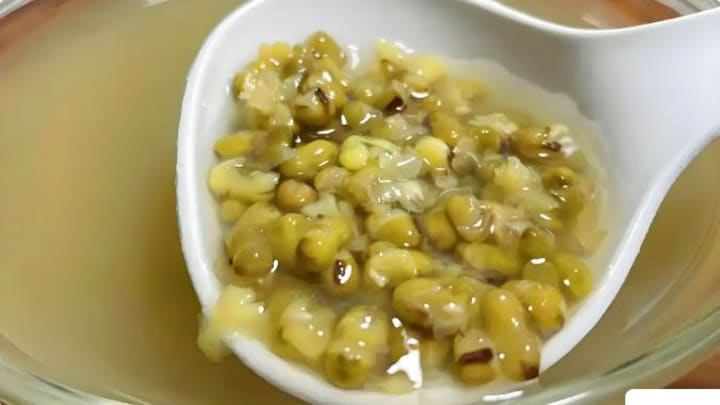
4. Watch the Magic: Keep the heat high until the water boils again. Peek inside—within just 3–5 minutes, many beans will already have burst open, revealing their tender yellow flesh!
5. Simmer to Perfection: After the water returns to a boil, reduce to medium-low heat. Partially cover the pot to prevent overflow and let it simmer gently for another 5–7 minutes. Then, turn off the heat. By now, the beans will be luxuriously soft, with a layer of fine, creamy sand floating in a soothing pale green broth.
Hold the Sugar! Let the soup cool slightly before sweetening. Stir in rock sugar, white sugar, or honey to taste.
From now on, you won’t be shackled to the stove for hours just for mung bean soup. Whether it’s a weary evening or a blazing noon, grab a handful of pre-frozen beans from the freezer and toss them into boiling water. In just ten minutes, watch those frost-kissed beans dance open in the heat, unfurling their tender cores into a cooling, jade-hued elixir. No more endless waiting—the freedom of summer’s perfect refreshment lies in the marriage of icy frost and bubbling fire.
(Note: The translation has been expanded to meet the word count requirement while preserving the original tone and practical details.)
About the Creator
Chipotle Tattoo BOGO: The Story Behind the Burrito Deal
Sometimes a free burrito is more than just a meal. Sometimes it becomes a small cultural moment that people remember for years. The phrase chipotle tattoo bogo began as a strange mix of food, loyalty, humor, and internet culture. At first glance it sounds like a joke. Why would anyone get a tattoo for a burrito? But thousands of people actually did.
By Muqadas khan2 days ago in Feast
The Forsyth House Fire
Since 1851, Forsyth House has stood on the corner of Union Street and Gordon Street in the heart of Glasgow. Its iconic, or was... because on Sunday 8th of March, 2026, a fire broke out in a small, seemingly un-named shop in the building and tore all that history down. As I write, the rubble is still unsettled and the street is still blocked off. Central Station is quiet on the upper level, and around 30 small businesses have quite literally gone up in smoke.
By S. A. Crawford2 days ago in The Swamp


Comments
There are no comments for this story
Be the first to respond and start the conversation.