
More Than Just a Sip: The World’s Most Flavorful Teas and Their Origins, Teas Lover Must Try It
How one plant gave birth to a rainbow of flavors across the globe

All Tea Comes from One Plant
Surprisingly, almost all the teas we drink today — black, green, white, oolong — come from the same plant: Camellia sinensis. What makes them different is how the leaves are treated after they’re harvested. For example, black tea is fully oxidized, which gives it that bold, dark taste. Green tea is steamed or pan-fired right after plucking to prevent oxidation, giving it a lighter, more refreshing flavor. White tea is the least processed and comes from young buds, making it the most delicate in both color and taste.
The process matters more than the plant itself. This simple fact laid the foundation for all the tea flavors that came after.

Chai: India’s Spiced Tea Tradition
In India, tea became something more than just leaves in water. Locals created masala chai by adding a blend of warming spices — cinnamon, cardamom, cloves, ginger, and pepper — to black tea, and simmering it with milk and sugar. The result is creamy, spicy, and aromatic.
Chai isn’t just a drink in India; it’s part of daily life. From roadside stalls to train stations, chai is everywhere. It’s shared during conversations, business meetings, and family time — a true symbol of warmth and hospitality.

Earl Grey: A Touch of British Sophistication
Named after a 19th-century British Prime Minister, Earl Grey is black tea infused with the oil of bergamot, a citrus fruit that tastes like a mix of lemon, orange, and floral notes. It’s one of the most popular flavored teas in Europe and beyond.
Earl Grey is often associated with British culture, tea parties, and elegant settings. Its floral-citrusy aroma makes it a refined choice for those who enjoy a light twist in their cup without overwhelming the base tea flavor.

Matcha: Japan’s Ceremonial Powerhouse
Matcha is a finely ground powder made from specially grown green tea leaves. These leaves are shaded before harvest to increase chlorophyll, resulting in the vibrant green color. Unlike regular tea, matcha is whisked into hot water, meaning you consume the entire leaf — not just the steeped essence.
Matcha is earthy, creamy, and slightly bitter, often used in traditional Japanese tea ceremonies. Today, it's also found in desserts, lattes, and smoothies across the globe, showing how a centuries-old tradition can still find its place in modern life.

Fruity Teas: Nature’s Sweet Infusions
Fruit-flavored teas are a favorite for many people, especially those looking for something caffeine-free. These blends often combine dried fruits like peach, apple, mango, or berries with herbs or tea leaves to create a naturally sweet, refreshing drink.
Some fruity teas include real fruit chunks, while others use natural flavor extracts. They can be served hot or iced, and their colorful appearance makes them as pretty as they are tasty.

Hibiscus and Rose: The Rise of Floral Teas
Flowers aren’t just for gardens — they’ve made their way into teacups too. Hibiscus tea, made from the dried petals of the hibiscus flower, has a deep red color and tart, cranberry-like taste. It’s especially popular in warm regions like the Caribbean and Africa, often served chilled.
Rose tea, on the other hand, is soft and romantic. Made from dried rosebuds or petals, it offers a subtle floral fragrance and light, soothing taste. It’s often used in afternoon tea blends, adding elegance to every sip.

Bubble Tea: A Trend That Took Over the World
Also known as boba, bubble tea began in Taiwan during the 1980s. It started as a sweet milk tea with chewy tapioca pearls at the bottom. But it didn’t stop there. Over time, flavors exploded — from classic black milk tea to taro, matcha, brown sugar, honeydew, and even Oreo or cheesecake blends.
Bubble tea is now a worldwide phenomenon, with dedicated shops in nearly every major city. It’s popular not just for its taste, but for its aesthetic — colorful drinks, wide straws, and that signature “bubble” texture.

Roasted Teas: Hojicha and Genmaicha
In Japan, roasting tea leaves creates completely new flavor profiles. Hojicha is green tea roasted until the leaves turn brown, resulting in a warm, nutty, and slightly smoky taste. It’s naturally low in caffeine and often enjoyed in the evenings.
Genmaicha, meanwhile, is a blend of green tea and roasted brown rice. Some of the rice even pops during roasting, giving it a popcorn-like aroma. This tea has a toasty, savory flavor and is known as the “people’s tea” in Japan due to its humble beginnings.

Thai Milk Tea and Regional Variations
In Thailand, tea takes a bold, sweet turn. Thai milk tea is made with strong black tea, sugar, and condensed milk — giving it a creamy texture and bright orange color. It’s usually served over ice and often enjoyed as a street drink.
Around the world, many countries have their own tea traditions and flavor combinations. Moroccan mint tea is green tea with fresh mint and lots of sugar. Turkish tea is strong and black, served in tulip-shaped glasses. These versions show how tea has adapted to local preferences.

Creative Flavors for a New Generation
Modern tea blenders have pushed the boundaries even further. Today, you can find teas flavored with chocolate, chili, coconut, lychee, and even lavender vanilla. These unique blends appeal to adventurous drinkers who enjoy experimenting with taste.
Many of these teas are created by combining base leaves with natural ingredients or safe flavor extracts. While some purists may prefer traditional styles, these new blends prove that tea is a living tradition — constantly growing, changing, and evolving.
Real Ingredients vs. Flavoring Agents
Not all flavored teas are made the same way. Some use real ingredients — flower petals, fruit pieces, whole spices. Others rely on natural or artificial flavoring agents to simulate taste. Both have their place in the tea world.
Higher-quality teas usually highlight the use of real elements, while mass-market teas may use flavoring for cost and consistency. Neither is wrong, but knowing what’s in your cup can help you choose based on your preferences.
Terroir: How Place Affects Taste
Tea’s flavor can change based on where it’s grown. Climate, soil, altitude, and farming methods all contribute to what’s called terroir. For example, Darjeeling tea from India has a muscatel grape-like taste, while Yunnan tea from China is more earthy and malty.
These subtle differences mean that even two teas of the same type can taste completely different — a reminder of how deeply connected tea is to the land it comes from.
The Most Expensive Tea in the World
Believe it or not, some teas are worth more than gold. Da Hong Pao, a rare oolong from China’s Wuyi Mountains, is one of the most expensive teas ever sold — fetching over $1,000 per gram. This tea is made from centuries-old mother bushes and is only harvested in small quantities.
The flavor is deep, roasted, and complex, and the tea is usually reserved for collectors or cultural ceremonies. It’s proof that tea, for some, is not just a drink — it’s a luxury.
Why We Keep Coming Back to Tea
Flavored teas aren’t just about taste — they’re about expression. Every blend tells a story. Whether it’s a cup of rose tea sipped on a quiet afternoon or a bubble tea shared with friends, tea has the power to create moments.
From ancient ceremonies to modern cafes, from spicy chai to fruity tisanes, tea continues to evolve — not just because it tastes good, but because it brings people together.
Tea isn’t just a drink. It’s a journey — one that starts with a single leaf, but ends in endless flavor.
About the Creator
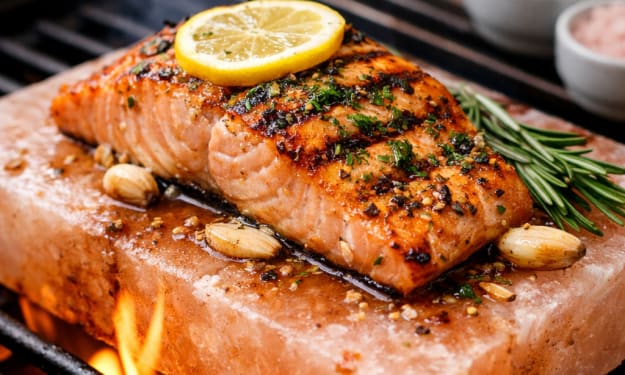
Grilled Salmon on Himalayan Pink Salt Bricks: Extraordinary Taste
That smoky piece of grilled salmon? People love how it tastes, full and hearty, yet light on the body thanks to good fats. Still, nailing the taste at home trips up plenty - too much salt shows up fast, or worse, the flesh turns stiff and parched before it's done.
By Hendra Edward3 days ago in Feast
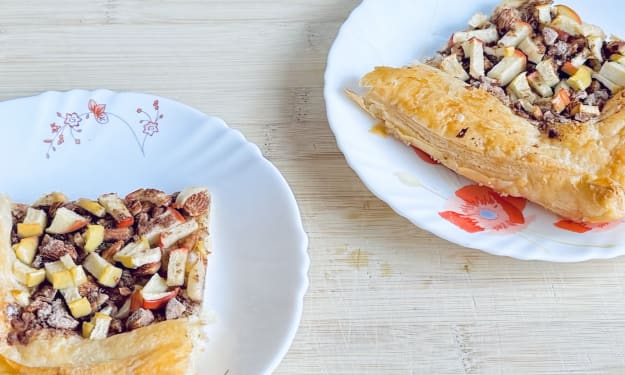
Apple and Almond Tart
So I spent the first half of Sunday making pancakes (of course, for my mother) and then I baked an apple and almond tart. Did I have to use a recipe from someone else? Nope. This is something quick and simple that you can do with a little bit of patience and a lot of ease. If you're looking for a quick dessert that's filling and tasty then I'd go with this, serving suggestions include:
By Annie Kapura day ago in Feast


Comments
There are no comments for this story
Be the first to respond and start the conversation.