
Matcha Dessert – From Leaf to Luxurious Treat
How a centuries-old green tea transforms into desserts that captivate taste buds worldwide.

From serene Japanese tea ceremonies to vibrant modern cafés around the world, matcha has captured hearts and taste buds alike. This finely powdered green tea leaf is far more than a simple drink; it has become a versatile culinary ingredient that inspires creativity in desserts, beverages, and even savory dishes. Its vivid green color, earthy aroma, and unique flavor profile make it a favorite among chefs, bakers, and food enthusiasts worldwide. Yet, the journey of matcha — from carefully cultivated tea leaves to decadent dessert creations — is as fascinating as its taste.
History and Origins
Matcha’s story begins centuries ago, rooted in ancient Chinese tea traditions. The technique of grinding tea leaves into a fine powder was brought to Japan by Buddhist monks in the 12th century. Over time, the Japanese refined this practice, integrating matcha into Zen Buddhist rituals that emphasized mindfulness, patience, and precision.
By the 15th and 16th centuries, matcha became a central component of the chanoyu (Japanese tea ceremony). These ceremonies weren’t just about drinking tea; they were spiritual experiences, teaching participants about harmony, respect, and attention to detail. The cultural reverence for matcha laid the foundation for its evolution into modern culinary applications.
In recent decades, matcha has expanded far beyond Japan, gaining global popularity in Asia, Europe, and North America, becoming a symbol of wellness, aesthetic appeal, and sophisticated flavor.
Cultivation and Production Process
The creation of high-quality matcha is labor-intensive and precise, contributing to its luxurious reputation. The production process includes:
1. Shade-Growing: Weeks before harvest, tea plants are covered to reduce sunlight, increasing chlorophyll levels and amino acids, which deepen the green color and enhance flavor.
2. Harvesting: Only the youngest, most tender leaves are hand-picked to ensure quality.
3. Steaming: Leaves are quickly steamed to halt oxidation, preserving their vibrant color, natural nutrients, and delicate flavor.
4. Drying: Steamed leaves are carefully dried to maintain texture and prevent degradation.
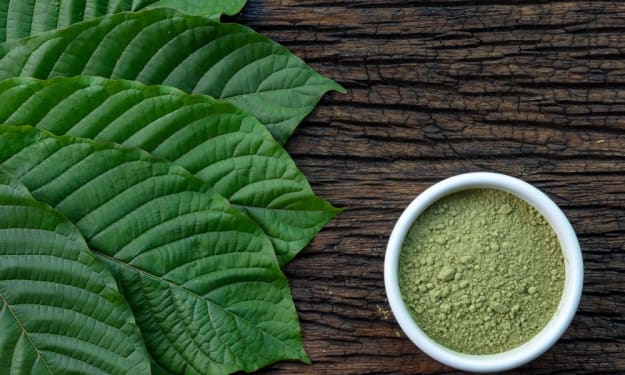
5. De-Stemming and Grinding: Leaves are deveined and ground using traditional stone mills into a fine, vivid green powder — the matcha we recognize today.
The meticulous process ensures that matcha retains its unique flavor, aroma, and nutritional value, distinguishing it from regular green tea.
Flavor Profile and Culinary Use
Matcha offers a complex taste experience. Its natural flavor is slightly bitter with earthy undertones and a hint of sweetness, complemented by umami — a savory, satisfying taste rarely found in desserts. This makes matcha highly versatile in both beverages and sweet creations.
- Balance of Flavors: When combined with milk, cream, or sweeteners, matcha achieves a perfect balance, enhancing desserts without overpowering them.
- Texture: The fine powder dissolves smoothly, creating creamy lattes, mousse, and custard-like textures in cakes and pastries.
- Aroma: Fresh, grassy, and subtly vegetal, matcha adds a sensory dimension that enhances the overall eating or drinking experience.
Types of Matcha
Not all matcha is created equal. There are distinct grades, each suited for different culinary purposes:
1. Ceremonial Grade: The highest quality, used for traditional tea ceremonies. It has a smooth, sweet flavor and vibrant green color, ideal for whisked tea.
2. Premium Grade: Slightly lower quality, still suitable for beverages and delicate desserts.
3. Culinary Grade: Designed for baking, cooking, and dessert-making. Slightly more bitter, it balances well with sugar and dairy in cakes, ice cream, and pastries.
Understanding these distinctions is crucial for chefs and home bakers to maximize flavor and achieve the best results in desserts.
Matcha in Desserts
Over the past two decades, matcha has evolved into a global dessert phenomenon. Its versatility allows it to be incorporated into numerous sweet treats:

Matcha Latte: Creamy, comforting, and visually striking, often topped with latte art.

Matcha Cheesecake: Combines the creamy richness of cheesecake with matcha’s earthy flavor.

Matcha Ice Cream: Cold, smooth, and slightly bitter, perfect for summer treats.


Matcha Tiramisu and Macarons: Fusion desserts combining European techniques with Japanese flavor.


Matcha Cookies, Mochi, and Pancakes: Affordable, bite-sized delights perfect for everyday indulgence.
Its vibrant green color also makes desserts visually appealing, contributing to social media trends and the “Instagrammable” culture surrounding matcha.
Conclusion
Matcha desserts represent a beautiful fusion of tradition and modern creativity. From the careful cultivation of tea leaves in Japan to the innovative dessert creations served worldwide, matcha tells a story of patience, craftsmanship, and culinary artistry. Its vibrant color, complex flavor, and nutritional benefits make it more than just a treat — it’s a celebration of culture, innovation, and sensory delight.
As matcha continues to inspire chefs and food enthusiasts globally, it remains a symbol of timeless elegance and creative potential, proving that even centuries-old traditions can find a place in contemporary culinary art. Whether sipped as a latte, savored in a cheesecake, or enjoyed as a delicate macaron, matcha desserts offer a unique and unforgettable experience — a harmonious blend of taste, texture, and history that captivates both the eyes and the palate.
About the Creator
Kratom Powder Benefits: What Research and Experts Actually Say
Interest in herbal products has grown rapidly over the last decade. People now explore natural botanicals for different wellness routines, and kratom often appears in that conversation. Many online searches focus on kratom powder benefits, but the topic requires careful discussion.
By thomas oshobo3 days ago in Feast
The BAFTA Awards
By now, in a stunning departure from recent years, most of the world is aware of what happened at the BAFTA film awards. Social Media Headlines will tell you the bare bones: that John Davidson, a Tourette's Syndrome advocate, shouted a racial slur at two Actors of Colour, Michael B Jordan and Delroy Lindo.
By Natasja Rose4 days ago in Psyche



Comments
There are no comments for this story
Be the first to respond and start the conversation.