
How Ancient Spices Changed the World’s Cuisine Forever
The journey of powerful flavors that shaped global cooking and culture.

Spices are like tiny treasures — tiny seeds, barks, or roots packed with intense flavors that can transform any dish. But their story goes way beyond just taste. For thousands of years, spices have been powerful forces that shaped trade, exploration, culture, and even politics. Let’s take a flavorful journey back in time to discover how ancient spices changed the world’s cuisine forever.
The Beginnings: Spice Origins and Early Use
Long before supermarkets and grocery stores, spices were rare and precious. Cinnamon, cardamom, pepper, turmeric, and cloves all have their roots in specific regions: Sri Lanka, India, Southeast Asia, and the islands of the Maluku (the Spice Islands). Ancient civilizations treasured these spices not only for cooking but also for medicine, perfumes, and religious ceremonies.
In Egypt, for example, cinnamon was worth its weight in gold and used in embalming rituals. In India, turmeric was prized for its vibrant color and healing properties. Peppercorns, native to the Malabar coast of India, became the “black gold” that everyone sought after.
Spices and the Rise of Trade Routes
The desire for spices was so strong that it led to the creation of some of the earliest global trade routes. The famous Silk Road connected East and West, allowing spices to travel thousands of miles from tropical forests to bustling markets in Europe and the Middle East.
Arab traders were the masters of this spice trade, controlling the flow and keeping prices high by acting as middlemen. Venice became a key European hub for spices, where wealthy merchants competed to bring the finest flavors back home.
The Age of Exploration Fueled by Spices
Europeans’ hunger for spices was one of the main reasons behind the Age of Exploration in the 15th and 16th centuries. Explorers like Vasco da Gama and Christopher Columbus set sail, not only seeking new lands but also the spice-rich islands of Asia.
The Portuguese eventually established direct sea routes to India and the Spice Islands, breaking the Arab monopoly and changing global commerce forever. This era also led to colonization and cultural exchanges that deeply influenced local cuisines worldwide.
Spices Transforming Global Cuisine
Thanks to the spread of spices, food cultures around the world began to evolve. Italian cuisine embraced black pepper and cinnamon in sauces and desserts. Indian food is famous for its complex spice blends like garam masala and curry powders. Southeast Asia developed bold flavors with lemongrass, galangal, and chili peppers, creating dishes that are both fragrant and fiery.
Spices didn’t just change food—they changed how people cooked, what they ate, and even how they socialized. Sharing spicy meals became a way to connect families and communities.
Modern Day Spice Use and Cultural Legacy
Today, spices are common in every kitchen, but their ancient legacy lives on. The global spice market is worth billions, and many traditional recipes still honor the original spices that inspired them.
Culinary festivals, cooking shows, and spice markets continue to celebrate these powerful flavors. Spices have also inspired art, literature, and folklore, showing their deep-rooted significance beyond the plate.
Final Thoughts
From rare treasures sought after by emperors and explorers, to everyday essentials found in kitchens around the world, spices have traveled through centuries carrying with them rich stories of adventure, culture, and human connection. They are more than just ingredients — they are bridges between civilizations, linking distant lands through the shared love of flavor.
When we sprinkle cinnamon on our desserts or add a pinch of turmeric to our curries, we are partaking in a tradition that dates back thousands of years. These tiny bursts of flavor remind us that food is never just about sustenance. It is about community, history, and identity.
Spices have the unique power to tell stories without words — stories of trade routes carved across deserts and oceans, of empires rising and falling, and of people coming together over a shared meal. They have inspired explorers to brave unknown seas and have shaped the cultural tapestries of countless nations.
In a world that is constantly changing, the ancient spices remain a comforting constant, inviting us to savor not only the tastes but also the stories that have made human cuisine so wonderfully diverse. Each dish flavored with these spices carries echoes of the past and promises of new culinary adventures to come.
So next time you enjoy a fragrant curry, a spicy stew, or a sweet pastry dusted with cinnamon, remember you’re experiencing a piece of history — a legacy of flavor that continues to unite and inspire us all.
About the Creator
Titan Submersible Disaster Investigation: Structural Failure Caused Catastrophic Implosion
The tragic loss of the Titan submersible has been attributed to a catastrophic structural failure that caused the vessel to implode under immense deep-sea pressure, according to the findings of a detailed investigative report. The report concludes that all five individuals aboard the submersible died instantly when the vessel’s hull collapsed thousands of meters beneath the surface of the Atlantic Ocean.
By Irshad Abbasi 7 days ago in Feast
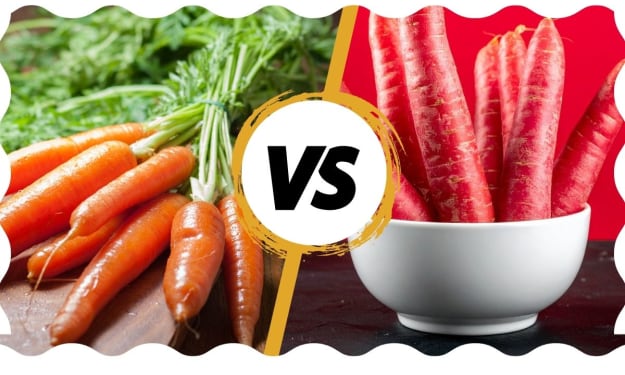
Orange vs Red Carrots
Carrots are among the most popular root vegetables around the world. They are widely appreciated for their natural sweetness, crunchy texture, and impressive nutritional value. While most people are familiar with orange carrots, many regions—especially in South Asia—also consume red carrots, particularly during winter. This often raises a common question: which carrot is better for health—orange or red?
By Stories Today5 days ago in Feast



Comments
There are no comments for this story
Be the first to respond and start the conversation.