
Here are 4 Yang-Boosting Foods to Eat More Often in Summer: Nourish Your Vital Energy and Revitalize a Cold, Deficient Spleen-Stomach System
Here are 4 Yang-Boosting Foods to Eat More Often in Summer: Nourish Your Vital Energy and Revitalize a Cold, Deficient Spleen-Stomach System
Traditional Chinese Medicine (TCM) wisdom teaches us that summer is a crucial time to nurture and protect the Yang energy within our bodies. Consuming foods that gently warm and support the spleen-stomach system while bolstering Yang Qi during this season is like adding tender kindling to the vital fire of life. These carefully selected dishes offer delicious ways to fortify your foundational energy, combat internal coldness, and enhance overall vitality.
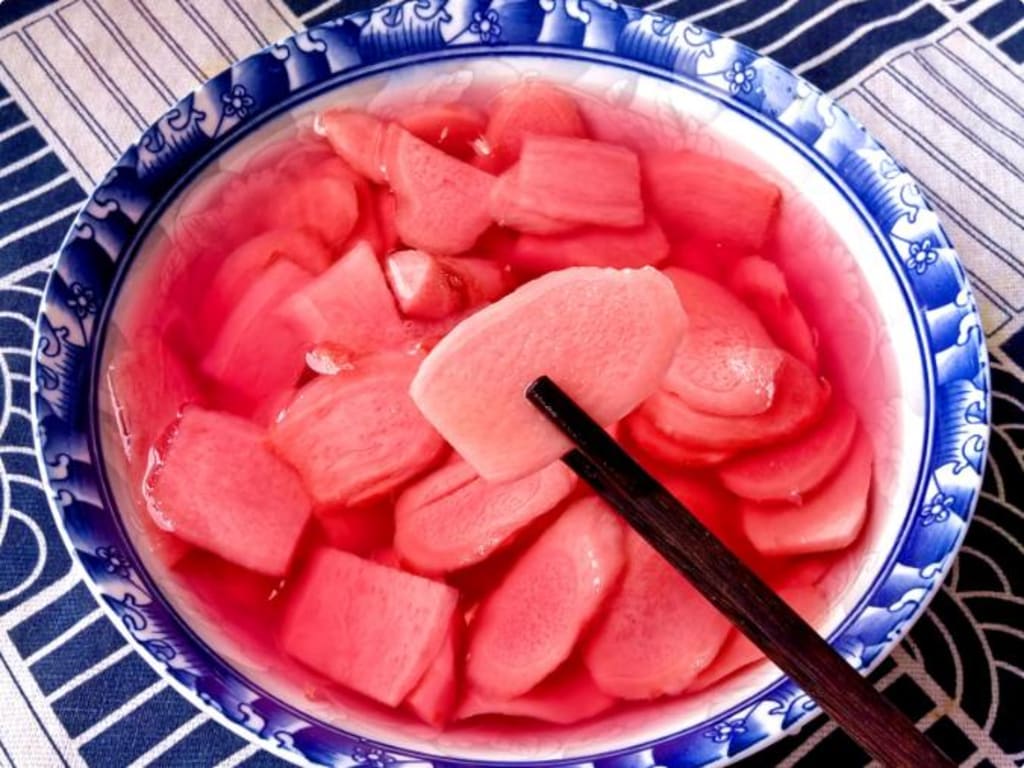
I. Purple Perilla Vinegar Ginger: A Morning Elixir to Awaken Dormant Yang
This refreshing and stimulating preparation harnesses the synergistic power of perilla and ginger. Purple perilla leaves (Zi Su Ye) disperse cold and resolve stagnation, while ginger (Sheng Jiang) powerfully warms the middle jiao (spleen and stomach), dispels cold, and revives Yang energy. The vinegar infusion enhances absorption and adds a digestive boost. Consumed first thing in the morning on an empty stomach, it gently kickstarts your digestive fire and warms you from within, preparing your system for the day ahead.
Preparation:
1. Gather Ingredients: A small handful of fresh purple perilla leaves (about 15-20g), one piece of old ginger (about 50g), washed and thinly sliced (keeping the skin on is preferable), 30g of high-quality yellow rock sugar, a small pinch of natural good-quality salt (about 2g), 30ml of grain-brewed white vinegar, and about 800-1000ml of water.
2. Simmer the Decoction: Combine the water, perilla leaves, yellow rock sugar, and salt in a pot. Bring to a boil over high heat, then reduce to a gentle simmer. Maintain this low simmer for about 15-20 minutes, allowing the flavors and properties to meld.
3. Infuse with Vinegar & Ginger: Turn off the heat. Slowly pour the white vinegar into the hot liquid, stirring gently to combine. Allow the mixture to cool until warm or reach room temperature. Strain out the solids. Place the ginger slices into a clean, dry, oil-free glass jar or container. Pour the strained liquid over the ginger, ensuring it is completely submerged. Seal the container and refrigerate for 3-7 days to allow the flavors to develop and the ginger to infuse.
Consumption: Each morning, on an empty stomach, take out 2 slices of the infused ginger and consume them. The tangy, spicy flavor awakens the senses and gently warms the core.
II. Young Ginger Duck: Aromatic, Warming, and Nourishing Summer Tonic
Duck meat, considered neutral-to-cool in TCM, is perfectly balanced in this dish by the warming pungency of abundant young ginger (Zi Jiang). Young ginger is exceptionally effective at warming the stomach, dispelling cold, and relieving nausea, making it ideal for summer when excessive cold drinks and raw foods can burden the spleen. This dish provides substantial nourishment without causing overheating or dryness – a hallmark of balanced summer yang support.
Preparation:
1. Gather Ingredients: Half a fresh duck (or two duck legs), chopped into bite-sized pieces and washed; a large piece of young ginger (about 150-200g), thinly sliced or lightly smashed; one green bell pepper and one red bell pepper, cut into chunks (for color and aroma); several garlic cloves and spring onion sections. Also have ready: fermented broad bean paste (Doubanjiang), cooking wine (Shaoxing wine preferred), light soy sauce, dark soy sauce, sugar, salt, and cooking oil.
2. Blanch & Sear: Place duck pieces in a pot with cold water. Bring to a boil to blanch, removing any scum that rises. Drain and pat dry. Heat oil in a wok or heavy pot over medium-high heat. Add duck pieces and sear until the skin is lightly golden and some fat renders out. Remove and set aside. Leave about 1-2 tablespoons of oil in the pot.
3. Sauté Aromatics & Braise: In the same pot, sauté garlic, spring onions, and about two-thirds of the young ginger slices until fragrant. Add one tablespoon of Doubanjiang and stir-fry briefly until the oil turns red. Splash in a generous amount of cooking wine to deglaze. Return the seared duck pieces to the pot. Stir well to coat. Add light soy sauce, a small amount of dark soy sauce for color, sugar, and salt to taste. Pour in enough hot water to just cover the duck pieces. Bring to a boil, then reduce heat to low-medium, cover, and simmer for 30-40 minutes, or until the duck is tender.
4. Finish & Serve: Increase the heat to high. Add the remaining young ginger slices and the bell pepper chunks. Stir-fry vigorously, allowing the sauce to reduce and thicken significantly. Cook until the peppers are tender-crisp and the ginger releases its vibrant aroma. The sauce should cling richly to the duck. Serve immediately, ideally with steamed rice to absorb the delicious, yang-warming gravy.
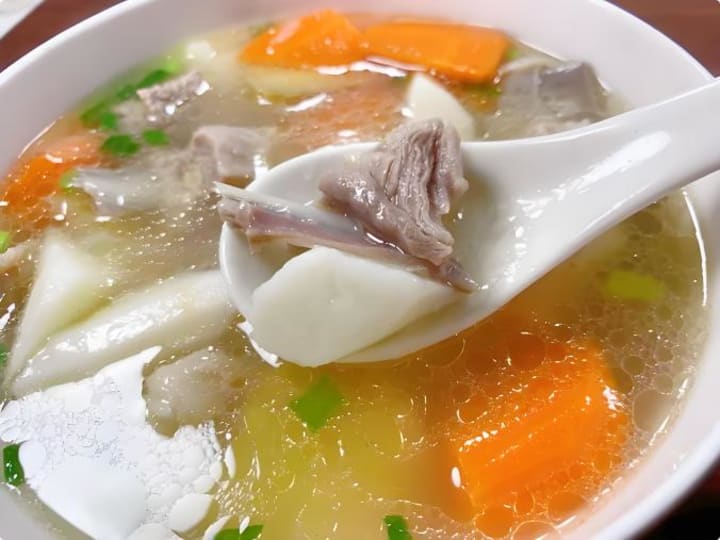
III. Chinese Yam, Carrot & Mutton Soup: The Deep-Rooted Warmth for Spleen and Kidney Yang
Mutton is a powerhouse for warming and supplementing Kidney Yang and Spleen Qi, making it excellent for deep-seated cold and deficiency. Chinese yam (Shan Yao) is a supreme spleen-tonifying herb/food, strengthening digestion and stabilizing Qi. Carrots add sweetness, earthiness, and beta-carotene. Simmered long and slow, this clear, nourishing broth builds foundational yang energy, strengthens the lower back (a Kidney domain), and warms the digestive center deeply and gently. It's especially beneficial for those feeling chronically cold, fatigued, or experiencing loose stools.
Preparation:
1. Gather Ingredients: About 300g of lean mutton ribs or leg meat, chopped and washed; 1-2 sticks of Chinese yam (preferably iron-stick yam/Tie Gun Shan Yao), peeled and cut into rolling chunks (soak in water to prevent browning); 1 large carrot, peeled and cut into rolling chunks; several ginger slices; 1 spring onion knot; cooking wine; salt; white pepper powder.
2. Blanch the Mutton: Place mutton pieces in a pot with cold water. Add ginger slices, the spring onion knot, and a splash of cooking wine. Bring to a rolling boil. Skim off all the scum that rises to the surface thoroughly. Drain the mutton and rinse well under warm water. Discard the blanching water, ginger, and onion.
3. Slow Simmer: Transfer the blanched mutton to a clean clay pot or heavy soup pot. Add fresh ginger slices and a new spring onion knot. Pour in enough hot water or warm water to cover the mutton generously (at least 2-3 inches above). Bring to a boil, then immediately reduce the heat to the lowest possible setting. Cover tightly and simmer very gently for 1 to 1.5 hours, or until the mutton is very tender and almost falling off the bone.
4. Add Vegetables: Add the drained Chinese yam chunks and carrot chunks to the pot. Continue simmering, covered, for another 20-30 minutes, or until the vegetables are very soft and tender.
5. Season & Serve: Carefully remove and discard the ginger slices and spring onion knot. Season the soup with salt and a generous pinch of white pepper powder to taste. The resulting broth should be clear, perhaps slightly milky, and intensely aromatic. Ladle into bowls, ensuring a good mix of tender mutton, soft yam, sweet carrots, and the deeply nourishing, yang-warming soup.
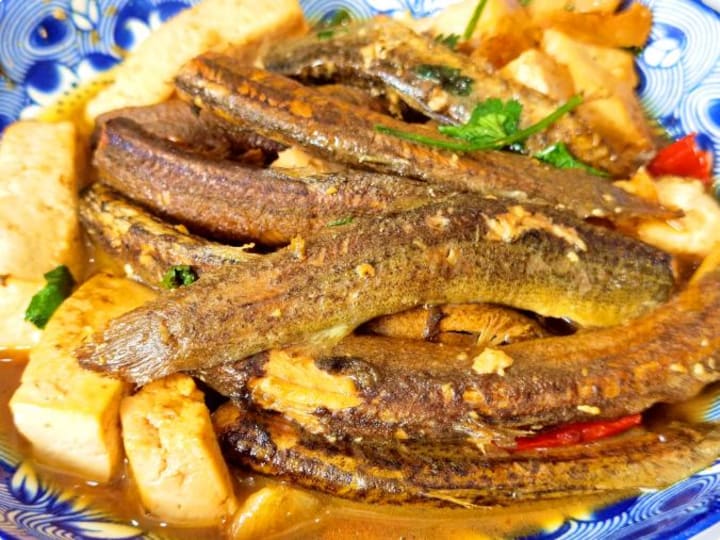
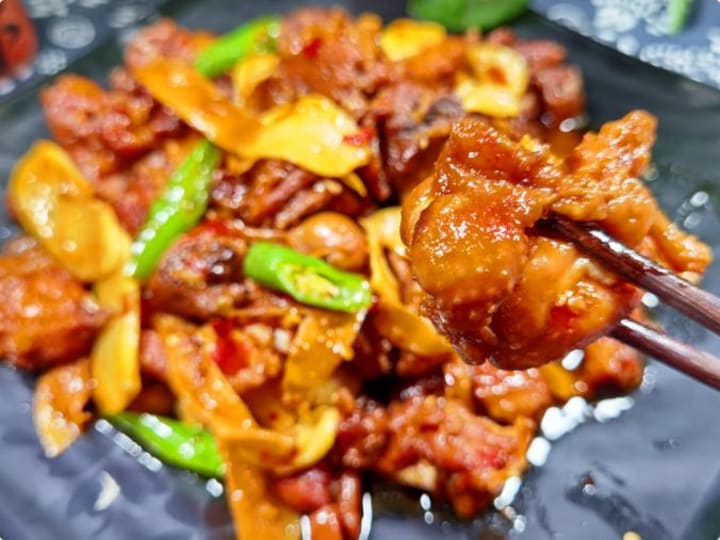
IV. Braised Loach with Tofu: The "Aquatic Ginseng" - A Qi-Boosting, Damp-Resolving Delicacy
Loach (Ni Qiu), often dubbed "ginseng of the water" in TCM, is renowned for its ability to tonify Qi, strengthen the spleen, and expel dampness – common issues exacerbated by summer's humidity. It's considered warming and sweet. Paired with neutral tofu, which also fortifies the middle and harmonizes the stomach, and braised in aromatic seasonings, this dish is a flavorful and effective way to boost energy, improve digestion compromised by dampness, and gently support yang.
Preparation:
1. Gather Ingredients: About 300g of live loaches (ask the vendor to remove heads and gut them); 1 block of firm tofu (Northern style/Bei Doufu), cut into thick slices or cubes; ginger slices; garlic cloves; spring onion sections; optional dried chilies; cooking wine; light soy sauce; dark soy sauce; sugar; salt; cooking oil; chopped fresh cilantro.
2. Prepare the Loach: Rinse the cleaned loaches thoroughly. Place them in a bowl, sprinkle with a little salt and cooking wine, and rub gently for a minute. This helps remove any residual slime. Rinse very well again under cold water. Pat the loaches completely dry with paper towels – crucial for safe frying.
3. Pan-Fry Components: Heat a generous amount of oil in a wok or skillet over medium heat. Pan-fry the tofu cubes/slices until golden brown and slightly crisp on both sides. Remove and set aside. Carefully add the dried loaches to the hot oil (be cautious of splattering). Pan-fry over medium heat until golden brown and crispy on both sides. This step is essential for removing any muddy taste and enhancing flavor. Remove and set aside with the tofu. Drain excess oil, leaving about 1-2 tablespoons.
4. Build the Braise: Heat the remaining oil in the pot/wok. Sauté ginger slices, garlic cloves, spring onion sections, and dried chilies (if using) until fragrant. Splash in cooking wine. Add light soy sauce, a small amount of dark soy sauce for color, sugar, salt, and enough hot water to create a braising liquid (about 1-1.5 cups). Bring to a simmer.
5. Braise Together: Gently place the fried loaches and tofu back into the pot, nestling them into the sauce. Bring the liquid back to a gentle boil. Reduce heat to low-medium, cover, and simmer for 15-20 minutes. This allows the loach and tofu to absorb the rich flavors fully and become tender.
6. Finish & Serve: Increase heat slightly to reduce the sauce to a rich, clingy consistency, if necessary. The loach should be very tender. Taste and adjust seasoning. Just before serving, generously sprinkle with chopped fresh cilantro for a bright, aromatic finish. Serve hot, savoring the unique, nourishing qualities of this "aquatic ginseng" dish.
Integrating Yang Support into Your Summer Routine
Incorporating these yang-supportive foods during the summer months is a proactive way to maintain vitality and digestive health according to TCM principles. While summer is associated with heat, the overconsumption of cold foods and drinks, exposure to air conditioning, and inherent tendencies towards spleen deficiency can create internal coldness and yang depletion. These recipes offer culinary medicine – delicious ways to gently warm the center, dispel cold and dampness, tonify Qi, and strengthen the foundational Yang energy of the Kidneys and Spleen-Stomach system. Regular consumption, particularly focusing on warming breakfasts and lunches (like the vinegar ginger and soups), helps build resilience, improve energy levels, enhance digestion, and prevent the accumulation of cold that can lead to autumnal and winter ailments. Remember to listen to your body; if signs of excessive heat arise (like mouth ulcers or severe thirst), reduce the frequency or intensity of these warming foods and consult a TCM practitioner for personalized advice. Embrace the wisdom of seasonal eating to cultivate robust health year-round.
About the Creator
My Tous les Jours Trip
As someone who lives in a rural area, I don't get the chance to visit fancy restaurants or bakeries that often. So, when a friend told me about a French-Asian bakery that's less than an hour away, I knew I had to check it out and grab some pictures for social media. Tous les Jours ended up providing an immersive experience that went above and beyond my expectations--although I did leave with a few reservations.
By Kaitlin Shanks24 days ago in Feast
Mexico Chicken Market Size & Forecast 2025–2033
Mexico Chicken Market Outlook The Mexico chicken market is poised for steady long-term expansion, driven by rising demand for affordable, protein-rich food, rapid urbanization, and the fast-growing foodservice sector. According to Renub Research, the market was valued at US$ 3.13 billion in 2024 and is projected to reach US$ 5.26 billion by 2033, growing at a compound annual growth rate (CAGR) of 5.95% during 2025–2033. This growth reflects chicken’s entrenched position as the most accessible and versatile animal protein in Mexican households, restaurants, and institutional foodservice.
By Marthan Sir6 days ago in Feast



Comments
There are no comments for this story
Be the first to respond and start the conversation.