
The Great Steamed Bun Debate: Cold vs. Hot Water – Master 3 Secrets for Perfect, Pillowy Buns!
The Great Steamed Bun Debate: Cold vs. Hot Water – Master 3 Secrets for Perfect, Pillowy Buns!
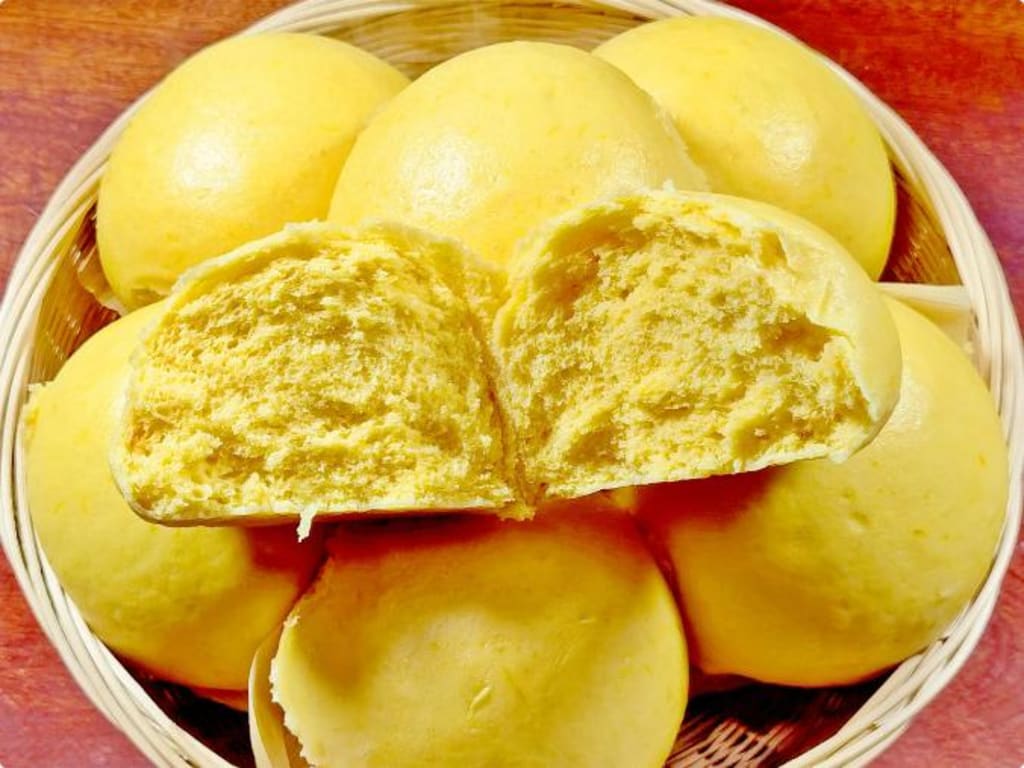
For Shandong natives, the humble steamed bun transcends mere "staple food." It’s the bedrock of daily meals, the festive centerpiece during holidays, and a tangible taste of home that lingers in the hearts of those far away. The plump, towering "Gaozhuang-style" bun, yielding with a satisfyingly resilient pull when torn apart, releasing that pure, rich sweetness of wheat with each chew – this is culinary pride woven into the DNA of Shandong taste buds. Yet, many home cooks pour effort into kneading and proofing dough, only to lift the steamer lid to heartbreak: sunken, shriveled buns, dull grey skin, and a disappointingly coarse texture. That moment of defeat is enough to make you sigh directly into the pot lid!
Believe it or not, the seemingly simple choice between starting with cold water or hot water in your steamer can make the difference between bun bliss and utter disaster!
Secret #1: Water Temperature Dictates Destiny – The Foundation of Texture Lies in the Dough Water
1. Cold Water (Especially Icy Water): This method slows gluten development, resulting in an exceptionally strong and resilient network. The dough becomes denser, yielding buns prized for their extraordinarily chewy texture (戗面 - Qiàngmiàn) – a favorite among Northern Chinese food connoisseurs. Crucial Note: This approach demands significantly longer fermentation times to compensate for the cold's inhibition of yeast activity. The slow, cool rise builds deep structure but requires patience.
2. Warm Water (Approx. 35-40°C / 95-104°F): Think of this as the Goldilocks zone. Water at this gentle, skin-temperature warmth optimally activates yeast. Fermentation proceeds at a steady, manageable pace. The result? Buns achieving the perfect harmony: a light, airy crumb structure beautifully balanced with a pleasing, subtle elasticity. This is the highly recommended, versatile choice for most home bakers seeking reliable perfection, offering consistent results without extremes.
3. Hot Water (70°C / 158°F and Above): High heat begins to denature (cook) the gluten proteins near the point of contact. While this drastically increases the dough's extensibility (stretchiness), it simultaneously severely weakens its inherent strength and elasticity (筋性 - Jīnxìng). The resulting buns are exceptionally soft and tender, often resembling Southern Chinese "Huākāi Mántou" (开花馒头 - Flowering Buns) or even steamed sponge cakes (Fāgāo). However, they distinctly lack the characteristic chew and structural integrity prized in classic Northern-style buns. It creates a melt-in-your-mouth experience, but sacrifices that satisfying bite.
Secret #2: The Second Rise is Life or Death – The Final "Inflation" Before Steaming
This stage is non-negotiable. Skipping or botching it guarantees subpar results. Think of it as giving your shaped buns one last boost of air and structure before their steamy transformation.
1. Create the Ideal Warm, Humid Haven: Place your shaped bun dough (生胚 - Shēngpēi) in a consistently warm and humid environment. Effective methods include:
• Placing them inside a turned-off steamer containing warm water (not boiling, about 40-50°C / 104-122°F).
• Putting them in a turned-off oven with a large bowl or pan of very hot water placed inside to generate steam and warmth.
• Using a dedicated proofing box set to around 35-38°C (95-100°F) with high humidity.
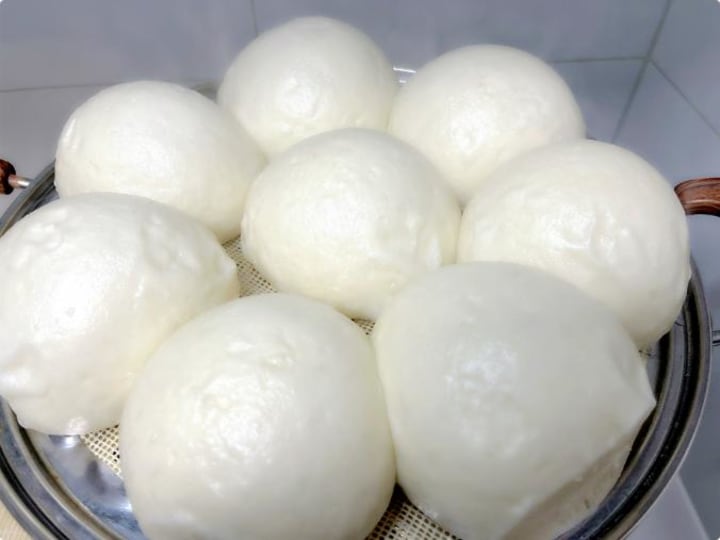
2. Judge Readiness by Feel & Sight, Not Just Time: Proofing time is a guideline, not a rigid rule. Factors like dough temperature, yeast potency, and room conditions affect it. Look for these critical visual and tactile cues:
• Significant Volume Increase: The buns should look visibly larger and puffier, ideally around 1.5 times their original size.
• Lightness & Airiness: Gently pick one up. It should feel surprisingly light for its size, almost weightless, like a delicate pillow filled with air. This "airiness" is key.
• The Finger Test: Lightly and quickly press the side of a bun with a floured fingertip. The dough should depress slowly and spring back gradually, leaving only a very faint indentation or none at all. If the dent springs back instantly, it needs more time. If it doesn't spring back and stays deeply indented, it's over-proofed.
3. Avoid the Extremes: Under vs. Over:
• Under-Proofed (二发不足): Buns will be dense, heavy, and bake up stiff with poor oven spring. The crumb will be tight and potentially gummy.
• Over-Proofed (二发过度): Buns become excessively puffy and fragile. The gluten network overstretches and weakens. During steaming, they are highly prone to collapsing, wrinkling, losing shape, or developing large, uneven holes and a coarse, crumbly texture. They lack structural integrity.
Secret #3: Mastering Steam & Patience – The Art of Steaming and the Crucial Rest
This is where heat, water, and timing converge. How you apply steam and how you finish determines the final glory (or gloom).
1. Cold Water Start:
• When to Use: Best employed when your second rise was slightly questionable (you feel it might be just shy of perfect), or when the ambient room temperature is quite cool.
• The Science & Method: Placing the buns into a cold steamer allows the water temperature to rise gradually. This gentle warming provides a short window for a "remedial" final bit of fermentation inside the steamer itself. Place buns in the cold steamer, cover with the lid, then turn the heat to medium. The gradual heat build-up supports that last micro-rise.
2. Hot Water / Boiling Start (Steaming Rack Inserted After Full Steam):
• When to Use: The preferred method, especially for beginners, when your second rise is absolutely perfect and the buns are ideally proofed.
• The Science & Method: Bring the water in your steamer to a full, rolling boil first, ensuring abundant steam is actively rising. Only then, quickly and carefully place your proofed buns onto the steaming rack, immediately cover tightly with the lid. The intense blast of hot steam instantly sets the outer structure of the buns, significantly reducing the risk of collapse during the initial, vulnerable heating phase. Speed and a tight seal are crucial here to trap maximum steam.
3. Heat Management is Paramount: Regardless of your start method (cold or boiling), once steam is actively and consistently escaping from under the lid (上汽 - Shàngqì), REDUCE THE HEAT TO MEDIUM! This is vital. High heat creates overly aggressive boiling and violent steam production. This causes:
• Severe Pressure Fluctuations: Stress on the delicate dough structure.
• Condensation Tsunami: Large, heavy droplets of water form on the lid and drip relentlessly onto the rising buns below. This results in pockmarked, dimpled, wet, and dense patches ("dead spots" or 死面 - Sǐmiàn) on the bun surface, ruining both appearance and texture. Gentle, consistent medium heat ensures even, supportive steam without destructive condensation.
4. The Non-Negotiable Steamer Rest (焖锅 - Mènguō): This is the absolute soul-saving step to prevent your beautiful buns from instantly imploding upon exposure to cool air! When the steaming time is complete (typically 15-20 minutes for standard buns):
• IMMEDIATELY TURN OFF THE HEAT.
• DO NOT, UNDER ANY CIRCUMSTANCES, OPEN THE LID!
• LEAVE THE BUNS COVERED IN THE STEAMER FOR 5-10 MINUTES.
• Why? The trapped heat allows the internal temperature of the buns and the steamer environment to drop slowly and gradually. This lets the internal pressure stabilize and equalize with the room pressure outside. Only then can you safely lift the lid. The reward? Buns that maintain their smooth, glossy, white skin and stand tall, plump, and proud, resisting the urge to shrink or wrinkle. This rest allows the starches to fully set and the structure to firm up.
Pro Tips for Bun Brilliance:
• Knead to Perfection: The foundation is the "Three Glossies" (三光 - Sānguāng): the bowl is clean, your hands are clean, and the dough itself is smooth and glossy. Thorough kneading develops the gluten network essential for supporting the gas bubbles during fermentation and rising, leading to even expansion and fine texture. Don't shortcut this!
• Strategic Add-Ins (加点儿“料”): Elevate your buns:
• Fat for Shine: Adding 1 teaspoon of lard or neutral cooking oil (like vegetable or canola) per 500g flour during mixing results in a noticeably more lustrous, smoother crust.
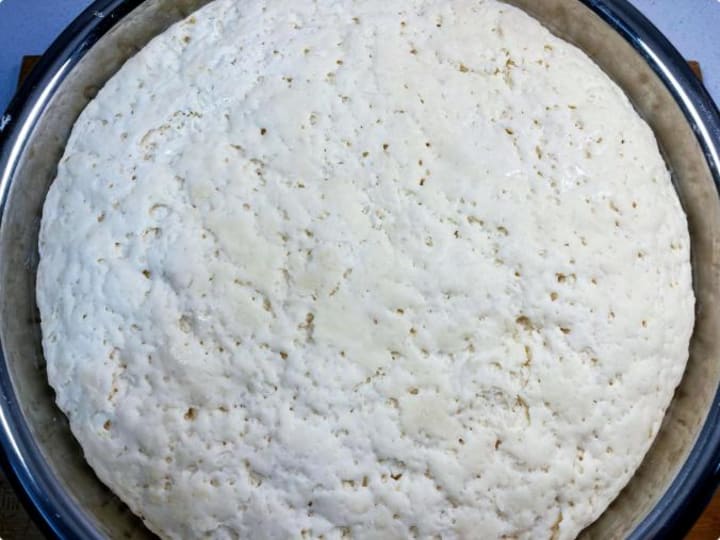
• Sugar for Boost & Flavor: A small amount of sugar (1-2 tbsp per 500g flour) provides easily accessible food for the yeast, potentially speeding up fermentation slightly and contributing a subtle sweetness and enhanced browning (Maillard reaction).
• Milk for Richness & Color: Substitute milk (or water mixed with powdered milk) for the water in your recipe. This imparts a delicate, pleasant dairy aroma and contributes to a slightly whiter, brighter crumb color compared to water-only doughs.
• Flour Power: While standard all-purpose flour works, bread flour (higher protein) will yield a chewier texture, while pastry flour (lower protein) creates a more tender crumb. Experiment to find your preference. Authentic Chinese steamed buns often use medium-gluten flour.
• Yeast Know-How: Ensure your yeast is fresh and active. If using active dry yeast, proofing it first in a little warm water with a pinch of sugar is good practice. Instant yeast can usually be mixed directly with the flour.
• Shaping Consistency: Shape your buns as uniformly as possible. This ensures they cook evenly at the same rate. Roll portions smoothly to create tight, round skins without trapped air pockets underneath that can cause uneven rising or bursting.
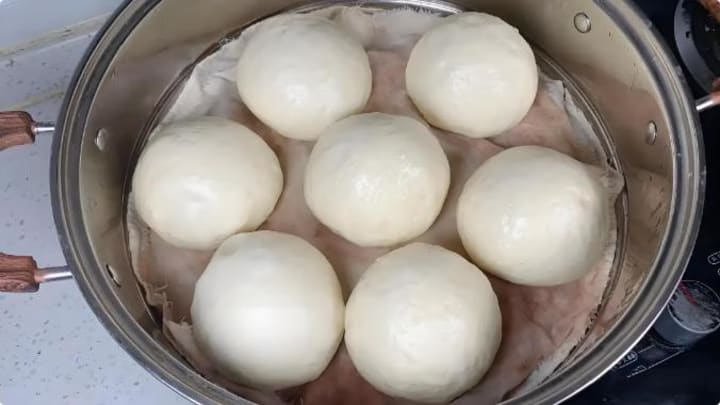
• Steamer Setup: Ensure your steamer lid fits tightly to trap steam. Line the steaming rack with perforated parchment paper, cheesecloth, or lightly oiled cabbage leaves to prevent sticking. Ensure water doesn't touch the buns during steaming. Replenish boiling water if needed for long steaming times.
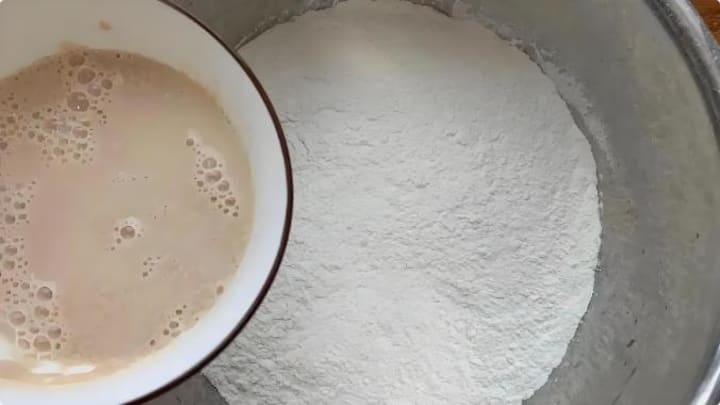
Steaming perfect buns is far more than a simple kitchen task; it's a nuanced act of nurturing the living potential within dough. It demands the wisdom of water temperature, the patient vigilance of the second rise, the delicate orchestration of steam and heat, and the crucial discipline of the steamer rest. Each carefully executed step is a testament to the profound respect we hold for transforming basic, humble ingredients into something truly extraordinary – a perfect, fragrant, cloud-like steamed bun. The subtle differences mastered here elevate everyday nourishment into a small, satisfying triumph.
About the Creator
My Tous les Jours Trip
As someone who lives in a rural area, I don't get the chance to visit fancy restaurants or bakeries that often. So, when a friend told me about a French-Asian bakery that's less than an hour away, I knew I had to check it out and grab some pictures for social media. Tous les Jours ended up providing an immersive experience that went above and beyond my expectations--although I did leave with a few reservations.
By Kaitlin Shanks24 days ago in Feast



Comments
There are no comments for this story
Be the first to respond and start the conversation.