
Global Chocolate Market Size and Forecast 2025–2033
Premiumization, Sustainability, and Innovation Reshape a US$205 Billion Industry


Introduction: A Timeless Indulgence Meets Modern Transformation
Chocolate has long occupied a special place in human culture—symbolizing celebration, comfort, and craftsmanship. From humble cacao beans cultivated in tropical regions to sophisticated confections lining shelves across the world, chocolate continues to evolve with changing consumer lifestyles and expectations. Today, it is no longer just a sweet treat; it has become a product shaped by trends in health, ethics, sustainability, and premium experiences.
According to Renub Research, the global chocolate market was valued at US$ 138.45 billion in 2024 and is expected to grow at a compound annual growth rate (CAGR) of 4.48% from 2024 to 2033, reaching US$ 205.39 billion by 2033. This expansion reflects rising global consumption, innovation in product offerings, and the growing appeal of premium, artisanal, and “better-for-you” chocolate varieties.
Chocolate is a sweet, flavored substance produced from the seeds of the cacao tree, commonly known as cocoa beans. Through fermentation, roasting, and processing, these beans are transformed into cocoa mass, cocoa butter, and cocoa powder—the fundamental ingredients used to create dark, milk, and white chocolate. These forms are consumed globally in bars, truffles, spreads, beverages, bakery items, and gifting assortments.
Chocolate’s enduring popularity stems from its rich flavor profile, sensory appeal, and emotional resonance. Beyond indulgence, it is increasingly associated with antioxidant benefits, mood enhancement, and even perceived wellness advantages—particularly in the dark chocolate segment. Cultural traditions, gifting practices, and festive occasions ensure consistent demand across regions, while modern consumer trends are reshaping how chocolate is produced, marketed, and consumed.
Premiumization has emerged as a defining force. Consumers are gravitating toward high-cocoa content, single-origin, organic, vegan, sugar-reduced, and ethically sourced products. At the same time, innovation in flavors, textures, packaging, and formats has broadened chocolate’s role beyond confectionery into beverages, bakery, desserts, and functional snacks.
Market Size and Forecast (Renub Research)
Market Value (2024): US$ 138.45 billion
Forecast Value (2033): US$ 205.39 billion
CAGR (2024–2033): 4.48%
This steady growth is supported by multiple demand drivers:
Rising global population and urbanization
Expanding middle-class incomes in emerging economies
Growing appetite for premium and gifting products
Continuous product innovation across flavor, health, and sustainability attributes
Despite price volatility in cocoa supply and concerns over environmental impact, the industry’s adaptability and consumer loyalty continue to underpin long-term expansion.
Key Growth Drivers
1. Premiumization and Artisanal Appeal
The premium chocolate segment is gaining momentum as consumers increasingly seek quality over quantity. Artisanal brands emphasize craftsmanship, limited-edition collections, exotic flavor pairings, and high cocoa content. Brands such as Lindt, Godiva, and Hotel Chocolat have successfully positioned chocolate as a luxury experience rather than a mass-market commodity.
2. Health-Conscious Consumption
Rising awareness of nutrition and wellness has stimulated demand for dark chocolate, low-sugar, sugar-free, organic, and vegan alternatives. Functional claims—such as antioxidant properties and reduced sugar formulations—are making chocolate more acceptable to health-conscious consumers, particularly in developed markets.
3. Ethical Sourcing and Sustainability
Consumers increasingly evaluate brands based on environmental and social responsibility. Certifications for fair trade, rainforest alliance, and sustainably sourced cocoa are becoming critical purchasing factors. Companies that demonstrate transparency, traceability, and farmer welfare are strengthening brand trust and long-term loyalty.
4. Expanding Applications
Chocolate is no longer limited to bars and confectionery. Its use in beverages, spreads, bakery, frozen desserts, and protein or cereal bars is expanding its consumption occasions. This diversification enhances market resilience and opens new revenue streams.
Top Companies in the Chocolate Market
Nestlé S.A. (Switzerland)
Founded in 1866, Nestlé is one of the world’s largest food and beverage companies, with an extensive chocolate and confectionery portfolio. Its iconic brands include KitKat, Milkybar, Aero, and Cailler. With operations across Asia, the Americas, Europe, and Africa, Nestlé leverages large-scale manufacturing, strong retail partnerships, and continuous innovation. The company’s sustainability initiatives, including responsible cocoa sourcing and packaging reduction, reinforce its competitive position.
Mondelez International, Inc. (United States)
Mondelez is a global snacking powerhouse, home to Cadbury Dairy Milk, Milka, Toblerone, Oreo, and Ritz. Its strong distribution network spans supermarkets, convenience stores, and online channels worldwide. Mondelez’s strategy focuses on premium growth, regional flavor customization, and sustainable sourcing, positioning it as a leader in mass and premium chocolate segments.
AMUL Industries Pvt. Ltd. (India)
While primarily recognized for its engineering and automotive component manufacturing, AMUL’s inclusion highlights India’s evolving industrial landscape and its growing role in diverse manufacturing ecosystems. The broader Indian market remains a high-growth region for chocolate consumption due to rising incomes and urbanization.
The Hershey Company (United States)
Founded in 1894, Hershey is synonymous with chocolate in North America. Its portfolio includes Hershey’s, Reese’s, Kisses, Kit Kat, and Jolly Rancher. With expanding operations across Asia, Latin America, and the Middle East, Hershey combines traditional confectionery strength with new offerings in snacks, protein bars, and sugar-reduced products.
Meiji Holdings Co., Ltd. (Japan)
Meiji is a diversified food and pharmaceutical group with a strong presence in dairy, confectionery, and nutrition. Its chocolate and confectionery brands are well-established in Asia-Pacific, while its emphasis on R&D, functional foods, and quality standards strengthens its competitive advantage globally.
Product Launches and Innovation
Mars, Incorporated (February 2023)
Mars Wrigley India introduced GALAXY FUSIONS Dark Chocolate with 70% cocoa, marking its entry into India’s growing dark chocolate segment. The move reflects increasing demand for premium and high-cocoa products, along with Mars’ strategy to expand local production.
Ferrero Group (October 2025)
Ferrero announced five new products at its Innovation Day, blending traditional expertise with capabilities gained through acquisitions. Highlights include Nutella Crêpe for the frozen bakery segment and Eat Natural fruit slices, targeting the protein, fruit, and cereal bar market. These launches demonstrate Ferrero’s diversification beyond conventional confectionery.
SWOT Perspectives: Premium Market Leaders
Chocoladefabriken Lindt & Sprüngli AG
Strengths: Premium brand positioning, superior product quality, strong heritage
Lindt’s vertically integrated supply chain ensures consistent quality and traceability. Its global retail boutiques and gifting-focused innovation enhance brand experience. Commitment to sustainability and Swiss craftsmanship keeps Lindt at the forefront of the premium chocolate segment.
Hotel Chocolat Group plc.
Strengths: Farm-to-table model, experiential retail, ethical sourcing
Owning cacao farms in Saint Lucia enables Hotel Chocolat to control quality, ethics, and flavor innovation. Its immersive boutiques, cafés, and online platforms offer a unique consumer journey, making it a standout in the luxury chocolate space.
Recent Industry Developments
Ezaki Glico Co., Ltd. (January 2025)
Renowned for innovative confections, Glico continues to expand globally with a strong emphasis on brand identity, product creativity, and cross-cultural appeal. Its market capitalization of approximately US$1.9 billion in early 2024 reflects steady growth in Asia and beyond.
Lotte Confectionery Co., Ltd. (Rebranded as Lotte Wellfood, 2023)
The rebranding signals a strategic pivot toward healthier food categories while maintaining its confectionery heritage. This transition mirrors broader industry trends toward wellness and diversified food portfolios.
Sustainability as a Strategic Imperative
Barry Callebaut AG
Barry Callebaut’s “Forever Chocolate” program sets ambitious targets: 100% sustainable cocoa, elimination of child labor, farmer income improvement, and carbon-positive operations by 2030. Investments in regenerative agriculture, agroforestry, and digital traceability are reshaping the cocoa supply chain. The company’s focus on renewable energy, recyclable packaging, and waste reduction underscores its leadership in sustainable chocolate production.
Pladis (Ülker, Godiva, and others)
Pladis integrates sustainability across sourcing, production, and packaging. Committed to 100% sustainable cocoa, the company emphasizes biodiversity protection, renewable energy adoption, reduced plastic usage, and social responsibility. By aligning premium branding with ethical practices, Pladis strengthens its appeal to environmentally conscious consumers.
Market Segmentation and Structure
The chocolate market can be segmented by:
Product Type: Dark, milk, white, filled, and specialty chocolates
Distribution Channel: Supermarkets, convenience stores, specialty retailers, online platforms
End Use: Confectionery, bakery, beverages, gifting, functional foods
Historical trends indicate steady volume growth, while forecast analysis points to faster value growth due to premiumization. Market share analysis highlights the dominance of multinational players such as Nestlé, Mondelez, Hershey, Mars, and Ferrero, alongside premium specialists like Lindt, Godiva, and Hotel Chocolat.
Competitive Landscape: Company Profiles
For leading companies—including Nestlé S.A., Mondelez International, The Hershey Company, Meiji Holdings, Saputo Inc., Lindt & Sprüngli, Hotel Chocolat, Mars, Ferrero Group, Barry Callebaut, Pladis, Ezaki Glico, Lotte Wellfood, and Ritter Sport—the following strategic dimensions define competition:
Company History and Mission: Emphasis on heritage, innovation, and brand trust
Business Model and Operations: Global manufacturing, multi-channel distribution, vertical integration
Leadership and Workforce: Executive management, operational teams, and board governance
Recent Developments: Mergers, acquisitions, partnerships, and investments
Sustainability Initiatives: Renewable energy, water conservation, sustainable packaging, circular economy
Product Strategy: Portfolio expansion, quality standards, product pipelines, benchmarking
Strategic Assessment: SWOT analysis of strengths, weaknesses, opportunities, and threats
Revenue and Market Presence: Geographic diversification and segment performance
This multi-dimensional competition underscores how innovation, sustainability, and brand differentiation increasingly define success.
Challenges and Risks
Despite its growth outlook, the chocolate industry faces notable challenges:
Cocoa Supply Volatility: Climate change, disease, and geopolitical instability affect yields and pricing.
Rising Input Costs: Energy, logistics, and raw material expenses pressure margins.
Regulatory Scrutiny: Sugar reduction policies, labeling requirements, and environmental regulations add compliance complexity.
However, companies that invest in resilient supply chains, sustainable sourcing, and operational efficiency are better positioned to mitigate these risks.
Outlook: A Market Shaped by Values and Innovation
The global chocolate market stands at the intersection of tradition and transformation. While its emotional and cultural appeal ensures enduring demand, the next decade will be shaped by how effectively companies respond to evolving consumer values—health, ethics, sustainability, and premium experiences.
Emerging markets in Asia, Latin America, and Africa offer significant volume growth, while developed economies will continue driving value through premium and functional segments. Digital commerce, personalized gifting, and experiential retail will further redefine consumer engagement.
Final Thoughts
With a projected rise from US$ 138.45 billion in 2024 to US$ 205.39 billion by 2033, the global chocolate market remains a robust and dynamic segment of the food and beverage industry. Backed by Renub Research forecasts, the industry’s growth story is one of innovation, responsibility, and premiumization.
As sustainability becomes non-negotiable and consumer tastes grow more sophisticated, chocolate is evolving from a simple indulgence into a product that reflects personal values and global priorities. For manufacturers, retailers, and investors alike, the coming years will present not only commercial opportunities but also a chance to redefine what chocolate means in a more conscious and connected world.
About the Creator
Keep reading
More stories from Aaina Oberoi and writers in Feast and other communities.
Hazelnut Market Size and Forecast 2025–2033
Introduction Once considered a niche ingredient mainly associated with chocolates and seasonal desserts, hazelnuts have now emerged as a global super-ingredient. From premium confectionery and bakery applications to plant-based beverages and wellness products, hazelnuts are enjoying unprecedented demand across multiple industries. This transformation is being driven by a combination of changing consumer lifestyles, rising health awareness, innovation in food processing, and the global push toward sustainability and clean-label products.
By Aaina Oberoi3 days ago in Feast
My Tous les Jours Trip
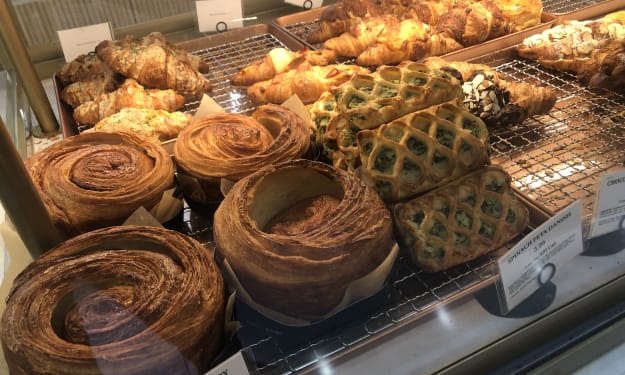
As someone who lives in a rural area, I don't get the chance to visit fancy restaurants or bakeries that often. So, when a friend told me about a French-Asian bakery that's less than an hour away, I knew I had to check it out and grab some pictures for social media. Tous les Jours ended up providing an immersive experience that went above and beyond my expectations--although I did leave with a few reservations.
By Kaitlin Shanks22 days ago in Feast



Comments
There are no comments for this story
Be the first to respond and start the conversation.