
Exclusive Guide to Canning and Preserving Vegetables and Fruits
Mastering the Art of Canning and Preserving: Techniques to Enjoy Fresh Fruits and Vegetables All Year Long
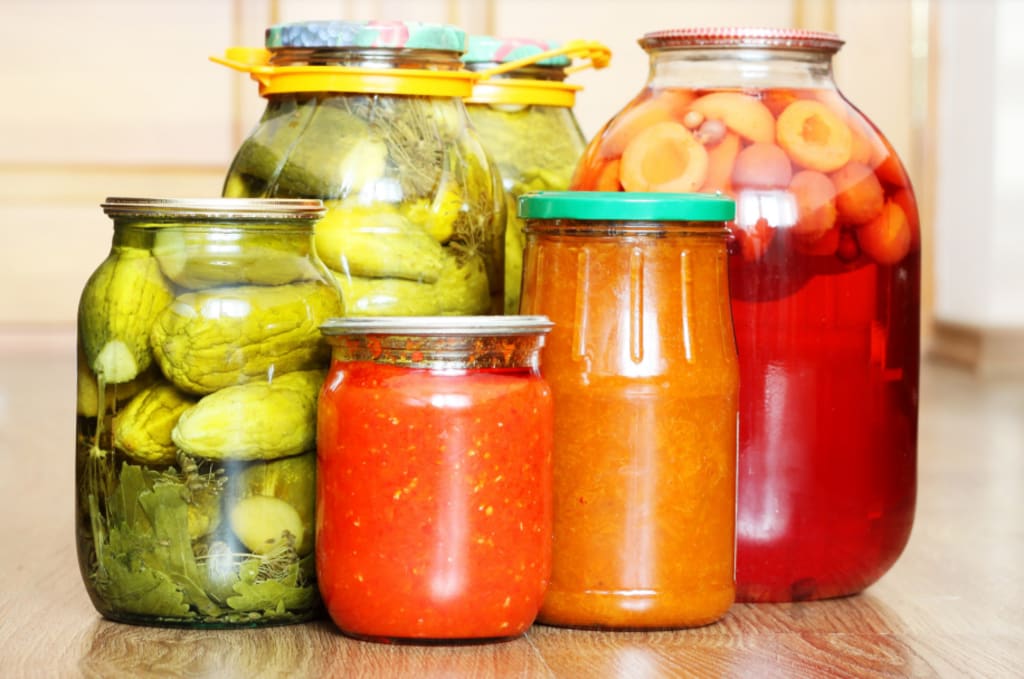
Canning and preserving fruits and vegetables are age-old techniques that allow us to enjoy the flavors of seasonal produce year-round. From fresh tomatoes in the summer to crisp apples in the fall, these preservation methods ensure that nothing goes to waste. In this article, we explore the most popular methods of canning and preserving, along with tips and tricks for doing it safely and effectively.
1. Canning: A Timeless Preservation Method
Canning is a method of preserving food in airtight containers, usually glass jars, that are sealed and heated to eliminate air and prevent the growth of spoilage-causing microorganisms. It’s ideal for long-term storage and can be done with a wide variety of fruits, vegetables, and even meats. There are two primary canning techniques: water bath canning and pressure canning.
Water Bath Canning
Water bath canning is ideal for high-acid foods, such as fruits (berries, apples, peaches), jams, and pickles. It involves submerging sealed jars of food in a boiling water bath for a set period of time. This method ensures that the food is safely processed while also maintaining the integrity of its taste and texture.
Steps for Water Bath Canning:
Prepare the food by washing and cutting it into pieces.
Sterilize the jars by placing them in a boiling water bath or oven.
Fill the jars with the prepared food, leaving the recommended headspace.
Wipe the rims of the jars clean and place the lids on tightly.
Lower the jars into the boiling water bath and process for the recommended time.
Remove the jars and allow them to cool on a clean towel. Check that the seals are tight and that no jars have failed to seal.
Pressure Canning
Pressure canning is used for low-acid foods like vegetables (corn, beans, carrots) and meats. Unlike water bath canning, pressure canning uses higher temperatures and pressures to kill bacteria, yeasts, and molds that can cause foodborne illnesses. This method is essential for safe preservation of non-acidic foods.
Steps for Pressure Canning:
Prepare the food by washing, peeling, and cutting it as necessary.
Sterilize your jars.
Pack the jars with food, leaving headspace, and add any necessary liquid (usually water, broth, or brine).
Wipe the rims clean and place the lids on the jars.
Place the jars in the pressure canner, lock the lid, and set it to the appropriate pressure level.
Process the jars according to the recommended time for the specific food you're canning.
After the pressure canning cycle is complete, allow the pressure to return to normal before removing the jars. Let them cool and check the seals.
2. Freezing: Simple and Effective
Freezing is one of the easiest and quickest methods of preserving fruits and vegetables. The process involves freezing produce in a way that maintains its quality, flavor, and nutrients. While freezing doesn’t require the use of jars or cans, there are a few tips to ensure your food doesn’t get freezer burn or lose texture.
Best Vegetables and Fruits for Freezing:
Vegetables: Corn, peas, green beans, spinach, broccoli, and bell peppers.
Fruits: Berries, peaches, mangoes, and apples.
Steps for Freezing:
Wash and peel (if necessary) the produce.
Blanch vegetables in boiling water for a few minutes to preserve flavor, color, and texture, and then quickly cool them in ice water.
Pack the produce into freezer-safe bags or containers, removing as much air as possible.
Label the bags or containers with the name of the food and the date.
Place the items in the freezer and use them within the recommended time (usually 6–12 months).
3. Drying: Preserve with Minimal Equipment
Dehydrating or drying is one of the oldest methods of food preservation. It involves removing the moisture from food, which inhibits bacterial growth and mold formation. Dried fruits and vegetables are great for snacks or for adding to soups, stews, or casseroles.
Best Fruits and Vegetables for Drying:
Fruits: Apples, bananas, grapes (raisins), strawberries, and apricots.
Vegetables: Tomatoes, mushrooms, peppers, and onions.
Methods of Drying:
Air Drying: Using a hanging rack or mesh bag, air dry herbs and smaller fruits.
Oven Drying: Set your oven to its lowest heat setting (usually around 140°F or 60°C), and dry the food in thin layers on a baking sheet. It’s crucial to keep the oven door slightly ajar to allow moisture to escape.
Dehydrator Drying: A food dehydrator is the most efficient and reliable method for drying fruits and vegetables. It uses controlled heat and airflow to remove moisture while maintaining food quality.
Steps for Drying:
Wash, peel, and slice the food into uniform pieces.
If necessary, treat fruits like apples or peaches with an ascorbic acid solution to prevent browning.
Dry the produce according to the method you’re using until it’s leathery or crisp.
Store the dried produce in airtight containers or vacuum-sealed bags in a cool, dark place.
4. Pickling: Adding Flavor and Longevity
Pickling involves soaking fruits and vegetables in a solution of vinegar, water, salt, and sometimes sugar and spices. The acid in vinegar preserves the food while adding a tangy flavor. Pickled cucumbers, beets, carrots, and even fruits like peaches or watermelon rind are popular choices.
Steps for Pickling:
Wash and prepare the vegetables or fruits (cut into spears or slices).
Prepare your brine by heating vinegar, water, salt, and sugar.
Pack the produce into sterilized jars and pour the hot brine over it, leaving headspace.
Seal the jars with lids and process them in a boiling water bath or follow pressure canning instructions if necessary.
Allow the pickles to sit for at least a few weeks for the flavors to develop.
5. Fermentation: A Health Boost
Fermentation is a method of preserving food using beneficial bacteria that convert sugars into acids. The most common fermented vegetables are sauerkraut (cabbage) and kimchi (spicy fermented vegetables). This method not only preserves the food but also boosts its nutritional content, making it rich in probiotics.
Steps for Fermentation:
Wash and chop your produce, such as cabbage or cucumbers.
Salt the vegetables to draw out moisture and create a brine.
Pack the salted vegetables into jars, ensuring they’re submerged in brine to prevent spoilage.
Seal the jars and store them in a cool, dark place for several days to weeks.
Check for the desired level of tang and texture before moving them to the refrigerator.
Final Thoughts: Safe Preservation Practices
Regardless of the preservation method you choose, it’s essential to follow safe canning practices to prevent contamination or spoilage. Always use clean jars and lids, ensure proper sealing, and follow recommended processing times for each type of food. and remember, home-preserved foods should be stored in cool, dark places and labeled with dates so you can use them within their optimal shelf life.
Preserving fruits and vegetables is a rewarding process that allows you to enjoy the tastes of summer and fall all year long. Whether you’re canning, freezing, drying, pickling, or fermenting, each method has its benefits and can be tailored to suit the types of produce you have on hand. With the right techniques, you'll have delicious, home-preserved foods ready to be enjoyed no matter the season.
About the Creator
Keep reading
More stories from writers in Feast and other communities.
My Tous les Jours Trip
As someone who lives in a rural area, I don't get the chance to visit fancy restaurants or bakeries that often. So, when a friend told me about a French-Asian bakery that's less than an hour away, I knew I had to check it out and grab some pictures for social media. Tous les Jours ended up providing an immersive experience that went above and beyond my expectations--although I did leave with a few reservations.
By Kaitlin Shanks24 days ago in Feast
Kosher Food Market Size and Forecast 2025–2033
The global Kosher Food Market is entering a new phase of steady, sustainable growth, supported by rising consumer demand for certified products and heightened awareness of ethical, hygienic, and dietary standards. According to Renub Research, the market is expected to reach US$ 28.71 billion by 2033, up from US$ 21.89 billion in 2024, growing at a CAGR of 3.06% from 2025 to 2033. What was once viewed as a niche religious segment has transformed into a mainstream food category with universal appeal, attracting both Jewish and non-Jewish consumers who value transparency, safety, and responsible sourcing.
By Renub Research7 days ago in Feast
A Dart at Dusk
Seconds ago, the sullen sun set on the two of us… my exuberant furry companion and me. A fresh breeze embraces us, delivering welcome relief from the day’s oppressive heat. His typical stumbling and staggering along — apace with a sloth — has turned into trip-trapping, high-stepping, almost skipping along.
By Angie the Archivist 📚🪶5 days ago in Petlife



Comments (1)
Great guide! Great work!