
Differences Between American - Style Chinese Cuisine and Authentic Chinese Cuisine
Decoding the Contrasts

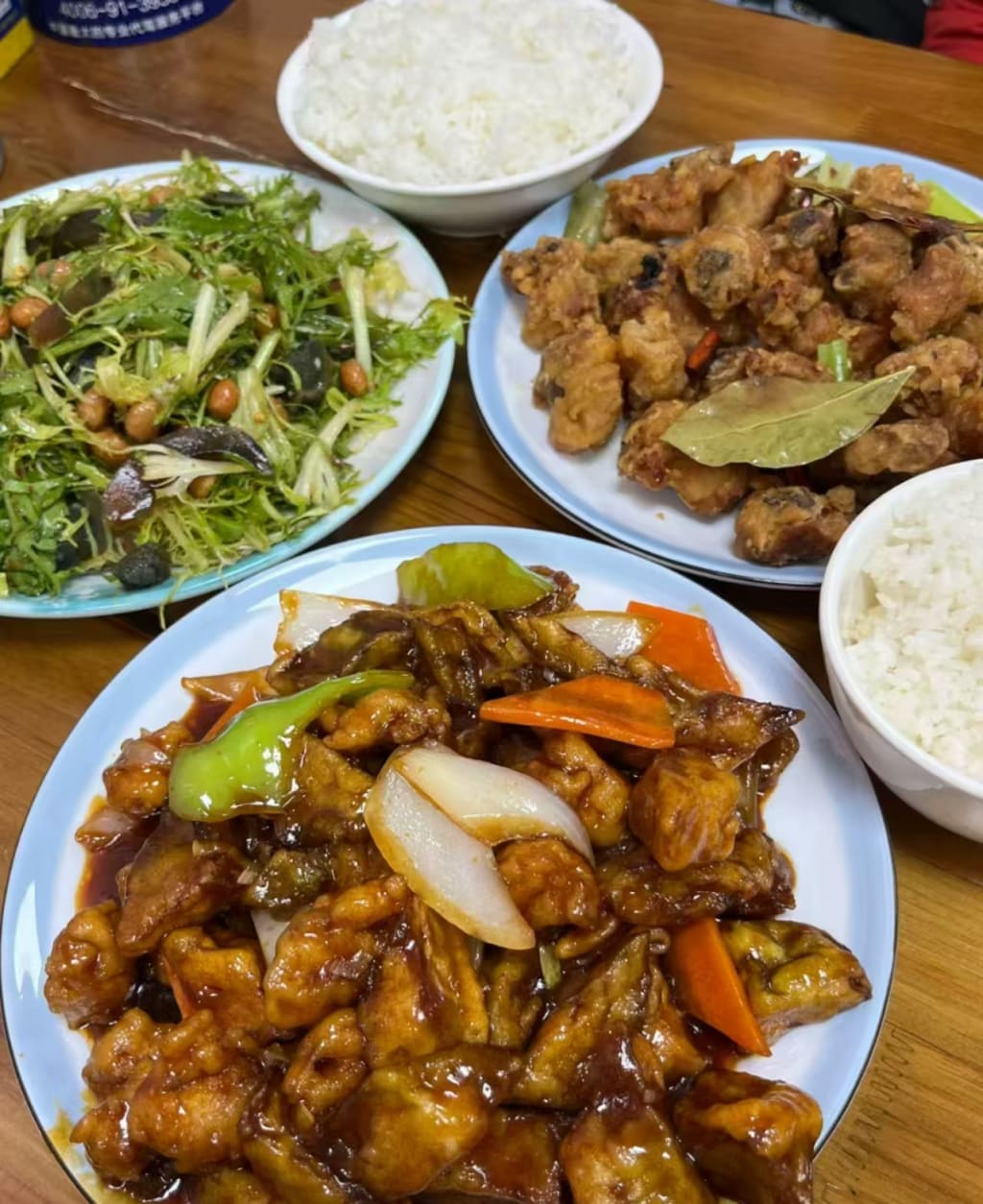
The spread of Chinese cuisine to the United States has led to the development of a distinct American - style Chinese cuisine, which diverges in several ways from its authentic Chinese counterparts.
Ingredients
Authentic Chinese Cuisine
In China, the use of ingredients is highly diverse and often season - and region - specific. For example, in Sichuan, local Sichuan peppers and fresh, locally - sourced vegetables like bok choy are staples. Seafood in coastal regions is extremely fresh, often caught just hours before cooking. Chinese cuisine also makes use of a wide range of exotic ingredients such as bird's nest, abalone, and various types of mushrooms that are native to different parts of China. Additionally, ingredients like Chinese black vinegar, Shaoxing wine, and fermented bean curd are commonly used for flavoring.
American - Style Chinese Cuisine
In the US, some ingredients are substituted due to availability or local preferences. For instance, American - style Chinese dishes may use more readily - available broccoli instead of traditional Chinese greens like water spinach or Chinese kale. Canned bamboo shoots are more commonly used in American - Chinese restaurants, while fresh bamboo shoots are preferred in China. Also, to appeal to American tastes, ingredients like sweet corn and carrots are added to many dishes, even though they are not as commonly used in traditional Chinese cooking.
Flavor
Authentic Chinese Cuisine
Chinese cuisine is renowned for its balance of the five basic flavors: sweet, sour, bitter, spicy, and salty. Each region in China has its own flavor profile. Sichuan cuisine is famous for its bold, numbing spiciness, achieved through the use of Sichuan peppers and chili peppers. Cantonese cuisine, on the other hand, emphasizes the natural flavor of ingredients, with a relatively light and delicate flavor profile. Huaiyang cuisine is known for its mild and harmonious blend of flavors.
American - Style Chinese Cuisine
American - style Chinese food often has a sweeter and saltier taste to suit American palates. Dishes like General Tso's Chicken are typically very sweet, with a thick, sugary sauce. Many American - Chinese dishes also have a higher salt content. The spiciness is toned down in most cases, as the American mainstream is less accustomed to extremely spicy food. For example, a dish like Kung Pao Chicken in the US may have far less Sichuan pepper and chili than its authentic Chinese version, making it more palatable to a wider American audience.
Menu Items
Authentic Chinese Cuisine
The Chinese menu is vast and varies greatly by region. In northern China, you'll find an abundance of wheat - based products such as dumplings, noodles, and steamed buns. Dishes like Peking duck, with its elaborate preparation and serving process, are iconic in Beijing. In southern China, rice is a staple, and there are many seafood - based dishes. Dim sum, a variety of small bite - sized dishes, is popular in Cantonese cuisine. There are also many complex and elaborate dishes that require precise cooking techniques and long - term preparation, like Buddha Jumps Over the Wall in Fujian cuisine.
American - Style Chinese Cuisine
The American - Chinese menu is more limited and often features a set of standardized dishes that have become popular across the country. General Tso's Chicken, Orange Chicken, and Egg Rolls are staples in most American - Chinese restaurants. There is also a prevalence of combination plates, which allow customers to choose a few dishes to be served together with fried rice or noodles. Some American - Chinese restaurants also offer "Americanized" versions of Chinese dishes, such as adding ranch dressing to certain appetizers, which is unheard of in China.
Cooking Techniques
Authentic Chinese Cuisine
Chinese cooking involves a wide range of techniques, each with its own nuances. Stir - frying is extremely common, where ingredients are quickly cooked in a hot wok over high heat. Steaming is used to preserve the natural flavor and nutrients of the food, as seen in steamed buns, dumplings, and fish. Braising, roasting, and deep - frying are also widely used. The use of high - heat cooking techniques often requires skilled chefs who can control the heat and cooking time precisely.
American - Style Chinese Cuisine
While stir - frying is still used in American - Chinese cooking, the cooking times and methods may be adjusted. For example, the stir - frying in American - Chinese restaurants may be less intense and for a shorter duration to ensure the food is cooked to the American preference, which may be less al dente. Deep - frying is quite common, especially for dishes like Egg Rolls and General Tso's Chicken, as the crispy texture is appealing to American consumers. Some techniques that are more complex and time - consuming in authentic Chinese cuisine, such as the multi - step process for making Peking duck, are rarely replicated in American - Chinese restaurants.
Presentation
Authentic Chinese Cuisine
Presentation is an important aspect of Chinese cuisine. Dishes are often artfully arranged to be visually appealing. The color, shape, and texture of the ingredients are carefully considered. For example, a stir - fried dish may have a combination of colorful vegetables and meats arranged in an aesthetically pleasing way. In high - end Chinese restaurants, dishes may be garnished with edible flowers or finely - cut scallions to enhance their appearance.
American - Style Chinese Cuisine
Presentation in American - Chinese restaurants is generally more utilitarian. Food is often served in large portions on simple plates. The focus is more on quantity and getting the food to the customer quickly. While some dishes may be garnished with a sprig of parsley or a slice of orange, the overall presentation is less elaborate compared to authentic Chinese cuisine. The packaging for take - out food, which is extremely popular in the US, is also designed for convenience rather than aesthetics.
In conclusion, while American - style Chinese cuisine has its own charm and has become an integral part of the American food culture, it differs significantly from the authentic Chinese cuisine in terms of ingredients, flavor, menu items, cooking techniques, and presentation.
About the Creator
The food business is undergoing a transformation thanks to gene-edited fungus, which is being considered as a beef substitute.
Compared to the strain now in use, a gene-edited fungus has created meat-like protein that grows more quickly and uses a lot less sugar. These improvements bring one of the earliest meat alternatives in the world closer to competing with animals in terms of scale and efficiency.
By Francis Dami3 days ago in Feast



Comments
There are no comments for this story
Be the first to respond and start the conversation.