
Differences Among Chinese Regional Cuisines
Exploring the Diverse Palates and Techniques Across China's Gastronomic Map

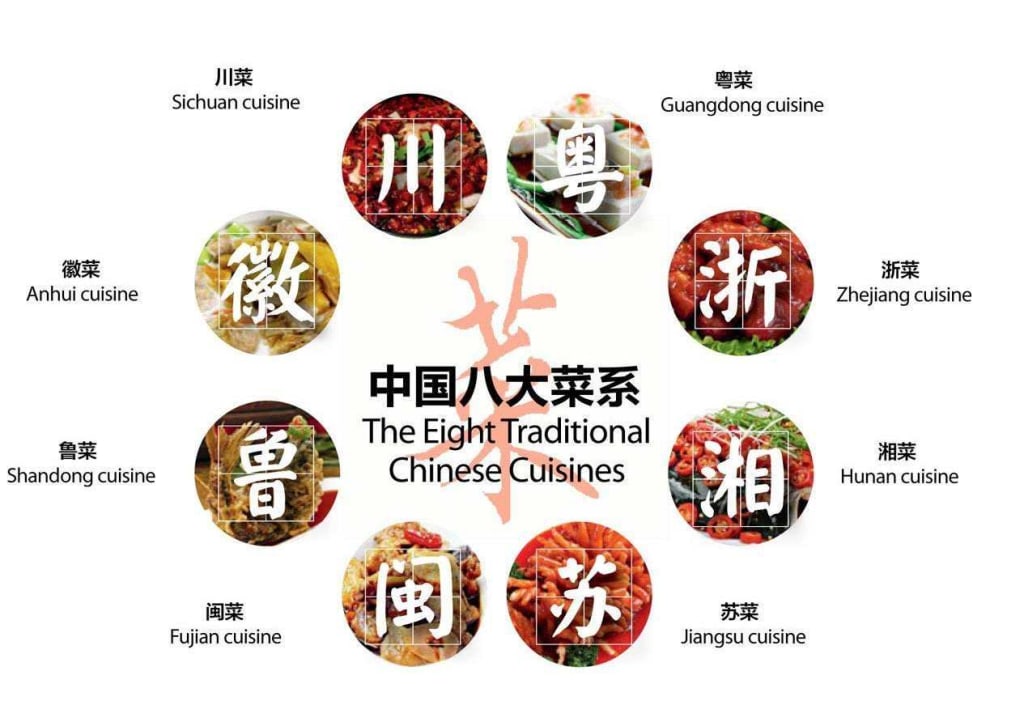
China, a vast country with a rich tapestry of cultures, also has a wide array of regional cuisines, each with its own distinct characteristics. Here are the main differences among some of the most well - known Chinese regional cuisines:
Sichuan Cuisine
Flavor
Sichuan cuisine is famous for its bold and intense flavors, especially the combination of numbing and spicy. The use of Sichuan peppers and chili peppers is extensive. Dishes like Mapo Tofu and Kung Pao Chicken are prime examples. The numbing sensation from Sichuan peppers (also known as mala) adds a unique dimension to the spiciness, creating a complex and unforgettable taste.
Ingredients
It makes liberal use of local ingredients such as bamboo shoots, lotus roots, and a variety of meats, with pork being quite common. Sichuan also has a rich supply of pickled vegetables, which are often used to add a tangy and savory flavor to dishes.
Cooking Techniques
Stir - frying is a dominant technique in Sichuan cuisine. The high - heat stir - frying quickly infuses the ingredients with the bold flavors of the seasonings. Braising and steaming are also used, but stir - frying allows for the rapid combination of the characteristic Sichuan flavors.
Cantonese Cuisine
Flavor
Cantonese cuisine emphasizes the freshness of ingredients. The flavor profile is relatively light and delicate. It uses light soy sauce, oyster sauce, and a variety of fresh herbs to enhance the natural taste of the food. Dishes like Roast Suckling Pig and Steamed Seabass are known for their mild and refined flavors.
Ingredients
Given its coastal location, seafood is a staple in Cantonese cuisine. Fish, shrimp, crabs, and shellfish are widely used. In addition, fresh vegetables, poultry, and a variety of rice - based products are commonly incorporated into dishes.
Cooking Techniques
Steaming is a highly regarded technique in Cantonese cuisine as it preserves the freshness and natural flavor of the ingredients. Roasting is also popular, as seen in the famous Cantonese roast meats. Stir - frying is used, but the cooking time is often shorter compared to Sichuan cuisine to maintain the tenderness and freshness of the ingredients.
Shandong Cuisine
Flavor
Shandong cuisine has a rich and savory flavor. It is known for its use of strong seasonings such as scallions, garlic, and fermented soybean paste. Dishes like Braised Sea Cucumber with Scallions have a robust and full - bodied taste.
Ingredients
Shandong, being a major agricultural province, has an abundant supply of grains, vegetables, and seafood. Wheat - based products are commonly used, and seafood like sea cucumbers, abalones, and scallops are featured prominently in high - end Shandong dishes.
Cooking Techniques
Shandong cuisine is skilled in a variety of techniques, including braising, frying, and stir - frying. Braising is often used to develop the rich flavor of the ingredients, while frying techniques can create crispy textures. The use of high - quality broths is also a characteristic of Shandong cooking, which are used to enhance the flavor of dishes.
Huaiyang Cuisine
Flavor
Huaiyang cuisine is characterized by its mild and well - balanced flavors. It focuses on the natural sweetness of ingredients and uses seasonings sparingly. Dishes like Yangzhou Fried Rice and Stewed Crab Roe with Crab Meat are known for their delicate and harmonious taste.
Ingredients
The cuisine makes use of local ingredients from the Yangtze River and Huai River regions, such as freshwater fish, shrimp, and a wide variety of seasonal vegetables. River crabs are especially prized, and their roe is used in many high - end dishes.
Cooking Techniques
Huaiyang cuisine is renowned for its fine knife skills and delicate cooking techniques. Steaming, simmering, and stir - frying are commonly used. The slow - simmering process is often employed to extract the natural flavors of the ingredients and create a smooth and mellow taste. The presentation of dishes in Huaiyang cuisine is also very important, with an emphasis on beautiful shapes and colors.
Fujian Cuisine
Flavor
Fujian cuisine has a unique flavor that combines sweet, sour, salty, and fragrant elements. It is known for its use of seafood and a variety of broths. Dishes like Buddha Jumps Over the Wall, a complex and luxurious dish made with a variety of expensive ingredients, has a rich and harmonious flavor.
Ingredients
Seafood is a major ingredient in Fujian cuisine due to its long coastline. Abalones, sea cucumbers, and various fish are commonly used. Local fruits, such as lychees and longans, are also incorporated into some dishes, adding a sweet and refreshing element.
Cooking Techniques
Stewing and braising are important techniques in Fujian cuisine. The slow - cooking process allows the flavors of the various ingredients and broths to meld together. Fujian cuisine also makes use of a unique cooking method called "red - cooking," which involves cooking ingredients in a sauce made from soy sauce, sugar, and spices, resulting in a rich and flavorful dish with a characteristic reddish - brown color.
Zhejiang Cuisine
Flavor
Zhejiang cuisine has a light, fresh, and tender flavor. It often uses a combination of sweet and savory flavors. Dishes like Dongpo Pork, named after the Song - Dynasty poet Su Dongpo, have a sweet - and - savory flavor profile with a melt - in - your - mouth texture.
Ingredients
Zhejiang is rich in both land and water resources. Seafood, freshwater fish, poultry, and a variety of vegetables are used. Bamboo shoots, which are abundant in the region, are a common ingredient, adding a fresh and crunchy texture to dishes.
Cooking Techniques
Steaming, stir - frying, and braising are common techniques. The cooking time is usually carefully controlled to ensure the ingredients retain their freshness and tenderness. The use of local seasonings, such as Shaoxing wine, helps to enhance the flavor of the dishes.
Hunan Cuisine
Flavor
Hunan cuisine is famous for its spiciness, but it also has a complex flavor profile that includes sour, sweet, and savory elements. The spiciness in Hunan cuisine comes mainly from chili peppers, which are used in large quantities. Dishes like Hunan - style Spicy Chicken and Fish Head with Diced Hot Peppers are extremely spicy and full of flavor.
Ingredients
Meat, especially pork and poultry, is commonly used in Hunan cuisine. Local vegetables such as eggplants and peppers are also staple ingredients. Hunan is known for its pickled vegetables, which are used to add a tangy and spicy flavor to many dishes.
Cooking Techniques
Stir - frying and braising are the main cooking techniques. The high - heat stir - frying quickly combines the ingredients with the spicy seasonings. Braising is used to develop the rich flavor of the meat and vegetables, and the long - cooking process allows the flavors to penetrate the ingredients thoroughly.
Anhui Cuisine
Flavor
Anhui cuisine has a rich and earthy flavor. It often uses local ingredients that have a strong natural taste. The cuisine is known for its use of ham and bamboo shoots, which add a unique flavor to dishes. Dishes like Stewed Soft - Shelled Turtle with Ham have a deep and complex flavor.
Ingredients
Anhui has abundant mountain resources, so wild game, mushrooms, and bamboo shoots are commonly used. Pork and poultry are also important ingredients. The local ham, which is cured in a unique way, is a key ingredient in many Anhui dishes, adding a salty and savory flavor.
Cooking Techniques
Anhui cuisine makes extensive use of slow - cooking techniques such as stewing and braising. The slow - cooking process allows the flavors of the ingredients to blend together and develop a rich and deep taste. Smoking and drying are also used to preserve and enhance the flavor of some ingredients.
In conclusion, the differences among Chinese regional cuisines are vast, reflecting the diverse geographical, cultural, and agricultural landscapes of the country. Each cuisine offers a unique culinary experience, from the bold spiciness of Sichuan to the delicate flavors of Huaiyang and Zhejiang.
About the Creator
Kratom Powder Benefits: What Research and Experts Actually Say
Interest in herbal products has grown rapidly over the last decade. People now explore natural botanicals for different wellness routines, and kratom often appears in that conversation. Many online searches focus on kratom powder benefits, but the topic requires careful discussion.
By thomas oshobo3 days ago in Feast
The BAFTA Awards
By now, in a stunning departure from recent years, most of the world is aware of what happened at the BAFTA film awards. Social Media Headlines will tell you the bare bones: that John Davidson, a Tourette's Syndrome advocate, shouted a racial slur at two Actors of Colour, Michael B Jordan and Delroy Lindo.
By Natasja Rose4 days ago in Psyche


Comments
There are no comments for this story
Be the first to respond and start the conversation.