
Cook with Tequila.... Sounds Good
How to Cook with Tequila & Why It’s a Good Idea

Tequila, a beloved spirit in Mexico with a rich history, has gained popularity in the United States and is now appreciated by cocktail enthusiasts for its complexity and versatility. While it was once associated primarily with shots and margaritas, tequila has evolved into a high-quality spirit enjoyed by connoisseurs. Today, consumers are becoming more knowledgeable about the different types of tequila, such as blanco, reposado, and añejo, and are willing to invest in rare and premium varieties. This growing appreciation has contributed to the significant growth of the global tequila market, which is projected to reach over $13 billion by the end of the decade.
Tequila's versatility extends beyond drinking, as it has found its way into the culinary world. Cookbook author and Mexican food expert Yvette Marquez-Sharpnack emphasizes that tequila can be just as sophisticated and diverse as other premium beverages, like bourbon, wine, or craft beer. Its sweet, spicy, floral, smoky, and citrus notes make it a versatile ingredient in both sweet and savory cooking.
Tequila can enhance a wide range of dishes, from marinades and ceviche to sauces and glazes. Its unique flavor profile adds depth and richness to recipes, particularly in Mexican cuisine. When used in cooking, tequila can impart complexity and a hint of agave sweetness to dishes, elevating the overall flavor profile. It can also be used to deglaze pans, infuse flavors into meats, and create spirited desserts.
Exploring tequila's culinary potential opens up a world of possibilities for incorporating its distinct flavors into various recipes. Whether it's adding a splash of tequila to a zesty salsa, using it to marinate grilled meats, or incorporating it into decadent desserts, cooking with tequila can bring an exciting and vibrant twist to your culinary creations.
As the appreciation for tequila continues to grow, both as a spirit and a cooking ingredient, it offers a delightful way to explore new flavors and elevate your culinary experiences.
What Is Tequila?

Tequila is a unique distilled spirit with distinct characteristics that set it apart from other spirits. It is made from the blue agave plant, a succulent that takes several years to mature. Harvesting the agave is a labor-intensive process, as it requires hand harvesting by skilled workers called jimadores.
It's important to note that tequila falls under the broader category of mezcal, which includes all spirits made from blue agave. However, not all mezcals are tequilas. Tequila has specific requirements set by the Consejo Regulador del Tequila (CRT) to be classified as such. Firstly, it must be made exclusively from Blue Weber agave. Secondly, tequila must be produced in designated regions in Mexico, including the state of Jalisco (where 90% of tequila production takes place), as well as certain areas in Guanajuato, Michoacán, Nayarit, and Tamaulipas.
Like wine, the flavor of tequila can vary depending on the region where the agave is grown. Tequila is generally categorized into two types: highland and lowland. Highland tequila is made from agave plants grown in the highlands of Jalisco, at elevations of around 7,500 feet above sea level. The red clay soil and hot weather in this region stress the agave plants, resulting in sweeter and fruitier tequila. On the other hand, lowland tequila comes from agave plants grown in the valley with mineral-rich volcanic soil. The lower elevation and different soil composition contribute to a more vegetal, herbaceous, and sometimes peppery flavor profile in lowland tequilas.
The process of making tequila involves harvesting the blue agave plant and removing its leaves to extract the bulb, known as the piña. The piña is then cooked, shredded, and crushed to extract the juice. This juice is fermented to convert the sugars into alcohol, creating a raw tequila spirit. The spirit undergoes two rounds of distillation to purify it before the final step, which is aging. Depending on the desired style of tequila, it may be aged in oak barrels to develop additional flavors and complexity.
Understanding the origins and production process of tequila provides a foundation for exploring its diverse flavors and the various ways it can be incorporated into cooking and mixology.
Aging Tequila
How long a tequila is aged will determined its variety: blanco tequilas are aged, if at all, for less than two months in neutral oak or stainless steel barrels. Reposado tequilas, by contrast, are aged in oak barrels for between two months and one year. Añejo tequilas are aged in small oak barrels - to maximize contact between the wood and the tequila - for more than a year, but less than three years. Any tequila aged for more than three years is considered extra añejo and these are among the rarest and most expensive tequilas in the world. Blanco and reposado tequilas are both suitable for use in cocktails and mixed drinks while connoisseurs prefer to sip premium añejo tequilas neat or on the rocks. (Although an añejo works well in a spirit-forward cocktail or as a stand-in for whiskey in cocktails like an Old-Fashioned.)
Because they are not aged, blanco tequilas retain more of the flavor of the agave plant. Thus blanco tequila tends to be brighter, sharper and spicier than other kinds while still tasting fruity and herbaceous. Reposado tequila is smoother than blanco with some sweetness and woodsy notes from being aged in oak barrels. Añejo tequila is rich, smooth and dark in color due to the aging process and may carry earthy, smoky or nutty notes.
Why Cook With Alcohol?
You've provided an excellent overview of the role that alcoholic spirits, including tequila, play in cooking. Alcohol contributes to enhancing flavors in food through evaporation and molecular bonding. Here's a summary of the points you mentioned:
1. Evaporation: Alcohol evaporates quickly, carrying the aromas of the food to our noses. The aroma plays a crucial role in our perception of taste, and alcohol helps intensify the aromatic experience. When added to food and heated, the alcohol evaporates, allowing its flavors to enhance the overall sensory experience.
2. Molecular Bonding: Alcohol can form bonds with both fat and water molecules. This property allows it to capture and transmit flavors from fat-soluble and water-soluble compounds, respectively. When alcohol is used in marinades, for example, it helps the other flavors in the marinade penetrate the cells of the meat, imparting more depth and intensity to the overall flavor profile.
3. Deglazing: Alcohol is commonly used for deglazing pans, particularly when making pan sauces or gravies. When a liquid, such as alcohol, is added to a hot pan, it helps dissolve the browned bits (fond) that are stuck to the bottom. These browned bits are packed with flavor, and alcohol helps extract and incorporate them into the sauce, intensifying the overall taste.
4. Wine in Cooking: Wine is a popular choice for deglazing because it not only deglazes the pan but also imparts its own unique flavors to the dish. The alcohol in the wine facilitates the extraction and transmission of flavors from the fond, contributing to a more flavorful sauce.
In the context of tequila, its inclusion in cooking can provide similar benefits. The unique flavors and characteristics of tequila, such as the agave's sweetness and herbal or smoky notes, can add complexity and depth to various recipes. Tequila can be used in marinades, sauces, glazes, and other culinary applications to enhance flavors, create balance, and introduce a touch of sophistication to the dish.
Tips For Cooking With Tequila
Choosing the right type of tequila is essential as each variety offers distinct flavors that can greatly impact your dish.
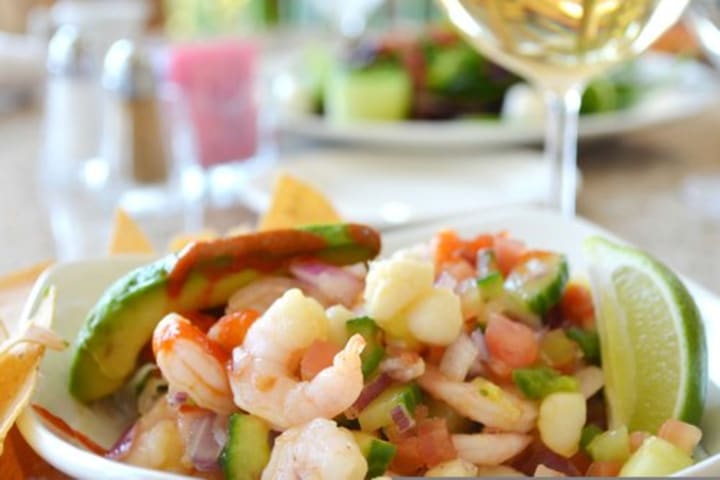
When it comes to cooking, Nogueira favors a "workhorse blanco" tequila, which he considers the cleanest and purest base spirit. Bonom shares the sentiment, particularly appreciating the subtle undertones of blanco tequila that complement rather than overpower dishes, such as fruit-based dishes, grilled seafood, chicken, and salsas. Joanne Weir values the brightness and acidity of blanco tequila, often incorporating this unaged variety into lighter dishes and starters. For example, she finds that adding a hint of blanco tequila to a ceviche not only enhances the flavors but also makes it a perfect pairing when enjoyed alongside the dish. Blanco tequila, whether used in starters or pre-dinner cocktails, has a palate-opening effect, which is ideal for this stage of a meal.
For heartier proteins like beef or pork, Bonom recommends using reposado tequila for marinating or glazing. Similarly, Marquez-Sharpnack adds 1/4 cup of reposado tequila to her popular carne asada recipe, as the alcohol in tequila acts as a natural meat tenderizer, breaking down the proteins for a more tender bite.
In addition to marinades, reposado tequilas work well in sauces, particularly those with smoky flavors. Weir explains that reposado tequila strikes a balance between richness and the absence of caramel notes found in añejo tequila. She cites a seasonal fall dish at her restaurant, where beef short ribs braised with chiles are pureed into a sauce, and a generous amount of reposado tequila is added because it complements the beef and the smoky flavors of the chiles.
Even añejo tequila can be used judiciously in cooking. Bonom suggests using a small amount in dessert sauces due to its richness, smoky undertones, and deeper caramel notes. Weir agrees and highlights the rich caramel and vanilla flavors derived from aging añejo tequila in oak barrels. She particularly enjoys incorporating añejo tequila into a recipe for chocolate soufflé with chipotle crème anglaise, as the caramel notes beautifully complement the chipotle.
Bonom also recommends adding a touch of añejo tequila to compound butter, which can be served over thick grilled steaks or pork chops. Since these recipes require only a few tablespoons of añejo tequila, it is advisable to primarily purchase a bottle for sipping purposes and consider cooking with it as an additional bonus.
In summary, the selection of tequila depends on the dish you are preparing. Blanco tequila works well with lighter dishes and starters, reposado tequila enhances heartier proteins and sauces with smoky flavors, while añejo tequila can add richness and depth to dessert sauces or compound butters. By choosing the right tequila variety, you can elevate the flavors of your dishes and create a truly enjoyable culinary experience.
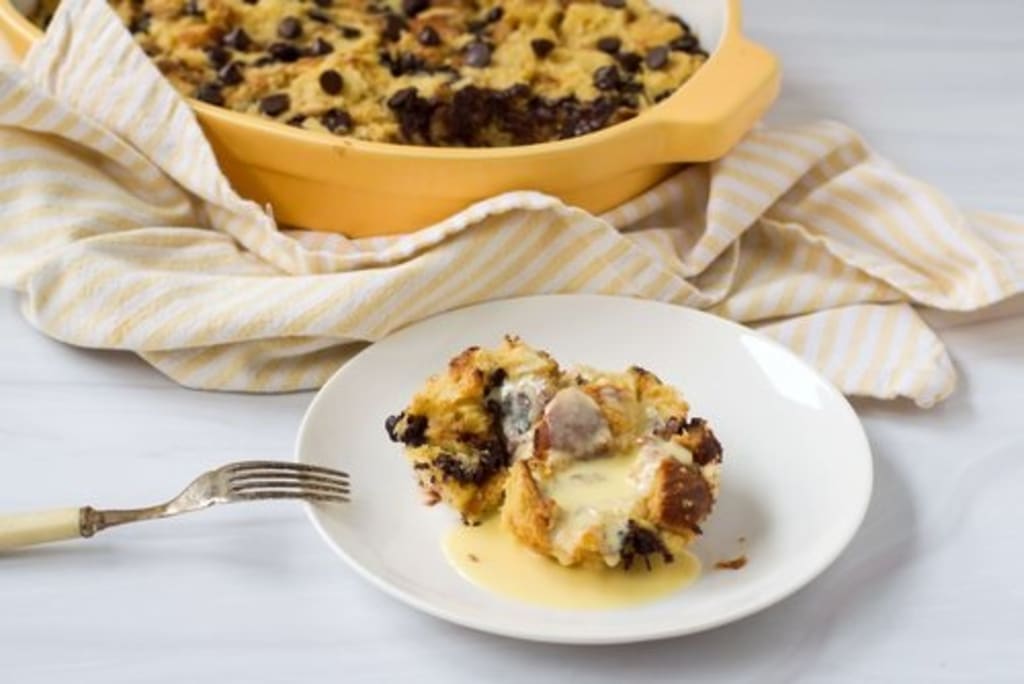
Chocolate Chip-Orange Bread Pudding With Tequila Crème Anglaise
Blanco or reposado tequila adds a hint of heat and a jolt of acidity to the richness of this chocolate-orange bread pudding while the accompanying boozy crème anglaise is enhanced by the caramel and vanilla notes of an añejo tequila. Keep in mind, however, that the tequila in the sauce is not cooked and therefore still contains alcohol, meaning it might not be suitable for younger guests.
Ideally the bread cubes should be stale. If they are not, you can toast them in a low oven until dried out. Also, the bread cubes should sit in the custard for several hours or even overnight, so plan ahead.
Serves 6 to 8
Bread pudding:
5 eggs
1/3 cup granulated sugar
1/4 cup blanco or reposado tequila
Zest of one orange
1/4 tsp. fine sea salt
2 cups whole milk,
1 cup heavy cream
1 loaf challah or brioche bread, preferably day-old, cut into 1 1/2 to 2 inch cubes
1 1/2 cups semi-sweet chocolate chips
1 TB butter at room temperature
Tequila Crème Anglaise:
1 cup whole milk
1/3 cup granulated sugar
4 egg yolks
Pinch fine sea salt
1 tsp. vanilla extract
2 to 4 Tablespoons añejo tequila
1/4 tsp. cinnamon
Whisk together the eggs, sugar, tequila, orange zest and salt in a large bowl. Whisk in the milk and cream. Add the bread cubes and toss to coat them with the custard. Cover and refrigerate the bowl for at least one hour and up to overnight.
While the bread cubes are absorbing the custard, prepare the crème anglaise: warm the milk in a medium saucepan over medium-low heat until steaming. Meanwhile, whisk together the egg yolks, sugar and salt in a medium bowl until thickened and lighter in color. Prepare a large bowl of ice water and place a medium bowl inside the ice bath.
Temper the egg yolks by gradually adding half of the milk to the bowl with the eggs while whisking. Return the egg-milk mixture to the saucepan and raise the heat to medium. Cook the sauce, stirring constantly, until it thickens and coats the back of the spoon. (Do not let the sauce boil or the eggs will curdle.)
Use a fine-mesh strainer to strain the thickened sauce into the medium bowl set in the ice bath. Add the vanilla extract, 2 tablespoons of the tequila and cinnamon and stir until cool. Taste and add an additional 1 to 2 tablespoons of tequila if desired. Transfer the crème anglaise to a storage container and chill for at least 2 hours.
To bake the bread pudding, preheat the oven to 350 and butter a 3-quart baking dish. Add the chocolate chips to the bowl with the bread cubes and toss to combine. Transfer the bread mixture to the prepared baking dish and spread in an even layer.
Bake the bread pudding for 40 to 5 minutes until the custard is set and the top layer of bread is browned. Allow to cool for 10 minutes.
Serve the bread pudding warm with the crème anglaise on the side.
Other Recipes
Tequila-Glazed Grilled Chicken Thighs from MyRecipes
Quick and Easy Carne Asada from Muy Bueno Recipes
Tequila Lime Flaming Cheese Dip from The Cookie Rookie
Tequila-Spiked Shrimp Ceviche from Cookin’ Canuck
Salsa Borracha from Wine Enthusiast
Jicama and Endive Salad with Tequila-Orange Vinaigrette from Better Homes & Gardens
About the Creator
Keep reading
More stories from There is Something... and writers in Feast and other communities.
Margarita Champion
History Of The Margarita The origin story of the Margarita, like many tales surrounding alcoholic beverages, is filled with charm and perhaps some embellishment. According to the legend, a Dallas socialite named Margaret Sames asked her bartender to create a refreshing drink for her guests to enjoy by the poolside and keep the festive atmosphere alive. Tequila was readily available, and the bartender decided to combine it with lime juice and Cointreau, a popular French liqueur made from bitter and sweet orange peels. This unique combination gave birth to a new cocktail that was affectionately named after Margaret herself.
By There is Something...3 years ago in Feast
Ramadan's Digital Detox: Why It Matters
Ramadan's Digital Detox: Why It Matters The Beginning Our lives today are cantered on screens in a world that is so hyperconnected. Digital devices have become inseparable from our daily routines, from checking emails, watching videos, and responding to endless notifications to scrolling through social media feeds. Technology brings distraction, stress, and mental overload, in addition to offering convenience and connection.
By Farida Kabir5 days ago in Feast
Why Matar Paneer Is India’s Ultimate Vegetarian Curry
There are some dishes that do more than just satisfy hunger — they create memories. For many Indian families, Matar Paneer is one such dish. It is warm, comforting, and deeply rooted in North Indian cuisine. Whether served during a Sunday family lunch or at a festive gathering, this simple yet rich curry has a way of bringing people together.
By Gaurav Gupta38 minutes ago in Feast
A Planetary Alignment will coincide with Mercury Retrograde
Double phenomena in the heavens Some people say in jest that the planets have aligned in their favor when life works the way they desire. Were you aware that there are seasons when things do line up in the heavens? There will be a planetary alignment AKA a planet parade, on February 28, 2026.
By Cheryl E Preston5 days ago in FYI



Comments
There are no comments for this story
Be the first to respond and start the conversation.