
A Taste of Home: The Story of Abuela's Tamales
The Sharing: A Gift of Love

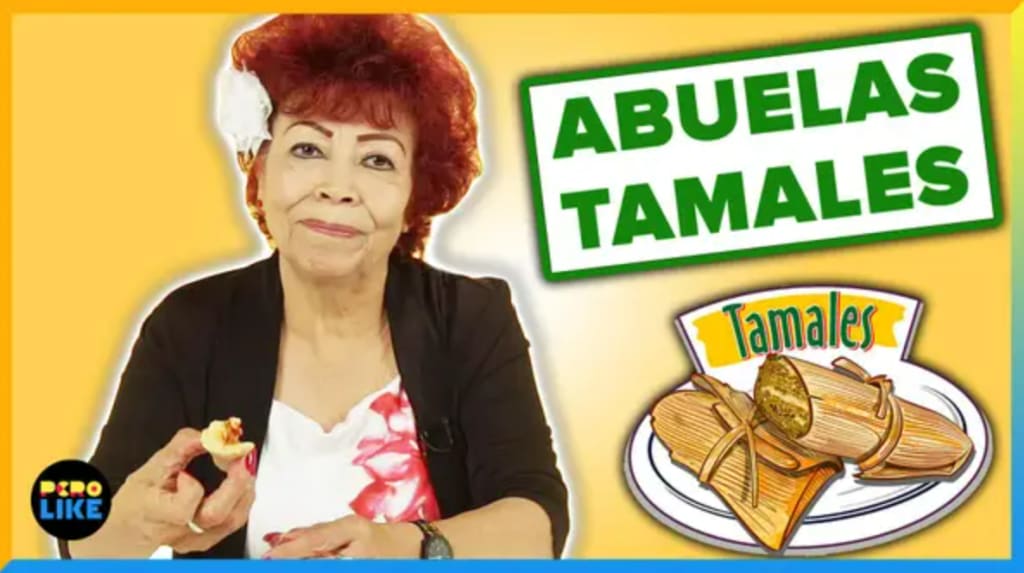
There’s a saying in my family: “Tamales are not just food; they’re love wrapped in corn husks.” For as long as I can remember, tamales have been the centerpiece of every family gathering, holiday celebration, and milestone event. They are more than a dish—they are a connection to my roots, a symbol of my Mexican heritage, and a tangible expression of my abuela’s love.
The Origins: A Family Tradition
My abuela, Maria, grew up in a small village in Oaxaca, Mexico. Life was simple but rich in tradition. Every December, the entire village would come together to prepare tamales for Las Posadas, a nine-day celebration leading up to Christmas. Families would gather in kitchens, sharing stories, laughter, and the labor of love that is tamale-making.
Abuela learned the art of tamales from her mother, who learned it from hers. The recipe was never written down—it was passed from generation to generation through hands-on teaching and shared experiences. When Abuela moved to the United States as a young bride, she brought this tradition with her, determined to keep her culture alive in a new land.
The Ritual: Making Tamales with Abuela
For my family, tamale-making is a sacred ritual. It begins with a trip to the mercado, where we carefully select the ingredients: fresh masa (corn dough), plump corn husks, and the finest cuts of pork. Back at home, the kitchen transforms into a bustling workshop.
Abuela takes charge, her hands moving with the precision of a master craftsman. She soaks the corn husks in warm water until they become pliable, then spreads a thin layer of masa onto each one. Next comes the filling—shredded pork simmered in a rich, smoky red chile sauce. The aroma fills the house, a tantalizing preview of the feast to come.
One by one, we fold the husks, enclosing the filling in a neat little package. It’s a delicate balance—too much masa, and the tamale becomes dense; too little, and it falls apart. Abuela watches over us, offering gentle corrections and words of encouragement.
Once the tamales are assembled, they are steamed in a giant pot for hours. The wait is agonizing, but the reward is worth it. When the lid is finally lifted, the kitchen fills with steam, and the tamales emerge, perfectly cooked and bursting with flavor.
The Meaning: More Than Just Food
For me, tamales are more than just a delicious meal—they are a connection to my heritage. Every bite carries the flavors of Oaxaca, the warmth of family, and the love of my abuela. They remind me of where I come from and the sacrifices my family made to give me a better life.
Tamales are also a symbol of unity. Making them is a communal effort, requiring time, patience, and teamwork. It’s a chance to slow down, to connect with loved ones, and to honor the traditions that bind us together.
The Recipe: Abuela’s Tamales
If you’ve never made tamales before, don’t be intimidated. While the process is time-consuming, it’s also deeply rewarding. Here’s Abuela’s recipe, adapted for home cooks.
Ingredients
For the filling:
• 2 lbs pork shoulder (or chicken, if preferred)
• 6 dried ancho chiles
• 4 cloves garlic
• 1 tsp cumin
• 1 tsp oregano
• Salt to taste
• 2 cups chicken broth
For the masa:
• 4 cups masa harina (corn flour)
• 2 cups lard or vegetable shortening
• 1 tsp baking powder
• 1 tsp salt
• 3-4 cups chicken broth
Additional:
• 1 package dried corn husks (about 30-40 husks)
Instructions
1. Prepare the filling:
• Boil the pork shoulder in a large pot until tender, about 2 hours. Shred the meat and set aside.
• Remove the stems and seeds from the dried chiles. Toast them lightly in a dry skillet, then soak in hot water for 20 minutes.
• Blend the soaked chiles, garlic, cumin, oregano, and salt with 2 cups of chicken broth until smooth. Strain the sauce to remove any chunks.
• Combine the shredded pork with the chile sauce in a skillet. Simmer for 20 minutes, allowing the flavors to meld.
2. Prepare the masa:
• In a large bowl, beat the lard or shortening until fluffy.
• In a separate bowl, mix the masa harina, baking powder, and salt. Gradually add the masa mixture to the lard, alternating with chicken broth, until the dough is smooth and spreadable.
3. Assemble the tamales:
• Soak the corn husks in warm water for 30 minutes to soften.
• Spread a thin layer of masa onto the smooth side of a husk, leaving a border around the edges.
• Spoon a tablespoon of the pork filling down the center of the masa.
• Fold the sides of the husk inward, then fold the bottom up. Tie with a strip of corn husk if needed.
4. Steam the tamales:
• Arrange the tamales upright in a steamer basket, open side up. Steam for 1.5 to 2 hours, adding water to the pot as needed.
• To test for doneness, remove one tamale. If the husk peels away easily, they’re ready.
5. Serve and enjoy:
• Let the tamales cool slightly before unwrapping. Serve with extra chile sauce, salsa, or a dollop of sour cream.
A Legacy of Love
Every time I make tamales, I feel Abuela’s presence in the kitchen. Her hands guide mine as I spread the masa, her voice whispers in my ear as I fold the husks. Though she’s no longer with us, her spirit lives on in every bite.
Tamales are more than just a dish—they are a taste of home, a connection to my roots, and a reminder of the love that binds my family together. They are a legacy, passed down through generations, and a gift I hope to share with my own children someday.
So the next time you bite into a tamale, take a moment to savor not just the flavors, but the stories, the traditions, and the love that went into making it. Because in every tamale, there’s a little piece of home.
________________________________________
Why This Story Resonates:
• Cultural significance: Tamales are a cornerstone of Mexican cuisine and tradition.
• Emotional depth: The story highlights the inter generational bond and the importance of preserving heritage.
• Practical appeal: The recipe invites readers to try making tamales themselves, creating a hands-on connection to the story.
• Universal themes: The idea of food as a symbol of love and family resonates across cultures.
Abuela’s tamales are more than just a recipe—they are a celebration of culture, family, and the enduring power of love.
About the Creator
SearchEngineWays
SearchEngineWays - Your Trusted Partner in SEO Link Building + Content Marketing :) :)
High Authority Guest Postings,
and Web Development Services.
Keep reading
More stories from SearchEngineWays and writers in Feast and other communities.
The Symphony of Silence
In a world where music is often defined by sound, 28-year-old Elena Torres has rewritten the rules. Born profoundly deaf, Elena has composed a symphony that doesn’t just rely on hearing—it transcends it. Her groundbreaking work, "Symphony of Silence," premiered at the Royal Albert Hall, leaving audiences awestruck and redefining what it means to experience music.
By SearchEngineWays12 months ago in Humans
My Tous les Jours Trip
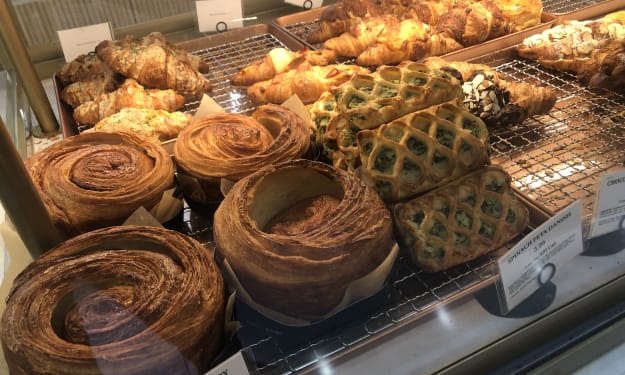
As someone who lives in a rural area, I don't get the chance to visit fancy restaurants or bakeries that often. So, when a friend told me about a French-Asian bakery that's less than an hour away, I knew I had to check it out and grab some pictures for social media. Tous les Jours ended up providing an immersive experience that went above and beyond my expectations--although I did leave with a few reservations.
By Kaitlin Shanks24 days ago in Feast
No-Recipe-Needed Dessert Tutorials
1. Basque Burnt Cheesecake Cream cheese, a few high-quality farm-fresh eggs, heavy cream, and sugar—just mix them together. Sift the mixture into a mold to remove air bubbles. Bake at 180°C (356°F), both top and bottom heat, for 40-50 minutes. Done! It must be completely chilled before slicing. One bite, and you'll be floating on cloud nine... This is so good! It has an incredibly rich, cheesy aroma and melts instantly in your mouth. The key is that this method is just too simple and unbeatable.
By yue . shui3 days ago in Feast
Silver Screen Magic with Mae West
American actress and singer Mae West became a popular film actress during the Great Depression. She started entertaining in vaudeville, then performed on Broadway, and finally went to Hollywood. She signed up with Paramount Pictures and made her debut in the 1932 film “Night After Night.” She also starred in musicals, comedies, and crime dramas. The American Film Institute named her one of the best classic Hollywood actresses.
By Rasma Raisters6 days ago in Geeks


Comments
There are no comments for this story
Be the first to respond and start the conversation.