
The Symphony of Silence
How a Deaf Composer Redefined Music

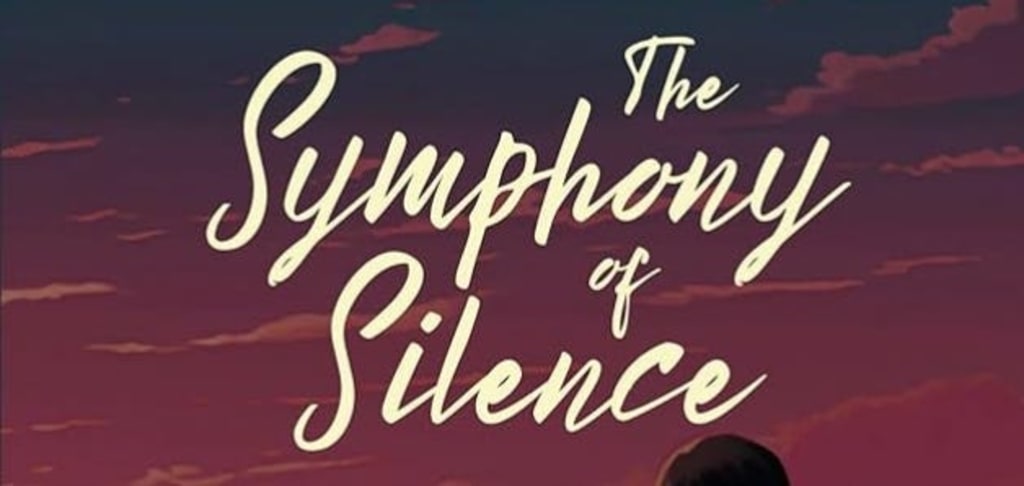
In a world where music is often defined by sound, 28-year-old Elena Torres has rewritten the rules. Born profoundly deaf, Elena has composed a symphony that doesn’t just rely on hearing—it transcends it. Her groundbreaking work, "Symphony of Silence," premiered at the Royal Albert Hall, leaving audiences awestruck and redefining what it means to experience music.
The Early Years: Feeling the Unheard
Elena grew up in a small, sun-drenched village in southern Spain. From a young age, she was fascinated by the vibrations she felt beneath her feet during the weekly church bell ringing. Her father, a guitarist, would place her tiny hands on the body of his guitar as he played, letting her feel the rhythms and melodies through her fingertips.
“I couldn’t hear the notes, but I could feel them,” Elena recalls. “Music wasn’t something I heard—it was something I lived.”
Despite her passion, Elena faced countless obstacles. Music teachers dismissed her, saying she could never truly understand music without hearing it. But Elena refused to be discouraged. She began experimenting with ways to translate vibrations into something tangible, using her body as an instrument to interpret the world of sound.
The Breakthrough: Technology Meets Art
Elena’s journey took a dramatic turn when she met Dr. Raj Patel, a neuroscientist specializing in sensory substitution. Dr. Patel had developed a device that could convert sound waves into vibrations and light patterns. Intrigued, Elena collaborated with him to create a system that would allow her to “feel” music in a way she never had before.
Using a combination of wearable technology and visual projections, Elena began composing her own pieces. She mapped out vibrations to correspond with musical notes, creating a tactile language of music. Her compositions were not just auditory—they were multisensory experiences, designed to be felt, seen, and even smelled.
The Symphony of Silence
Elena’s magnum opus, "Symphony of Silence," was born from years of experimentation and determination. The piece is a 45-minute journey through the emotions of love, loss, and hope, expressed through a symphony of vibrations, light, and scent.
At the premiere, the audience was given special wristbands that translated the music into vibrations. Giant screens displayed swirling colors and patterns that shifted with the melody, while diffusers released scents like lavender and sandalwood to enhance the emotional impact.
As the symphony began, the hall fell into a profound silence. The audience closed their eyes, feeling the music pulse through their bodies. Some described it as a wave of energy, others as a deep, emotional connection to something beyond words. By the end, the room erupted into applause—not just with hands, but with stomping feet, creating a thunderous vibration that Elena could feel.
Global Impact: A New Era of Inclusivity
The performance went viral, sparking a global conversation about accessibility and the nature of art. Elena’s work inspired schools for the deaf to integrate music into their curricula, using her technology to teach students how to experience and create music in their own way.
The music industry took notice as well. Major orchestras began exploring ways to make performances more inclusive, incorporating vibration-based systems and visual elements to reach a wider audience. Elena’s story became a symbol of resilience and innovation, proving that creativity knows no bounds.
Beyond Earth: A Cosmic Collaboration
Elena’s success didn’t stop on Earth. NASA reached out to her with a unique proposal: to compose a piece for the International Space Station. The project, titled "Celestial Vibrations," will use the station’s unique environment to create a symphony that explores the sounds of space.
“In space, there’s no air to carry sound,” Elena explains. “But there are vibrations—cosmic rays, solar winds, the hum of the station itself. I want to turn those into music, to show that even in the silence of space, there’s a symphony waiting to be heard.”
A Legacy of Resilience
Elena’s journey is far from over. She continues to push boundaries, challenging the world to rethink what art and music can be. Her story is a testament to the power of resilience, innovation, and the human spirit.
“I used to think my deafness was a limitation,” Elena says. “But now I see it as a gift. It forced me to listen in a different way—to feel the music, to see it, to live it. And in doing so, I’ve discovered a whole new world of sound.”
Elena Torres’ "Symphony of Silence" is more than just music. It’s a movement, a reminder that even in silence, there’s a universe of sound waiting to be heard. And through her work, Elena has given that universe a voice.
________________________________________
Why This Story Works:
• Emotional depth: Elena’s journey from a small village to global recognition is inherently inspiring.
• Innovation: The fusion of art and technology creates a unique, forward-thinking narrative.
• Global relevance: Her story touches on themes of inclusivity, resilience, and creativity, resonating with a wide audience.
• Timeliness: In a world increasingly focused on accessibility and innovation, Elena’s story is both timely and timeless.
Elena Torres is not just a composer—she’s a pioneer, proving that the most profound art often comes from the most unexpected places.
About the Creator
SearchEngineWays
SearchEngineWays - Your Trusted Partner in SEO Link Building + Content Marketing :) :)
High Authority Guest Postings,
and Web Development Services.
Keep reading
More stories from SearchEngineWays and writers in Humans and other communities.
To Live Longer, Do These Things
Living a long and healthy life is a universal desire. While aging is inevitable, how we age and how long we live is heavily influenced by the choices we make every day. Genetics plays a role, but lifestyle factors—like diet, exercise, mental health, and social connections—can significantly increase both the quality and length of life.
By SearchEngineWays8 months ago in Humans




Comments
There are no comments for this story
Be the first to respond and start the conversation.