

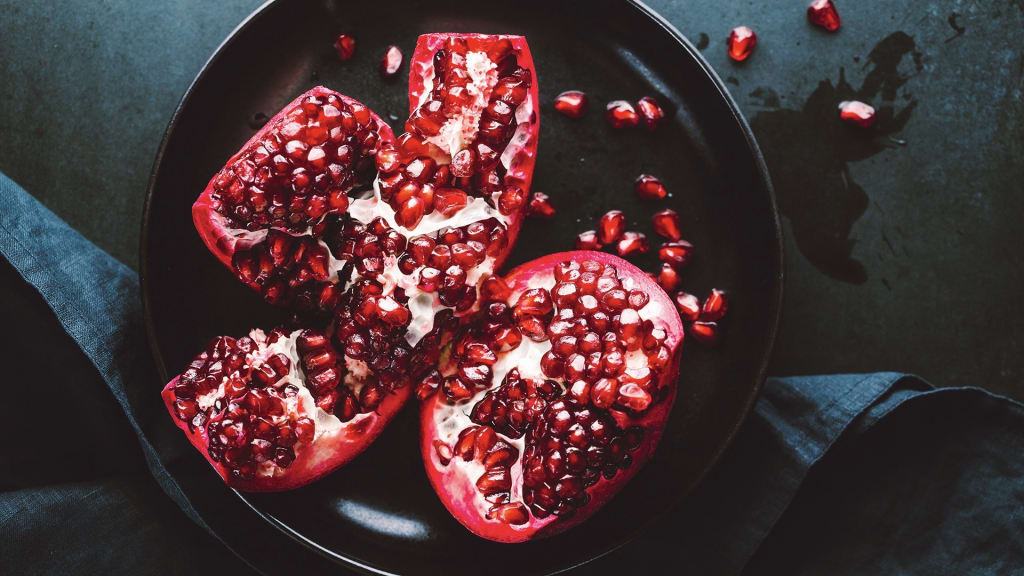
Pomegranates are fruit-bearing plants with a leathery rind, a reddish or brownish-yellow exterior, and a juicy, seed-filled interior. The edible part, called arils, are individual, juicy seeds encased in a fleshy, colored shell. Pomegranates are known for their sweet-sour flavor, high antioxidant content, and various health benefits.
Pomegranates have a rich history, with evidence of their cultivation dating back over 5,000 years. They are believed to have originated in the region between Iran and Northern India, with domestication potentially occurring as early as the fifth millennium BC. The pomegranate tree was among the first fruit trees to be domesticated in the eastern Mediterranean region.
Pomegranates are low in calories and fat but high in fiber, vitamins, and minerals. Benefits include antioxidants, heart health, urinary health, exercise endurance, and more. Pomegranates are round, red fruits. They feature a white inner flesh that’s packed with crunchy, juicy edible seeds called arils.
They may be best known for the vibrantly colored juice they’re often used in, but these unique fruits have a lot more to offer.
Pomegranates are not just delicious they're also packed with history, health benefits, and symbolism.
What is a Pomegranate? The pomegranate is a round fruit with a tough, red outer skin and jewel-like seeds inside called arils. Each aril is filled with sweet-tart juice and a small edible seed. The fruit comes from the Punica granatum tree and is native to the Middle East and parts of Asia, but now grows in many warm climates around the world.
Fun Fact: Pomegranate juice was one of the earliest known fermented beverages, and the word grenade actually comes from the French word for pomegranate because of its shape and the burst of seeds inside!
Packed with nutrients
- Calories: 234
- Protein: 4.7 grams g
- Fat: 3.3 g
- arbohydrates: 52 g
- Fiber: 11.3 g
- Vitamin C: 32% of the Daily Value DV
- Folate: 27% of the DV
- Magnesium: 8% of the DV
- Phosphorus: 8% of the DV
- Potassium: 13% of the DV
How to Eat or Use Pomegranates:
- Eat the arils raw as a snack.
- Toss them on salads for a burst of color and flavor.
- Juice them for a refreshing, antioxidant-rich drink.
- Use in sauces or marinades especially in Middle Eastern cooking like Persian fesenjan.
- Garnish desserts or smoothie bowls.
Plant: Pomegranates are woody, deciduous shrubs or small trees that typically grow 10 to 12 feet tall. They have glossy, dark green leaves and showy, orange to red flowers.
Fruit: The fruit is a berry with a leathery rind, divided into several chambers containing many arils. The arils are reddish, juicy, and each surrounds an elongated seed.
Edible Part: The arils, which are the juicy, edible seeds surrounded by their fleshy coats, are the part of the pomegranate that is eaten.
Flavor: Pomegranates have a unique sweet-sour flavor, which can vary depending on the variety.
Nutritional Value: Pomegranates are a good source of vitamins like C, minerals like potassium and magnesium, and antioxidants.
Cultivation: Pomegranates are native to regions from Iran to the Himalayas and are now cultivated worldwide, including the Mediterranean region, Southeast Asia, and the Southwestern United States.
Uses: Besides being a delicious fruit, pomegranates have been used traditionally for medicinal purposes, and are now recognized for their potential to help with various health conditions, including heart disease, diabetes, and more.
Health Benefits: Pomegranates are known for their antioxidant properties, which can help protect the body against oxidative stress and promote overall health. They are also believed to offer benefits related to heart health, urinary health, and exercise endurance.
Getting antioxidants from fruits such as pomegranates is a great way to support overall health and prevent disease.
SUMMARY: Pomegranates are rich in an array of antioxidants that help protect your cells from free radical damage
About the Creator
Keep reading
More stories from Rakibur Rahman Tonmay and writers in Feast and other communities.
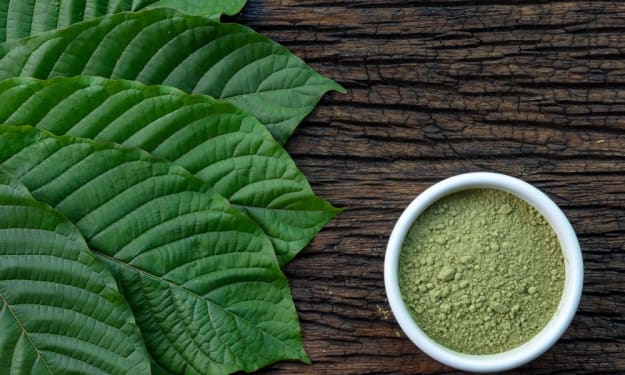
Kratom Powder Benefits: What Research and Experts Actually Say
Interest in herbal products has grown rapidly over the last decade. People now explore natural botanicals for different wellness routines, and kratom often appears in that conversation. Many online searches focus on kratom powder benefits, but the topic requires careful discussion.
By thomas oshobo5 days ago in Feast
Titan Submersible Disaster Investigation: Structural Failure Caused Catastrophic Implosion
The tragic loss of the Titan submersible has been attributed to a catastrophic structural failure that caused the vessel to implode under immense deep-sea pressure, according to the findings of a detailed investigative report. The report concludes that all five individuals aboard the submersible died instantly when the vessel’s hull collapsed thousands of meters beneath the surface of the Atlantic Ocean.
By Irshad Abbasi 3 days ago in Feast


Comments
There are no comments for this story
Be the first to respond and start the conversation.