
A Keto Meal Plan for Depression: My Journey to Better Mental Health Through Food
Using Food to Fuel Your Mood: A Low Carb Approach to Supporting Mental Wellness

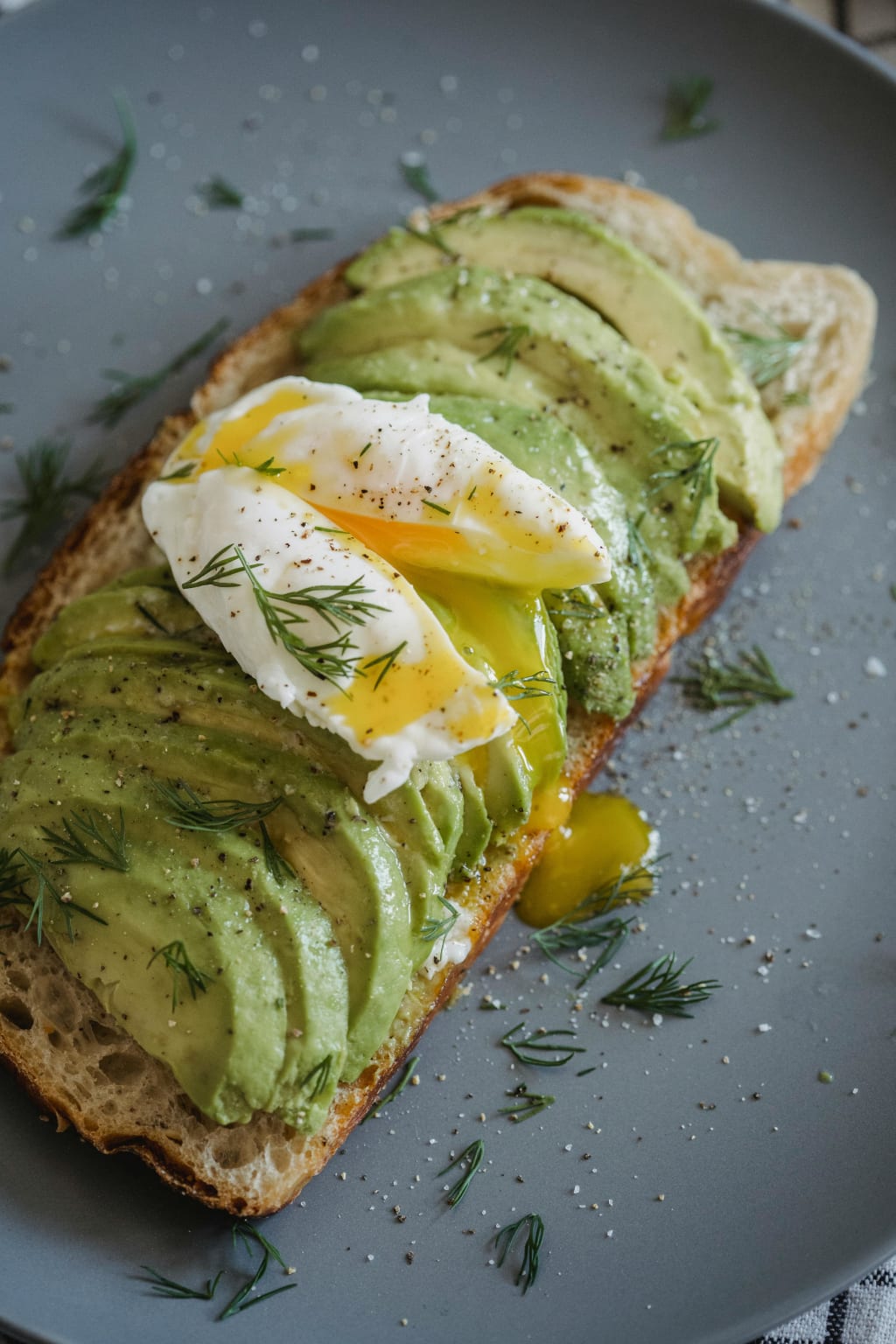
Honestly, when my sister first told me that what I ate could affect my depression, I rolled my eyes so hard I'm surprised they didn't fall out of my head. "Oh great," I thought, "another person telling me to just eat better and I'll magically feel fine." But here I am, three years later, eating my words along with a lot more salmon and avocado.
How This All Started
Back in 2021, I was stuck in this weird cycle where I'd feel okay for a few days, then completely crash for no apparent reason. My therapist was helpful, and the antidepressant I was on took the edge off, but something still felt... off. Like I was missing a piece of the puzzle.
I'm the type of person who goes down internet rabbit holes at 2 AM, and one night I ended up reading about how sugar affects your brain. That led me to articles about ketones, which led me to studies about epilepsy patients who seemed happier on keto diets. Before I knew it, I'd spent half the night learning about something called the "gut-brain axis" (which sounds like science fiction but is apparently very real).
The whole thing seemed too simple to be true. Could changing what I ate really make that much difference?
The Science Stuff (Don't Worry, I'll Keep It Simple)
So here's what I learned, in regular person terms: Your brain usually runs on sugar from the food you eat. But when you cut way back on carbs, your body starts making these things called ketones, which your brain can use for fuel instead. Some researchers think ketones might actually be better brain food than sugar.
The crazy part? People who have epilepsy have been using ketogenic diets to control seizures for decades. And several studies showed that these same people often reported better moods and clearer thinking. That got my attention real quick.
Plus, all those blood sugar spikes and crashes from eating carbs? Yeah, those were definitely messing with my mood. I'd noticed that on days when I ate a bagel for breakfast, I'd feel great for an hour and then want to crawl under my desk by 10 AM.
The Foods That Actually Helped
After way too much research and a lot of trial and error, I figured out which foods worked best for both staying in ketosis and keeping my brain happy.
Fish became my new best friend. I eat salmon at least three times a week now, plus mackerel and sardines when I can stomach them (still working on that). The omega-3s are supposed to be amazing for mood, and I swear I can tell the difference on weeks when I skip fish.
Avocados are basically perfect. Half an avocado every day, whether it's in my morning eggs, on a salad, or just with some salt as a snack. They're filling, full of good fats, and apparently have folate, which helps with brain stuff.
Nuts and seeds in small doses. Walnuts are my go-to because they have omega-3s too. I portion them out in little containers because otherwise I'll eat the whole bag and blow my calories for the day.
All the green vegetables. Spinach, kale, arugula, Swiss chard I eat some kind of leafy green every single day. They're basically free calories and packed with nutrients. Pro tip: massaging kale with a little olive oil and salt makes it way less bitter.
Berries when I'm craving something sweet. A handful of blueberries or strawberries fits into my carb limit and satisfies that urge for something fruity.
Really dark chocolate. Like 85% cacao or higher. A couple squares after dinner became my ritual, and there's actually research showing it might help with mood. Win-win.
What I Had to Give Up (And Why It Was Worth It)
The hardest part wasn't giving up bread or pasta - it was the random stuff I didn't expect. Like, I used to add honey to my tea, and that had to go. Fruit smoothies were out. Even some vegetables like carrots and onions had to be limited because of their carb content.
Alcohol can be tricky sometimes; even small amounts can disrupt sleep and affect mood the next day. It’s something to be mindful of if you’re focusing on your mental health. mostly stopped drinking, which honestly probably helped as much as the diet itself
The artificial sweetener thing was a nightmare to figure out. Stevia gives me headaches, sucralose makes me bloated, and don't even get me started on maltitol. I finally settled on erythritol in small amounts, but mostly I just learned to appreciate foods that weren't super sweet.
My Actual Weekly Meal Plan
This is what I actually eat, not some Instagram-perfect version:
Monday: Scrambled eggs with spinach cooked in butter. Leftover salmon on a huge salad with avocado for lunch. Chicken thighs (way more flavor than breasts) with roasted broccoli for dinner.
Tuesday: Greek yoghurt with chopped walnuts and a few berries. Tuna salad (made with mayo, not the sad water-packed kind) over lettuce. Beef stir-fry with zucchini noodles.
Wednesday: Keto smoothie with almond milk, spinach (you can't taste it, I promise), and protein powder. Cobb salad with all the good stuff – bacon, eggs, cheese, avocado. Grilled beef with sautéed kale.
Thursday: Cheese and mushroom omelet. Shrimp salad with avocado and olive oil dressing. Lamb chops with cauliflower mash.
Friday: Chia pudding made with coconut milk (prep it the night before). Turkey and cheese roll-ups with lettuce. Baked cod with green beans.
Saturday: Almond flour pancakes – yes, they're actually good! BLT salad without the bread. Ribeye steak with Brussels sprouts.
Sunday: Another smoothie, this time with berries. Greek salad with grilled chicken. Roasted chicken thighs with sautéed spinach.
The Numbers Game
I track my food in an app (MyFitnessPal works fine), and I aim for about 75% fat, 20% protein, and 5% carbs. That usually comes out to around 1,300 calories a day for me, but everyone's different. Some days I'm hungrier, some days I'm not. I've learned to listen to my body instead of obsessing over hitting exact numbers.
Shopping Smart (Because This Stuff Can Get Expensive)
Costco is my friend. I buy eggs, frozen salmon, and olive oil in bulk. Frozen vegetables are often cheaper than fresh and honestly just as nutritious. I get the big containers of Greek yogurt and portion them out myself instead of buying the individual cups.
Canned fish became a staple - sardines, mackerel, even salmon. It's way cheaper than fresh and keeps forever. I also learned that chicken thighs cost less than breasts and taste better anyway.
What I Wish Someone Had Told Me
The first two weeks were rough. Like, really rough. I felt tired, cranky, and had what people call the "keto flu." My mood actually got worse before it got better, which was terrifying when you're already dealing with depression.
But around week three, something clicked. My energy leveled out, my mood became more stable, and I stopped having those afternoon crashes. It wasn't instant, and it wasn't magic, but it was noticeable.
Also - and this is important - I never stopped taking my medication or seeing my therapist. This diet thing is just one piece of the puzzle, not a cure-all. Anyone who tells you to ditch your meds and just eat bacon is not someone you should listen to.
Where I Am Now
It's been over two years since I started eating this way, and I honestly can't imagine going back. My mood is way more stable, I have energy throughout the day, and my brain feels clearer. I still have bad days - I'm not cured or anything - but they're less frequent and not as intense.
The best part is that it's become second nature. I don't really think about it anymore; I just eat this way because it makes me feel good. I've found keto versions of most foods I used to love, and I genuinely enjoy what I eat.
A Word of Caution: Please Talk to Your Doctor First
Look, I can't stress this enough - if you're really struggling with depression or any mental health issues, please reach out to a healthcare professional before making major dietary changes. I'm just sharing my personal experience here, not giving medical advice.
Depression is serious, and while changing what I ate helped me a lot, it wasn't a replacement for proper medical care. I stayed on my medication, kept seeing my therapist, and worked with my doctor throughout this whole process. The keto diet became an additional tool in my mental health toolkit, not the only one.
Some people have medical conditions that make keto inappropriate or even dangerous. Others might be on medications that could interact with big dietary changes. Your doctor knows your specific situation and can help you figure out if this approach makes sense for you.
Final Thoughts
For me, this change in how I eat has been one of the best decisions I've made for my mental health. And that's coming from someone who was convinced it was all just hippie nonsense three years ago. But everyone's journey is different, and what worked for me might not work for you – and that's okay.
The most important thing is finding what helps you feel better and doing it safely, with proper support and guidance.
Shopping List;
Proteins: Eggs, salmon, tuna, chicken, beef, lamb, turkey, shrimp, trout
Healthy Fats: Avocados, olive oil, nuts (walnuts, almonds), seeds (chia, flax), butter
Low-Carb Vegetables: Spinach, kale, broccoli, cauliflower, zucchini, bell peppers, Brussels sprouts, mushrooms, cucumber, green beans
Dairy: Greek yogurt, various cheeses (feta, blue cheese), almond milk
Pantries: Almond flour, low-carb protein powder, coconut milk
Flavour Enhancers: Lemons, herbs, spices
Treats: Dark chocolate (85%+ cocoa), berries (in moderation)
This approach has truly transformed how I think about food's role in mental health, turning every meal into an opportunity to nourish both body and mind.
Thanks for taking the time to read! 💛 If you enjoyed it, I’d love to hear your thoughts. Drop a comment, hit the heart, and please subscribe (it’s free!).
Don’t miss this one; it’s worth a read
I Hit a Wall: My 3-Month Weight Loss Nightmare (And How I Finally Beat It)
My Keto Journey: How Changing What I Eat Transformed My Mental Health
My Face Yoga Journey: The Good, The Bad & The Slightly Ridiculous
The RealLife Guide to Keto: Everything You Need to Know
Keto Maple & Walnut Hemp Heart Porridge Recipe
Curried Tuna & Avocado SaladKeto Chicken Taco Soup
Thai-Style Tom Yao Salad video
About the Creator
Fathima Haniffa
I share my passion for healthy living through keto recipes, practical food tips, real-life experiences, and original poetry inspired by personal research.
Discover my Rumble channel: https://rumble.com/c/c-7705609
Keep reading
More stories from Fathima Haniffa and writers in Feast and other communities.
My Keto Journey: How Changing What I Eat Transformed My Mental Health
Hey there, friends, Fathima here. It's been exactly one year since I started my ketogenic journey, and I've been dying to share something that completely blindsided me about this whole experience. While I initially started keto to shed those stubborn 15 pounds that had been hanging around since my second child, what I never expected was how profoundly it would impact my mental health.
By Fathima Haniffa8 months ago in Feast
My Tous les Jours Trip
As someone who lives in a rural area, I don't get the chance to visit fancy restaurants or bakeries that often. So, when a friend told me about a French-Asian bakery that's less than an hour away, I knew I had to check it out and grab some pictures for social media. Tous les Jours ended up providing an immersive experience that went above and beyond my expectations--although I did leave with a few reservations.
By Kaitlin Shanks23 days ago in Feast
Germany Coffee Market Size and Forecast 2025–2033
Germany Coffee Market Overview The Germany Coffee Market is anticipated to grow to US$ 9.16 billion by 2033 from US$ 5.97 billion in 2024, registering a CAGR of 4.86% during 2025–2033, according to Renub Research. This steady growth highlights the country’s enduring coffee culture and its evolution toward premium, specialty, and sustainably sourced products.
By jaiklin Fanandish4 days ago in Feast
Wild Card Weekend Recap: What Happens Now?
I think I figured out why I love Wild Card Weekend so much. It's because it's the first playoff anything of the calendar year. The NFL season starts in the fall, and once upon a time, the champion was crowned either on or slightly before New Year's. The evolution of the NFL schedule has resulted in the playoffs starting just into the New Year, and currently, the final week of the season falls on the first weekend of the New Year, with Wild Card Weekend coming a week after that. So yes, chronologically, the NFL's Wild Card Weekend serves as the first playoff anything of the calendar year.
By Clyde E. Dawkins6 days ago in Unbalanced


Comments
There are no comments for this story
Be the first to respond and start the conversation.