
5 Desi Superfoods Your Grandmother Was Right About
Ancient Wisdom Meets Modern Science — Discover How Traditional Desi Foods Offer Powerful, Proven Health Benefits
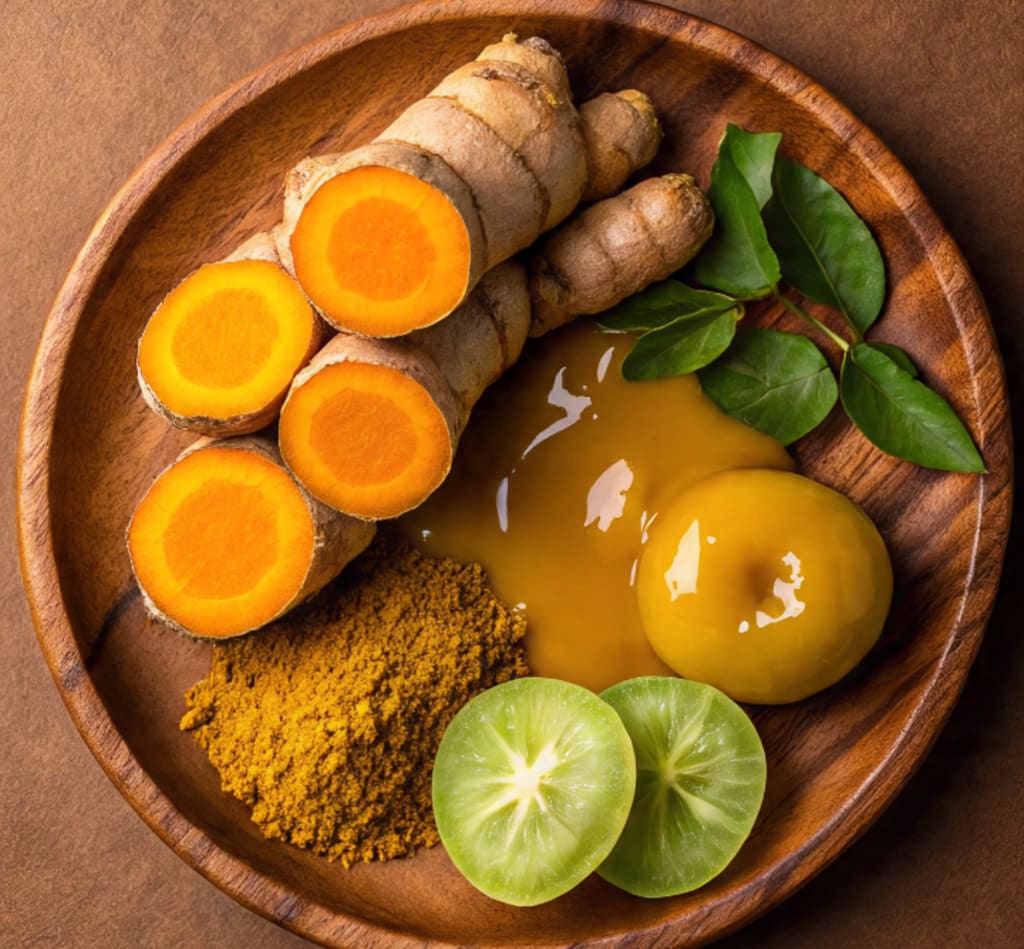
In a time when kale, quinoa, and chia seeds dominate health food conversations, we often forget that our grandmothers had already discovered nature’s original superfoods — long before "organic" or "clean eating" became trends. These traditional desi ingredients, deeply rooted in South Asian kitchens, were not only delicious but also packed with medicinal properties.
Modern science is now catching up with what our ancestors knew all along: these everyday foods are nutritional powerhouses. Here are five desi superfoods your grandmother swore by — and science now backs.
1. Turmeric (Haldi): The Golden Healer
Why Grandma Loved It:
Whether it was for a sore throat, joint pain, or a cut, haldi wala doodh (turmeric milk) was her go-to remedy. Applied on wounds or stirred into food, turmeric was her golden cure-all.
What Science Says:
Turmeric contains curcumin, a bioactive compound with powerful anti-inflammatory and antioxidant properties. Studies have shown that curcumin may:
Help reduce arthritis symptoms
Improve brain function and lower risk of neurodegenerative diseases
Support heart health by improving blood vessel function
Boost immunity
Research from the National Institutes of Health (NIH) supports turmeric’s potential in managing chronic inflammation, which is the root cause of many modern diseases like cancer, diabetes, and Alzheimer’s.
How to Use:
Add turmeric to lentils, curries, or milk. For better absorption, combine with black pepper (which contains piperine — boosts curcumin absorption by up to 2,000%).
2. Amla (Indian Gooseberry): The Vitamin C Powerhouse
Why Grandma Loved It:
Whether it was raw, pickled, or in murabba (sweet preserve), amla was part of every desi household. She believed it sharpened memory, improved eyesight, and kept hair shiny and black.
What Science Says:
Amla is one of the richest natural sources of Vitamin C — with 20 times more than an orange. It is also loaded with polyphenols, tannins, and flavonoids, making it an antioxidant superstar.
Scientific benefits include:
Strengthening the immune system
Lowering blood sugar and improving insulin sensitivity
Enhancing liver function
Supporting skin and hair health
Improving heart health by reducing cholesterol
How to Use:
Consume fresh amla juice daily, or take dried amla powder with honey or warm water. You can also enjoy it in chutneys, candies, or herbal teas.
3. Ghee (Clarified Butter): The Healthy Fat That’s Making a Comeback
Why Grandma Loved It:
Grandma didn't shy away from adding ghee to your roti, khichdi, or halwa. She believed it strengthened the body, improved digestion, and kept the joints lubricated.
What Science Says:
Once misunderstood, ghee is now recognized for its health benefits. Made by simmering butter to remove milk solids, ghee is rich in fat-soluble vitamins (A, D, E, K) and butyrate, a short-chain fatty acid with anti-inflammatory effects.
Benefits include:
Supporting gut health by nourishing intestinal cells
Strengthening bones and joints
Providing long-lasting energy
Supporting healthy cholesterol levels when used in moderation
Ghee is also ideal for high-heat cooking due to its high smoke point.
How to Use:
Add 1–2 teaspoons to your meals daily. Use it for cooking or drizzle over rice and vegetables for enhanced flavor and nutrition.
4. Fenugreek (Methi Seeds): The Diabetes-Fighter
Why Grandma Loved It:
From aiding digestion to boosting milk production in nursing mothers, fenugreek seeds were grandma’s hidden gem. She even soaked the seeds overnight to make a morning tonic.
What Science Says:
Fenugreek seeds are packed with soluble fiber, iron, magnesium, and plant compounds like saponins and trigonelline, which have potent medicinal effects.
Clinical studies have shown:
Lowering blood sugar in people with type 2 diabetes
Improving cholesterol levels
Reducing inflammation
Supporting weight loss and appetite control
Fenugreek also contains compounds that mimic estrogen, making it helpful in managing menstrual discomfort and improving lactation.
How to Use:
Soak 1 teaspoon of methi seeds overnight and drink the water in the morning. Add seeds to curries, lentils, or even sprout them for salads.
5. Besan (Gram Flour): More Than Just a Batter
Why Grandma Loved It:
From crispy pakoras to besan halwa, and even as a face mask, besan was everywhere in her world. She called it “protein for the poor.”
What Science Says:
Made from ground chickpeas, besan is gluten-free, high in plant protein, and rich in fiber, iron, and B vitamins.
Scientific benefits include:
Supporting weight loss by increasing satiety
Stabilizing blood sugar levels
Improving heart health
Enhancing digestion
It also has a low glycemic index, making it ideal for diabetics. Besan applied topically can reduce acne, improve skin tone, and exfoliate dead skin cells.
How to Use:
Replace refined flour with besan in pancakes, bread, or fritters. Use as a natural face scrub by mixing with yogurt or rosewater.
🌿 Final Thoughts: When Grandma Knows Best
Our grandmothers didn’t have nutritional science journals — but they had centuries of wisdom passed down through generations. Today, modern research is validating what they always knew: food is medicine.
Incorporating these five desi superfoods into your daily diet isn't just a nod to tradition — it’s a smart, science-backed choice for better health. As the wellness world looks for miracle foods, maybe the real miracles were already in our kitchens all along.
So next time you sip haldi doodh or enjoy ghee on your roti, remember — your grandmother wasn’t just cooking; she was healing.
About the Creator
Keep reading
More stories from Muhib Ullah and writers in Feast and other communities.
The Hidden Dangers of Plastic Lunch Boxes for Children
The Hidden Dangers of Plastic Lunch Boxes for Children: A Call for Healthier Alternatives In recent years, the use of plastic lunch boxes, aluminum foil, and plastic wrap has become a common practice among parents preparing meals for their school-going children. Mothers often pack food items, such as parathas, in plastic containers or wrap them in aluminum foil or plastic wrap for convenience. However, experts are raising serious concerns about the potential health risks associated with these materials. While they may seem practical, plastic lunch boxes and similar packaging can pose significant threats to children’s health, potentially disrupting their hormonal balance and depriving their bodies of essential nutrients. This article explores the dangers of plastic and aluminum in food storage and highlights why switching to safer alternatives, such as stainless steel, is critical for safeguarding children’s health.
By Muhib Ullah 7 months ago in Feast
Cricket powder cinnamon banana bread
I lived in Mexico for some years, many Moons ago, twice. It was there when I saw for the first time fried crispy crickets (known as chapulines in Mexico) tacos seasoned with lime, garlic, salt, and chile. Cricket tacos are a traditional delicacy which is especially popular in the Oaxaca region of Mexico. You can find them as a street food optionat outdoor markets in Mexico (look for chapulines) or at speciality restauants in the U.S. (just make sure the crickets are for human consumption).
By Susan Fourtané about a month ago in Feast
Edible Offal Market Size and Forecast 2025: A Global Shift Toward Sustainable, Affordable Protein
Edible Offal Market Size and Forecast 2025 The Edible Offal Market is projected to reach US$ 59.60 billion by 2033, rising from US$ 39.66 billion in 2024, registering a CAGR of 4.63% from 2025 to 2033, according to Renub Research. This steady expansion reflects a powerful global shift toward affordable, nutrient-dense protein sources, culturally rooted culinary practices, rising meat consumption, sustainable meat processing, and increasing awareness of food waste reduction. Particularly in developing regions and ethnic cuisine markets, offal is no longer seen as a by-product—it is emerging as both a nutritional asset and a sustainability solution.
By Aaina Oberoia day ago in Feast


Comments
There are no comments for this story
Be the first to respond and start the conversation.