
What are the natural resources on Earth?
Love nature

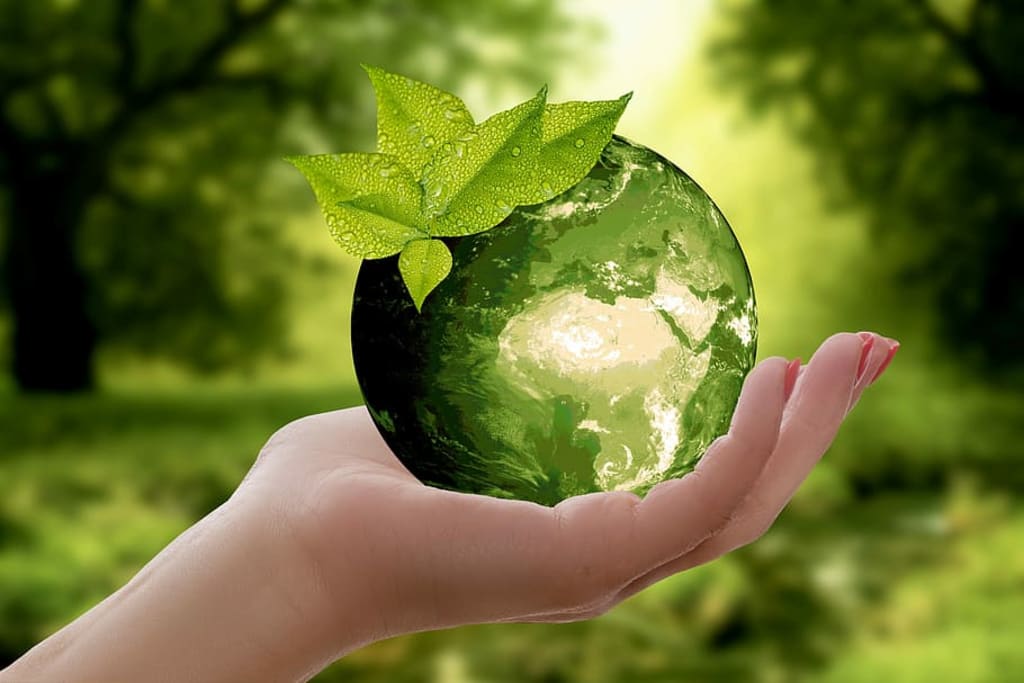
Natural resources are materials or substances that occur naturally on Earth and are used by humans to meet their needs. They can be broadly classified into two categories: renewable and non-renewable resources.
Renewable Resources:
Renewable resources are those resources that can be replenished over time, such as sunlight, wind, water, and biomass. These resources are sustainable and can be used repeatedly without depleting them. Renewable resources are crucial for human survival and can provide numerous benefits, such as clean energy, food, and fiber.
Non-Renewable Resources:
Non-renewable resources are those resources that are finite and cannot be replenished in a short period, such as fossil fuels, minerals, and metals. These resources are essential for human development, but their exploitation can have significant environmental impacts, such as air and water pollution, habitat destruction, and climate change.
Renewable energy sources such as solar, wind, and hydroelectric power are clean and sustainable alternatives to fossil fuels. They are used to generate electricity and reduce dependence on non-renewable resources. Renewable energy sources have numerous benefits, including reducing greenhouse gas emissions, improving air quality, and creating job opportunities in the clean energy sector. However, their implementation requires significant investments in infrastructure and technology, as well as policies that incentivize their adoption.
Some examples of natural resources are:
1. Water:
Water is a precious natural resource that is essential for all living organisms on Earth. It is used for drinking, irrigation, agriculture, and industrial processes. Water also plays a critical role in maintaining ecosystems, and its scarcity can have severe consequences on human health and the environment. Climate change, pollution, and unsustainable use of water resources are some of the major challenges that we face today in managing and conserving this vital resource.
2. Forests:
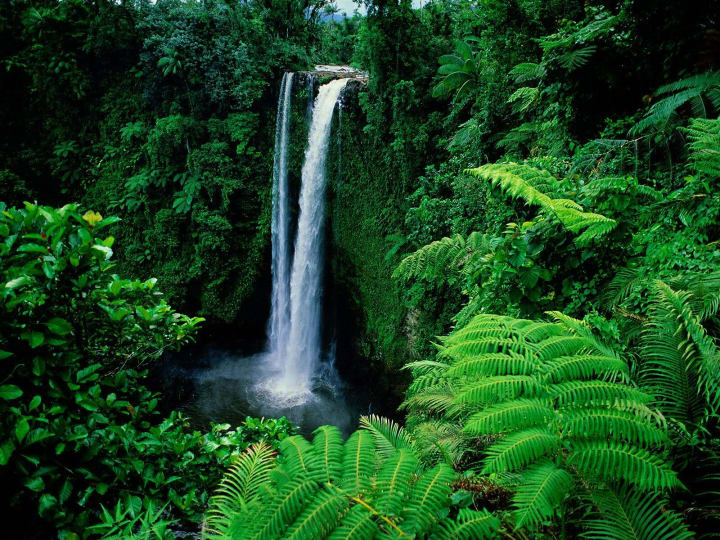
Forests are a critical natural resource that provides numerous benefits, including habitat for wildlife, biodiversity conservation, carbon sequestration, and sustainable livelihoods for millions of people worldwide. Forests are also an important source of timber and non-timber forest products such as fruits, nuts, and medicinal plants. However, deforestation and forest degradation are major global environmental problems that result in habitat loss, soil erosion, climate change, and other negative impacts on the environment and human well-being.
3. Minerals and Metals:
Minerals and metals are essential resources for industrial development and economic growth. They are used in construction, manufacturing, and electronics, among other applications. However, the extraction, processing, and use of these resources can have significant environmental impacts, including land degradation, water pollution, and greenhouse gas emissions. Sustainable mining practices and resource conservation are crucial to mitigate these impacts and ensure the long-term availability of these resources.
4. Oil and Gas:
Fossil fuels such as oil and gas are critical resources that have powered modern society for decades. They are used for transportation and energy production. However, the burning of fossil fuels is the main contributor to climate change, which poses a significant threat to the environment and human well-being. Therefore, transitioning to renewable energy sources such as solar, wind, and hydroelectric power is essential to reduce dependence on fossil fuels and mitigate the impacts of climate change.
In conclusion, natural resources are fundamental to human life and the environment. The Earth's natural resources are finite and require careful management and sustainable use to ensure their availability for future generations. Renewable resources, such as solar and wind energy, offer a clean and sustainable alternative to non-renewable resources, such as fossil fuels. The use of renewable resources reduces greenhouse gas emissions and helps to mitigate the impacts of climate change. On the other hand, non-renewable resources, such as minerals and metals, are essential for industrial development and economic growth, but their extraction and use can have significant environmental impacts. It is crucial to ensure that natural resources are used in a sustainable manner to avoid over-exploitation and depletion. Therefore, responsible and sustainable management of natural resources is critical for ensuring the long-term well-being of both humans and the environment.
About the Creator
Love The Green
Welcome to my page,I hope to share my experiences, insights, and knowledge with fellow nature enthusiasts.Together, we can celebrate the wonders of the natural world, and work to protect and preserve it for future generations to enjoy🌿🌲
Keep reading
More stories from Love The Green and writers in Earth and other communities.
What are the 4 types of environment?
The environment is the surroundings in which an organism lives and is a crucial aspect of life on Earth. It includes all the living and non-living components that affect the survival and well-being of living organisms. The environment can be classified into four major types: terrestrial, aquatic, atmospheric, and human-made environments. Each of these environments has its unique characteristics, which are determined by various factors such as climate, geography, and human activities. Understanding the different types of environments is essential for effective conservation and management of natural resources. The terrestrial environment comprises land-based ecosystems such as forests, deserts, and grasslands. The aquatic environment includes oceans, lakes, rivers, and other water bodies. The atmospheric environment refers to the gaseous layer surrounding the Earth, while the human-made environment comprises the environment created or modified by human activities. This article will provide an overview of the four types of environments, their characteristics, and their importance for sustaining life on Earth.
By Love The Green3 years ago in Earth
Evidence Suggests a Large Hidden Planet May Exist in Our Solar System
For centuries, scientists believed the major members of our Solar System were fully known. From the rocky inner planets to the gas giants and icy bodies beyond, astronomers thought they had mapped most of the significant objects orbiting the Sun. However, new research by American scientists suggests that a large, hidden planet may still be lurking in the distant reaches of our Solar System.
By Irshad Abbasi 3 days ago in Earth


Comments
There are no comments for this story
Be the first to respond and start the conversation.