Nature
Tea of Silence. AI-Generated.
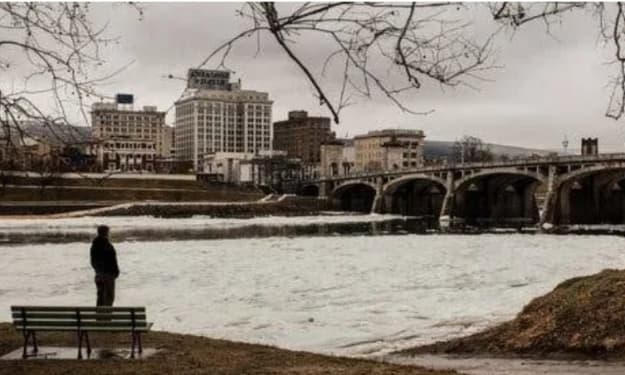
The snow had covered the hills for days, turning the land into a quiet white world where sound seemed afraid to exist. On the highest of these hills, beneath a dry, leafless tree, a young man sat alone. The tree had long ago lost its strength, its branches thin and broken, but it still stood, as if refusing to disappear. The young man chose this place often, not because it was comfortable, but because it was honest.
By Bilal Mohammadiabout 9 hours ago in Earth
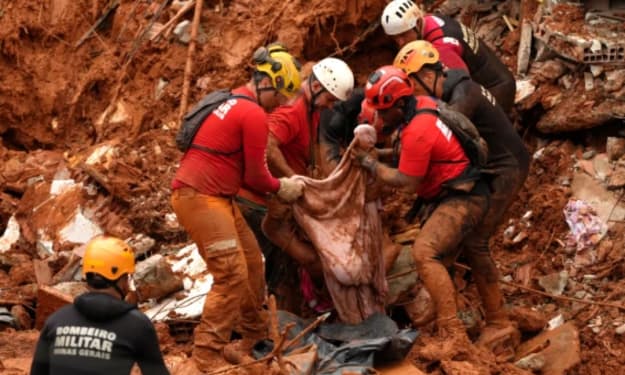
Arrests After Responders Are Struck at Scene of Crash. AI-Generated.
Emergencies often put first responders on the front line, but a recent incident has highlighted the risks they face from more than just the crisis at hand. Authorities have confirmed multiple arrests after paramedics and police officers were struck while attending the scene of a serious crash. The shocking episode has sparked widespread concern about the safety of emergency personnel and the growing need for stricter enforcement and public awareness. The incident, which unfolded during the early evening rush hour, underscores the vulnerability of those who rush toward danger to protect others, and serves as a grim reminder that not all threats come from the scene itself. The Incident Unfolds According to police reports, first responders were attending a multi-vehicle collision on a busy highway when the situation escalated. While traffic was being controlled and victims assisted, several responders were struck. Initial reports suggest that at least two officers and one paramedic sustained injuries, though thankfully none are life-threatening. Eyewitnesses described scenes of confusion and panic as vehicles failed to slow down near the crash site. Some drivers reportedly ignored cones, flares, and law enforcement instructions, creating dangerous conditions that forced responders to take evasive action. The risk was compounded by poor visibility due to evening darkness and wet road conditions. Arrests and Legal Action Police confirmed that multiple individuals were arrested in connection with the incident. Charges include reckless driving, assault on emergency personnel, and obstruction of justice. Authorities stressed that this kind of behaviour will not be tolerated, emphasizing the seriousness of endangering first responders. The arrests have been welcomed by both local officials and the wider emergency services community. Speaking to the media, a senior officer stated, “We will pursue anyone who puts our officers and paramedics at risk. Responders deserve respect and protection while performing their duties.” The Growing Danger for First Responders This event is part of a troubling trend seen in many regions worldwide. First responders—paramedics, firefighters, and police officers—are increasingly exposed to risks not only from the emergencies they attend but also from the public they serve. Distracted driving, aggressive behaviour, and disregard for traffic laws can transform even routine call-outs into life-threatening situations. According to safety studies, responders are far more likely to be injured at crash scenes than the individuals involved in the accidents themselves. Officials say the combination of high-speed traffic, congestion, and public impatience can make emergency scenes extremely hazardous, highlighting the need for both public awareness campaigns and strict enforcement of safety regulations. Eyewitness Accounts Bystanders at the scene described scenes of confusion and bravery. One witness said, “The responders were working quickly to help victims, but some drivers just didn’t stop or move over. It was terrifying to see them getting hit while trying to save lives.” Another observer praised the quick action of law enforcement, stating, “The officers and paramedics kept calm under pressure, directing traffic and helping the injured. It could have been much worse if they hadn’t acted so decisively.” These accounts underscore the thin line between order and chaos at crash sites, and the courage required to navigate it. Emergency Services Speak Out The incident has prompted statements from multiple emergency service organisations, calling for public cooperation and respect for responders. Paramedics and police unions highlighted that assaults on personnel are not just a legal issue—they are a public safety issue. Officials reiterated that the presence of cones, flares, and law enforcement officers is not optional. They are part of critical safety protocols designed to protect both responders and the general public. Ignoring these warnings can lead to serious legal consequences, including arrest. Public Responsibility Experts say that public behaviour plays a crucial role in preventing these incidents. Simple actions such as slowing down near crash sites, following police directions, and keeping a safe distance from emergency personnel can dramatically reduce risk. In many countries, laws require drivers to move over for emergency vehicles and personnel on highways. Failure to comply can result in fines, points on a driver’s license, or even criminal charges if someone is injured. The recent arrests serve as a high-profile reminder that such laws are actively enforced. Broader Implications for Road Safety The incident also raises questions about infrastructure and traffic management near high-risk areas. Emergency planners emphasise the need for proper signage, road design, and public education campaigns to reduce the likelihood of similar events. Technology may play a role in the future. From warning lights and automated traffic alerts to smart navigation apps that alert drivers to emergency scenes, modern solutions can help protect responders from harm while improving overall traffic safety. Community Response Community reactions have been largely supportive of the responders. Social media has seen a wave of messages praising first responders for their bravery, while calling out dangerous driving and reckless behaviour. Local leaders have echoed these sentiments, stressing that safety is a shared responsibility. “Every driver has a role to play in protecting those who protect us,” one official stated. “Incidents like this are a wake-up call for everyone to follow the rules and act responsibly.” Moving Forward Authorities have pledged continued vigilance and enforcement, while also reviewing protocols to enhance responder safety. Emergency services are exploring additional measures such as temporary road closures, enhanced signage, and public education initiatives to minimise risk during high-traffic incidents. For the public, the message is clear: cooperation saves lives. Respecting safety zones, following directions, and remaining calm around emergency scenes is not just courteous—it can prevent tragedy. Conclusion The arrests following the attack on responders at the crash scene highlight a troubling reality: those who rush toward danger to save lives often face hazards from the public they serve. While the legal consequences are immediate, the broader lesson is one of awareness, respect, and shared responsibility. As winter travel continues and roads remain busy, communities must remember that emergency responders are working under pressure to protect everyone. Simple acts—slowing down, moving over, and staying alert—can prevent incidents like this from happening again. In the end, safety at emergency scenes is not just the responsibility of responders—it belongs to all of us. Respecting that responsibility ensures that those who help others can return home safely at the end of the day.
By Muhammad Hassanabout 11 hours ago in Earth
US Balks as UK and France Pledge Troops to Postwar Ukraine. AI-Generated.
As the war in Ukraine grinds on with no clear end in sight, the debate over what comes after the fighting has taken a sharper turn. The United States has signalled reluctance about committing troops to Ukraine once the war ends, even as the United Kingdom and France openly pledge to consider deploying forces in a postwar security role. The divergence has exposed differing strategic priorities among Western allies and raised new questions about how Ukraine’s future security will be guaranteed. While all three nations remain united in their support for Kyiv during the war, the emerging split over postwar troop commitments highlights the complexity of planning for peace in a conflict that continues to reshape Europe’s security landscape. What the UK and France Are Proposing British and French leaders have increasingly spoken about the need for long-term security arrangements for Ukraine once active hostilities end. Their position reflects a growing concern that any ceasefire or peace agreement could be fragile, leaving Ukraine vulnerable to renewed aggression. The idea under discussion is not a combat deployment in an active war zone, but rather a stabilisation or reassurance force. Such troops could help train Ukrainian forces, protect critical infrastructure, and serve as a visible deterrent against future attacks. Supporters argue that a limited but credible international presence would help ensure that any peace settlement is respected. For London and Paris, this approach fits within a broader European push to take more responsibility for continental security. Both governments see Ukraine not only as a partner but as a frontline state whose stability directly affects Europe as a whole. Why Washington Is Hesitant The United States, while remaining Ukraine’s most significant military backer during the war, has taken a more cautious stance on postwar troop deployments. American officials have stressed that there are no plans to send US forces into Ukraine, even after a potential peace agreement. This hesitation is rooted in several factors. First, Washington remains wary of any move that could risk a direct confrontation with Russia. Even in a postwar scenario, the presence of US troops on Ukrainian soil could be portrayed by Moscow as a provocation, escalating tensions rather than reducing them. Second, domestic considerations play a major role. After years of overseas military engagements, there is limited appetite among the American public and political class for new long-term deployments abroad, particularly in a region where risks remain high and outcomes uncertain. Finally, US strategy has increasingly emphasised supporting allies through funding, training, and equipment rather than large-scale troop commitments. From Washington’s perspective, enabling Ukraine to defend itself may be preferable to stationing American forces on the ground. A Question of Deterrence At the heart of the debate lies a fundamental question: what will actually deter future aggression against Ukraine? The UK and France appear to believe that a physical presence, however limited, would send a powerful signal of commitment. Troops on the ground would demonstrate that Ukraine’s security is directly tied to that of major European powers, raising the cost of any future attack. The US, by contrast, seems to place greater faith in alternative mechanisms such as long-term military aid, security guarantees, and sanctions frameworks. American officials argue that deterrence does not necessarily require boots on the ground, especially if Ukraine emerges from the war better armed and more integrated with Western institutions. This difference reflects broader strategic cultures. European powers, facing the immediate proximity of the conflict, may feel a stronger need for visible reassurance measures, while the US assesses risks from a more global perspective. Implications for NATO Unity Although Ukraine is not a NATO member, the discussion has clear implications for the alliance. Any deployment of UK or French troops would be closely scrutinised for what it means for NATO’s role and credibility. NATO operates on consensus, and the absence of US support for a postwar troop presence could complicate coordination. Even if London and Paris act independently or as part of a smaller coalition, questions would remain about command structures, rules of engagement, and the political backing required for such a mission. At the same time, the situation underscores a broader shift within NATO, with European members increasingly expected to shoulder more responsibility. If the UK and France proceed with their plans, it could mark a significant step toward a more autonomous European security posture. Ukraine’s Perspective For Kyiv, the debate is both encouraging and frustrating. On one hand, the willingness of major European powers to consider troop deployments signals long-term commitment and recognition of Ukraine’s security concerns. On the other hand, uncertainty from the US—Ukraine’s most powerful ally—adds another layer of unpredictability. Ukrainian leaders have consistently argued that security guarantees must be concrete, not symbolic. From their perspective, any postwar arrangement must ensure that Russia cannot simply regroup and strike again. Whether this is achieved through foreign troops, binding treaties, or accelerated integration with Western institutions remains an open question. What is clear is that Ukraine wants assurances that go beyond promises and declarations. The Risk of Mixed Signals One potential danger of the current divergence is the message it sends to Moscow. Differing positions among Western allies could be interpreted as hesitation or lack of unity, potentially weakening deterrence rather than strengthening it. At the same time, open debate is not necessarily a sign of weakness. Allies often disagree on tactics while remaining aligned on broader goals. The challenge will be ensuring that these differences do not undermine the core objective of securing a stable and sovereign Ukraine. Diplomats on both sides of the Atlantic are likely to continue working behind the scenes to narrow the gap, even if public statements suggest a clear divide. Looking Ahead The question of postwar Ukraine remains largely theoretical while fighting continues. Yet the discussion itself reveals how seriously Western governments are taking the long-term consequences of the conflict. The UK and France’s willingness to pledge troops reflects a belief that peace must be actively protected. The US reluctance highlights concerns about escalation, sustainability, and domestic support. Reconciling these approaches will be one of the most important diplomatic challenges once the guns eventually fall silent. For now, the disagreement does not signal a breakdown in alliance unity, but it does expose the difficult choices ahead. As the war continues, planning for peace is proving almost as complex—and politically sensitive—as managing the conflict itself.
By Muhammad Hassanabout 11 hours ago in Earth
Snow, Rain and Wind Warnings Continue After Storm Goretti Disruption. AI-Generated.
Severe weather has once again placed large parts of the country on edge, as snow, rain, and strong wind warnings continue in the aftermath of Storm Goretti. While the storm’s most intense phase may have passed, its disruption lingers, leaving transport networks strained, power services under pressure, and communities bracing for further unsettled conditions. Storm Goretti arrived with a powerful combination of heavy rainfall, gusty winds, and wintry conditions in higher and northern regions. The immediate impact was widespread: flooded roads, fallen trees, travel cancellations, and temporary power outages. Now, as emergency crews and local authorities work through the damage, meteorologists are warning that the weather pattern remains unstable, with fresh alerts issued for snow, rain, and wind in the days ahead. What Storm Goretti Left Behind Goretti’s passage was fast but forceful. Torrential rain caused rivers to swell and surface water flooding to develop quickly in low-lying areas. In exposed coastal and upland regions, wind gusts were strong enough to bring down trees and damage infrastructure. Meanwhile, colder air sweeping in behind the storm delivered snow and icy conditions, particularly affecting rural roads and higher elevations. For many commuters, the disruption was immediate and frustrating. Rail services were delayed or suspended due to flooded tracks and debris on lines. Roads became hazardous, with localised closures as emergency teams worked to clear fallen branches and manage flooding. Airports also reported delays, as strong crosswinds and poor visibility complicated operations. Although the storm itself has moved on, its effects are far from over. Ongoing Warnings: Why the Risk Remains High Weather agencies have stressed that the current warnings should be taken seriously. The ground is already saturated from recent rainfall, meaning even moderate additional rain could lead to further flooding. Rivers and drainage systems are under strain, and recovery time is limited before the next weather system arrives. Snow and ice warnings add another layer of concern. Overnight temperatures are expected to dip in several regions, increasing the risk of icy roads and pavements. For drivers, this creates dangerous conditions, especially in areas where gritting resources are stretched after consecutive weather events. Wind warnings also remain in place, particularly along coasts and in elevated areas. While gusts may not reach the peak levels seen during Goretti, even slightly weaker winds can still cause problems when trees and structures have already been weakened. Impact on Communities and Daily Life For local communities, the continuation of weather warnings means disruption becomes a drawn-out experience rather than a short-term event. Schools in some areas have faced temporary closures or delayed openings, especially where travel conditions remain unsafe. Businesses dependent on transport and foot traffic are also feeling the strain, as customers stay home and deliveries are delayed. Rural areas are often hit hardest. Narrow roads, limited public transport alternatives, and longer response times can make even minor weather incidents more serious. Farmers are also concerned about waterlogged fields, livestock safety, and damage to fencing and buildings. In urban centres, the focus has shifted to managing surface water flooding and ensuring public transport can run safely. Councils are urging residents to report blocked drains and avoid unnecessary travel during warning periods. Emergency Services Under Pressure Emergency and utility services continue to operate at high alert. Fire and rescue teams have been responding to flooding incidents, fallen trees, and weather-related accidents. Power companies are working to restore and reinforce electricity supplies, while also preparing for the possibility of new outages if conditions deteriorate again. Local authorities have opened temporary support centres in some regions, particularly for vulnerable residents affected by power cuts or flooding. These efforts highlight the importance of community preparedness, as repeated weather events stretch resources and personnel. The Broader Weather Pattern Meteorologists explain that Storm Goretti is part of a broader pattern of unsettled weather driven by active Atlantic systems. Instead of a single storm followed by calm conditions, the atmosphere is producing a succession of fronts, each bringing its own mix of rain, wind, and temperature changes. This pattern increases uncertainty and makes forecasting more challenging. Small shifts in temperature can mean the difference between rain and snow, while slight changes in wind direction can significantly affect coastal impacts. As a result, weather warnings may be updated frequently, requiring the public to stay informed and flexible. How to Stay Safe During Continued Warnings Authorities are urging people not to become complacent simply because the main storm has passed. Continued vigilance is essential, especially as conditions can change quickly. Key safety advice includes: Avoid unnecessary travel during periods of snow, ice, or strong winds. Check weather updates regularly from official sources. Secure loose items outdoors that could become dangerous in high winds. Be cautious near rivers, coastlines, and flood-prone areas. Look out for neighbours, particularly elderly or vulnerable individuals. Preparation can make a significant difference, especially when weather disruption extends over several days rather than a single event. Looking Ahead While there are signs that conditions may gradually improve later in the week, the immediate outlook remains unsettled. The continuation of snow, rain, and wind warnings after Storm Goretti serves as a reminder of how quickly weather can impact daily life and essential services. For now, recovery and preparedness must go hand in hand. Clearing up after one storm while preparing for the next has become an unfortunate reality for many communities. As climate patterns continue to shift, such sequences of disruptive weather may become more common, making resilience and awareness more important than ever. Storm Goretti may no longer dominate the forecasts, but its legacy lives on in the warnings that remain—and in the determination of communities working through yet another challenging spell of weather.
By Muhammad Hassanabout 11 hours ago in Earth
Judge Trump: Courtroom Battles and Public Questions Surrounding Donald Trump
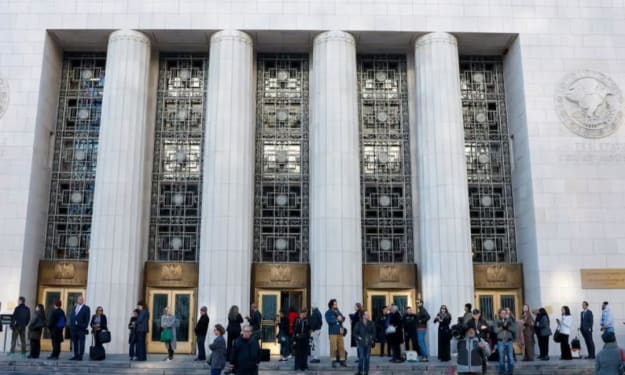
Judge Trump: Courtroom Battles and Public Questions Surrounding Donald Trump Donald Trump’s name has been repeatedly linked with judges, courts, and major legal decisions over the past several years. As a former president and a high-profile political figure, Trump has faced intense legal scrutiny, making judges central figures in news coverage and public debate. The phrase “Judge Trump” has come to reflect public curiosity about the judges who oversee Trump-related cases, their rulings, and how these legal battles may affect his political future. Understanding this topic requires looking at the legal landscape, the role of the judiciary, and the most common questions people ask. Judge Trump: Courtroom Battles and Public Questions Surrounding Donald Trump
By America today a day ago in Earth
Timothy Busfield. AI-Generated.
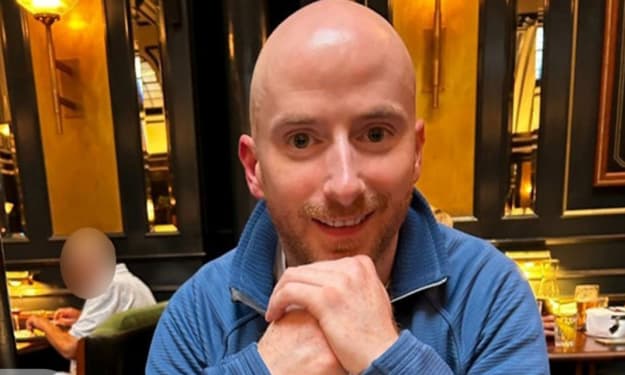
Timothy Busfield may not always dominate celebrity headlines, but his career represents something far more enduring than momentary fame. With decades of work in television, film, and theater, Busfield has carved out a reputation as a reliable performer, thoughtful director, and respected creative voice in the entertainment industry. His journey reflects the value of persistence, adaptability, and a deep respect for storytelling. Early Life and Passion for Acting Born on June 12, 1957, in Lansing, Michigan, Timothy Busfield discovered his interest in acting at an early age. Like many performers who come from outside Hollywood, his path was not paved with instant recognition. Instead, it was shaped by education, local theater work, and a steady determination to learn the craft. Busfield attended East Lansing High School, where he became involved in drama productions. Later, he pursued theater studies, refining his skills and developing an appreciation for both performance and production. This foundation would later serve him well as he transitioned between acting and directing. Breakthrough Role and Television Success Timothy Busfield gained national recognition in the late 1980s with his role as Elliot Weston on the critically acclaimed television drama Thirtysomething. The series, which explored adulthood, relationships, and personal ambition, resonated deeply with audiences. Busfield’s portrayal of Elliot—a flawed, ambitious, and emotionally complex character—earned him widespread praise. In 1989, his performance was recognized with an Emmy Award for Outstanding Supporting Actor in a Drama Series. This achievement marked a turning point in his career, establishing him as a serious actor capable of delivering nuanced, emotionally grounded performances. Film Appearances and Versatility While television brought Busfield mainstream visibility, film allowed him to showcase his versatility. One of his most memorable roles came in the 1989 baseball classic Field of Dreams, where he played Mark, the skeptical brother-in-law whose practicality contrasts with the film’s themes of hope and belief. Though not the lead, Busfield’s grounded performance added realism to a story rooted in fantasy and nostalgia. He later appeared in films such as Little Big League and Revenge of the Nerds, demonstrating his ability to shift between drama, comedy, and family-oriented storytelling. These roles reinforced his image as a dependable character actor who strengthens every project he joins. Transition into Directing Beyond acting, Timothy Busfield gradually expanded his role behind the camera. His transition into directing was not abrupt but rather a natural evolution driven by curiosity and experience. Over the years, he has directed episodes of numerous popular television series, including ER, The West Wing, Without a Trace, Law & Order: SVU, and Chicago Hope. Busfield’s directing style reflects his background as an actor. He is known for prioritizing performance, character development, and emotional authenticity. Cast members have often described him as collaborative and supportive, qualities that stem from his firsthand understanding of life on set. Theater and Creative Leadership In addition to his screen work, Busfield has remained deeply connected to theater. Along with his wife, actress Melissa Gilbert, he co-founded the Lookingglass Theatre Company in Chicago, where he served as artistic director. This commitment to stage performance highlights his belief in theater as the heart of acting and storytelling. His involvement in theater is not merely nostalgic; it reflects an ongoing dedication to nurturing creativity, mentoring young talent, and preserving spaces where stories can be told without commercial pressure. Personal Life and Public Advocacy Timothy Busfield’s personal life has also drawn public interest, particularly his marriage to Melissa Gilbert, known for her iconic role in Little House on the Prairie. Their relationship has been marked by mutual respect and shared creative values. Together, they have spoken openly about marriage, health challenges, and personal growth, offering a candid perspective rarely seen in Hollywood. Busfield has also been an advocate for the arts and education, often emphasizing the importance of community, collaboration, and long-term commitment over quick success. A Legacy of Substance Over Stardom What sets Timothy Busfield apart is not a single defining role, but the consistency of his contributions. He represents a category of artist whose work quietly shapes the industry—supporting stories, guiding performances, and maintaining high standards across decades. In an era where celebrity culture often prioritizes visibility over substance, Busfield’s career serves as a reminder that meaningful success can be built on professionalism, humility, and genuine passion for the craft. Whether acting, directing, or mentoring, his influence continues to ripple through the entertainment world. Conclusion Timothy Busfield’s journey is a testament to longevity and purpose in the arts. His work may not always be loud, but it is lasting. Through memorable performances, thoughtful direction, and unwavering dedication to storytelling, he has earned a place as one of the industry’s most respected and enduring figures. For audiences who value authenticity and depth, Busfield’s career offers something rare: proof that consistency, integrity, and love for the craft can build a legacy that stands the test of time.
By Saboor Brohi a day ago in Earth
United States Malted Wheat Flour Market Size and Forecast 2025–2033. AI-Generated.
United States Malted Wheat Flour Market The United States Malted Wheat Flour Market is entering a phase of steady and value-driven growth, supported by evolving consumer preferences, technological advances in milling, and rising demand from bakeries, confectioneries, and craft breweries. According to Renub Research, the market is projected to reach US$ 19.54 billion by 2033, expanding from US$ 12.37 billion in 2024, at a compound annual growth rate (CAGR) of 5.21% from 2025 to 2033.
By jaiklin Fanandisha day ago in Earth
How Dangerous Is Chernobyl Radiation Today
many people still ask the same question: how dangerous is chernobyl radiation today? The short answer is that the danger still exists, but it is very different from what it was in 1986. Radiation levels have dropped a lot, some areas are safer than others, and strict rules remain in place to protect people and the environment. To understand the real risk today, it is important to look at what happened, what has changed, and what dangers still remain.
By Horizon Dwellers2 days ago in Earth
Climate Uncovered: How Earth’s Atmosphere Shapes Our Past, Present, and Future
## Climate Uncovered: How Earth’s Atmosphere Shapes Our Past, Present, and Future Climate is more than just a scientific term or a topic in school textbooks. It is a powerful force that shapes ecosystems, economies, cultures, and daily life across the planet. From the clothes people wear to the food they grow and the cities they build, climate plays a defining role. In recent years, interest in climate has grown rapidly as people seek to understand long-term environmental changes and what they mean for the future of humanity. This article explains climate in a clear and engaging way while answering the most common questions people search for and ask.
By America today 2 days ago in Earth