
What are the 4 types of environment?
Love the nature

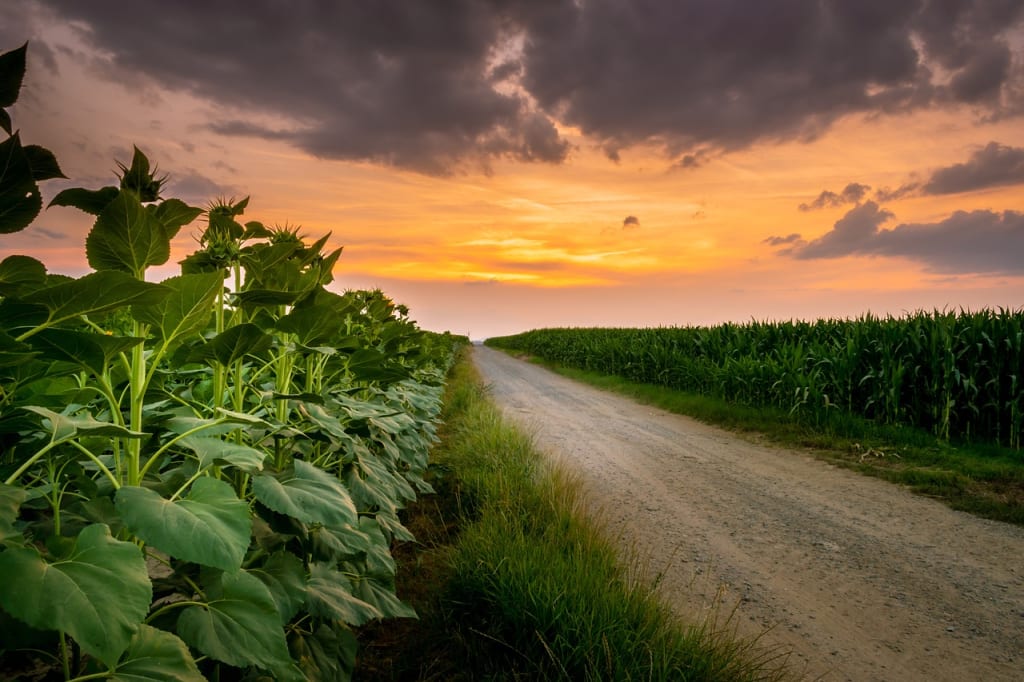
The environment is the surroundings in which an organism lives and is a crucial aspect of life on Earth. It includes all the living and non-living components that affect the survival and well-being of living organisms. The environment can be classified into four major types: terrestrial, aquatic, atmospheric, and human-made environments. Each of these environments has its unique characteristics, which are determined by various factors such as climate, geography, and human activities. Understanding the different types of environments is essential for effective conservation and management of natural resources. The terrestrial environment comprises land-based ecosystems such as forests, deserts, and grasslands. The aquatic environment includes oceans, lakes, rivers, and other water bodies. The atmospheric environment refers to the gaseous layer surrounding the Earth, while the human-made environment comprises the environment created or modified by human activities. This article will provide an overview of the four types of environments, their characteristics, and their importance for sustaining life on Earth.
The environment refers to the surroundings in which an organism lives, which can be classified into four major types based on various characteristics such as biotic and abiotic factors, the presence or absence of water, and the geographical location. These four types of environments are the terrestrial environment, aquatic environment, atmospheric environment, and human-made environment. Each of these environments has its unique characteristics, and understanding them is essential for effective conservation and management of natural resources.
Terrestrial Environment:
The terrestrial environment is the land-based environment that includes forests, grasslands, deserts, and other ecosystems. This environment is characterized by a wide range of biotic and abiotic factors such as soil, water, air, sunlight, and climate. The terrestrial environment can be further classified based on the type of vegetation and climate, which gives rise to various types of ecosystems such as tropical rainforests, temperate forests, savannas, tundra, and deserts. Terrestrial environments play a critical role in providing habitats for many species of plants and animals, as well as providing resources for human activities such as agriculture, forestry, and mining.
Aquatic Environment:
The aquatic environment is the water-based environment that includes oceans, lakes, rivers, wetlands, and other water bodies. This environment is characterized by a variety of abiotic factors such as water temperature, salinity, dissolved oxygen, and pH, which play a crucial role in the survival of aquatic organisms. The aquatic environment can be further classified based on the salinity of the water into freshwater and marine ecosystems. Aquatic environments are home to a diverse range of organisms, including fish, amphibians, invertebrates, and algae, and provide numerous ecosystem services, such as water purification, nutrient cycling, and carbon sequestration.
Atmospheric Environment:
The atmospheric environment refers to the gaseous layer surrounding the Earth, which includes the air we breathe, weather patterns, and climate. The atmospheric environment is characterized by the presence of various gases such as oxygen, nitrogen, carbon dioxide, and water vapor, which play a crucial role in regulating the Earth's temperature and climate. The atmospheric environment is also affected by human activities, such as burning fossil fuels and deforestation, which contribute to the emission of greenhouse gases and climate change.
Human-Made Environment:
The human-made environment is the environment created or modified by human activities, which includes cities, roads, buildings, and other infrastructure. The human-made environment is characterized by a high degree of modification of natural ecosystems, which can have significant impacts on the environment and human health. Human-made environments can also provide many benefits, such as access to resources and opportunities for social and economic development. However, they also present numerous challenges, including pollution, habitat destruction, and climate change.
In conclusion, understanding the different types of environments and their characteristics is essential for effective conservation and management of natural resources. Each type of environment is unique and has its challenges and opportunities for sustaining life and supporting human activities. Conservation efforts should aim to balance the needs of human development with the protection of the environment to ensure a sustainable future for all.
About the Creator
Love The Green
Welcome to my page,I hope to share my experiences, insights, and knowledge with fellow nature enthusiasts.Together, we can celebrate the wonders of the natural world, and work to protect and preserve it for future generations to enjoy🌿🌲
Keep reading
More stories from Love The Green and writers in Earth and other communities.
Desertification
Introduction Desertification is a process by which fertile land becomes desert, typically as a result of drought, deforestation, overgrazing, or other human activities that lead to soil degradation. It is a significant global issue that affects millions of people and has far-reaching consequences for the environment. Desertification can lead to food and water insecurity, displacement of people, and ecosystem changes. It is often exacerbated by climate change, which can increase the frequency and severity of droughts.
By Love The Green3 years ago in Earth
Pruning Shrubs with Confidence: When and How to Make the Cut
For many gardeners, pruning triggers anxiety. The fear of cutting the wrong branch at the wrong time and ruining years of growth stops countless pruners in their tracks. The result? Overgrown shrubs that bloom poorly, harbor disease, and obscure windows and walkways.
By Emma Wallace7 days ago in Earth


Comments (1)
Yes I understand this concept very clear