
The Hidden Fury of Nature:
Understanding the Causes of Cloud Bursts
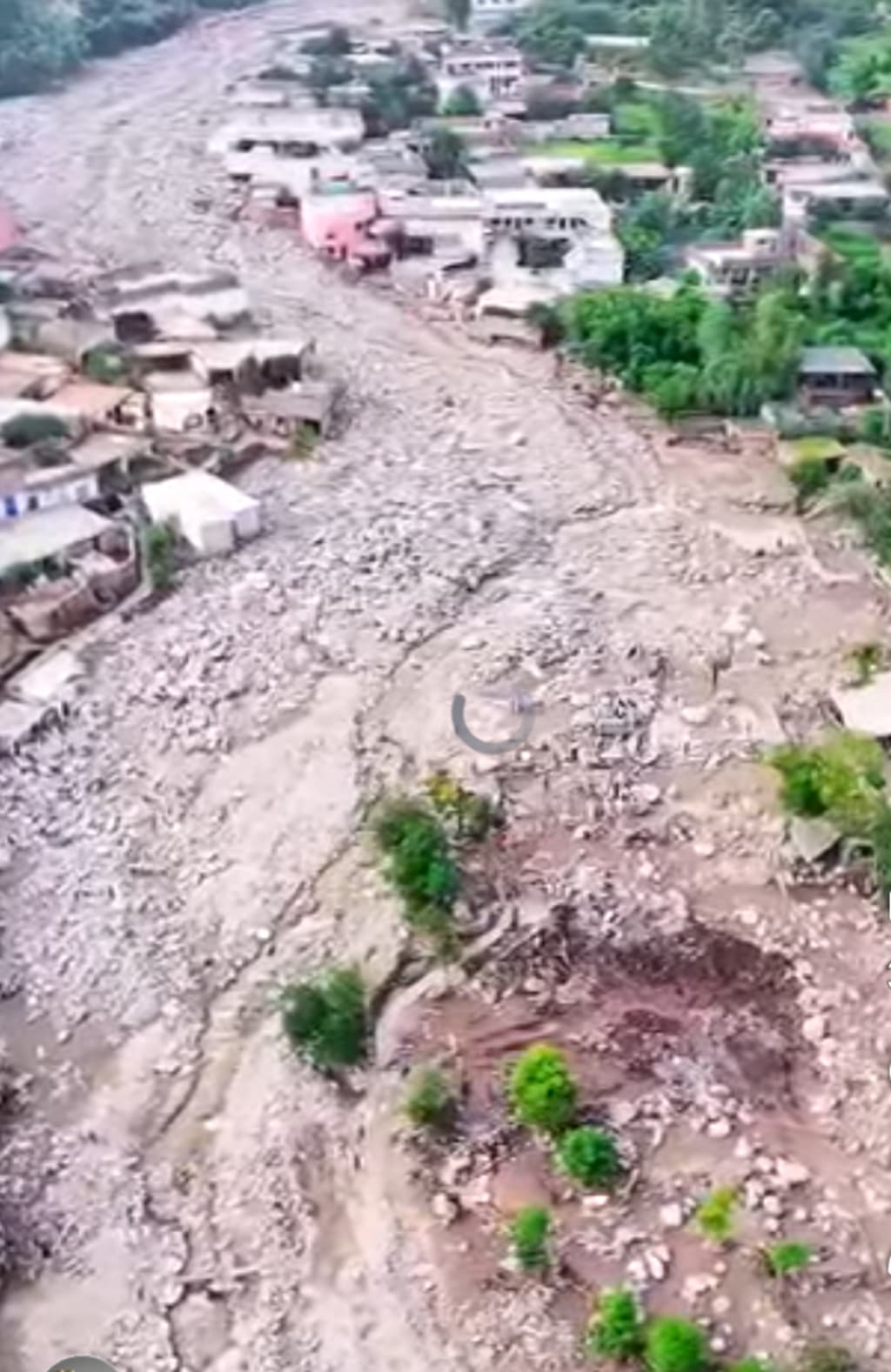
When we think of natural disasters, images of earthquakes, hurricanes, and floods often come to mind. However, in recent years, one term has frequently made headlines in many parts of the world, particularly in mountainous regions: cloud burst. The phenomenon of a cloud burst can transform a peaceful valley into a raging torrent within minutes, leaving devastation in its wake. But what exactly causes a cloud burst, and why does it happen so suddenly? Let’s dive deep into the science, geography, and human factors behind this frightening event.
---
What is a Cloud Burst?
In simple terms, a cloud burst is an extreme amount of rainfall that occurs in a very short period of time, usually localized to a small area. Imagine the sky opening up like a giant water tap, pouring down massive quantities of rain in a matter of minutes. Unlike a regular downpour or thunderstorm that can last for hours and cover large regions, a cloud burst is concentrated, intense, and sudden.
Scientists typically classify a cloud burst as rainfall exceeding 100 millimeters (about 4 inches) within an hour over a small area of around 25 square kilometers or less. This level of rainfall is too much for the soil, rivers, or drainage systems to handle, resulting in flash floods, landslides, and destruction.
---
The Science Behind Cloud Bursts
Cloud bursts occur because of a combination of meteorological and geographical factors. Here are the main causes:
1. Orographic Lifting (Mountains at Work)
Most cloud bursts occur in mountainous regions such as the Himalayas. This is because moist air from oceans or plains moves upward when it encounters mountains. As the air rises, it cools rapidly, and the water vapor condenses to form dense clouds. If these clouds become saturated and unstable, they can release their moisture suddenly, causing a cloud burst.
2. Convectional Rainfall
In hot climates, warm air near the surface rises quickly and carries a large amount of moisture. When this air cools at higher altitudes, the vapor condenses and results in heavy rainfall. In some cases, the condensation becomes so intense that it leads to an explosive downpour — the hallmark of a cloud burst.
3. Low-Level Jet Streams
A lesser-known but significant cause involves jet streams, which are fast-moving air currents in the atmosphere. When these streams interact with monsoon winds, they can push massive amounts of moisture into a localized area. This enhances rainfall intensity, triggering conditions suitable for a cloud burst.
4. Thermodynamic Instability
Sometimes the atmosphere becomes unstable because of temperature differences between the ground and the upper atmosphere. When moist, warm air collides with colder air masses, it creates instability that can result in sudden and concentrated rainfall.
---
The Role of Geography
Geography plays a critical role in determining where cloud bursts occur. Areas with steep slopes, narrow valleys, and fragile soil are particularly vulnerable. This is why countries like India, Nepal, and Pakistan, which lie along the Himalayan range, frequently experience cloud bursts during the monsoon season.
The limited area of valleys also means that water has fewer outlets. When a sudden downpour happens, rivers swell beyond capacity, causing flash floods. The lack of wide floodplains in hilly regions only amplifies the damage.
---
Human-Induced Factors
While cloud bursts are natural events, human activity has worsened their impact:
1. Deforestation: Cutting down forests weakens the soil’s ability to absorb water, leading to landslides after heavy rain.
2. Urbanization: Expanding towns and cities in vulnerable areas reduce natural drainage, increasing the risk of flash floods.
3. Climate Change: Rising global temperatures increase the water-holding capacity of the atmosphere. This means storms and rainfall events, including cloud bursts, are becoming more frequent and intense.
---
Recent Examples
Cloud bursts have caused significant tragedies in recent decades. For example:
In 2010, Leh in Ladakh, India, witnessed a devastating cloud burst that killed over 200 people and left thousands homeless.
In 2021, Himachal Pradesh and Uttarakhand faced multiple cloud bursts that triggered landslides and destroyed homes, showcasing the vulnerability of Himalayan states.
Similar events in Nepal and Pakistan have displaced entire communities, proving that this is a regional challenge linked closely with geography and climate change.
---
How Can We Mitigate the Impact?
We cannot stop cloud bursts from occurring, but we can certainly reduce their destructive effects. Here are some preventive and adaptive measures:
1. Early Warning Systems: Installing Doppler radars and using satellite data can help predict extreme rainfall events.
2. Sustainable Construction: Limiting construction in ecologically sensitive and flood-prone zones.
3. Afforestation: Planting trees strengthens soil and reduces landslides caused by cloud burst rain.
4. Community Preparedness: Educating local populations about emergency protocols, evacuation routes, and disaster management.
---
Conclusion
A cloud burst is not just a meteorological event; it is a reminder of nature’s power and unpredictability. While rooted in natural processes like orographic lifting and atmospheric instability, the intensity of cloud bursts is undeniably linked to human-induced climate change and reckless land use.
Understanding the causes of cloud bursts is the first step toward preparedness. As communities continue to expand into fragile landscapes, it becomes increasingly important to respect ecological balance, adopt sustainable practices, and develop effective disaster management strategies. Only then can we hope to coexist safely with this fierce and sudden fury of nature.
About the Creator
Hasbanullah
I write to awaken hearts, honor untold stories, and give voice to silence. From truth to fiction, every word I share is a step toward deeper connection. Welcome to my world of meaningful storytelling.
Keep reading
More stories from Hasbanullah and writers in Earth and other communities.
The Long-Tailed Tit: Nature’s Fluffy Acrobat
Introduction Perched among the trees with its comically long tail and fluffy round body, the Long-Tailed Tit is one of nature's most endearing creatures. Often described as a flying cotton ball with a stick for a tail, this small songbird is not only adorable but also fascinating in behavior, survival tactics, and family values. Found across Europe and parts of Asia, the Long-Tailed Tit is a marvel of evolution and a favorite among bird enthusiasts.
By Hasbanullah6 months ago in Earth
Severe Cold Grips the Country as Hunza Records −21°C: Pakistan Faces a Deep Winter Freeze
A powerful cold wave has swept across Pakistan, plunging temperatures to alarming lows and turning daily life into a test of endurance for millions. The northern region of Hunza has recorded a bone-chilling −21°C, marking one of the coldest temperatures of the season and drawing national attention to the intensity of this winter. As icy winds cut through valleys and plains alike, the country is experiencing a severe cold spell that is affecting health, travel, agriculture, and energy supplies. Hunza at the Center of the Freeze Hunza, known worldwide for its breathtaking landscapes and serene beauty, has transformed into a frozen world. At −21°C, rivers partially freeze, roads become slippery, and even routine activities turn risky. Residents of the valley, though accustomed to harsh winters, describe this cold as unusually intense. Water pipelines have frozen solid, livestock require special care, and heating resources are stretched to their limits. Despite the extreme conditions, life continues. Locals rely on traditional methods of insulation, wood-burning stoves, and community cooperation to survive the cold nights. However, the severity of the temperature has raised concerns about vulnerable groups, including the elderly, children, and those living in remote areas with limited access to fuel and medical facilities. Cold Wave Spreads Across Pakistan While Hunza sits at the epicenter of the cold, the effects are being felt nationwide. Gilgit-Baltistan and parts of Khyber Pakhtunkhwa are experiencing sub-zero temperatures, while major cities like Islamabad, Lahore, and Karachi are facing unusually cold mornings and dense fog. In the plains, nighttime temperatures have dropped sharply, catching many residents off guard. The Pakistan Meteorological Department has warned that the cold wave may persist, driven by continental air systems moving southward. These systems not only lower temperatures but also increase the risk of frost, fog, and icy conditions on highways, disrupting travel and trade. Impact on Daily Life and Health Severe cold brings serious health risks, particularly for those without adequate shelter or heating. Hospitals in colder regions report an increase in patients suffering from hypothermia, respiratory infections, and flu-like illnesses. Doctors advise people to stay warm, avoid unnecessary exposure to cold, and ensure proper ventilation when using indoor heaters to prevent carbon monoxide poisoning. In urban areas, gas shortages and power outages have intensified the struggle. Many households face limited gas supply during peak morning and evening hours, forcing families to rely on electric heaters or alternative fuels. This increased demand places additional pressure on the national power grid, raising the risk of load shedding. Agriculture and Livelihoods Under Threat The cold wave poses a significant threat to agriculture, particularly winter crops and orchards. Frost can damage wheat fields, vegetables, and fruit trees, potentially impacting yields and farmers’ incomes. In northern areas, livestock owners are working hard to protect animals from the cold, as freezing temperatures can lead to illness and even death among cattle and sheep. Tourism, a vital source of income for regions like Hunza, has also been affected. While some tourists are drawn by the snow-covered scenery, many trips have been canceled due to dangerous road conditions and travel advisories. Local businesses, already facing economic challenges, are feeling the strain of reduced visitor numbers. Government Response and Preparedness Authorities across Pakistan have issued cold weather alerts and advisories, urging citizens to take precautionary measures. Disaster management agencies are monitoring the situation, particularly in northern and mountainous regions where access can be cut off due to snow and ice. Emergency services have been placed on high alert, and local administrations are working to ensure the availability of fuel, food supplies, and medical assistance. However, experts stress that long-term planning is essential, as extreme weather events are becoming more frequent due to climate change. Climate Change and Extreme Winters Meteorologists and climate scientists point out that while Pakistan has always experienced cold winters, the increasing intensity and unpredictability of such cold waves may be linked to broader climate patterns. Shifts in jet streams and changing atmospheric circulation can result in extreme cold spells in regions not always prepared for them. These events highlight the need for improved infrastructure, better energy management, and stronger disaster preparedness strategies to protect vulnerable populations. Resilience in the Face of the Cold Despite the freezing temperatures, stories of resilience continue to emerge. Communities in Hunza and other cold-hit areas are supporting one another, sharing firewood, food, and shelter. Volunteers and local organizations are stepping in to help those most in need, proving once again the strength of communal bonds in times of hardship. Conclusion As severe cold grips Pakistan and Hunza records a staggering −21°C, the country faces a challenging winter marked by health risks, energy shortages, and economic strain. Yet, amid the icy conditions, resilience and solidarity shine through. This cold wave serves as a reminder of nature’s power and the importance of preparedness, cooperation, and compassion in overcoming even the harshest winters.
By Fiazahmedbrohi 5 days ago in Earth
China Cracks Down on Ships Using Starlink
A New Front in China’s Technology Control China has intensified its crackdown on ships using Starlink, the satellite internet service operated by Elon Musk’s SpaceX, signaling a sharp escalation in Beijing’s efforts to control information flows and foreign technology. Authorities have warned commercial vessels, fishing boats, and private operators against using unapproved satellite communication systems, citing national security and data sovereignty concerns.
By Aarif Lasharia day ago in Earth



Comments
There are no comments for this story
Be the first to respond and start the conversation.