
Severe Cold Grips the Country as Hunza Records −21°C: Pakistan Faces a Deep Winter Freeze
Record-breaking temperatures disrupt daily life as northern regions struggle to cope with extreme winter conditions
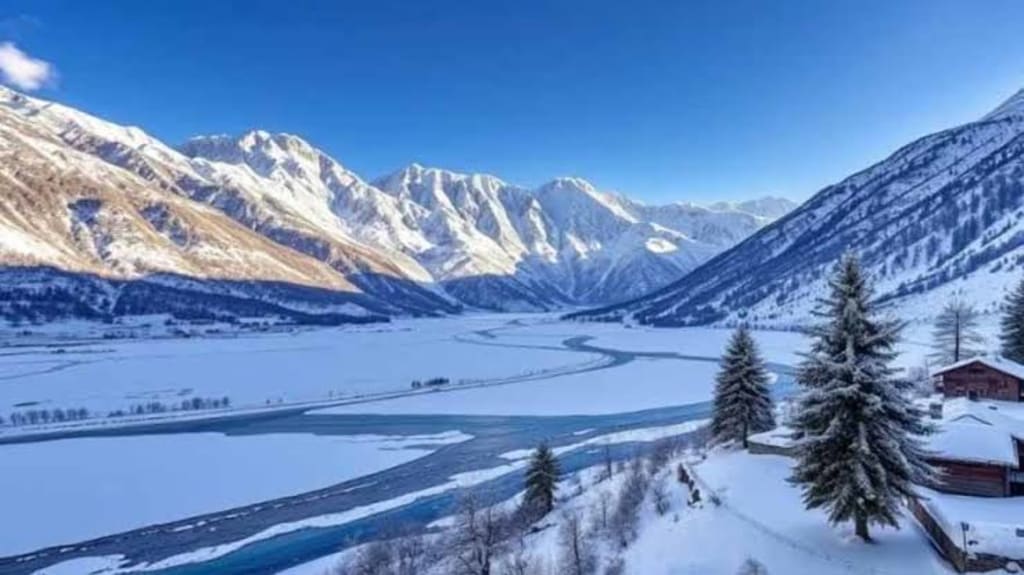
A powerful cold wave has swept across Pakistan, plunging temperatures to alarming lows and turning daily life into a test of endurance for millions. The northern region of Hunza has recorded a bone-chilling −21°C, marking one of the coldest temperatures of the season and drawing national attention to the intensity of this winter. As icy winds cut through valleys and plains alike, the country is experiencing a severe cold spell that is affecting health, travel, agriculture, and energy supplies.
Hunza at the Center of the Freeze
Hunza, known worldwide for its breathtaking landscapes and serene beauty, has transformed into a frozen world. At −21°C, rivers partially freeze, roads become slippery, and even routine activities turn risky. Residents of the valley, though accustomed to harsh winters, describe this cold as unusually intense. Water pipelines have frozen solid, livestock require special care, and heating resources are stretched to their limits.
Despite the extreme conditions, life continues. Locals rely on traditional methods of insulation, wood-burning stoves, and community cooperation to survive the cold nights. However, the severity of the temperature has raised concerns about vulnerable groups, including the elderly, children, and those living in remote areas with limited access to fuel and medical facilities.
Cold Wave Spreads Across Pakistan
While Hunza sits at the epicenter of the cold, the effects are being felt nationwide. Gilgit-Baltistan and parts of Khyber Pakhtunkhwa are experiencing sub-zero temperatures, while major cities like Islamabad, Lahore, and Karachi are facing unusually cold mornings and dense fog. In the plains, nighttime temperatures have dropped sharply, catching many residents off guard.
The Pakistan Meteorological Department has warned that the cold wave may persist, driven by continental air systems moving southward. These systems not only lower temperatures but also increase the risk of frost, fog, and icy conditions on highways, disrupting travel and trade.
Impact on Daily Life and Health
Severe cold brings serious health risks, particularly for those without adequate shelter or heating. Hospitals in colder regions report an increase in patients suffering from hypothermia, respiratory infections, and flu-like illnesses. Doctors advise people to stay warm, avoid unnecessary exposure to cold, and ensure proper ventilation when using indoor heaters to prevent carbon monoxide poisoning.
In urban areas, gas shortages and power outages have intensified the struggle. Many households face limited gas supply during peak morning and evening hours, forcing families to rely on electric heaters or alternative fuels. This increased demand places additional pressure on the national power grid, raising the risk of load shedding.
Agriculture and Livelihoods Under Threat
The cold wave poses a significant threat to agriculture, particularly winter crops and orchards. Frost can damage wheat fields, vegetables, and fruit trees, potentially impacting yields and farmers’ incomes. In northern areas, livestock owners are working hard to protect animals from the cold, as freezing temperatures can lead to illness and even death among cattle and sheep.
Tourism, a vital source of income for regions like Hunza, has also been affected. While some tourists are drawn by the snow-covered scenery, many trips have been canceled due to dangerous road conditions and travel advisories. Local businesses, already facing economic challenges, are feeling the strain of reduced visitor numbers.
Government Response and Preparedness
Authorities across Pakistan have issued cold weather alerts and advisories, urging citizens to take precautionary measures. Disaster management agencies are monitoring the situation, particularly in northern and mountainous regions where access can be cut off due to snow and ice.
Emergency services have been placed on high alert, and local administrations are working to ensure the availability of fuel, food supplies, and medical assistance. However, experts stress that long-term planning is essential, as extreme weather events are becoming more frequent due to climate change.
Climate Change and Extreme Winters
Meteorologists and climate scientists point out that while Pakistan has always experienced cold winters, the increasing intensity and unpredictability of such cold waves may be linked to broader climate patterns. Shifts in jet streams and changing atmospheric circulation can result in extreme cold spells in regions not always prepared for them.
These events highlight the need for improved infrastructure, better energy management, and stronger disaster preparedness strategies to protect vulnerable populations.
Resilience in the Face of the Cold
Despite the freezing temperatures, stories of resilience continue to emerge. Communities in Hunza and other cold-hit areas are supporting one another, sharing firewood, food, and shelter. Volunteers and local organizations are stepping in to help those most in need, proving once again the strength of communal bonds in times of hardship.
Conclusion
As severe cold grips Pakistan and Hunza records a staggering −21°C, the country faces a challenging winter marked by health risks, energy shortages, and economic strain. Yet, amid the icy conditions, resilience and solidarity shine through. This cold wave serves as a reminder of nature’s power and the importance of preparedness, cooperation, and compassion in overcoming even the harshest winters.
About the Creator
Keep reading
More stories from Fiazahmedbrohi and writers in Earth and other communities.
Day Will Turn to Night: Astronomers Officially Confirm the Date of the Longest Solar Eclipse of the Century
For stargazers, astronomers, and casual skywatchers alike, 2026 promises an astronomical event that will be remembered for a lifetime. Scientists have officially confirmed the date of the longest solar eclipse of the 21st century, a celestial phenomenon that will turn day into night for several minutes across parts of the globe. The announcement has sent excitement rippling through the scientific community and among enthusiasts who have long awaited a solar spectacle of this magnitude. The Science Behind the Eclipse A solar eclipse occurs when the Moon passes between the Earth and the Sun, casting a shadow on our planet and temporarily blocking the Sun’s light. While solar eclipses happen somewhere on Earth approximately every 18 months, total eclipses—where the Sun is completely obscured by the Moon—are far less common. What sets the 2026 eclipse apart is its duration. Astronomers predict that the eclipse will last for over six minutes in its longest phase, making it the longest total solar eclipse of the century. The phenomenon is a result of the precise alignment of the Sun, Moon, and Earth, as well as the Moon’s elliptical orbit, which causes slight variations in apparent size. Dr. Elena Morales, an astrophysicist at the European Southern Observatory, explains: "This eclipse is remarkable not just for its length but for its visibility. For several regions, the Sun will disappear completely, creating a surreal twilight in the middle of the day. It's an excellent opportunity to study the Sun’s corona, which is usually obscured by its brightness." Where and When to Watch The path of totality—the narrow band where the eclipse will be fully visible—stretches across several countries, including parts of the Arctic, Greenland, Iceland, and Spain. Millions of people living along this corridor will experience the full majesty of the eclipse, while a partial eclipse will be visible across much of Europe, northern Africa, and North America. Astronomers recommend planning travel in advance, as areas within the path of totality are expected to see a significant influx of visitors. Hotels, camping grounds, and viewing points are already reporting high demand, as enthusiasts from around the world seek to witness the once-in-a-lifetime event. Safety First: Protecting Your Eyes Viewing a solar eclipse can be dangerous if proper precautions are not taken. Staring directly at the Sun without specialized glasses can cause permanent eye damage. Experts emphasize the use of ISO-certified eclipse glasses or solar viewers for safe observation. Pinhole projectors, telescopes equipped with solar filters, and projection methods can also provide safe and magnified views of the eclipse. Many educational institutions and astronomical societies are planning public viewing events, combining safety with expert commentary to enhance the experience for attendees. Cultural and Scientific Significance Throughout history, solar eclipses have held deep cultural significance. Ancient civilizations often interpreted eclipses as omens or messages from the gods. Today, eclipses continue to captivate human imagination, blending scientific intrigue with awe-inspiring natural beauty. From a scientific perspective, total solar eclipses offer rare opportunities to study the Sun’s outer atmosphere, the corona, which is invisible during regular daylight. Researchers can observe solar flares, prominences, and other phenomena, gaining insights that contribute to our understanding of solar physics, space weather, and even the impact of solar activity on Earth’s climate and satellite communications. Preparing for the Experience For those planning to witness the eclipse, preparation is key. Many enthusiasts are setting up travel plans, packing eclipse glasses, cameras, and telescopes, and coordinating with local astronomy clubs for guided viewing. Timing is crucial—the totality phase, though extended in 2026, still lasts just a few minutes, making precise observation essential for both enjoyment and scientific study. Communities along the path of totality are also preparing for the influx of visitors. Local authorities are coordinating traffic management, accommodation, and public safety measures to ensure that the event remains enjoyable and safe for everyone involved. A Rare and Awe-Inspiring Event The 2026 solar eclipse is more than just a scientific event; it is a once-in-a-generation experience that reminds humanity of the vastness and beauty of the cosmos. For a brief moment, day will turn to night, and millions of people across the globe will share in the wonder of the universe’s intricate dance. Whether you are a professional astronomer or a curious skywatcher, this eclipse offers an unforgettable spectacle. It’s a moment to pause, look up, and marvel at the universe—a reminder that even in our modern, digital age, the natural world continues to inspire awe and wonder. Prepare your glasses, mark your calendars, and get ready for the longest solar eclipse of the century. For those lucky enough to witness it, it will be a memory etched in time, a celestial marvel that will be talked about for decades to come.
By Fiazahmedbrohi about 12 hours ago in Earth
Trump’s Plan to Own the Western Hemisphere and Greenland Is Not What Americans Want
Donald Trump’s foreign policy ambitions have always made headlines, but in early 2026, the conversation took a new turn — one that’s making Americans sit up and take notice. From proposals to dominate the Western Hemisphere to floating ideas about acquiring Greenland, Trump’s rhetoric has been bold, controversial, and, for many, out of step with what the public actually wants. While these ideas might energize parts of the political base, polls and public opinion suggest most Americans are skeptical, even alarmed, about using the military or U.S. influence to expand territory. Let’s break down what’s happening and why the majority of Americans are not on board. The “Don‑roe Doctrine” and a Bold Vision Trump’s team has revived the Monroe Doctrine — the 19th-century policy that told European powers to stay out of the Western Hemisphere — but with a modern twist. Some have jokingly dubbed it the “Don‑roe Doctrine”, emphasizing America’s supposed right to dominate the region and block rivals like China and Russia from gaining influence. In recent statements, Trump and his advisers have stressed that the Western Hemisphere should be under U.S. control, signaling a willingness to increase American power in Latin America. While rooted in history, this rhetoric goes far beyond traditional diplomacy, suggesting active intervention or oversight in neighboring countries’ affairs. Greenland: The Arctic Gambit If dominating the hemisphere wasn’t ambitious enough, Trump has also made headlines with Greenland, the world’s largest island and an autonomous territory of Denmark. Trump has suggested that the U.S. should explore acquiring Greenland, citing strategic national security reasons. The White House went even further, confirming that “a range of options” is on the table — including military involvement if negotiations fail. This statement made global headlines, sparking criticism not just from Denmark but from European leaders across the board. It’s an idea that would have seemed unthinkable a decade ago, and it raises serious questions about international law, diplomacy, and the U.S.’s reputation abroad. Why Americans Aren’t Buying It You might assume bold expansionist rhetoric would excite a nationalist base, but surveys and polls tell a different story. Only about 11% of Americans support purchasing or annexing Greenland. A majority of respondents oppose it outright, including many Republicans. Most Americans prefer a focus on diplomacy, domestic issues, and practical governance, rather than acquiring distant lands. There’s also a strong sense of military fatigue. After decades of overseas interventions, many Americans are wary of costly and risky military actions that may not directly protect U.S. interests. International Pushback Trump’s Greenland idea hasn’t just been controversial domestically — it’s caused outrage abroad. Denmark, the sovereign nation over Greenland, made it clear that the island is not for sale. European leaders have voiced strong support for Greenland’s autonomy and warned that any U.S. attempt to take control could strain alliances, including NATO. Even countries in the Western Hemisphere are cautious. Many Latin American leaders view heavy-handed U.S. influence as unwelcome, highlighting the risks of a foreign policy focused on territorial dominance. The Public Sentiment Gap The contrast between Trump’s ambitions and American public opinion is stark: Sovereignty matters: Most Americans recognize that countries, including Greenland, have the right to self-govern. Military intervention fatigue: There’s little appetite for new foreign conflicts, especially for reasons seen as symbolic or expansionist. Focus on domestic priorities: Healthcare, the economy, education, and infrastructure consistently outrank foreign conquest in Americans’ list of priorities. In short, the public is telling leaders that the future of U.S. influence lies in cooperation, not domination. Why This Matters Trump’s rhetoric has drawn global attention, strained alliances, and created diplomatic tensions. But beyond the headlines, it’s also a reminder of the limits of foreign policy that ignores public opinion. Americans want their leaders focused on practical issues — and most see territorial expansion or hemispheric control as a distraction at best, a liability at worst. The Greenland debate, in particular, highlights the potential clash between ambitious political theater and real-world consequences. While Trump’s ideas make for sensational headlines, they don’t reflect the priorities of everyday Americans. Final Thoughts Donald Trump’s vision of owning the Western Hemisphere and potentially acquiring Greenland is bold — some might even call it audacious. But boldness alone doesn’t win hearts and minds. In fact, Americans are largely rejecting expansionist rhetoric, favoring diplomacy, alliances, and domestic problem-solving over territorial ambition. In a world that is interconnected and wary of unilateral power grabs, the public seems to be sending a clear message: power is important, but consent, cooperation, and practicality matter even more. As Trump continues to push these ideas, he faces the reality that public opinion, international norms, and global diplomacy may be the real limits on his ambitions — not headlines or political theatrics.
By Muhammad Hassan5 days ago in Earth
BRICS Wargames: Why They Matter — And Why India Chose to Sit Out
BRICS — the economic and political bloc comprising Brazil, Russia, India, China, and South Africa — has long been seen as a counterweight to Western-dominated global institutions. Over the years, it has expanded its influence in finance, trade, and diplomacy. Yet, in recent times, BRICS has begun exploring another domain that grabs headlines and sparks speculation: military cooperation, including large-scale wargames. These exercises are designed to simulate joint operations, test interoperability, and send a signal of strength. For members like Russia and China, wargames serve as both a show of force and a tool to deepen military collaboration within the bloc. However, India’s decision to opt out of recent BRICS wargames has raised questions: why does this matter, and why is India taking a different path from its BRICS partners? The Rise of BRICS Military Exercises Historically, BRICS has been portrayed as primarily economic, focused on initiatives like the New Development Bank (NDB) and trade agreements aimed at reducing Western dominance. But recent years have seen an evolution. Military drills among BRICS members are increasingly prominent, especially in the context of global tension and regional conflicts. These wargames are about more than just tactical drills. They serve multiple purposes: Strategic signaling: By conducting joint exercises, BRICS countries demonstrate unity and military capability to the rest of the world. Operational readiness: Countries test their ability to coordinate in complex scenarios, from humanitarian missions to potential combat operations. Diplomatic leverage: The exercises send subtle messages to other global powers, indicating that BRICS members can collaborate beyond economic forums. For nations like Russia, recently facing sanctions and international scrutiny, these exercises are particularly important. They showcase the ability to maintain partnerships and project power despite global isolation. For China, it is a way to cement strategic influence in Asia and beyond. Why BRICS Wargames Matter Globally The significance of these exercises extends beyond the bloc itself. Analysts note several key implications: Challenge to NATO and U.S. influence: BRICS wargames signal that alternative power centers exist outside Western-led military alliances. Regional security dynamics: Countries bordering BRICS members, particularly in South Asia, Africa, and Latin America, must monitor these developments carefully. Economic-military linkages: Military coordination among major emerging economies could shape security considerations in trade corridors, energy supply routes, and resource-rich regions. In essence, BRICS wargames are not just about soldiers and tanks, but about the broader geopolitical landscape: signaling, strategy, and shaping perceptions of influence. India’s Calculated Decision to Opt Out While Russia, China, Brazil, and South Africa have shown interest in participating actively, India has strategically chosen to abstain from the most recent wargames. This decision may appear surprising, given India’s economic and political stake in BRICS, but several factors explain it. Geopolitical balancing: India maintains complex relations with both China and Russia. While it has defense and historical ties with Russia, its relationship with China has grown tense due to border disputes and regional competition. Joining a wargame with China could be politically and militarily sensitive. Alignment with Western partnerships: India has strengthened ties with Western-led coalitions, including the Quad (U.S., Japan, Australia, India). Participating in BRICS military drills could conflict with these alliances, potentially sending mixed signals. Strategic autonomy: India has long emphasized a policy of strategic autonomy — making decisions based on national interest rather than bloc pressure. Opting out allows India to maintain flexibility in foreign policy and avoid entanglement in exercises that may not align with its regional objectives. Domestic perception: Indian public opinion and political narratives favor cautious engagement with China and Russia on military matters. Skipping the wargames minimizes domestic criticism of appearing too closely aligned with either of the more assertive BRICS powers. What India Gains by Sitting Out Choosing not to participate does not mean India is disengaged from BRICS. Economically and diplomatically, it remains a key player in the bloc. By skipping the wargames, India can: Maintain regional credibility in South Asia while avoiding the perception of aligning militarily with China. Signal strategic independence, reinforcing its image as a nation that prioritizes national security over bloc politics. Focus on bilateral and multilateral exercises elsewhere, such as those with the U.S., Japan, and Australia, which are more aligned with India’s current security priorities. In short, opting out allows India to navigate the delicate balance between its BRICS commitments and broader global strategic interests. Implications for BRICS and Global Security India’s abstention also reflects broader trends within BRICS: the bloc is not monolithic. While economic cooperation is often strong, military integration faces political and strategic limits. Differing national interests, historical rivalries, and regional tensions prevent uniform alignment. For global observers, this is crucial. It shows that while BRICS wargames are important, they are not necessarily indicative of a fully unified military bloc. The exercises are as much about optics as operations, and India’s absence underscores the challenges of aligning countries with divergent security priorities. Conclusion BRICS wargames matter because they are a window into the bloc’s evolving strategic ambitions. They signal power, test cooperation, and demonstrate emerging global influence. Yet India’s decision to opt out highlights that even within this growing coalition, national interests remain paramount. For India, the choice reflects a calculated approach: engage where it benefits national interest, avoid where risks outweigh gains, and maintain strategic flexibility. For the rest of the world, it is a reminder that BRICS, while increasingly important, is not a military monolith. Ultimately, BRICS wargames are as much about geopolitics and signaling as they are about military maneuvers — and India’s careful stance illustrates how emerging powers navigate this complex global chessboard.Start writing...
By Muhammad Hassanabout 13 hours ago in Earth



Comments
There are no comments for this story
Be the first to respond and start the conversation.