

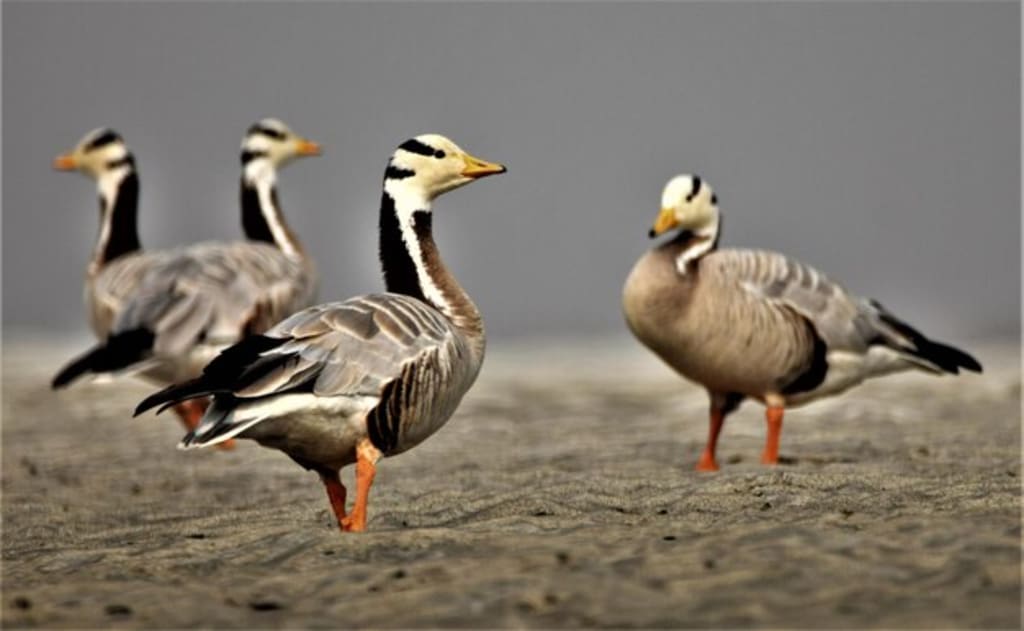
Bar-headed geese are a migratory bird species wintering in India. These birds can be seen in wetlands like Chilika Lake in Odisha and Irai Lake in Maharashtra. They are known by their features with pale, gray bodies, yellowish-orange legs and bills, and distinctive black bars on their necks. In the spring they return to their breeding sites in Central Asian countries. Bar-headed geese are social birds, and when migrating in flocks, they fly in “V”-shaped formations, communicating visually and vocally. They are herbivores and feed mainly on grasses that surround lakes where they nest. They also eat corn, barley, rice, and wheat, and occasionally will take mollusks, insects, and crustaceans.
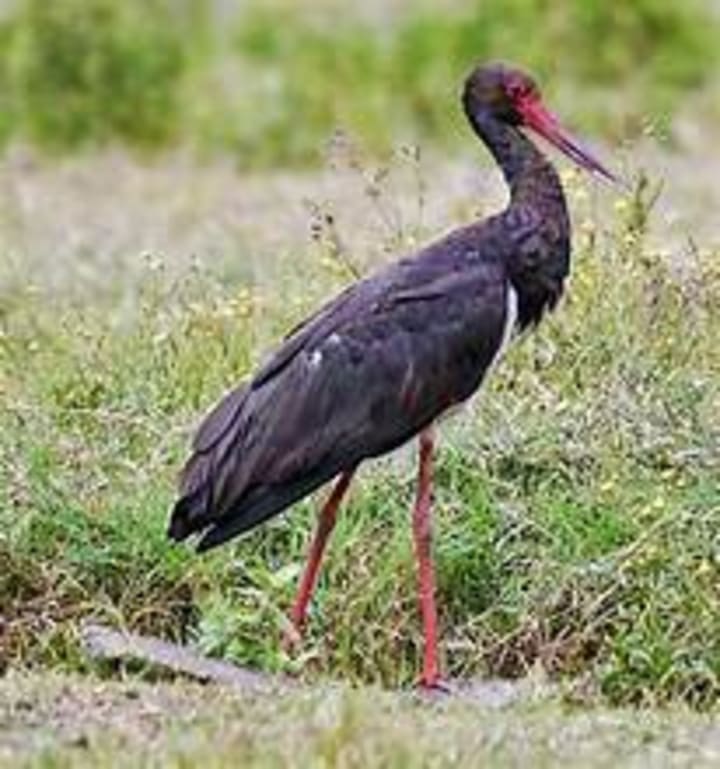
Black storks are long-distance migratory birds that winter in India. They have an elegant appearance with iridescent black plumage, white undertail coverts, and long necks. Their long legs are orange-red, and they have pointed bills. These birds are usually seen solitary or in pairs. They forage for food in freshwater bodies and stealthily wade into shallow waters to catch their prey.
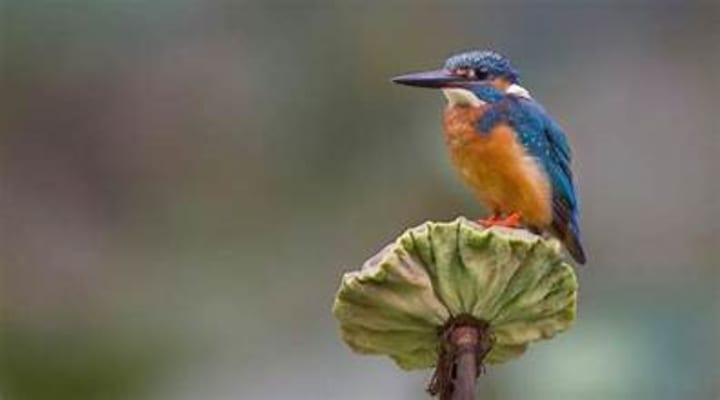
Common kingfishers are residents of India. These colorful birds have blue and orange plumage and long pointed bills. They inhabit areas around streams, lakes, and other water sources with fish. They sit quietly in trees waiting for their prey and then dive into the water to catch a fish.
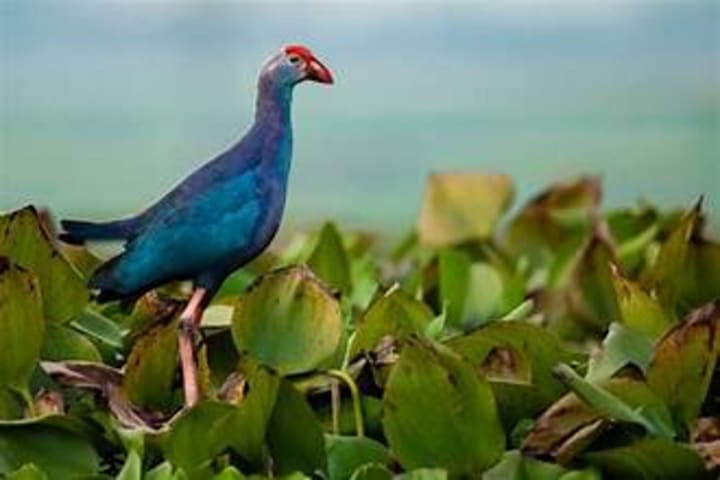
Grey-headed swamphens are native to the Indian subcontinent. They inhabit freshwater bodies like rivers, ponds, lakes, and marshes. These birds have bluish-purple underparts, red bills, and forehead shields. They have a variety of loud calls used for communication, including deep honking and pig-like grunting noises. They also produce trumpeting calls, especially when taking off in alarm. Grey-headed swamphens are omnivores and dine on a wide variety of plant material and insects, crustaceans, fish, frogs, worms, snails, and other aquatic invertebrates.
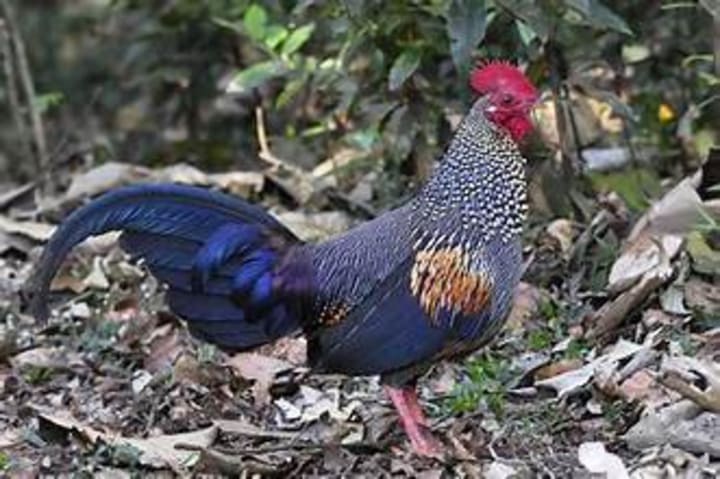
Grey junglefowl are wild forebearers of domestic chickens. They inhabit evergreen and deciduous forests and can be seen in the forests of Bandhavgarh National Park and Nagarhole National Park. The male birds have golden spots around their necks and long dark plumages with red wattles and combs. Females have black and white markings on the underparts and light yellow legs. They are active during the day and spend the majority of their time on the ground. They forage in small mixed or single-sex groups. Grey junglefowl have an omnivorous diet, feeding on grains, including bamboo seeds, berries, insects, and termites.
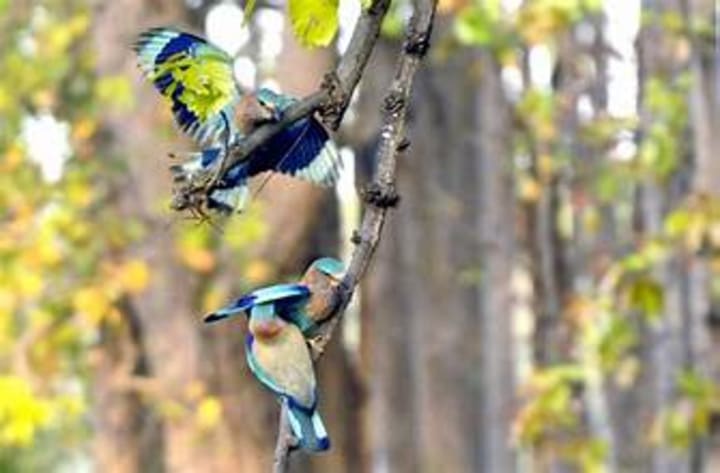
Indian rollers are colorful birds and the state birds of Odisha. These are the most commonly sighted birds in India. They have colorful wings with shades of blue, green, purple, and brown. They inhabit open grasslands, farmlands, and scrub forests. These birds feed on insects, reptiles, moths, and even frogs. The Indian roller is considered to be a sacred bird in Hindu mythology and is associated with the deity Lord Shiva.
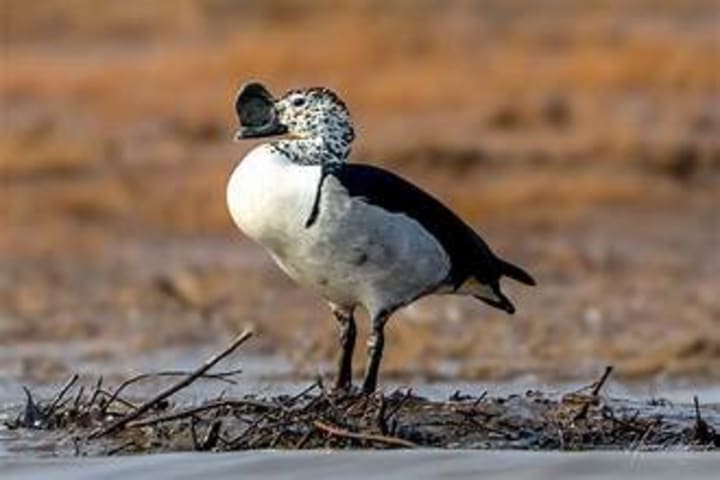
Knob-billed ducks inhabit tropical wetlands and are found around freshwater rivers, lakes, and marshes. They have speckled white heads and upper necks and pure white lower necks and underbodies. The males have large black knobs on their bills. They can be seen in places like Ghana National Park. They feed on vegetation by grazing or dabbling and, to a lesser extent, on small fish, invertebrates, and seeds.
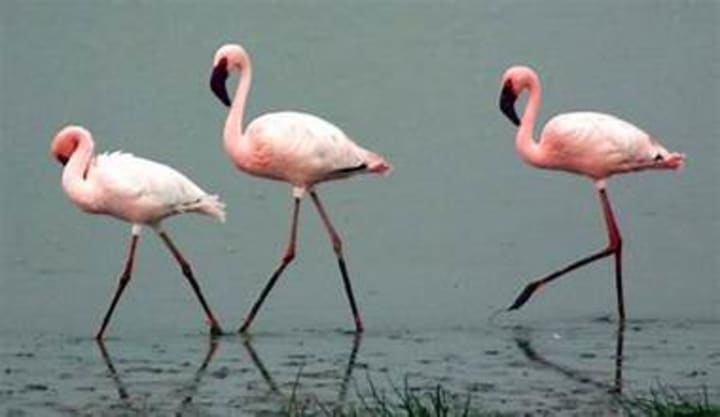
Lesser flamingos are the smallest flamingo species. These are migratory birds. Their lovely pink coloring comes from their diet, which is formed by the blue-green algae found in saltwater lakes and saline lagoons. The algae has a special pigment that colors the body of these birds. Lesser flamingos have special bills that can filter food items through water. They winter in India, primarily in the Rann of Kutch, where they breed in large colonies.
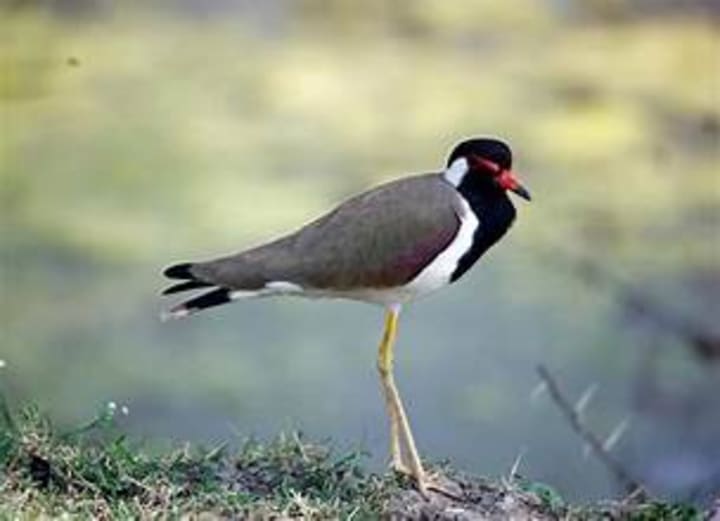
Red-wattled lapwings are ground birds. They inhabit areas close to water sources like lakes and ponds. They make loud alarm calls. Their lapwings are bright brown with red bills and long pale yellow legs. Red-wattled lapwings are usually seen in pairs or trios not far from water. They occasionally form large flocks, ranging from 26 to 200 birds. They are carnivores, and their diet includes a wide range of insects, snails, and other invertebrates, mostly picked from the ground. They may also feed on some grains.
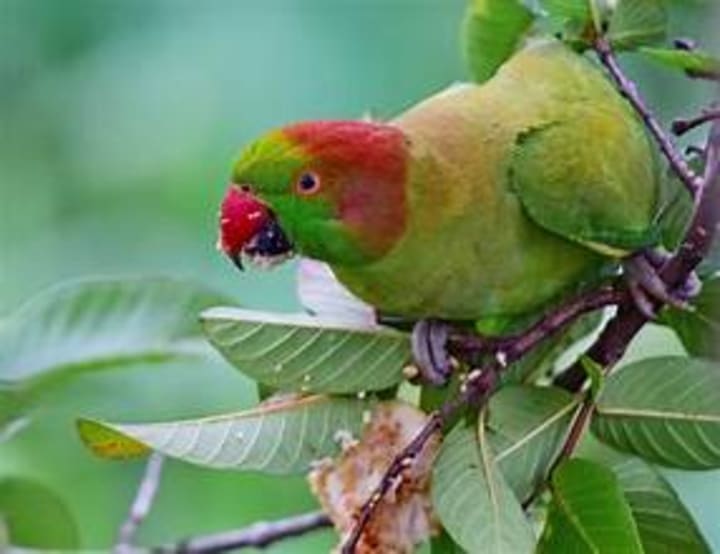
Rose-ringed parakeets are endemic to the Indian subcontinent. They are recognizable by their distinctive green color. The males have a neck ring mostly red in color. These birds have reddish beaks and elongated pointed tails. They feed on seeds, buds, nuts, and berries, foraging for food in farmlands and fruit plantations. Rose-ringed parakeets can mimic human voices.
About the Creator
Rasma Raisters
My passions are writing and creating poetry. I write for several sites online and have four themed blogs on Wordpress. Please follow me on Twitter.
Keep reading
More stories from Rasma Raisters and writers in Earth and other communities.
Take a Hike
The 1000 km Bibbulmun Track is one of the best-known long-distance hiking trails in Australia. It stretches from Perth to Albany. Along the way are jarrah forests, fields with wildflowers, and the breathtaking coastal cliff of Western Australia. This trail is divided into eight sections with huts to rest in along the way.
By Rasma Raisters16 days ago in Earth
Severe Cold Grips the Country as Hunza Records −21°C: Pakistan Faces a Deep Winter Freeze
A powerful cold wave has swept across Pakistan, plunging temperatures to alarming lows and turning daily life into a test of endurance for millions. The northern region of Hunza has recorded a bone-chilling −21°C, marking one of the coldest temperatures of the season and drawing national attention to the intensity of this winter. As icy winds cut through valleys and plains alike, the country is experiencing a severe cold spell that is affecting health, travel, agriculture, and energy supplies. Hunza at the Center of the Freeze Hunza, known worldwide for its breathtaking landscapes and serene beauty, has transformed into a frozen world. At −21°C, rivers partially freeze, roads become slippery, and even routine activities turn risky. Residents of the valley, though accustomed to harsh winters, describe this cold as unusually intense. Water pipelines have frozen solid, livestock require special care, and heating resources are stretched to their limits. Despite the extreme conditions, life continues. Locals rely on traditional methods of insulation, wood-burning stoves, and community cooperation to survive the cold nights. However, the severity of the temperature has raised concerns about vulnerable groups, including the elderly, children, and those living in remote areas with limited access to fuel and medical facilities. Cold Wave Spreads Across Pakistan While Hunza sits at the epicenter of the cold, the effects are being felt nationwide. Gilgit-Baltistan and parts of Khyber Pakhtunkhwa are experiencing sub-zero temperatures, while major cities like Islamabad, Lahore, and Karachi are facing unusually cold mornings and dense fog. In the plains, nighttime temperatures have dropped sharply, catching many residents off guard. The Pakistan Meteorological Department has warned that the cold wave may persist, driven by continental air systems moving southward. These systems not only lower temperatures but also increase the risk of frost, fog, and icy conditions on highways, disrupting travel and trade. Impact on Daily Life and Health Severe cold brings serious health risks, particularly for those without adequate shelter or heating. Hospitals in colder regions report an increase in patients suffering from hypothermia, respiratory infections, and flu-like illnesses. Doctors advise people to stay warm, avoid unnecessary exposure to cold, and ensure proper ventilation when using indoor heaters to prevent carbon monoxide poisoning. In urban areas, gas shortages and power outages have intensified the struggle. Many households face limited gas supply during peak morning and evening hours, forcing families to rely on electric heaters or alternative fuels. This increased demand places additional pressure on the national power grid, raising the risk of load shedding. Agriculture and Livelihoods Under Threat The cold wave poses a significant threat to agriculture, particularly winter crops and orchards. Frost can damage wheat fields, vegetables, and fruit trees, potentially impacting yields and farmers’ incomes. In northern areas, livestock owners are working hard to protect animals from the cold, as freezing temperatures can lead to illness and even death among cattle and sheep. Tourism, a vital source of income for regions like Hunza, has also been affected. While some tourists are drawn by the snow-covered scenery, many trips have been canceled due to dangerous road conditions and travel advisories. Local businesses, already facing economic challenges, are feeling the strain of reduced visitor numbers. Government Response and Preparedness Authorities across Pakistan have issued cold weather alerts and advisories, urging citizens to take precautionary measures. Disaster management agencies are monitoring the situation, particularly in northern and mountainous regions where access can be cut off due to snow and ice. Emergency services have been placed on high alert, and local administrations are working to ensure the availability of fuel, food supplies, and medical assistance. However, experts stress that long-term planning is essential, as extreme weather events are becoming more frequent due to climate change. Climate Change and Extreme Winters Meteorologists and climate scientists point out that while Pakistan has always experienced cold winters, the increasing intensity and unpredictability of such cold waves may be linked to broader climate patterns. Shifts in jet streams and changing atmospheric circulation can result in extreme cold spells in regions not always prepared for them. These events highlight the need for improved infrastructure, better energy management, and stronger disaster preparedness strategies to protect vulnerable populations. Resilience in the Face of the Cold Despite the freezing temperatures, stories of resilience continue to emerge. Communities in Hunza and other cold-hit areas are supporting one another, sharing firewood, food, and shelter. Volunteers and local organizations are stepping in to help those most in need, proving once again the strength of communal bonds in times of hardship. Conclusion As severe cold grips Pakistan and Hunza records a staggering −21°C, the country faces a challenging winter marked by health risks, energy shortages, and economic strain. Yet, amid the icy conditions, resilience and solidarity shine through. This cold wave serves as a reminder of nature’s power and the importance of preparedness, cooperation, and compassion in overcoming even the harshest winters.
By Fiazahmedbrohi 5 days ago in Earth
China Cracks Down on Ships Using Starlink
A New Front in China’s Technology Control China has intensified its crackdown on ships using Starlink, the satellite internet service operated by Elon Musk’s SpaceX, signaling a sharp escalation in Beijing’s efforts to control information flows and foreign technology. Authorities have warned commercial vessels, fishing boats, and private operators against using unapproved satellite communication systems, citing national security and data sovereignty concerns.
By Aarif Lasharia day ago in Earth



Comments
There are no comments for this story
Be the first to respond and start the conversation.