Setting
Self-Editing Epiphany: A Creative Odyssey
Writing is a tightrope stretched over a chasm of doubt—every word a step, every edit a glance backward to see if you’ve fallen. It’s a solitary act of courage, where the writer spills their soul onto the page, then turns a ruthless eye on the mess they’ve made.
By Ramesh Mahato 11 months ago in Critique
What goes through the mind of an empty envelope?
Humans! Aah, the notorious ones gospelled with the prowess of pouring their hearts onto the folds of power, of unleashing the confinement of unsaid pain through the enigmatic flair of woven syllables through the crevices of their glistening minds.
By Hridya Sharma12 months ago in Critique
beginning-endings. Runner-Up in Self-Editing Epiphany Challenge. Top Story - March 2025.
The following is an excerpt of a draft of the opening of a novel which I hope to someday write. This piece is being submitted for Vocal's "Self-Editing Epiphany" Challenge, and will therefore include my analysis and reflections following the conclusion of the excerpt. Cheers, friends!
By Gabriel Huizenga12 months ago in Critique
Why My First Drafts Look Like a Crime Scene (And Why Yours Should Too)
Do You Have the Guts to Butcher Your Own Work? Have you ever written something so imperfect that you wanted to set it on fire? Good. That means you’re on the right track. Writing isn’t about getting it right the first time—it’s about being brave enough to get it wrong, then ruthless enough to fix it. The true magic happens in self-editing, where creativity and cold-blooded analysis collide. But how do you edit without suffocating your originality?
By Alain SUPPINI12 months ago in Critique
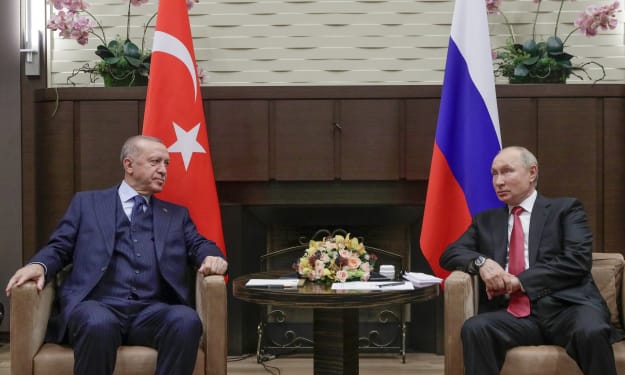
Are Ukrainians prepared for concessions and a ceasefire? What the polls say is as follows:
The idea of a negotiated end to the three-year war has been put on the agenda and in the hands of Russian President Vladimir Putin thanks to an agreement between the United States and Ukraine on a ceasefire proposal. However, the parties' positions are pretty clear even before Moscow responds.
By Md Mirajul Islam12 months ago in Critique
Trump’s Tariffs on Steel and Aluminum Go Into Effect
President Trump’s sweeping tariffs on foreign steel and aluminum went into effect on Wednesday, escalating America’s trade spats with global competitors, including close allies already reeling from his on-and-off approach to trade penalties.
By Md Mirajul Islam12 months ago in Critique
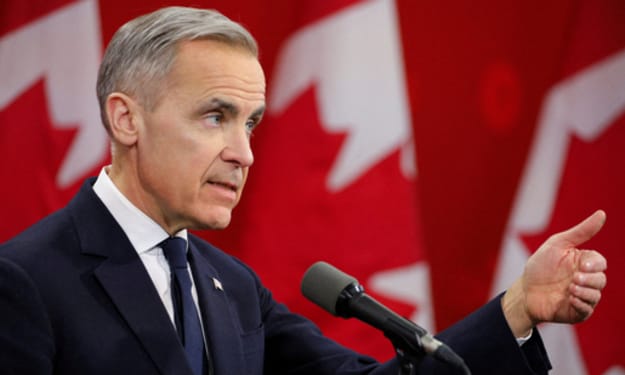
Canada’s most consequential election is on the horizon
The contest that resulted in Mark Carney becoming the leader of the Liberal Party and the next prime minister of Canada has turned out to be a dull fait accompli. Chrystia Freeland, the once-reliable confidante and trusted deputy prime minister of Prime Minister Justin Trudeau, played the role of Judas in the drama that appeared to inevitably result in Carney's persuasive coronation on Sunday evening.
By Md Mirajul Islam12 months ago in Critique
How Did These Words Come Together?. Runner-Up in Self-Editing Epiphany Challenge.
The challenge Vocal sponsored a few months ago was to write a microfiction piece of 300 words that started with “There was only one rule: don’t open the door.” This seemed like something right up my alley because I love writing all things spooky and scary. I also couldn’t pass up this opportunity for an exact word count. I had to chop out some phrases and replace them with single words and carefully consider how I structured each sentence in each paragraph. However, I decided to include a real person, my son, and aged him. I had to imagine his life in the future as a blind man navigating the world. Here’s the first part of the story:
By Barb Dukeman12 months ago in Critique
Backroom Cat Nap
THE 1ST DRAFT Warehouse Backroom Cat Nap “This is the stockroom warehouse where we keep our surplus. The most common items are stored up front. The whole place is basically a twisting tunnel of eclectic furniture. Most of the floor displays are directly for sale, but we keep extra stock in here. It’s primarily mattresses.”
By Amos Glade12 months ago in Critique
Self-Editing Epiphany. Top Story - March 2025.
People Pleaser: A blessing or a curse? I am the youngest of six, to a mother that struggled her whole life with Bi-polar disorder, before there was positive treatment. She was the daughter of an English teacher and the oldest granddaughter to a preacher. Because of this, she struggled to let the mask fall and get the help she needed.
By Kelli Sheckler-Amsden12 months ago in Critique