
Unraveling the Conflict in Ukraine: Challenges and Prospects for Resolution
A Comprehensive Analysis of the Russo-Ukrainian Conflict and the Complexities of Achieving Victory
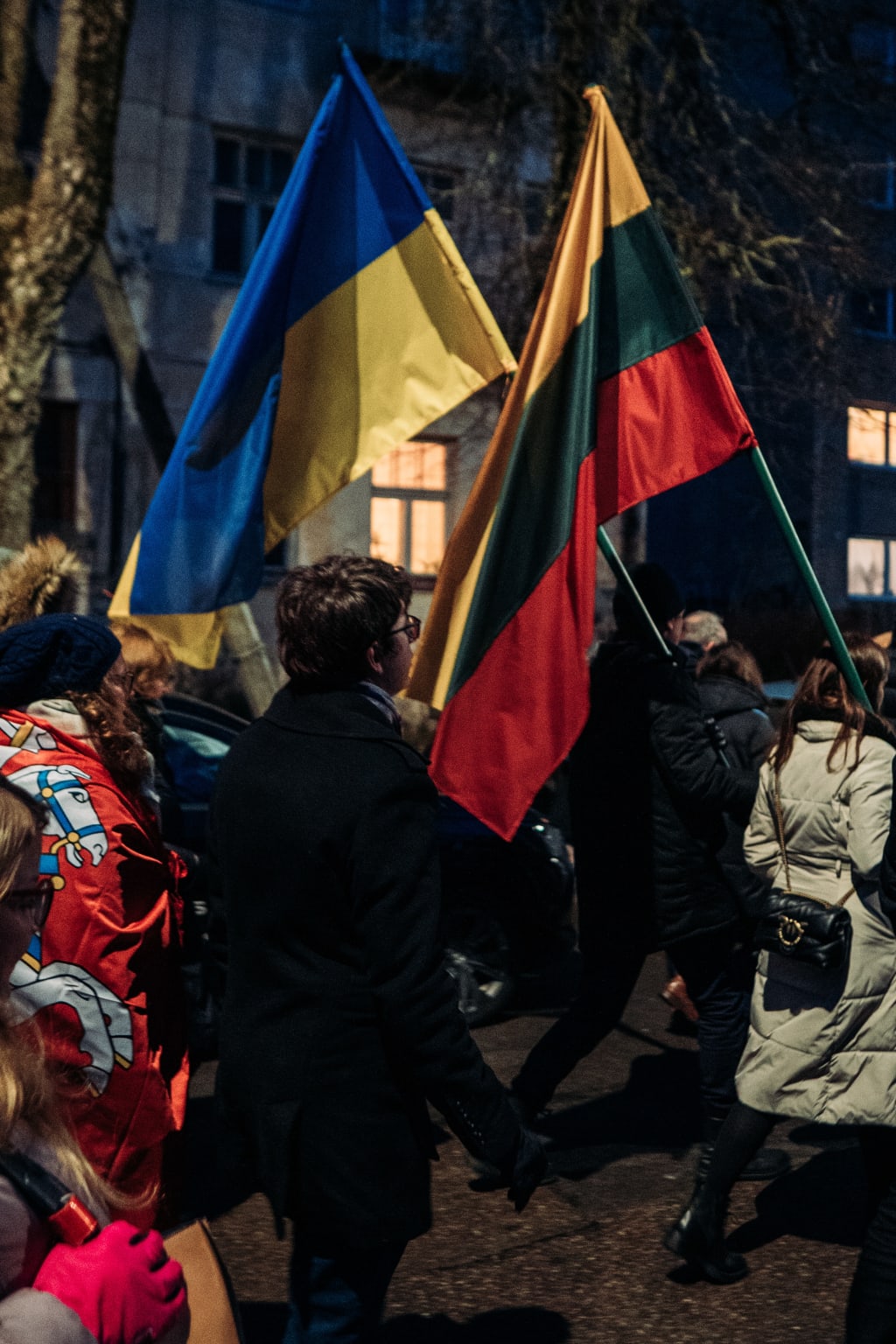
As the conflict in Ukraine enters its subsequent year, the situation remains contentious and complex for both parties involved. In Russia, President Vladimir Putin continues to disseminate misleading propaganda for his domestic audience, boasting that victory is within reach, and all sacrifices are worthwhile. He threatens NATO, encroaches on Moldova, and promises to respond to provocations with overwhelming force. However, Russia faces crippling economic sanctions, a depletion of military supplies, and challenges in recruiting new fighters for the conflict, with its citizens evading the draft and its clandestine militias becoming increasingly vocal about the state of the war.
On the other hand, emotions run high in Ukraine despite the country's dire state. The Ukrainian military remains highly motivated, and President Volodymyr Zelenskyy has managed to sustain the nation's hope. The rest of the world has rallied in support of Ukraine, yet Russia still occupies a significant portion of eastern Ukraine. While the Armed Forces of Ukraine (AFU) have been pushing back and reclaiming territory, progress has been slow and heavily reliant on Western assistance. With key partner nations facing upcoming elections, the question on many minds is how the conflict will ultimately end.
Understanding the Nature of Conflicts:
To better comprehend the potential outcomes of the conflict in Ukraine, it's essential to consider the nature of conflicts historically. Many conflicts do not end with clear-cut victories and unequivocal surrenders. The two most prominent wars in history, World War II and the US Civil War, were among the rare instances where one side achieved a decisive victory, followed by a formal surrender. In most cases, both sides seek to avoid total defeat and may resort to changing tactics, strategic retreats, or prolonged stalemates.
The Prospect of a Russian Victory:
Initially, a Russian victory seemed conceivable in the early days of the conflict when Russia attempted to encircle and conquer Kyiv, capture Zelenskyy, or force him into exile, and take control of the Ukrainian government before NATO could respond adequately. While Russia's near-capture of Kyiv was thwarted, the conflict transitioned into one of attrition, with Ukraine gaining momentum thanks to NATO's support.
Russia's Challenges:
Despite Putin's promises of a swift victory, Russia faces several significant challenges in securing an outright triumph in the conflict. First, Russia has threatened to use nuclear weapons if NATO does not back down and allow it to dominate Ukraine. However, such threats are unlikely to deter NATO and could further unite the international community against Russia.
Moreover, Russia lacks sufficient allies in the conflict. Most of the world has either aligned behind Ukraine or remained neutral, while a few countries like Belarus, Iran, and North Korea offer limited support. China's role is crucial, but it has been hesitant to provide lethal aid to Russia, potentially fearing repercussions in its relations with the United States.
China's Influence:
China's stance plays a unique role in the conflict. Initially, China offered verbal support to Russia, strengthening their alliance against the US. However, China has been cautious about providing military aid, fearing sanctions that could cripple its economy and access to critical resources. It appears that China is waiting to see evidence of Russia's potential victory before committing further. This means that the more Russia needs weapons, the less likely China is to provide them, waiting to back the winning side.
Possible Scenarios for a Russian Victory:
For Russia to achieve an absolute victory in the conflict, several conditions would have to align. First, Russia would need unwavering support from China, particularly in supplying military equipment. Second, Russia would have to launch a successful dual assault from Belarus and Transnistria (a breakaway region of Moldova), aiming to undermine the Kyiv government and capture the capital. This would require military superiority, significant coordination, and favorable circumstances.
However, the prospect of an unequivocal Russian victory remains highly improbable. It would require a perfect storm of conditions and would likely lead to broader conflict and international repercussions.
The Elusive End to the Conflict:
In conclusion, the conflict in Ukraine is a complex struggle with no clear path to victory for either side. Historical examples show that many conflicts do not end decisively but instead result in protracted standoffs or evolving strategies.
Russia's ambitious pursuit of victory faces significant challenges, including a lack of substantial allies and the reluctance of China to provide lethal aid. China's position, in particular, underscores the importance of showing evidence of potential success to garner support.
Ultimately, the resolution of the conflict remains elusive, with no immediate prospect of a triumphal procession in Moscow or a decisive defeat for Ukraine. The path to peace and stability in the region is paved with uncertainty and complexities, making diplomatic efforts and international cooperation vital to finding a lasting resolution to the conflict in Ukraine.
About the Creator
Keep reading
More stories from Thene van Schalkwyk and writers in Criminal and other communities.
Spring Cleaning: Unveiling the Marvels and Curiosities of Nature
Ah, it's that season again - spring cleaning! You gather your duster and brush to dispose of those countless spider webs on your windows. However, this time, as you advance externally, you notice some oddly shaped mud stuck under the roof and the yard. What are these strange structures? It suddenly occurs to you that these must be mud dauber wasp homes. You might be thinking there's a multitude of them around with so many homes being one next to the other. Luckily, mud dauber wasps are solitary creatures. Those numerous small mud cottages are filled with paralyzed insects, sometimes even up to 500 bugs can be caught in these nests, awaiting the wasp's young to hatch.
By Thene van Schalkwyk3 years ago in Earth
The Shocking Case of Brian Stewart:
The Shocking Case of Brian Stewart: When a Father Injected His Own Son with HIV In 1992, the quiet city of St. Charles County, Missouri, became the backdrop for one of the most chilling and unsettling crimes in modern medical history. Brian Stewart, a trained phlebotomist, used his knowledge and access to medical resources to deliberately harm his infant son. The case is not only a tragic story of parental betrayal but also a cautionary tale about the vulnerabilities inherent in medical access, the motivations that drive horrifying decisions, and the resilience of the human spirit.
By Dakota Denise a day ago in Criminal
Oil at War: The Strait of Hormuz Crisis and the Rising Iran–Israel–US Conflict
Oil at War: The Strait of Hormuz Crisis and the Rising Iran–Israel–US Conflict The Middle East has once again become the center of global attention as tensions between Iran, Israel, and the United States intensify. At the heart of this crisis lies one of the world’s most strategic waterways: the Strait of Hormuz. This narrow maritime corridor carries a huge portion of the world’s oil supply, and any disruption here has the power to shake the global economy.
By Wings of Time about 12 hours ago in Criminal



Comments
There are no comments for this story
Be the first to respond and start the conversation.