
The Shocking Case of Brian Stewart:
When a Father Injected His Own Son with HIV

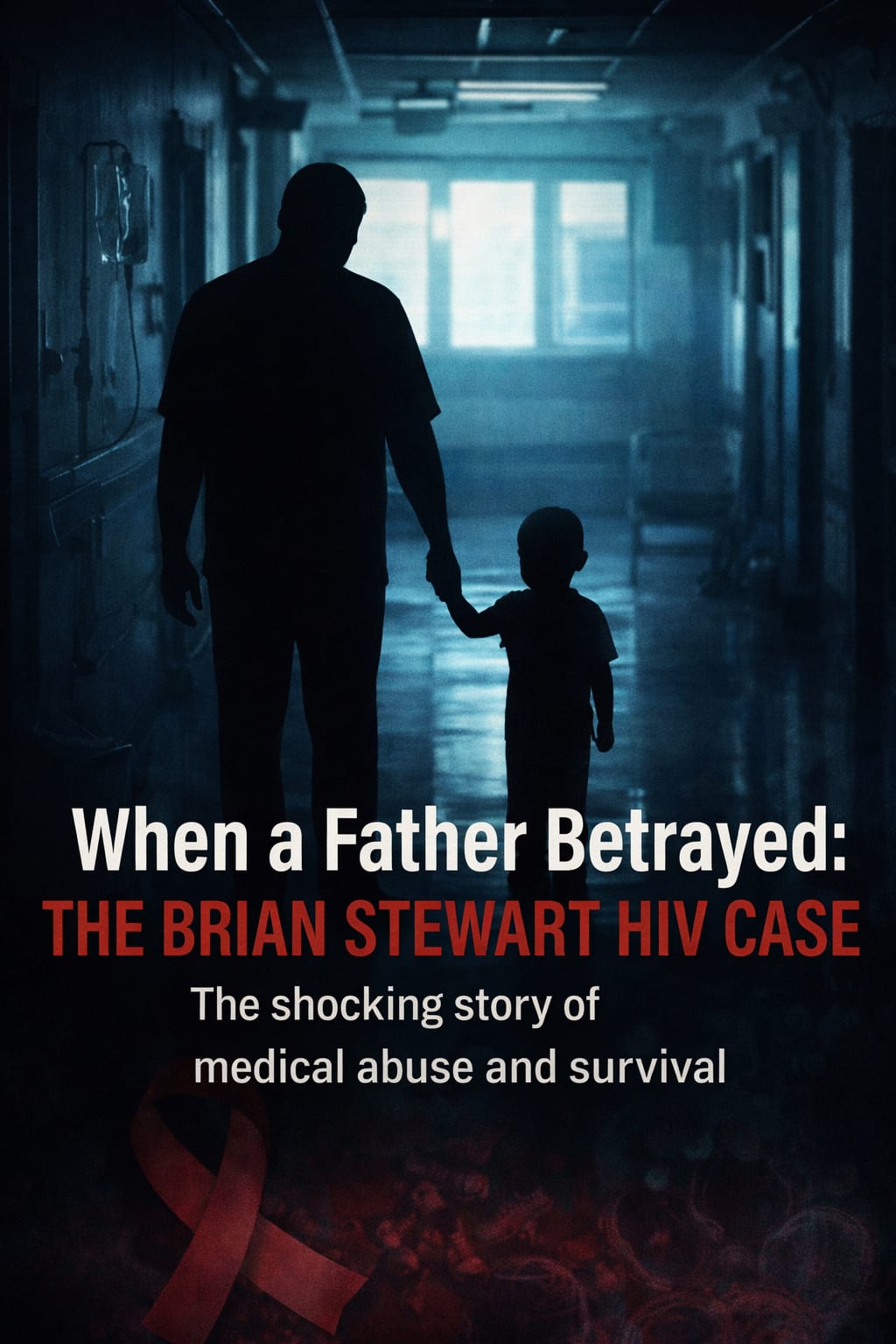
The Shocking Case of Brian Stewart: When a Father Injected His Own Son with HIV
In 1992, the quiet city of St. Charles County, Missouri, became the backdrop for one of the most chilling and unsettling crimes in modern medical history. Brian Stewart, a trained phlebotomist, used his knowledge and access to medical resources to deliberately harm his infant son. The case is not only a tragic story of parental betrayal but also a cautionary tale about the vulnerabilities inherent in medical access, the motivations that drive horrifying decisions, and the resilience of the human spirit.
Background of Brian Stewart and His Son
Brian Stewart was a phlebotomist, someone trained to draw blood, handle samples, and work in hospital laboratories. In 1992, he had a young son, who at the time was just 11 months old. According to court records and investigative reports, Stewart’s relationship with the mother of his child was strained, primarily over financial issues, including child support obligations.
The infant was hospitalized for a respiratory illness, with doctors treating him for asthma complications and pneumonia. Hospital records indicate that the boy was otherwise healthy apart from these acute issues. It was during this hospitalization that Stewart allegedly committed the act that would change the course of his son's life forever.
The Crime
Investigators later determined that Brian Stewart deliberately infected his son with HIV. The virus, which causes AIDS, is not casually transmitted and requires direct exposure to infected bodily fluids. Stewart had access to HIV-positive blood through his work as a phlebotomist. Prosecutors argued that he used this access to intentionally draw and inject infected blood into his infant son during a moment when he was alone with the child at the hospital.
This act was not random or accidental. Evidence presented at trial showed a clear line of intent. Witnesses testified that Stewart had made ominous statements regarding child support, suggesting that his son would not live long enough for the mother to collect any financial assistance. These statements became a pivotal element of the prosecution’s case, highlighting motive and premeditation.
Discovery and Medical Investigation
Shortly after the hospital stay, the child began showing symptoms inconsistent with typical infant illnesses. He developed immune deficiencies and other complications that eventually led doctors to test for HIV. The results shocked both the family and the medical team: the child was HIV-positive.
This diagnosis raised immediate questions. The mother had tested negative for HIV, and the child had never received a blood transfusion or any other medical procedure that would have explained the infection. Medical professionals, puzzled by the anomaly, reported the case to law enforcement, initiating a criminal investigation into the source of the infection.
Police Investigation
Investigators quickly focused on Brian Stewart due to his access to HIV-positive blood and his presence in the hospital with the child. The investigation included extensive interviews, analysis of hospital procedures, and tracing of blood samples that Stewart had access to. While there was no direct eyewitness testimony of the injection, circumstantial evidence, including Stewart’s prior statements and opportunity, formed a compelling narrative for prosecutors.
Authorities also examined Stewart’s professional conduct and history in hospital settings. Records indicated he had unrestricted access to blood samples, some of which were infected with HIV. Investigators believed he used this access intentionally to harm his son, a violation not only of trust but of the fundamental ethical standards of medical practice.
Arrest and Charges
In 1998, Brian Stewart was arrested and charged with first-degree assault for deliberately infecting his son with HIV. The case garnered national media attention due to the shocking nature of the crime, the medical knowledge involved, and the age of the victim.
The indictment detailed the events leading up to the crime, Stewart’s access to HIV-positive blood, and the statements he made to the child’s mother. Prosecutors argued that Stewart’s actions were premeditated and motivated by financial considerations, including a desire to avoid child support payments.
The Trial
The trial began later in 1998 in St. Charles County. The prosecution relied heavily on circumstantial evidence, medical testimony, and statements made by Stewart prior to the incident. Expert witnesses testified about how HIV could not have been contracted through casual contact, emphasizing that only a deliberate injection could have caused the child’s infection.
The defense attempted to argue that the infection could have occurred through other means, but medical evidence and the circumstances surrounding Stewart’s access to infected blood made these arguments unconvincing. After approximately eight hours of deliberation, the jury returned a guilty verdict.
Sentencing
On January 9, 1999, Brian Stewart was sentenced to life in prison. During sentencing, the judge condemned the act as among the most egregious crimes he had encountered. The life sentence reflected both the severity of the crime and the lasting impact on the victim. Stewart became eligible for parole in later years but has consistently been denied release due to the nature of the offense.
The Victim’s Journey
Despite the dire prognosis following his HIV diagnosis, the child survived. He later changed his name to Brryan Jackson to distance himself from the trauma inflicted by his father. Doctors once believed the child might not live through childhood, yet he reached adolescence and adulthood, surviving the challenges of living with HIV.
Brryan Jackson has become an advocate for HIV awareness and has spoken publicly about the emotional and physical challenges he faced growing up. He has addressed the stigma surrounding HIV, the societal perceptions of the disease, and the unique difficulties of surviving a crime perpetrated by a parent. In interviews, Brryan has described both his trauma and resilience, emphasizing the importance of education and awareness about HIV transmission and prevention.
Public Reaction
The case received national attention not only because of the nature of the crime but also because it involved medical knowledge and the betrayal of parental trust. News outlets highlighted the shocking motive and the child’s remarkable survival. The story served as a wake-up call regarding hospital security, access to medical samples, and ethical responsibilities of healthcare professionals.
Lessons and Legacy
This case is often cited in discussions about medical ethics, child safety, and criminal behavior involving children. It underscores several key lessons:
1. Vigilance in Medical Settings: Healthcare facilities must maintain strict protocols regarding access to potentially dangerous biological materials.
2. The Importance of Investigation: Even when evidence is circumstantial, thorough investigation and medical expertise can lead to justice.
3. Resilience of Victims: Despite unimaginable trauma, victims can survive and become advocates for change.
Brryan Jackson’s story continues to inspire awareness campaigns and public discussions about HIV, medical ethics, and child protection.
Reflections
The deliberate infection of a child by a parent is one of the most disturbing forms of abuse. The Brian Stewart case remains a stark reminder of the vulnerabilities inherent in situations where personal malice intersects with professional knowledge and access.
The story also offers a rare perspective on survival and resilience. Brryan Jackson not only survived a life-threatening virus but has become a public voice, educating others about the disease, the stigma surrounding it, and the need for vigilance and care in protecting children.
For journalists, advocates, and the public, this case is a testament to both the potential for human cruelty and the extraordinary capacity of survivors to endure and thrive despite trauma.
About the Creator
Dakota Denise
Every story I publish is real lived, witnessed, survived, by myself or from others who trusted me to tell the story. Enjoy 😊
Keep reading
More stories from Dakota Denise and writers in Criminal and other communities.
Vanished Without a Trace
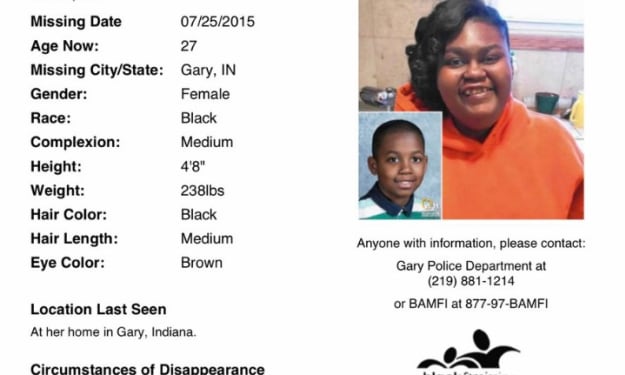
Vanished Without a Trace: The Disappearance of Diamond Bynum and King Walker On the morning of July 25, 2015, a quiet block on Matthews Street in Gary, Indiana became the center of a mystery that still haunts investigators, family members, and the surrounding community nearly a decade later.
By Dakota Denise about 4 hours ago in Criminal
Push To Prevent Catapults Being Bought By Children
MP’s have been warned to put new legislation in place that will help to close a loophole in the law which allows people including children to legally buy weapons which is capable of killing wildlife. The alert was issued during a briefing in parliament which set out growing evidence that catapults were being misused against animals and to damage other people’s private property. The Naturewatch Foundation who hosted the session expanded on their message that at the moment there is a completely unregulated system where people of any age can buy weapons and there are no meaningful controls on sale or power.
By Ashish Prabhu5 days ago in Criminal


Comments
There are no comments for this story
Be the first to respond and start the conversation.