Fiazahmedbrohi
Stories (492)
Filter by community
Israel Approves 19 New Settlements in Occupied West Bank. AI-Generated.
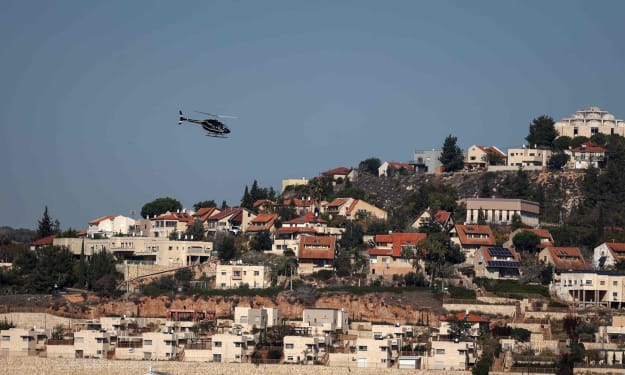
Israel’s approval of 19 new settlements in the occupied West Bank has sparked renewed controversy, drawing sharp criticism from Palestinians, international observers, and human rights organizations. The move, seen as one of the most significant expansions in recent years, underscores the deepening political divide surrounding the Israeli-Palestinian conflict and raises fresh questions about the future of a two-state solution. The decision formalizes several outposts that had previously existed without official authorization while paving the way for new construction. Israeli officials describe the move as an administrative step aimed at regulating communities already established on the ground. However, critics argue it represents a deliberate strategy to entrench Israeli control over disputed territory. Why the Settlements Matter The West Bank, captured by Israel in 1967, is considered occupied territory under international law. Most of the international community views Israeli settlements there as illegal, citing the Fourth Geneva Convention, which prohibits an occupying power from transferring its civilian population into occupied land. Despite this, Israel disputes the interpretation, arguing historical and security claims to the territory. Over the decades, settlement expansion has steadily altered the geography of the West Bank, complicating efforts to establish a contiguous and viable Palestinian state. With the approval of 19 new settlements, the number of officially recognized Israeli communities in the West Bank is set to increase significantly, reinforcing concerns that the physical reality on the ground is outpacing diplomatic efforts. Palestinian Reaction: “A Blow to Peace” Palestinian leaders swiftly condemned the move, calling it a “direct assault” on prospects for peace. They argue that settlement expansion fragments Palestinian territory, restricts movement, and undermines trust in negotiations. For many Palestinians, the announcement confirms long-held fears that diplomacy has failed to halt settlement growth. Local communities worry about land confiscation, increased military presence, and potential displacement, all of which can fuel resentment and instability. Civil society groups have warned that the expansion could lead to heightened tensions, particularly in areas where settlers and Palestinian villages are in close proximity. International Response and Diplomatic Fallout The approval has also triggered concern among Israel’s allies. Several European governments reiterated their opposition to settlement expansion, emphasizing that such actions weaken the foundation for a negotiated two-state solution. The United Nations has repeatedly warned that settlement growth threatens regional stability and violates international law. While condemnations are often strong in language, critics note that tangible consequences have been limited, leading to frustration among those who see the settlements as a major obstacle to peace. Meanwhile, regional dynamics—such as shifting alliances in the Middle East—have complicated the international response. Some analysts argue that geopolitical priorities elsewhere have reduced sustained pressure on Israel over settlement policies. Domestic Politics and Strategic Calculations Within Israel, settlement expansion remains a deeply polarizing issue. Supporters view settlements as essential to national security and Jewish historical claims. Many settlers see the approval as long-overdue recognition of communities that have existed for years without formal status. Opponents, including Israeli human rights groups, warn that continued expansion isolates Israel internationally and risks entrenching an unequal system in the West Bank. They argue that settlement policies may offer short-term political gains but carry long-term moral and strategic costs. The timing of the decision has also drawn attention. Analysts suggest domestic political pressures, coalition dynamics, and regional security concerns may have played a role in accelerating approval. Impact on the Two-State Solution Perhaps the most significant implication of the decision is its impact on the long-discussed two-state solution. The idea of an independent Palestinian state existing alongside Israel depends on clearly defined borders and territorial continuity—both of which are increasingly difficult to achieve amid expanding settlements. As settlements spread, Palestinian areas become more fragmented, leading some experts to argue that the window for a viable two-state solution is rapidly closing. Others believe alternative frameworks may eventually replace the traditional peace model, though no clear consensus has emerged. What Happens Next? While the approval of new settlements marks a decisive step, its long-term consequences remain uncertain. Protests, diplomatic pressure, and legal challenges are likely to follow, but past experience suggests that reversing such decisions is difficult. For many observers, the move highlights the urgent need for renewed international engagement and a credible political process. Without meaningful dialogue, the cycle of unilateral actions and condemnation risks becoming entrenched, further distancing both sides from a sustainable resolution. As settlement expansion continues to shape realities on the ground, the question facing the region is no longer just about borders—but whether a peaceful and equitable future remains achievable.
By Fiazahmedbrohi 23 days ago in The Swamp
Alarm Over ‘Exploding’ Rise in Use of Sanctions-Busting Shadow Fleet. AI-Generated.
Global authorities are sounding the alarm over the rapid expansion of a so-called “shadow fleet”—a network of aging, opaque, and often uninsured vessels being used to evade international sanctions. The surge in these clandestine shipping operations is raising serious concerns among governments, insurers, and maritime security experts, who warn that the practice threatens not only the effectiveness of sanctions but also environmental safety and global trade stability. The shadow fleet has grown dramatically since Western nations imposed strict sanctions on Russia and other sanctioned states. As access to traditional shipping markets narrowed, alternative networks quickly filled the gap. These vessels operate in legal grey zones, frequently changing flags, ownership structures, and routes to avoid detection while transporting sanctioned oil, fuel, and commodities. What Is the Shadow Fleet? The term “shadow fleet” refers to a loosely connected group of ships that operate outside conventional maritime oversight. Many are older tankers purchased cheaply and registered under flags of convenience in jurisdictions with weak enforcement. Their ownership is often concealed through shell companies, making accountability difficult. Unlike mainstream commercial vessels, shadow fleet ships frequently sail without proper insurance, avoid port inspections, and disable tracking systems such as Automatic Identification System (AIS) transponders. This allows them to move sanctioned cargo discreetly, often engaging in ship-to-ship transfers in international waters to further obscure cargo origins. Maritime analysts estimate that hundreds of vessels are now involved, marking an “explosive” increase compared to pre-sanctions levels. Why the Rise Is Alarming Governments argue that the shadow fleet undermines the core purpose of sanctions: applying economic pressure without resorting to military conflict. When sanctioned states can continue exporting vital resources through covert channels, the impact of these measures is significantly reduced. But the risks go beyond geopolitics. Many shadow fleet ships are poorly maintained and lack credible insurance coverage. In the event of an oil spill or maritime accident, cleanup costs could fall on coastal states rather than shipowners, creating major environmental and financial liabilities. Experts warn that crowded sea lanes—particularly in the Baltic Sea, Mediterranean, and Asian waters—are becoming more dangerous as unregulated vessels operate without transparency or safety compliance. A Growing Security Concern The expansion of the shadow fleet is also reshaping maritime security calculations. Intelligence agencies fear that some vessels may serve dual purposes, including surveillance, logistics support, or influence operations. While most ships are engaged in commercial transport, their opaque nature makes monitoring difficult. Recent incidents involving damaged undersea infrastructure and suspicious ship movements have intensified scrutiny. Though direct links to sabotage are often hard to prove, the lack of transparency fuels mistrust and heightens regional tensions. Countries bordering critical waterways are now investing more heavily in maritime surveillance, satellite tracking, and intelligence-sharing to counter these risks. Enforcement Struggles and Legal Gaps Despite growing awareness, enforcement remains challenging. International maritime law limits what states can do outside their territorial waters, and many shadow fleet vessels exploit this constraint. Boarding ships, seizing cargo, or denying port access requires solid legal justification and diplomatic coordination. Some governments have begun tightening rules by targeting insurers, shipping services, and financial intermediaries that enable shadow fleet operations. Others are expanding sanctions to include vessels themselves, not just companies or individuals. However, critics argue that enforcement remains uneven. As long as there is demand for discounted oil and weak oversight in certain regions, shadow fleet operations will find ways to adapt. Environmental and Economic Fallout Environmental groups have voiced particular concern over the shadow fleet’s impact. Aging tankers operating without insurance or safety oversight increase the risk of catastrophic spills, especially in ecologically sensitive waters. At the same time, legitimate shipping companies face unfair competition. While compliant operators adhere to costly regulations, shadow fleet vessels bypass rules and undercut prices, distorting global markets. This imbalance threatens the long-term health of the maritime industry and could discourage investment in safer, greener shipping practices. What Comes Next International bodies and Western governments are now debating stronger, coordinated responses. Proposed measures include tighter port-state controls, expanded vessel blacklists, enhanced satellite monitoring, and greater transparency requirements for ship ownership. The challenge lies in balancing enforcement with international law and avoiding unintended consequences for global trade. Still, policymakers increasingly agree that ignoring the shadow fleet is no longer an option. As sanctions remain a key tool of modern diplomacy, their credibility depends on effective enforcement. The explosive rise of the shadow fleet is testing that credibility—and forcing the world to confront the hidden networks operating just beyond the horizon.
By Fiazahmedbrohi 23 days ago in The Swamp
Swedish Authorities Board Sanctioned Russian Ship in National Waters. AI-Generated.
Swedish authorities have taken a decisive step in enforcing international sanctions by boarding a sanctioned Russian-linked vessel while it was sailing through Sweden’s national waters. The move marks a significant escalation in Europe’s efforts to uphold sanctions imposed on Russia since the outbreak of the Ukraine war, and it underscores the growing importance of maritime security in the Baltic Sea region.
By Fiazahmedbrohi 23 days ago in Journal
Russian Troops Lose 1,130 Soldiers and Two Tanks in Day of War Against Ukraine. AI-Generated.
In a stark development on the battlefield, Ukraine’s military reported that Russian forces suffered devastating losses in just a single day of fighting. According to Ukrainian defense sources, over 1,130 Russian soldiers were killed, and two armored tanks were destroyed, marking one of the deadliest days for Moscow’s military since the conflict intensified in late 2024. The day of heavy casualties underscores both the resilience of Ukrainian forces and the continued challenges facing Russia’s military operations. Experts note that these losses may indicate a turning point in certain regions of eastern Ukraine, particularly near contested towns along the Donetsk and Luhansk frontlines. The Context of Escalating Tensions The ongoing war in Ukraine has already claimed tens of thousands of lives, displaced millions, and destabilized the broader region. Analysts attribute the latest Russian losses to multiple factors, including logistical difficulties, the effective use of drone strikes by Ukraine, and coordinated counterattacks that have leveraged Western-supplied weaponry. Ukrainian officials highlighted that the use of precision-guided munitions, combined with real-time intelligence, has enabled their forces to target Russian troop movements with alarming efficiency. The destruction of two Russian tanks, while seemingly minor in the context of armored warfare, represents the continuing attrition of Russia’s heavy military assets, which are difficult and costly to replace. Ukraine’s Defensive Strategy Ukraine’s military strategy has increasingly focused on mobility, tactical retreats, and concentrated counterattacks to exploit vulnerabilities in Russian supply lines. General Oleksandr Syrsky, commander of Ukraine’s Ground Forces, stated, “We are prioritizing strategic strikes that inflict maximum damage while minimizing our own casualties. Today’s results are a reflection of the planning and courage of our soldiers on the frontlines.” The Ukrainian forces have also intensified their use of drones, including both surveillance and attack units, to monitor Russian troop movements. Reports suggest that drones played a critical role in identifying and targeting the Russian tanks destroyed during the day of heavy combat. Analysts argue that this technological edge has become a force multiplier for Ukraine, allowing relatively smaller units to achieve disproportionate impacts on the battlefield. Human Cost and Morale While military analysts focus on numbers, the human toll is deeply concerning. The loss of over a thousand soldiers in a single day is not just a logistical challenge; it has profound implications for morale and political support within Russia. Human rights organizations have also raised concerns about the welfare of soldiers, questioning the conditions under which Russian troops are operating. Conversely, Ukraine’s civilian population has rallied around their military, celebrating victories while coping with the broader devastation caused by months of conflict. The resilience of Ukrainian forces has become a symbol of national pride, both domestically and internationally, as countries continue to provide military aid and economic support. International Response The heavy Russian losses have prompted renewed discussions among Western allies. NATO officials reaffirmed their commitment to supplying Ukraine with weapons, intelligence, and training. “Ukraine’s ability to defend its territory and inflict significant losses on Russian forces demonstrates both strategic capability and the importance of continued international support,” said a NATO spokesperson. Meanwhile, Russian state media has downplayed the casualties, framing them as minor setbacks in a larger military operation. Observers, however, note that the consistent reporting from independent sources, including Ukrainian officials and international observers, paints a more sobering picture of Moscow’s losses. What Lies Ahead Military analysts caution that while the latest losses are significant, they do not necessarily signal an imminent end to the conflict. Russia retains substantial manpower and military assets, and both sides continue to engage in intense combat along multiple fronts. However, the scale of the casualties may force Moscow to reconsider its tactics and deployment strategies in the near term. For Ukraine, the challenge remains sustaining momentum while protecting civilian areas and critical infrastructure from ongoing attacks. Analysts suggest that the combination of international support, innovative military tactics, and high morale among Ukrainian troops may continue to tilt the balance in their favor, at least in localized engagements. As the war drags on, the human cost remains staggering. The latest day of conflict, marked by 1,130 Russian casualties, serves as a grim reminder of the war’s intensity and the profound consequences for both soldiers and civilians caught in the crossfire.
By Fiazahmedbrohi 24 days ago in The Swamp
US Carries Out ‘Massive’ Strike Against IS in Syria. AI-Generated.
In a decisive military operation, the United States conducted what officials have described as a “massive” strike against Islamic State (IS) positions in Syria, targeting critical infrastructure and operatives tied to the extremist group. The strike comes amid rising concerns over IS’s resurgence in parts of northern and eastern Syria, threatening regional stability and the ongoing fight against terrorism. Background and Context The Islamic State, once a dominant force in Iraq and Syria, has seen its territorial holdings significantly reduced since its peak in 2014-2015. However, intelligence reports indicate that IS continues to maintain sleeper cells and logistical networks capable of planning attacks both locally and internationally. In recent months, US and coalition intelligence observed heightened activity in the Syrian desert regions, prompting the urgent military response. According to Pentagon officials, the operation targeted several high-value IS facilities, including training camps, weapons storage depots, and command posts. These locations were reportedly used to coordinate attacks, recruit fighters, and store arms for operations in Syria, Iraq, and neighboring countries. Details of the Strike The strike, carried out using precision air and drone strikes, reportedly involved dozens of sorties and targeted multiple IS strongholds simultaneously. Defense officials emphasized that the operation was meticulously planned to minimize civilian casualties while inflicting maximum disruption to IS’s operational capacity. Preliminary reports suggest that several key IS leaders were among those neutralized during the strike, though US authorities are cautious in confirming exact figures until further intelligence assessments are completed. Military analysts suggest that this action represents one of the most significant direct attacks on IS positions in Syria over the past year. Regional and Global Implications The US strike has significant implications for regional security in the Middle East. Syria remains a complex battlefield, with multiple actors—including the Syrian government, Russian forces, Kurdish militias, and various extremist groups—jockeying for influence. The operation underscores the United States’ continued commitment to counterterrorism in the region, even as geopolitical challenges persist. Regional allies, particularly in Iraq and Jordan, have expressed support for the strike, highlighting the shared threat posed by IS networks. Analysts note that weakening IS in Syria could indirectly reduce cross-border attacks and disrupt supply chains that fuel extremist operations in neighboring countries. Reactions from Stakeholders Reactions to the strike have been largely supportive among Western and coalition partners. NATO officials and European allies lauded the operation, emphasizing the need for continued vigilance against terrorism. In Washington, lawmakers across party lines acknowledged the necessity of targeted strikes while urging transparency regarding civilian safety and collateral damage. Within Syria, the reaction is more complex. While some local communities express relief at the targeting of extremist groups, others remain wary of foreign military operations that could exacerbate instability or provoke retaliatory attacks. Humanitarian organizations have reiterated the importance of ensuring that military actions do not hinder relief efforts in conflict-affected regions. Challenges Ahead Despite the success of the strike, experts caution that eliminating IS infrastructure in Syria is a long-term challenge. The group has demonstrated resilience through decentralized networks and the ability to adapt tactics rapidly. Military analysts suggest that continued intelligence gathering, counter-radicalization programs, and cooperation with local forces are essential to prevent IS from regaining influence. The strike also raises questions about the broader US strategy in Syria, particularly in balancing counterterrorism objectives with diplomatic efforts to stabilize the region. The complexity of Syrian politics, ongoing civil conflict, and competing international interests mean that any action against IS must be part of a coordinated and sustainable approach. The Bigger Picture The US strike against IS is part of a broader global effort to combat terrorism and protect regional stability. While the operation may temporarily disrupt IS operations, experts stress that defeating extremism requires comprehensive strategies addressing ideology, recruitment, and governance in vulnerable areas. For the citizens of Syria and neighboring regions, the strike is a reminder of the ongoing threat posed by extremist groups and the critical role of international cooperation in maintaining security. For policymakers and military strategists, it highlights both the effectiveness and limitations of precision strikes in counterterrorism efforts. Conclusion The United States’ “massive” strike against IS positions in Syria marks a significant step in the continuing battle against extremism in the Middle East. By targeting critical infrastructure and high-value operatives, the operation aims to disrupt the group’s capabilities and prevent future attacks. However, the enduring challenge of dismantling decentralized terrorist networks and ensuring long-term regional stability remains. As global attention remains focused on Syria, the strike serves as a stark reminder that the fight against terrorism is far from over, requiring vigilance, strategic planning, and international collaboration.
By Fiazahmedbrohi 25 days ago in The Swamp
Janhvi Kapoor Mimics Chachu Anil Kapoor at NDTV Indian of the Year 2025. AI-Generated.
Bollywood's glitz and glamour were on full display at the NDTV Indian of the Year 2025 awards, but one moment that stole the show was far from scripted or rehearsed. Janhvi Kapoor, one of the brightest young stars of her generation, left the audience in splits as she playfully mimicked her uncle, veteran actor Anil Kapoor. The moment, filled with warmth, humor, and a touch of familial affection, became an instant highlight of the evening. A Lighthearted Nod to Family Ties Janhvi Kapoor, daughter of the late Sridevi and Boney Kapoor, has carved a niche for herself in the competitive world of Bollywood with her performances in films like Gunjan Saxena: The Kargil Girl and Good Luck Jerry. At the NDTV event, however, she showed a different side: her innate ability to bring laughter and charm through impersonation. Her mimicry of Anil Kapoor—a legendary figure in the Indian film industry known for his energetic persona and iconic style—was not only accurate but delivered with perfect comic timing. From his distinctive laugh to his signature gestures, Janhvi captured the essence of her uncle’s personality in a way that delighted both the audience and the star himself. Anil Kapoor’s Reaction Anil Kapoor, who has had a career spanning over four decades and is known for his versatility and charismatic presence, took the mimicry in stride. The veteran actor chuckled and applauded Janhvi’s performance, showing that even icons of the industry can appreciate humor aimed at themselves. Fans and celebrities alike flooded social media with clips of the mimicry, many praising Janhvi for her confidence and playful spirit. The moment not only strengthened her image as a talented actress but also highlighted her charm, wit, and the close bond she shares with her family. The Power of Family in Bollywood The Kapoor family has long been considered Bollywood royalty, with multiple generations contributing significantly to Indian cinema. From Prithviraj Kapoor to Anil Kapoor, the family has nurtured talent that has not only entertained audiences but also shaped the trajectory of the industry. Janhvi Kapoor’s playful homage to Anil Kapoor is a reminder of the strong familial ties that often characterize Bollywood dynasties. Such moments of lightheartedness are rare in award ceremonies, which often focus on accolades and speeches. By bringing humor and personal touch, Janhvi reminded the audience that behind the glamour and awards, there are real relationships and playful interactions that define the industry. Audience Response and Viral Moments The NDTV Indian of the Year awards, known for celebrating the accomplishments of individuals across film, sports, business, and social causes, witnessed numerous memorable moments. Yet, Janhvi’s impersonation quickly became a social media sensation. Fans on platforms like Instagram, Twitter, and YouTube shared clips, creating a viral moment that added to the evening's charm. The mimicry also highlighted a new trend in Bollywood: celebrities embracing humor and spontaneity in public appearances. In an era where image management is meticulously curated, Janhvi Kapoor’s unguarded performance resonated with fans and reminded the audience of her authenticity. Beyond the Laughter While the mimicry was humorous, it also underscored Janhvi Kapoor’s comfort in the public eye. Being part of a prominent film family can bring immense pressure, but Janhvi’s ability to confidently perform in front of such a large audience speaks to her growing maturity and ease as a performer. Moreover, it provided a refreshing break from the usual award show formalities. In a room filled with celebrities, politicians, and media personalities, moments of genuine humor and personal connection stand out, making the evening more relatable and memorable for everyone present. Conclusion Janhvi Kapoor’s playful impersonation of Anil Kapoor at the NDTV Indian of the Year 2025 awards was a perfect blend of humor, talent, and familial love. It showcased her as more than just an emerging starlet—it highlighted her charisma, timing, and ability to connect with both the audience and her family in a lighthearted manner. In an industry where serious accolades often dominate the spotlight, such moments of fun and affection remind fans and celebrities alike that Bollywood is also about joy, shared laughter, and celebrating relationships. Janhvi Kapoor’s mimicry of her chachu was more than just a comedic act—it was a testament to the bonds that define Bollywood families and the charm of the actors who bring life to the silver screen.
By Fiazahmedbrohi 25 days ago in Geeks
Sandeep Reddy Vanga Calls ‘Dhurandhar’ ‘Dominance’ and ‘Fierce’; Praises Film as ‘Built Like a Man with a Masculine Spine’. AI-Generated.
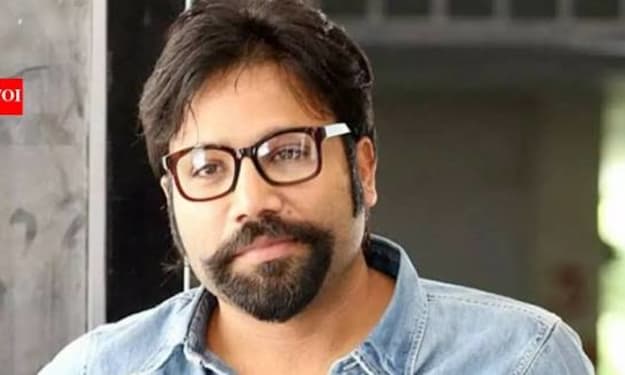
Bollywood continues to witness a wave of high-octane action films, and Dhurandhar, starring Ranveer Singh, has emerged as one of the most talked-about releases of 2025. Praises for the film have poured in from audiences, critics, and even industry stalwarts, with one notable endorsement coming from ace filmmaker Sandeep Reddy Vanga. Known for his blockbuster hits like Arjun Reddy and KGF, Vanga’s take on Dhurandhar has added significant weight to the film’s growing reputation. Dominance on the Screen Sandeep Reddy Vanga described Dhurandhar as “dominance” and “fierce,” words that reflect not only the intensity of the film but also the sheer energy Ranveer Singh brings to the role. The film, directed by Rohit Shetty, is a rollercoaster of high-octane action sequences, emotionally charged moments, and larger-than-life dramatics. According to Vanga, Dhurandhar is “built like a man with a masculine spine,” a metaphor capturing the film’s robust narrative structure and the unwavering strength of its protagonist. Vanga’s praise highlights a significant achievement in contemporary Bollywood cinema: combining intense action with strong storytelling. While action films often rely solely on spectacle, Dhurandhar manages to balance cinematic bravado with character depth, allowing audiences to connect with Ranveer Singh’s persona on multiple levels. Ranveer Singh: A Powerhouse Performance At the heart of Vanga’s admiration is Ranveer Singh himself. Known for his versatility and relentless energy, Singh embodies the essence of Dhurandhar’s protagonist. His performance has been described as commanding, fearless, and unyielding. Vanga noted that the actor’s portrayal resonates with strength, determination, and a raw edge rarely seen in mainstream Bollywood heroes. “Ranveer Singh has built a character that is physically powerful and emotionally grounded,” Vanga said. “It’s not just about fighting on-screen; it’s about embodying dominance, making every frame his own.” This acknowledgment from a filmmaker celebrated for crafting intense, larger-than-life characters underscores the significance of Singh’s performance. Industry Buzz and Early Reception Dhurandhar has already generated considerable buzz among critics and audiences alike. Social media is flooded with clips of Ranveer Singh’s most daring stunts, dialogues, and powerful screen presence. Vanga’s endorsement has further amplified this excitement, signaling to fans and the industry that the film is not just another commercial action drama but a cinematic experience worth watching. The combination of Rohit Shetty’s signature direction and Singh’s relentless energy has been praised for delivering a perfect blend of entertainment, intensity, and emotion. According to early reviews, the film manages to capture attention from the first scene and maintains momentum throughout, keeping audiences engaged with both its narrative and spectacle. A Modern Take on Masculinity Vanga’s comment on Dhurandhar being “built like a man with a masculine spine” also reflects broader cultural conversations around masculinity in cinema. Unlike stereotypical portrayals of male heroes, Dhurandhar presents a complex, multi-dimensional character who exhibits strength, integrity, and vulnerability in equal measure. By celebrating this nuanced depiction, Vanga signals an appreciation for films that redefine heroism beyond just physical prowess. The protagonist’s actions, decisions, and moral compass contribute to a layered portrayal, making the character both relatable and aspirational. Looking Ahead With Dhurandhar already making waves in the industry, Vanga’s praise adds a layer of credibility that can influence box-office performance, audience perception, and critical reception. Films of this scale thrive not only on star power but also on the endorsement of industry veterans who understand the craft of cinema. As audiences flock to theaters to witness the “dominance” and “fierce” energy described by Vanga, it is clear that Dhurandhar is more than just an action-packed spectacle. It represents a synergy of direction, performance, and storytelling that resonates with contemporary viewers. Conclusion Sandeep Reddy Vanga’s admiration for Dhurandhar emphasizes the film’s stronghold on modern Bollywood action cinema. Calling it “dominance” and “fierce,” he recognizes not only Ranveer Singh’s powerhouse performance but also the thoughtful crafting of a hero who embodies courage, resilience, and complexity. In a year filled with cinematic offerings, Dhurandhar stands out as a film that captures attention, evokes emotion, and sets new standards for action dramas. With endorsements from filmmakers of Vanga’s stature, the movie’s impact is poised to be both commercial and cultural, reaffirming Bollywood’s evolving narrative of heroism, masculinity, and cinematic excellence.
By Fiazahmedbrohi 25 days ago in Geeks
Anthony Joshua’s Girlfriend: A Glimpse Into the Life of the Boxer’s Love Interest. AI-Generated.
Anthony Joshua, the British heavyweight boxing champion, has long been in the limelight not just for his formidable presence in the ring but also for his personal life. Fans are often curious about the man behind the gloves, particularly when it comes to his relationships. One topic that has sparked considerable attention is Anthony Joshua’s girlfriend — a person who has been both a source of support and a subject of media fascination.
By Fiazahmedbrohi 25 days ago in Geeks
Rachel Shenton: From Soap Stardom to Oscar-Winning Filmmaker – A Journey of Resilience and Creativity. AI-Generated.
Rachel Shenton is a name that resonates with versatility, talent, and resilience in the entertainment world. Best known for her acting career in British soap operas, Shenton has steadily transformed into an acclaimed filmmaker and advocate, demonstrating that success is a combination of passion, dedication, and purpose. Her journey, spanning over a decade, reflects her commitment to storytelling, advocacy, and personal growth, making her a compelling figure both on and off the screen. Early Career and Rise to Fame Rachel Shenton began her professional acting career with roles in British television, gradually carving a niche for herself. She gained widespread recognition with her portrayal of Mitzeee Minniver in the long-running soap opera Hollyoaks. Her character, vibrant and determined, quickly became a fan favorite, showcasing Shenton’s natural ability to breathe life into complex roles. Critics praised her performance for its authenticity, emotional depth, and charm, establishing her as a talented actor capable of handling nuanced storylines. Beyond soap operas, Shenton explored various television and stage roles, continually refining her craft. Her ability to transition seamlessly between genres demonstrated her range as an actor, earning her credibility within the entertainment industry. However, Shenton’s career trajectory took an inspiring turn as she decided to channel her storytelling abilities into filmmaking. Transition to Filmmaking and Oscar Recognition Shenton’s leap from acting to filmmaking was driven by her desire to tell meaningful stories that could inspire, educate, and resonate on a deeper level. She directed and co-wrote the short film The Silent Child, a poignant narrative highlighting the struggles of deaf children and the importance of early intervention and inclusive communication. The film, lauded for its emotional impact and sensitive portrayal of disability, received international acclaim. In 2018, The Silent Child won the Academy Award for Best Live Action Short Film, a moment that cemented Rachel Shenton’s reputation as a filmmaker with vision and heart. Her work not only entertained but also highlighted significant social issues, reflecting her commitment to advocacy through storytelling. The Oscar win was a testament to her ability to transform personal passion into universal narratives, inspiring audiences worldwide. Advocacy and Work with the Deaf Community Rachel Shenton is profoundly connected to the deaf and hard-of-hearing community, drawing inspiration from her personal experiences and professional work. She is fluent in British Sign Language (BSL) and actively promotes accessibility in media. Her advocacy extends beyond film, as she collaborates with organizations supporting deaf individuals, pushing for inclusive education and awareness campaigns. Her Oscar-winning film became a catalyst for meaningful conversations about the challenges faced by deaf children, highlighting gaps in support systems and promoting a culture of empathy and understanding. Shenton’s work demonstrates the powerful intersection of art and social advocacy, showing how media can drive awareness and change. Personal Life and Public Influence Beyond her professional achievements, Rachel Shenton’s personal journey reflects resilience and adaptability. Open about her challenges and experiences, she encourages fans to pursue their passions while advocating for social causes. Her influence extends to social media platforms, where she engages with fans, shares insights into filmmaking, and raises awareness about advocacy issues close to her heart. Shenton’s story resonates particularly with young artists and advocates, exemplifying how creativity can be paired with social impact. She continues to balance acting, filmmaking, and advocacy, demonstrating that professional success and meaningful societal contributions can coexist. Future Endeavors and Continuing Impact Looking ahead, Rachel Shenton remains committed to expanding her impact both as a filmmaker and advocate. She is reportedly working on new projects aimed at highlighting underrepresented voices and addressing pressing social issues. Her evolving career is a testament to the transformative power of perseverance, creativity, and empathy. In conclusion, Rachel Shenton’s journey from British television to the global stage exemplifies resilience, creativity, and purpose. Her ability to combine art with advocacy has not only earned her critical acclaim but has also made a tangible impact on communities often overlooked in mainstream media. Whether as an actor, filmmaker, or advocate, Shenton continues to inspire and engage audiences worldwide, proving that storytelling, when done with intention, can change perspectives and lives.
By Fiazahmedbrohi 25 days ago in Geeks
Epstein Case Documents Partially Released; Public Awaits Thousands More". AI-Generated.
The saga surrounding Jeffrey Epstein, the convicted financier whose life and crimes have gripped the world for over a decade, took another dramatic turn as thousands of previously sealed documents were partially released on Thursday. The files, heavily redacted, provide a glimpse into the complex web of allegations, legal maneuvering, and powerful figures connected to Epstein. Yet, legal experts and the public alike are bracing for the release of thousands more documents, which could further illuminate the breadth of Epstein’s operations and the complicity of those around him. The newly released files stem from civil lawsuits filed against Epstein’s estate, detailing allegations of sexual abuse and trafficking. While they confirm some previously reported events, they also introduce new claims and shed light on the mechanisms Epstein allegedly used to exploit young women. However, the redactions, intended to protect the privacy of victims and sensitive investigative information, have sparked criticism from activists and legal analysts who argue that the full story remains obscured. Legal scholar Maria Jensen emphasized the significance of the release. “Even with heavy redactions, these documents give us insight into Epstein’s methods, his networks, and the response of the legal system to such a high-profile predator. But the real revelations will come when the remaining documents are unsealed,” she said. The redacted documents include court filings, witness statements, and internal communications between Epstein’s lawyers and the judiciary. Some passages hint at alleged attempts to influence witnesses and minimize the impact of the legal cases against him. Others provide detailed accounts of alleged abuse, underscoring the calculated and systematic nature of Epstein’s alleged exploitation. Public attention has also turned to the names mentioned in the filings. While many names are blacked out, some high-profile figures previously linked to Epstein appear in new contexts, prompting renewed scrutiny. Journalists and advocacy groups have called for transparency, arguing that public understanding of the full scope of Epstein’s activities is essential for justice and accountability. Attorney Lisa Hernandez, representing several victims, highlighted the emotional impact of the documents. “Reading through these files, even partially, is harrowing. It confirms the depth of the trauma these individuals endured. Each redacted line reminds us of the stories yet untold, the victims whose voices have been muted for too long,” she said. The anticipation for the release of thousands more documents has placed pressure on the courts to expedite the process. Legal experts note that the remaining files could potentially name additional alleged accomplices or highlight systemic failures in law enforcement and judicial oversight. The public and media are watching closely, aware that each release may shift the narrative around Epstein and his network. In addition to legal implications, the files raise broader societal questions about power, privilege, and accountability. Epstein’s ability to operate for years, despite early allegations, points to gaps in the legal system and societal reluctance to challenge influential figures. Advocates argue that the unsealing of all documents is not just about one individual, but about ensuring that mechanisms of justice work equitably, regardless of wealth or influence. Meanwhile, public interest in the case remains high, fueled by documentaries, investigative reporting, and political commentary. Social media platforms have become forums for analysis, speculation, and calls for further transparency. Despite the redactions, snippets from the newly released files have already sparked debates about institutional complicity and the need for systemic reform to prevent similar abuses in the future. As legal proceedings continue, Epstein’s legacy is being reevaluated, not just as a criminal figure, but as a catalyst for conversations about exploitation, legal accountability, and the intersection of wealth and power. The release of heavily redacted files marks a step forward in uncovering the truth, but it also underscores how much remains hidden. For victims, advocacy groups, and the general public, the upcoming document releases may offer clarity, justice, and perhaps closure. For society at large, it serves as a stark reminder of the vigilance required to protect the vulnerable and hold the powerful accountable. The Epstein files, even in redacted form, are a sobering testament to the need for transparency, justice, and systemic reform—a story that continues to unfold.
By Fiazahmedbrohi 25 days ago in The Swamp
Trump’s Name Added to Kennedy Center Exterior, One Day After Vote to Rename. AI-Generated.
In a move that has sparked nationwide debate, the name of former U.S. President Donald Trump has been added to the exterior of the John F. Kennedy Center for the Performing Arts, just one day after a vote by the center’s board approved the renaming. The decision has reignited discussions about the intersection of politics, culture, and historical legacy in the United States. A Sudden and Controversial Change The Kennedy Center, a cultural landmark in Washington, D.C., has long been associated with the legacy of President John F. Kennedy and the promotion of the performing arts. The announcement that Trump’s name would now appear on the center’s exterior caught many by surprise, especially considering that the vote to rename had been a contentious one, marked by months of debate and public scrutiny. According to sources close to the Kennedy Center board, the decision followed a narrowly passed resolution, which cited Trump’s contributions to arts funding and initiatives during his tenure. While supporters argue that the addition acknowledges a broader spectrum of American leadership in cultural promotion, critics have described it as a politically motivated move that undermines the institution’s historical neutrality. Public Reaction and Political Divide The news quickly went viral, with reactions from politicians, artists, and the general public pouring in across social media platforms. Many Democrats expressed outrage, framing the addition as an attempt to politicize a revered cultural institution. Representative Alexandria Ocasio-Cortez tweeted that the renaming “distorts history and erases the Kennedy Center’s commitment to unity through art.” Conversely, supporters of Trump and conservative commentators hailed the move as long overdue. Some argued that Trump’s policies, including tax incentives for arts organizations and support for cultural initiatives, merited recognition alongside other historical figures associated with the center. Local residents near the Kennedy Center have also weighed in, noting the logistical changes needed to accommodate the new signage. “It’s strange seeing the name change so quickly,” said a nearby theatergoer. “Whether you support it or not, it definitely makes a statement.” The Process Behind Renaming The process to rename the Kennedy Center began earlier this year, prompted by both public calls to honor broader contributions to American arts and the political influence surrounding major cultural institutions. The board of directors held multiple closed-door meetings before the final vote, which reportedly passed with a slim margin. Renaming cultural landmarks in the United States is rare and often fraught with controversy. Experts point to previous cases, such as the renaming of sports arenas or the removal of Confederate symbols, noting that decisions like this can shape public perception of history for generations. Cultural historians have been quick to weigh in. Dr. Helena Montgomery, a professor of American Studies, explained, “The Kennedy Center has always symbolized artistic excellence and political neutrality. Adding the name of a recent and polarizing political figure is unprecedented. This will likely spark debate about whether cultural institutions should reflect contemporary politics or focus solely on their artistic mission.” Implications for the Arts Community For artists and performers, the renaming raises questions about how political associations might influence future programming and funding. Some fear that performers opposed to Trump’s policies may hesitate to participate in events at the center, while others believe the renaming could attract new audiences aligned with the former president’s base. The Kennedy Center’s leadership has emphasized that the decision does not alter its mission. In a statement, the center said, “Our commitment to artistic excellence and diversity remains unchanged. The addition of a name does not redefine the cultural experiences we provide to the public.” Looking Ahead As the Kennedy Center adjusts to the new signage, discussions about its broader implications are likely to continue. This renaming episode highlights the complex interplay between politics, culture, and public memory. Whether the decision will be seen as a recognition of contribution or a politicization of art remains to be seen, but it is certain to be a topic of debate for years to come. Observers suggest that the episode may serve as a precedent for other cultural institutions facing pressure to recognize or reject political figures. For now, the Kennedy Center stands as a symbol of American artistry, now carrying an unexpected addition to its storied legacy. As debates unfold, one thing remains clear: the intersection of politics and culture is never far from the public eye, and the Kennedy Center’s latest decision ensures it will remain center stage in that discussion.
By Fiazahmedbrohi 25 days ago in The Swamp
Make Korea Great Again: The Right-Wing Group Wooing Disenchanted Youth. AI-Generated.
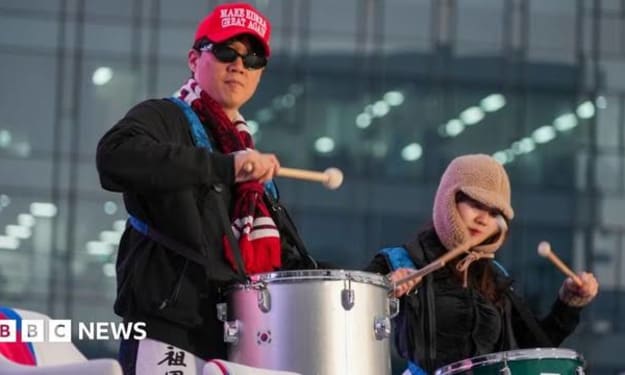
South Korea is often celebrated globally for its technological innovation, pop culture dominance, and rapid economic growth. Yet beneath this polished image lies a growing sense of frustration among many young South Koreans who feel left behind by the country’s success story. High youth unemployment, soaring housing prices, intense academic pressure, and widening inequality have created fertile ground for political movements promising radical change. Into this space has stepped a new right-wing group using the provocative slogan “Make Korea Great Again,” borrowing language familiar from Western populist movements while tailoring its message to local grievances. A Generation Feeling Shut Out South Korea’s younger generation, particularly those in their 20s and early 30s, faces challenges vastly different from those encountered by their parents. Stable jobs are harder to secure, competition for elite universities is relentless, and home ownership has become an almost unreachable dream for many. While the country’s older generations benefited from decades of rapid growth, today’s youth often feel that the ladder of opportunity has been pulled up behind them. This disillusionment has translated into political apathy for some and anger for others. Many young voters no longer feel represented by traditional political parties, which they see as disconnected, corrupt, or overly focused on older voters. The right-wing group behind the “Make Korea Great Again” slogan has positioned itself as a voice for these frustrated youths, claiming to speak uncomfortable truths that mainstream politicians avoid. Messaging That Resonates What sets this movement apart is its sharp focus on identity, fairness, and resentment toward perceived elites. The group argues that South Korea’s institutions—universities, media outlets, and political leadership—are dominated by progressive voices that marginalize conservative or nationalist perspectives. Through social media platforms like YouTube, X, and messaging apps, the movement reaches young people directly, bypassing traditional media it accuses of bias. Its messaging often blends economic anxiety with cultural concerns. The group claims that young Korean men, in particular, are being unfairly blamed for social problems while bearing the burdens of mandatory military service and job insecurity. By framing these issues as evidence of a system rigged against them, the movement offers not just criticism but a sense of belonging and purpose. Digital Strategy and Youth Appeal Unlike older conservative organizations, this group understands digital culture. Its leaders use memes, livestreams, and viral clips to package political ideas in a format that feels accessible and entertaining. Political rallies are styled more like online fan meetups, and slogans are designed to trend rather than merely persuade. This approach has proven effective. Some young supporters say they are drawn not necessarily by strict ideology, but by the movement’s willingness to challenge social norms and confront what they see as hypocrisy in politics. For them, “Make Korea Great Again” is less about nostalgia and more about reclaiming a future they believe has been denied to them. Critics Sound the Alarm Critics warn that the movement’s rise reflects a troubling global pattern in which economic frustration fuels polarizing politics. Progressive groups and human rights advocates argue that the movement oversimplifies complex problems and redirects anger toward vulnerable groups, including women, migrants, and political opponents. They fear that the rhetoric, while initially appealing, could deepen social divisions in an already polarized society. There are also concerns about the movement’s admiration for foreign populist figures and tactics. Detractors argue that importing slogans and strategies from abroad ignores South Korea’s unique historical and cultural context, risking the erosion of democratic norms built over decades. A Mirror of Broader Discontent Whether one agrees with its politics or not, the rise of this right-wing youth movement is a symptom of broader structural issues. Experts note that dismissing its supporters as merely angry or misinformed would be a mistake. The frustration they express—over economic precarity, lack of social mobility, and distrust in institutions—is real and widely shared across ideological lines. The challenge for South Korea’s political system is not simply to counter this movement but to address the conditions that allow it to thrive. Without meaningful reforms in housing, employment, education, and political transparency, similar movements are likely to continue gaining traction. What Comes Next? As South Korea approaches future elections, the influence of youth-driven political movements will be closely watched. Whether “Make Korea Great Again” evolves into a lasting political force or fades as a protest movement remains uncertain. What is clear, however, is that a growing segment of South Korea’s youth is searching for alternatives to the political status quo. Their message, however controversial, sends a warning signal to policymakers: ignore the frustrations of the younger generation, and others will step in to claim their loyalty. In that sense, this movement is not just reshaping conservative politics—it is forcing the nation to confront uncomfortable questions about who truly benefits from Korea’s success story.
By Fiazahmedbrohi 25 days ago in Geeks