
Make Korea Great Again: The Right-Wing Group Wooing Disenchanted Youth
How economic anxiety and identity politics are reshaping South Korea’s youth landscape

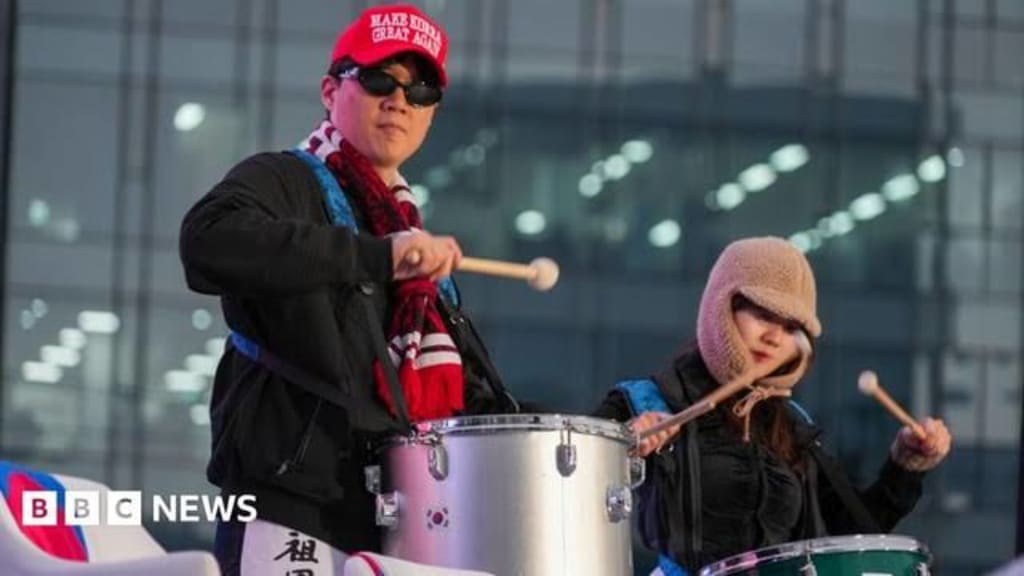
South Korea is often celebrated globally for its technological innovation, pop culture dominance, and rapid economic growth. Yet beneath this polished image lies a growing sense of frustration among many young South Koreans who feel left behind by the country’s success story. High youth unemployment, soaring housing prices, intense academic pressure, and widening inequality have created fertile ground for political movements promising radical change. Into this space has stepped a new right-wing group using the provocative slogan “Make Korea Great Again,” borrowing language familiar from Western populist movements while tailoring its message to local grievances.
A Generation Feeling Shut Out
South Korea’s younger generation, particularly those in their 20s and early 30s, faces challenges vastly different from those encountered by their parents. Stable jobs are harder to secure, competition for elite universities is relentless, and home ownership has become an almost unreachable dream for many. While the country’s older generations benefited from decades of rapid growth, today’s youth often feel that the ladder of opportunity has been pulled up behind them.
This disillusionment has translated into political apathy for some and anger for others. Many young voters no longer feel represented by traditional political parties, which they see as disconnected, corrupt, or overly focused on older voters. The right-wing group behind the “Make Korea Great Again” slogan has positioned itself as a voice for these frustrated youths, claiming to speak uncomfortable truths that mainstream politicians avoid.
Messaging That Resonates
What sets this movement apart is its sharp focus on identity, fairness, and resentment toward perceived elites. The group argues that South Korea’s institutions—universities, media outlets, and political leadership—are dominated by progressive voices that marginalize conservative or nationalist perspectives. Through social media platforms like YouTube, X, and messaging apps, the movement reaches young people directly, bypassing traditional media it accuses of bias.
Its messaging often blends economic anxiety with cultural concerns. The group claims that young Korean men, in particular, are being unfairly blamed for social problems while bearing the burdens of mandatory military service and job insecurity. By framing these issues as evidence of a system rigged against them, the movement offers not just criticism but a sense of belonging and purpose.
Digital Strategy and Youth Appeal
Unlike older conservative organizations, this group understands digital culture. Its leaders use memes, livestreams, and viral clips to package political ideas in a format that feels accessible and entertaining. Political rallies are styled more like online fan meetups, and slogans are designed to trend rather than merely persuade.
This approach has proven effective. Some young supporters say they are drawn not necessarily by strict ideology, but by the movement’s willingness to challenge social norms and confront what they see as hypocrisy in politics. For them, “Make Korea Great Again” is less about nostalgia and more about reclaiming a future they believe has been denied to them.
Critics Sound the Alarm
Critics warn that the movement’s rise reflects a troubling global pattern in which economic frustration fuels polarizing politics. Progressive groups and human rights advocates argue that the movement oversimplifies complex problems and redirects anger toward vulnerable groups, including women, migrants, and political opponents. They fear that the rhetoric, while initially appealing, could deepen social divisions in an already polarized society.
There are also concerns about the movement’s admiration for foreign populist figures and tactics. Detractors argue that importing slogans and strategies from abroad ignores South Korea’s unique historical and cultural context, risking the erosion of democratic norms built over decades.
A Mirror of Broader Discontent
Whether one agrees with its politics or not, the rise of this right-wing youth movement is a symptom of broader structural issues. Experts note that dismissing its supporters as merely angry or misinformed would be a mistake. The frustration they express—over economic precarity, lack of social mobility, and distrust in institutions—is real and widely shared across ideological lines.
The challenge for South Korea’s political system is not simply to counter this movement but to address the conditions that allow it to thrive. Without meaningful reforms in housing, employment, education, and political transparency, similar movements are likely to continue gaining traction.
What Comes Next?
As South Korea approaches future elections, the influence of youth-driven political movements will be closely watched. Whether “Make Korea Great Again” evolves into a lasting political force or fades as a protest movement remains uncertain. What is clear, however, is that a growing segment of South Korea’s youth is searching for alternatives to the political status quo.
Their message, however controversial, sends a warning signal to policymakers: ignore the frustrations of the younger generation, and others will step in to claim their loyalty. In that sense, this movement is not just reshaping conservative politics—it is forcing the nation to confront uncomfortable questions about who truly benefits from Korea’s success story.
About the Creator
Fiaz Ahmed Brohi
I am a passionate writer with a love for exploring and creating content on trending topics. Always curious, always sharing stories that engage and inspire.
Keep reading
More stories from Fiaz Ahmed Brohi and writers in Geeks and other communities.
Your Life? Writing May Hold the Key
In a world driven by speed, screens, and constant noise, many people quietly struggle with a familiar feeling: something is missing. We chase success, relationships, and validation, yet clarity often feels just out of reach. What if the key to understanding your life isn’t found outside—but on a blank page? Writing, often underestimated, may be one of the most powerful tools for personal growth, healing, and self-discovery. Writing is not just for authors, poets, or journalists. It is for anyone who has a story, a thought, or a question—and that includes everyone. Writing as a Mirror to the Self When you write, you slow down. Thoughts that race endlessly in your mind finally find structure. On paper, emotions become visible, patterns emerge, and hidden fears often reveal themselves. Writing acts as a mirror, reflecting who you are beneath daily roles and expectations. Many people are surprised by what comes out when they write honestly. Anger may mask sadness. Confidence may hide fear. Writing allows you to see these truths without judgment. Unlike conversations, writing gives you space—no interruptions, no pressure to perform. Just honesty. Psychologists often recommend journaling because it helps people process complex emotions. Studies show that expressive writing can reduce stress, improve mental health, and even strengthen the immune system. The simple act of putting words to feelings can be deeply therapeutic. Finding Meaning Through Words Life does not always come with clear explanations. Pain, failure, and loss often leave us asking “Why?” Writing helps transform confusion into meaning. When you describe experiences in words, you shape them into a narrative. You move from being a passive victim of events to an active storyteller of your own life. This shift is powerful. A setback becomes a lesson. A heartbreak becomes growth. A struggle becomes a chapter, not the whole story. Writing does not erase pain, but it gives pain purpose. Many people who keep journals over years later discover how far they’ve come. Reading old entries can be eye-opening—you see resilience you didn’t notice at the time. Writing captures progress that life rarely pauses to show you. Writing as a Tool for Clarity and Decision-Making Have you ever felt stuck, unable to make an important decision? Writing can help untangle mental knots. When choices are written down, they lose some of their emotional weight. Pros and cons become clearer. Values rise to the surface. Writing forces focus. It turns vague worries into specific concerns—and specific concerns are easier to address. Whether it’s career confusion, relationship doubts, or personal goals, writing provides structure to chaos. Even creative writing, like fiction or poetry, can offer insight. Characters often carry parts of ourselves. Stories we invent reflect fears we haven’t named and desires we haven’t admitted. Writing Builds a Deeper Connection With Life Writing increases awareness. When you write regularly, you start noticing details—moments, conversations, emotions—that might otherwise slip away. Life becomes richer because you are paying attention. This awareness can lead to gratitude. Writing about small victories, meaningful encounters, or simple joys shifts focus away from what’s missing to what’s present. Over time, this practice can reshape how you experience life itself. Writing also improves communication. When you understand yourself better, you express yourself more clearly to others. Relationships benefit when thoughts and emotions are less tangled. You Don’t Need Talent—Only Truth Many people avoid writing because they think they’re “not good at it.” But writing for yourself has nothing to do with grammar, style, or talent. It’s about truth. A messy sentence can hold more power than a polished one if it’s honest. You don’t need hours of free time. Even five minutes a day is enough. Write without editing. Write without censoring. Write as if no one will ever read it—because the most important reader is you. There is no right or wrong way to write your life. There is only your way. The Key Is Already in Your Hands Your life is not just happening to you—it is something you can understand, shape, and grow through. Writing offers a quiet, steady path inward. It helps you listen when the world is loud and remember who you are when life feels overwhelming. The answers you seek may not come instantly. But with each word, each page, each moment of honesty, you move closer to clarity. Your life holds many keys. Writing might just be the one that helps you unlock the door.
By Fiaz Ahmed Brohi3 months ago in Geeks
A Complete Guide to Decentralized Exchange Development for Modern DeFi Platforms
Decentralized finance has reshaped the way digital assets are traded, stored, and managed across blockchain ecosystems. At the center of this transformation are decentralized exchanges, platforms that allow users to trade cryptocurrencies directly from their wallets without relying on centralized intermediaries. As demand for transparent, secure, and user-controlled financial systems grows, businesses and blockchain startups are increasingly investing in Decentralized Exchange Development to build scalable trading ecosystems. These exchanges rely on smart contracts, automated liquidity mechanisms, and distributed governance models to enable secure and efficient transactions. This guide explains the essential components, technologies, and development considerations behind modern decentralized exchanges, offering a clear understanding of how these platforms function and why they have become a critical infrastructure layer within the broader DeFi landscape.
By Henry jamesabout 19 hours ago in Geeks



Comments
There are no comments for this story
Be the first to respond and start the conversation.