Fiaz Ahmed Brohi
Bio
I am a passionate writer with a love for exploring and creating content on trending topics. Always curious, always sharing stories that engage and inspire.
Stories (633)
Filter by community
North Korea’s Kim Oversees Hypersonic Missile Tests, Citing Growing Geopolitical Crisis. AI-Generated.
North Korea has once again captured global attention as leader Kim Jong-un personally oversaw a series of hypersonic missile tests, citing escalating geopolitical tensions as justification for the demonstrations of military might. The tests, confirmed by Pyongyang’s state media, have triggered alarm in neighboring countries and beyond, underlining the fragile security situation in Northeast Asia. A Show of Advanced Military Capability Hypersonic missiles are a strategic game-changer in modern warfare. Unlike traditional ballistic missiles, hypersonic weapons can travel at speeds exceeding Mach 5, maneuver mid-flight, and evade most existing missile defense systems. North Korea’s successful tests signal its ambition to close the technological gap with global military powers, particularly the United States and South Korea. State-run KCNA reported that Kim Jong-un supervised multiple launches at a military testing range in the country’s northwest. According to the report, the tests were carried out with “precision and success,” highlighting the country’s growing missile expertise. Analysts note that Pyongyang’s investment in hypersonic technology underscores its strategy to gain a credible deterrent against perceived foreign threats. Geopolitical Justifications Kim cited a “growing geopolitical crisis” as the impetus for the missile tests. Though the North Korean leader did not elaborate on the specific provocations, the tests come amid increasing military cooperation between South Korea and the United States. Joint exercises between the two allies, often framed as routine defensive drills, are viewed by Pyongyang as aggressive acts. The timing of these hypersonic missile launches sends a clear signal: North Korea intends to assert its military strength and independence in the face of perceived encirclement. In a statement, Pyongyang described the launches as a “necessary defensive measure” to protect national sovereignty. While the tests have heightened regional tensions, North Korea insists that the exercises are not aimed at initiating conflict but at securing the country’s defensive posture. Regional and Global Reactions The hypersonic missile tests have sparked immediate concern in South Korea, Japan, and the United States. South Korea’s Ministry of Defense confirmed that it monitored the launches and has heightened surveillance along its eastern coast. President Yoon Suk-yeol emphasized the need for calm but warned that any aggression against South Korea would meet a “decisive response.” Japan’s Defense Ministry issued a statement expressing “grave concern” over the missile tests, highlighting the risk they pose to regional peace and security. The Japanese government has called for consultations with the United States and other allies to coordinate responses and reinforce deterrence measures. Meanwhile, the United States, which has repeatedly warned Pyongyang against escalating military provocations, reaffirmed its commitment to the defense of allies in the region. Pentagon officials described the hypersonic tests as a “provocative act” but underscored that diplomatic avenues remain open. The Biden administration is expected to consult closely with regional partners to determine the next steps in balancing deterrence with dialogue. The Strategic Implications of Hypersonic Weapons Hypersonic missile technology is particularly concerning because of its combination of speed, maneuverability, and potential nuclear capability. Unlike conventional missiles, which follow predictable trajectories, hypersonic missiles can evade radar and anti-missile systems, complicating defense planning. For North Korea, hypersonic weapons are both a deterrent and a bargaining tool. By demonstrating technological prowess, Pyongyang strengthens its negotiating position in any future talks concerning sanctions, security guarantees, or nuclear disarmament. Experts warn that the proliferation of such advanced weapons could spark a regional arms race, with neighboring countries accelerating their own missile defense and offensive capabilities. Looking Ahead As North Korea continues to advance its missile programs, the international community faces a delicate balancing act: deterring further provocations while keeping open channels for dialogue. Analysts suggest that sustained diplomatic engagement, coupled with targeted sanctions, may provide the most effective approach to reducing tensions. However, Kim Jong-un’s decision to personally oversee hypersonic missile tests underscores the North Korean leadership’s commitment to showcasing military power, particularly in times of perceived geopolitical instability. The tests are unlikely to be the last demonstration, and regional actors must remain vigilant in anticipating the next move from Pyongyang. In the meantime, the world watches closely as North Korea continues to refine its missile technology. With hypersonic weapons entering the global arsenal, the stakes for regional security and international diplomacy have never been higher.
By Fiaz Ahmed Brohi2 months ago in The Swamp
Russia–Ukraine War: Key Events on Day 1,411 of a Prolonged Conflict. AI-Generated.
On day 1,411, fighting remained intense across several eastern and southern regions of Ukraine. The Donetsk and Luhansk areas continue to be focal points, with Russian forces pushing incremental advances through sustained artillery bombardments and infantry assaults. Ukrainian defenders, meanwhile, are relying heavily on fortified positions, drones, and precision strikes to slow Russian momentum.
By Fiaz Ahmed Brohi2 months ago in The Swamp
The Rise and Fall of the Most Beautiful Ocean Liner Ever Built. AI-Generated.
Few machines created by human hands have inspired awe quite like the great ocean liners of the early 20th century. Among them, one ship has often been remembered not just as a marvel of engineering, but as the most beautiful ocean liner ever built — a floating palace that symbolized ambition, elegance, and the romance of sea travel. Its story, however, is not only one of triumph but also of decline, reflecting how technology, war, and changing lifestyles reshaped the world. A Floating Work of Art At the height of the golden age of ocean liners, beauty mattered as much as speed. Shipbuilders competed fiercely to design vessels that would impress passengers from the moment they stepped on board. This legendary liner stood apart for its graceful silhouette, sleek hull, and meticulously designed interiors. Every curve was intentional, every detail carefully considered. Inside, the ship felt more like a grand hotel than a means of transport. Marble staircases, crystal chandeliers, hand-carved wood panels, and lavish dining salons created an atmosphere of refinement. Cabins were spacious, elegant, and filled with natural light. Even the third-class accommodations were designed with comfort and dignity in mind, a rare consideration at the time. This liner was not just built to cross oceans; it was designed to make the journey itself unforgettable. Symbol of National Pride Beyond beauty, the ship carried deep symbolic meaning. It represented national pride and technological progress at a time when countries showcased their power through engineering achievements. The liner’s launch was celebrated with fanfare, attended by dignitaries, press, and thousands of spectators. For its home country, the vessel was proof that artistry and innovation could coexist. It demonstrated that ships could be both fast and visually stunning, functional yet luxurious. Newspapers praised it as the pinnacle of maritime design, and travel posters featured its image as a promise of glamour and adventure. Life Onboard: Glamour and Routine During its peak years, the ocean liner transported royalty, celebrities, business magnates, and hopeful immigrants alike. The decks buzzed with life — formal dinners, orchestras playing under starlit skies, and passengers strolling along promenades as the sea rolled gently beside them. For many travelers, a voyage aboard this liner became a defining life experience. Stories of romance, inspiration, and even reinvention unfolded between its steel walls. Crew members, too, spoke of the pride they felt serving on such a magnificent ship, where service was elevated to an art form. Yet beneath the glamour lay a complex operation. Thousands of crew worked tirelessly below deck, managing engines, kitchens, and maintenance systems to keep the floating city alive. War and Changing Times The ship’s decline began when global events reshaped priorities. War changed the purpose of ocean liners almost overnight. Luxury vessels were often repurposed as troopships or hospital ships, stripped of their elegance and exposed to danger. Though this liner survived the turbulence of wartime, it emerged into a world that no longer valued ocean travel in the same way. The rise of commercial aviation transformed long-distance travel, offering speed that ships could not match. What once took days at sea could now be done in hours. Passenger numbers dwindled, and maintaining such a grand vessel became increasingly expensive. From Icon to Burden As the years passed, the liner’s beauty remained, but its relevance faded. Modern travelers sought efficiency rather than experience. Shipping companies struggled to justify the costs of upkeep, crew, and fuel. Despite attempts to modernize interiors and adjust services, the liner could not escape economic reality. Eventually, it was retired from active service, its once-busy decks falling silent. For many admirers, this marked the end of an era — not just of a ship, but of a way of life. A Controversial End The final chapter of the ship’s story remains deeply emotional. Though preservation efforts emerged, financial pressures often won. Like many historic liners, it faced scrapping rather than restoration. As dismantling began, photographs of its broken hull and stripped interiors sparked global sorrow. People mourned not only the loss of steel and wood, but the loss of craftsmanship, imagination, and romance that modern engineering rarely replicates. A Legacy That Endures Even in destruction, the most beautiful ocean liner ever built left behind an enduring legacy. It continues to live on in books, documentaries, paintings, and the collective memory of maritime enthusiasts. Designers still study its proportions, historians analyze its cultural impact, and travelers dream of an age when the journey mattered as much as the destination. Its rise and fall remind us that beauty, no matter how extraordinary, exists within the limits of time and change. Yet its story proves that true elegance never truly disappears — it simply sails into history, leaving ripples that last for generations.
By Fiaz Ahmed Brohi2 months ago in Humans
Iran’s Dual Challenge: Unrest at Home, Threat of Strikes From Abroad. AI-Generated.
Iran is facing one of the most complex and dangerous moments in its modern history. On one front, the country is grappling with growing unrest at home—driven by economic hardship, political dissatisfaction, and social tensions. On the other, it confronts the looming possibility of military strikes from abroad, fueled by regional rivalries, nuclear concerns, and escalating geopolitical pressure. Together, these internal and external challenges are testing the resilience of Iran’s leadership and reshaping the country’s future. Rising Discontent Within Iran Domestic unrest in Iran has been steadily building over recent years. High inflation, unemployment, currency devaluation, and sanctions-induced shortages have placed immense pressure on ordinary citizens. Many Iranians, especially younger generations, feel disconnected from political decision-making and frustrated by limited economic opportunities. Public protests—sometimes sparked by fuel prices, sometimes by social restrictions—have become more frequent. While many demonstrations begin with economic grievances, they often evolve into broader expressions of political dissatisfaction. Social media, despite heavy regulation, continues to amplify dissent and connect voices across cities and regions. The Iranian government has responded with a mix of economic promises, security measures, and controlled reforms. However, critics argue that these responses treat symptoms rather than underlying causes. As living conditions remain strained, the risk of further unrest persists, making internal stability a growing concern for Tehran. Economic Pressure as a Catalyst Sanctions remain a central factor in Iran’s internal struggles. Restrictions on oil exports, banking systems, and international trade have severely limited state revenue. While Iran has sought alternative trade routes and partnerships—particularly with China and regional allies—these efforts have not fully offset the damage. The economic squeeze has weakened public trust and increased inequality. Middle-class households have shrunk, while lower-income families struggle to afford basic necessities. For many Iranians, economic frustration has become inseparable from political dissatisfaction, deepening the sense of crisis at home. External Threats and Regional Tensions At the same time, Iran faces growing pressure from abroad. Tensions with the United States, Israel, and some Gulf nations remain high, largely centered on Iran’s nuclear program and regional influence. Western and regional powers fear that Iran’s nuclear capabilities could cross a critical threshold, triggering instability across the Middle East. Israel, in particular, has repeatedly stated that it will not allow Iran to develop nuclear weapons, raising the possibility of targeted military strikes. Meanwhile, U.S. military presence in the region serves as both a deterrent and a source of tension. Iran’s support for allied groups across Lebanon, Syria, Iraq, and Yemen further complicates the geopolitical landscape. These external threats force Iran to remain on high alert, diverting resources toward defense and security at a time when economic relief is desperately needed. A Dangerous Intersection of Pressures What makes Iran’s situation especially volatile is the intersection of domestic unrest and external threat. Historically, governments under foreign pressure sometimes rely on nationalism to strengthen internal unity. However, prolonged economic hardship limits the effectiveness of this strategy. If military strikes were to occur, they could temporarily rally public support—but they could also worsen economic conditions and inflame existing frustrations. Conversely, internal instability may encourage foreign adversaries to perceive Iran as vulnerable, increasing the risk of confrontation. This delicate balance creates a strategic dilemma for Iranian leaders: how to project strength abroad while preventing further fractures at home. Diplomatic Paths and Strategic Calculations Despite tensions, diplomacy remains a potential pressure valve. Negotiations over Iran’s nuclear program, though stalled, have not fully collapsed. Some regional powers are also exploring cautious engagement with Tehran to reduce the risk of conflict. Iran, for its part, seeks to position itself as resilient and indispensable to regional stability. However, meaningful diplomatic breakthroughs require compromises that could be politically risky for the leadership, particularly amid domestic dissatisfaction. What Lies Ahead Iran’s dual challenge is far from resolved. Domestic unrest shows no sign of disappearing, and external threats remain unpredictable. The country stands at a crossroads where policy choices made today could shape its stability for decades. Whether Iran can ease internal tensions through economic reform and social openness—while avoiding military confrontation abroad—will determine not only its future but also the balance of power across the Middle East. For now, Iran navigates a narrow path, under pressure from within and beyond its borders, with little room for error.
By Fiaz Ahmed Brohi2 months ago in The Swamp
Man-Portable Air Defense System Found on Russian Shahed-Type Drone for the First Time: A Major Shift in Drone Warfare. AI-Generated.
In a groundbreaking development that could shift the dynamics of modern warfare, reports indicate that Russian forces have deployed a Shahed-type drone integrated with a man-portable air defense system (MANPADS) for the first time. This revelation has sent shockwaves across military analysts and defense experts, marking a new chapter in drone warfare. This innovative combination of drone technology and advanced missile systems could have profound implications on both offensive and defensive military strategies in the ongoing Russia-Ukraine conflict. The Evolution of Drone Warfare Drones have already revolutionized modern warfare, offering countries a more efficient, cost-effective, and covert means of executing military operations. Originally, unmanned aerial vehicles (UAVs) were primarily used for reconnaissance, surveillance, and intelligence gathering. However, over the years, their role has expanded dramatically. Today, drones are employed for airstrikes, surveillance, electronic warfare, and logistical support. The advent of combining drones with advanced weapons systems, such as the man-portable air defense system (MANPADS), marks the beginning of a new frontier in drone warfare. What Is a MANPADS? A man-portable air defense system (MANPADS) is a lightweight, portable missile system designed to be carried and operated by a single soldier. These systems are typically used to target low-flying aircraft, including helicopters and fighter jets. The shoulder-launched weaponry is highly effective in combating enemy aircraft and has been widely used in various global conflicts. The portable nature of MANPADS makes them a versatile tool for both regular army forces and insurgent groups, offering substantial anti-aircraft capabilities. Russia’s Use of Shahed-Type Drones The Shahed-type drones, originally Iranian in origin, have played a pivotal role in Russia's military strategy in Ukraine. These drones are low-cost, long-range, and capable of carrying explosive payloads, making them ideal for conducting both reconnaissance and offensive operations. Their stealth and ability to evade detection have made them a significant asset for Russian forces, often used for targeting infrastructure, communication hubs, and military installations. For months, these drones have been causing considerable damage to Ukrainian targets, providing Russia with a cost-effective method of launching precision strikes. However, the recent discovery that Russian forces have added MANPADS to these drones is a significant escalation, as it represents an unprecedented level of sophistication in drone-based weaponry. The Integration of MANPADS with Shahed-Type Drones This integration of the man-portable air defense system (MANPADS) with the Shahed-type drones raises many questions about the future of aerial warfare. Traditionally, MANPADS are operated by ground troops to defend against incoming aircraft. However, with the incorporation of these systems into drones, the dynamics of air-to-air combat could change dramatically. One of the key advantages of using drones equipped with MANPADS is that they could potentially target enemy aircraft from the sky. Unlike traditional missile systems that rely on ground launchers, these drones could operate in more clandestine ways, evading radar systems while simultaneously being able to launch an anti-aircraft missile with precision. This could drastically improve the offensive capabilities of Russia’s air-defense strategy. Moreover, such drone systems may be difficult to detect and intercept by traditional anti-aircraft defense systems. Drones can fly at lower altitudes, and the addition of MANPADS could allow for effective counterattacks against enemy aircraft without giving away their location. The Impact on the Ongoing Conflict For Ukraine, the news of this new drone configuration represents a heightened threat on the battlefield. The Ukrainian military already faces the difficult task of countering a wide range of Russian weaponry, including long-range artillery, missiles, and drones. Adding a missile-equipped drone into the mix would further complicate Ukraine’s ability to defend itself. With the integration of MANPADS into the Shahed-type drones, Russia is effectively launching a dual-threat against Ukrainian airspace, forcing the Ukrainian military to adjust its strategies to contend with both unmanned aerial attacks and manned missile launches. Ukraine’s air defenses are already under considerable strain due to Russia's persistent attacks on critical infrastructure. The addition of these advanced drones could force Ukraine to shift its focus from air-defense systems designed to counter traditional missile threats to those designed specifically for drones, which may require new technologies and tactics. Furthermore, the international implications of this development are significant. The use of such advanced drone technology could spark a new arms race in drone warfare, prompting other nations to explore similar capabilities. With drones becoming an increasingly dominant force in modern warfare, nations worldwide will likely seek to counteract this evolving threat by integrating new defense mechanisms into their military arsenals. A New Era of Warfare The integration of MANPADS with Shahed-type drones could serve as a game-changer in the way military forces conduct aerial operations. By leveraging drone capabilities with advanced weapons systems, such as the MANPADS, Russia has made a bold statement about the future of warfare. This development signals that drones are no longer just a tool for surveillance and reconnaissance—they are becoming formidable weapons capable of influencing the outcome of conflicts. While this advancement may be a temporary advantage for Russia in the short term, the shift toward integrating more sophisticated weapons systems with drones marks a turning point in modern warfare. As technology continues to evolve, the boundaries of drone warfare will continue to expand, bringing with it new challenges, both for military forces and the civilian populations caught in the crossfire. Conclusion The recent discovery that Russian forces are using Shahed-type drones integrated with man-portable air defense systems marks a significant escalation in drone warfare. As the conflict between Russia and Ukraine continues, this new strategy could reshape the nature of air-to-air combat and raise the stakes in an already volatile situation. It remains to be seen how Ukraine and the global community will respond to this evolving threat, but one thing is clear: the future of warfare will be defined by the increasing integration of drones and advanced missile systems.
By Fiaz Ahmed Brohi2 months ago in The Swamp
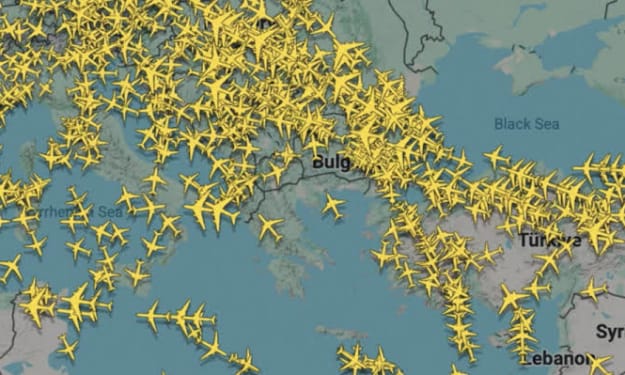
No Flights In or Out of Greece After Technical Failure Shuts Down Airspace – Greek FIR Emptied. AI-Generated.
In a stunning turn of events, Greece's airspace was shut down, leaving travelers stranded and grounding flights across the country. The incident, which occurred due to a technical failure, resulted in the temporary closure of the entire Greek Flight Information Region (FIR), one of the busiest airspaces in Europe. This unprecedented shutdown has raised significant concerns regarding the security, reliability, and preparedness of Europe's air traffic management systems. It also has triggered widespread disruptions, affecting airlines, passengers, and international flight operations. The Triggering of the Shutdown The crisis began when a major technical glitch was reported in the air traffic control system responsible for managing flight operations in Greece's FIR. The failure occurred within the country's air navigation services, rendering the system unable to communicate with aircraft in its jurisdiction. As a result, all flights within and out of Greek airspace were immediately halted, and incoming flights were diverted to neighboring countries. Greek air traffic control services, part of the Hellenic Civil Aviation Authority (HCAA), typically manage a substantial portion of Europe’s air traffic. The Greek FIR covers a vast area, extending across the Aegean Sea and into the Mediterranean, handling flights from both Europe and the Middle East. The abrupt shutdown led to widespread chaos, especially during peak travel hours. The Impact on Air Travel The immediate consequence of the failure was the suspension of all flight departures and arrivals. Hundreds of passengers were left stranded at airports, their travel plans disrupted indefinitely. International flights bound for Greece were diverted to nearby airports in countries such as Italy, Turkey, and Bulgaria. The airline industry faced mounting pressure to rebook passengers, manage canceled flights, and navigate the logistical nightmare caused by the shutdown. Many passengers took to social media to share their frustrations, with some reporting delays of over 12 hours. Airlines and airport authorities scrambled to manage the situation, but the volume of disruptions continued to mount. Some travelers were forced to spend the night at airports, uncertain of when their flights would be rescheduled. One of the most significant impacts was on the tourism industry. Greece is a popular destination for travelers from around the world, and this disruption severely impacted the tourism sector during a critical time. Tour operators were left scrambling to assist customers, and hotels reported an influx of cancellations, with tourists unable to reach their accommodations or flights home. Response and Investigations The Greek government and air traffic control services acted swiftly to assess and resolve the issue. The HCAA acknowledged the technical failure and promised to launch an investigation into the root cause of the disruption. The Ministry of Transport assured the public that measures would be taken to prevent such an incident from occurring again. Meanwhile, teams from the HCAA worked tirelessly to restore normal flight operations, collaborating with European counterparts and regional authorities. Initial reports suggested that the failure might have been linked to a malfunction in the country's radar and communication systems. As the investigation unfolded, experts pointed to the aging infrastructure of Greece's air traffic control system, which may have contributed to the vulnerability. The government was urged to prioritize upgrading its air traffic control infrastructure to meet modern aviation standards. European air traffic agencies, such as Eurocontrol, coordinated with Greece’s air traffic controllers to assist with managing the airspace and diverting flights. Eurocontrol issued several updates to ensure that the European air traffic flow remained as efficient as possible under the circumstances. The Need for Modernization The shutdown has highlighted the vulnerabilities within Europe’s air traffic management infrastructure, with Greece at the center of attention. The failure underscores the critical need for modernizing air traffic systems, particularly in countries with high air traffic volumes. European officials have already begun discussions on the possibility of expanding the use of artificial intelligence (AI) and automation in air traffic management, which could help prevent human error and system failures in the future. This incident has also sparked discussions regarding the resilience of critical infrastructure in aviation, especially in countries heavily reliant on tourism and international air travel. With millions of people flying every day, the reliability of air navigation systems is paramount, and this event serves as a warning to authorities about the importance of investing in updated systems that can withstand the pressures of modern air traffic demands. Looking Ahead: Lessons Learned As Greece recovers from this major airspace shutdown, the lessons learned will resonate across the global aviation industry. While technical failures are inevitable, the speed of response, the ability to restore normal operations, and the transparency of investigations are key factors that will shape future policies in air traffic control management. As the investigation into the root cause of the technical failure continues, airlines, passengers, and aviation regulators will be looking to Greece for answers and solutions. The event has served as a reminder of the complexities and fragility of modern air travel, especially in a world that relies on fast, efficient, and uninterrupted flight connectivity. As the aviation industry moves forward, the hope is that a combination of increased investments, better technology, and improved contingency plans will prevent similar disruptions in the future, ensuring that travelers can continue to fly safely and efficiently to their destinations. Conclusion The temporary shutdown of Greece’s airspace due to a technical failure serves as a cautionary tale for the global aviation industry. The disruption had a significant impact on air travel, tourism, and international operations, while also underscoring the need for a stronger, more resilient air traffic management system. With investigations underway, authorities are working to address the issue and prevent future incidents, but the event serves as a reminder of the complexities and potential vulnerabilities in the modern aviation landscape.
By Fiaz Ahmed Brohi2 months ago in The Swamp
Why Europe and Israel Are Turning to India for Mass Production of Essential Defense Equipment Amid Prolonged Conflicts. AI-Generated.
As global security concerns continue to rise, Europe and Israel have increasingly turned their attention to India as a strategic partner in the production of essential defense equipment. The ongoing conflicts and the shifting geopolitical landscape have made it clear that traditional defense supply chains are being stretched to their limits, leading nations to explore new options. India, with its rapidly expanding defense sector, technological advancements, and economic growth, has emerged as an attractive partner in this endeavor. But what has driven this shift towards India, and why are Europe and Israel looking to strengthen their defense ties with the South Asian giant? India's Growing Defense Industry India’s defense sector has seen tremendous growth over the past decade. Driven by both domestic demand and the need for modernization, India has transformed from being a major defense importer to a global hub for defense manufacturing. The Indian government's "Make in India" initiative, launched in 2014, has encouraged local production of defense equipment, and has led to the development of world-class facilities and a growing pool of skilled labor. These efforts have paved the way for India to not only fulfill its own defense requirements but also emerge as a key player in the international arms market. India's defense industry is characterized by its focus on high-tech manufacturing, innovation, and indigenous production of defense systems. Key areas where India has made significant progress include the development of advanced missiles, fighter jets, armored vehicles, naval ships, and drones. Indian companies like Hindustan Aeronautics Limited (HAL), Bharat Electronics Limited (BEL), and Larsen & Toubro (L&T) are now involved in manufacturing cutting-edge defense technologies. This technological base, combined with cost-effective production capabilities, makes India an attractive option for defense cooperation. The Shift in Europe and Israel's Defense Strategy For Europe and Israel, the shift towards India as a key partner in defense manufacturing comes at a time of significant geopolitical uncertainty. Europe's security concerns have been heightened by the war in Ukraine, which has underscored the need for greater defense readiness and diversification of defense suppliers. The war has also highlighted the vulnerabilities of relying on a few countries for critical military supplies. As a result, European nations are seeking alternative sources to bolster their defense capabilities. Israel, a country known for its advanced defense technologies and innovation, has long had a close relationship with India in the defense sector. However, the growing instability in the Middle East and the rising tensions with Iran have led Israel to reassess its defense strategy. Collaborating with India provides a way for Israel to diversify its supply chains while tapping into India’s growing defense manufacturing base. Why India? Cost-Effective Production: One of the most compelling reasons for Europe and Israel to turn to India for mass production is cost. India’s labor force is not only vast but also highly skilled in technical areas such as engineering and manufacturing. This makes it possible for countries like Israel and members of the European Union to reduce their defense expenditure while ensuring that they receive high-quality military equipment. Growing Technological Capability: India's defense sector is rapidly advancing in terms of technology. With innovations in areas like artificial intelligence, autonomous systems, and advanced weaponry, India is well-positioned to produce state-of-the-art defense systems. For example, India has made great strides in developing its own fighter jets, drones, and missile defense systems. These advancements make India a valuable partner for countries seeking cutting-edge technologies that can meet modern warfare challenges. Strategic Location and Security: India’s strategic position in the Indo-Pacific region offers important geopolitical advantages. The region is home to key international trade routes, and the growing tensions between China and the U.S. have made it crucial to have strong defense partnerships in this part of the world. By strengthening defense ties with India, both Europe and Israel can secure their interests in the Indo-Pacific and benefit from India’s military influence in the region. Access to India's Domestic Market: India’s defense sector is not just focused on exports; the country has ambitious plans to enhance its own military capabilities. By partnering with India, Europe and Israel gain access to one of the world’s largest defense markets. This partnership allows for the sharing of knowledge, resources, and technologies, benefiting all parties involved. Moreover, it provides European countries and Israel with long-term access to India’s military procurement pipeline, which is expected to grow in the coming years. The Future of Defense Cooperation The growing defense relationship between India, Europe, and Israel is expected to deepen in the coming years. India’s robust defense industry, cost-effective production, and technical innovations are likely to make it an even more significant player in global defense manufacturing. With the geopolitical landscape constantly evolving, India is well-positioned to continue attracting international defense contracts and partnerships. Moreover, the defense collaboration between these countries is expected to extend beyond just manufacturing. India’s involvement in joint military exercises, research, and technology transfer is anticipated to expand as these nations work together to enhance their collective defense capabilities. These partnerships are essential for countering emerging threats such as cyber warfare, terrorism, and regional instability. In conclusion, the growing defense partnership between India, Europe, and Israel is a reflection of the changing global security environment. As conflicts become more prolonged and complex, countries are seeking new alliances and diversified supply chains to bolster their defense capabilities. India’s growing technological capabilities, cost-effective production, and strategic importance make it a valuable partner for these nations. With the global security landscape becoming increasingly uncertain, these partnerships are expected to play a critical role in ensuring the defense preparedness of the world’s most powerful nations.
By Fiaz Ahmed Brohi2 months ago in The Swamp
Saudi Finance Minister Approves SR217 Billion ($57.9 Billion) Borrowing Plan for 2026: A Strategic Move for Economic Growth and Stability. AI-Generated.
Saudi Arabia, a nation known for its vast oil reserves and ambitious Vision 2030, has made a significant move in securing its financial future by approving a borrowing plan worth SR217 billion ($57.9 billion) for 2026. The decision, endorsed by the country's Finance Minister, signals a strategic maneuver aimed at ensuring the continued development of the nation’s infrastructure, economic diversification, and long-term financial stability. This bold step comes as Saudi Arabia pushes forward with its goals of transforming its economy and positioning itself as a global leader in various sectors. A Deep Dive into the Borrowing Plan The Saudi government’s borrowing plan for 2026 is part of a larger effort to manage its finances in the wake of fluctuating oil prices and the implementation of the Vision 2030 program. The Vision aims to reduce the country's dependence on oil by fostering economic diversification and creating a more sustainable future. By approving this borrowing plan, Saudi Arabia intends to fund various developmental projects across sectors such as infrastructure, healthcare, education, and renewable energy. The borrowing plan is expected to contribute substantially to the country’s fiscal needs and will be utilized for both local and international investments. While the Saudi economy has historically been reliant on oil exports, the 2026 borrowing plan reflects the growing need for a more diversified economic base. By acquiring funds through debt, Saudi Arabia can accelerate the pace of its projects, such as the development of the Neom city — a futuristic urban center that is central to its diversification strategy. Moreover, these funds will also help boost the country’s non-oil revenues, a key objective under Vision 2030. Saudi Arabia has been focused on improving the private sector's participation in the economy, attracting foreign investments, and creating job opportunities for its growing youth population. The Impact on Saudi Arabia’s Financial Health Saudi Arabia's decision to borrow SR217 billion reflects a larger trend seen in economies around the world where governments seek to balance fiscal policy with ambitious development goals. While borrowing can sometimes be seen as a sign of fiscal instability, Saudi Arabia’s robust financial reserves and relatively low levels of debt compared to other nations place it in a unique position. The kingdom’s fiscal policies are closely tied to its ability to service debt due to its significant oil revenues, giving it more flexibility in financing projects through borrowing. The kingdom’s credit rating has remained stable, and the approval of this loan is an extension of its well-established practices of balancing public and private financing. Notably, the borrowing plan includes a mix of local and international debt instruments, such as bonds and sukuk (Islamic bonds), ensuring the kingdom has access to a diverse range of capital markets. Saudi Arabia’s public debt remains relatively low, especially when compared to the GDP of many other nations, meaning that the kingdom is still in a position to borrow without incurring significant financial risk. By leveraging its sovereign wealth fund and deepening ties with global investors, Saudi Arabia can service its debt and continue to fund the Vision 2030 initiative, without putting undue pressure on its public finances. Aligning Borrowing with Economic Diversification The 2026 borrowing plan aligns directly with Saudi Arabia’s efforts to implement Vision 2030 and reduce its reliance on oil revenues. The funds from this borrowing plan will be used for economic diversification projects that focus on creating new industries such as technology, entertainment, renewable energy, and tourism. Neom, the crown jewel of Saudi Arabia’s new cities, will be one of the major beneficiaries of these funds. Neom is set to be a world-leading innovation hub, focusing on smart cities, artificial intelligence, biotechnology, and green energy solutions. With $57.9 billion earmarked for borrowing, much of it will be directed towards the development of Neom’s infrastructure, including transportation, healthcare, and environmental sustainability. Saudi Arabia is also investing in the entertainment and tourism industries to diversify its economic structure. This includes large-scale projects such as the Red Sea Project and the Qiddiya entertainment city. The development of these sectors will reduce Saudi Arabia’s dependence on oil and create new sources of income, contributing to long-term economic stability. International Confidence and Market Reactions International markets have responded positively to Saudi Arabia’s borrowing plan, seeing it as a vote of confidence in the kingdom’s long-term economic strategy. The country’s central role in the global oil market, combined with its significant sovereign wealth fund, gives it a robust financial cushion that enables it to service the loans without placing undue stress on its financial system. The decision to approach international lenders also reflects the kingdom’s integration into global financial markets. Saudi Arabia is positioning itself as a key player in the global economy, and the borrowing plan is a step towards gaining credibility in international markets, attracting more investors, and strengthening its global economic influence. Conclusion: A Bold Step Toward a Diverse Economic Future The approval of the SR217 billion borrowing plan for 2026 represents a pivotal moment in Saudi Arabia's economic transformation. By securing funds for its development projects, the kingdom is making a clear commitment to its Vision 2030 goals — creating a more diversified, sustainable, and future-proof economy. With this significant borrowing plan, Saudi Arabia is not just securing its fiscal future but also setting a new course for its growth and global influence. By leveraging its financial strength, improving its infrastructure, and diversifying its economy, Saudi Arabia aims to become a global leader across various industries while ensuring long-term prosperity for its people.
By Fiaz Ahmed Brohi2 months ago in The Swamp
To Slow the Desert, China Bets on a “Great Green Wall” of Tens of Billions of Trees. AI-Generated.
In the face of escalating desertification and environmental degradation, China has undertaken one of the most ambitious environmental projects in history: the construction of a "Great Green Wall." This monumental initiative is aimed at combating the growing encroachment of the desert, particularly the Gobi Desert, which has long been creeping into vast regions of China's northern and western territories. The scale and scope of this project, which involves planting tens of billions of trees, highlights China's dedication to addressing its environmental challenges, but it also raises questions about the effectiveness and sustainability of such grandiose endeavors. The Scope of the “Great Green Wall” The "Great Green Wall," known as the Green Great Wall or the Three-North Shelterbelt Program, began in the 1970s and has expanded significantly over the decades. Its goal is to create a green barrier to slow the desert’s advance, protect arable land, and ensure the stability of ecosystems across northern China. The project spans across several regions, including Inner Mongolia, Ningxia, and Gansu, and is set to extend into 2030, with a new target of planting 70 billion trees in total by that year. The initiative is not merely symbolic. It is an enormous practical response to the severe environmental challenges posed by the desertification process, which has been exacerbated by climate change, deforestation, and overgrazing. As land turns to dust, it threatens not just China's agriculture but also its water resources and air quality. In cities like Beijing, the air quality often reaches hazardous levels due to dust storms originating from the expanding Gobi Desert, a stark reminder of the environmental cost of this ongoing trend. Environmental and Social Challenges The ambition to plant billions of trees in some of the most inhospitable regions on Earth comes with a series of challenges. One of the primary obstacles is ensuring the survival of the plants in the face of extreme weather conditions, such as low rainfall, high winds, and harsh temperature fluctuations. While afforestation efforts have succeeded in some areas, other parts of the project have struggled with tree mortality, often due to the lack of sufficient water resources or the inability to recreate a natural environment conducive to long-term growth. Another concern is the ecological impact of planting non-native tree species, which can disrupt local ecosystems. Critics argue that large-scale monoculture plantations of fast-growing species, such as poplar and pine, may not be the most sustainable choice. These trees may not support the diverse range of plant and animal life found in natural forests, and their rapid growth could put additional stress on the region’s soil quality. Moreover, while the project helps combat desertification, it has sparked debates over land use priorities. In some instances, the Green Great Wall initiative has led to the displacement of rural communities, whose livelihoods are often linked to the land that is now being used for large-scale tree plantations. There are concerns that these displaced populations may not be provided with adequate resources to transition to new ways of making a living, such as in urban centers or other agricultural practices. The Economic and Political Dimensions The Green Great Wall also carries significant economic and political weight. The Chinese government has made it clear that environmental preservation is critical not only for China's future but also for its global standing. As a country that has seen rapid industrialization and massive environmental damage, China's efforts to reverse desertification are seen as a form of leadership in global environmental governance. The project also ties into China’s broader strategy of creating sustainable development models that could be replicated globally, particularly in other arid regions. Economically, the project has generated new job opportunities in the planting and maintenance of trees, contributing to rural development. However, the long-term benefits of a more stabilized environment—such as increased agricultural productivity, improved air quality, and enhanced biodiversity—are still difficult to quantify. China’s efforts to combat desertification through the Green Great Wall are also tied to broader global challenges. The project, which receives heavy support from the state, exemplifies how authoritarian regimes can implement large-scale environmental projects quickly. In contrast, democratic nations may face more significant hurdles in terms of funding, political will, and public support for such ambitious efforts. This raises the question of whether China's model of top-down, state-driven environmentalism could be replicated elsewhere, particularly in countries facing similar ecological challenges. Looking Forward: The Global Implications of the Green Great Wall While the Green Great Wall is one of the most ambitious environmental projects in history, it is not without its critics. Some argue that large-scale afforestation projects like this, while necessary, are not enough to address the root causes of desertification—namely, over-exploitation of resources, climate change, and unsustainable agricultural practices. Instead, these critics advocate for a more holistic approach that combines reforestation with sustainable land management practices, such as water conservation, soil restoration, and the promotion of native plant species. In the context of global efforts to combat climate change, the Green Great Wall also serves as a reminder that environmental issues often transcend national borders. Desertification, like many environmental challenges, is a global problem that requires global solutions. China's efforts to tackle desertification through the planting of billions of trees may inspire other nations to take similar action, but it also highlights the need for international cooperation to address shared environmental crises. As we look toward 2026 and beyond, the Green Great Wall serves as a symbol of both the potential and limitations of large-scale environmental projects. While China’s commitment to restoring its land and mitigating the impacts of desertification is commendable, the success of such initiatives will ultimately depend on the balance between ambitious projects and sustainable, integrated environmental practices that involve local communities, respect biodiversity, and address the underlying drivers of environmental decline. In conclusion, China’s bet on a “Great Green Wall” of trees is a bold move that reflects both the urgency of climate action and the complexity of environmental solutions. The future of this initiative will depend not only on the survival of the planted forests but also on the broader commitment to sustainable land management and international collaboration.
By Fiaz Ahmed Brohi2 months ago in Longevity
We Can’t Innovate Our Way Out of the Climate Crisis: Facing the Truth of the Climate Emergency. AI-Generated.
As the climate crisis intensifies, discussions around its solutions often revolve around technological innovation and the promise of futuristic inventions. From carbon capture technology to electric vehicles and geoengineering, the narrative has become dominated by the belief that if we develop enough innovations, we will be able to reverse or mitigate the worst effects of climate change. However, this perspective, while not without merit, fundamentally overlooks the urgent need for systemic change, behavioral shifts, and most importantly, the reduction of carbon emissions at an immediate and drastic scale. In other words, we can’t innovate our way out of the climate crisis. The Illusion of Technological Salvation Over the past decades, we have seen a technological revolution in multiple sectors — from solar power and wind energy to electric cars and high-efficiency batteries. These innovations have shown significant promise in reducing emissions and making energy use more sustainable. However, despite these advances, we are still experiencing an unprecedented rise in global temperatures, extreme weather events, and biodiversity loss. Technological solutions such as carbon capture, biofuels, and geoengineering have been proposed as “fixes” for climate change, but they are often viewed as silver bullets — too little, too late. While they may be important in reducing carbon emissions in certain sectors, they do not tackle the root cause: the ongoing and unchecked burning of fossil fuels. Carbon capture, for example, is still in its early stages and has not been deployed at the scale necessary to address the crisis. It is also expensive, and its feasibility is questioned by many experts. Similarly, biofuels made from agricultural crops require land, water, and energy inputs that might create more environmental problems than they solve. These technologies have their place in the broader context of climate action, but they cannot and should not be seen as the only solutions. The Need for Radical Systemic Change The truth is that, while technological advancements are necessary, they are not enough. The climate crisis demands systemic changes that go beyond “green” technology. It requires rethinking how we produce, consume, and live. For example, the way our economic system is structured — one that prioritizes profit over people and the planet — needs to be fundamentally challenged. Our fossil-fuel-dependent growth model is simply not sustainable. We need to focus on reducing consumption, particularly in wealthy countries where overconsumption is a significant driver of global emissions. In developed nations, people use far more resources per capita than those in developing countries, and this disparity contributes to the unsustainable nature of global economic systems. By addressing the issues of overconsumption and waste, we would directly curb the demand for fossil fuels. At the same time, climate justice must be at the forefront of the conversation. Vulnerable communities in the Global South, who have contributed the least to the crisis, are bearing the brunt of its effects. The transition to a green economy must prioritize those who are most affected and ensure equitable access to resources. A Cultural Shift Is Necessary What is also crucial is a cultural shift. Climate change is not only an environmental issue but a cultural and societal one. If we keep reinforcing the notion that technological solutions will save us, we risk missing the larger and more important conversation: the need to change our behaviors. Consumption habits, transportation patterns, and food choices — everything we do must be reconsidered if we are to meaningfully reduce our carbon footprint. This is not to say we shouldn’t innovate; rather, it’s about recognizing that innovation must be a part of a holistic approach. Technological breakthroughs are important, but they must be coupled with policy changes, behavioral shifts, and stronger accountability mechanisms. For example, the expansion of public transportation or the promotion of plant-based diets could reduce the need for carbon-intensive activities, which is just as critical as advancing electric vehicles. The Role of Governments and Policy Change Perhaps the most important piece of the puzzle is policy change. Governments around the world need to enact bold, binding climate policies that curb emissions, promote sustainability, and prioritize environmental health. This includes imposing carbon taxes, eliminating subsidies for fossil fuels, and investing in green infrastructure. However, it also requires regulating industries that contribute significantly to emissions, such as the agricultural sector, which is responsible for a large proportion of global methane emissions, or the fashion industry, one of the largest polluting sectors worldwide. Moreover, governments need to foster international cooperation. The climate crisis is not limited by national borders, and while some countries are already taking steps toward sustainable practices, many are still lagging behind. Global solidarity and binding international agreements such as the Paris Agreement are essential for pushing all nations, especially high-emission ones, to take immediate action. Conclusion: The Time to Act is Now We are living in an age of climate emergencies — heatwaves, wildfires, flooding, and droughts are no longer anomalies but recurring events. The technology to mitigate climate change is important, but it cannot be seen as the only answer. Without deep structural reforms, shifts in consumption patterns, and radical policy action, no amount of innovation will be enough to save the planet. Ultimately, the world cannot afford to wait for a technological fix. We need to act now, embracing a multifaceted approach to tackle the climate crisis head-on. If we truly want a sustainable future, we must recognize that changing our behaviors, systems, and policies is just as essential as new technologies. The time for action is now — and it requires all of us.
By Fiaz Ahmed Brohi2 months ago in Geeks
China Social Media Hails US Maduro Move as a Taiwan Template: A Growing Geopolitical Dynamic. AI-Generated.
In recent months, global politics has witnessed significant shifts in the way nations and powers are asserting their influence. One of the most intriguing developments has been China's reaction to the United States' decision to target Venezuelan leader Nicolás Maduro’s assets. This move, which included the freezing of assets linked to Maduro and his government, has caught the attention of China, where social media is buzzing with discussions on how this might serve as a "template" for future U.S. dealings, particularly in relation to Taiwan. The complexities of these political maneuvers raise several important questions about global power dynamics, international law, and the role of sanctions as tools of geopolitical control. As tensions rise between the U.S., China, and other global actors, the implications of such actions could have far-reaching effects not only on Venezuela and Taiwan but on the broader international order as well. A Turning Point: US and Venezuela The U.S. has long had contentious relations with Venezuela, particularly since Maduro’s ascent to power. His government has faced accusations of corruption, human rights violations, and undermining democracy. In response, the U.S. imposed sanctions, aimed at destabilizing his government and pressuring him to relinquish power. However, the recent decision to target Maduro's assets and government members directly reflects a much more aggressive stance. The significance of this move lies not just in the economic impact on Venezuela but also in the broader political message it sends. The U.S. is demonstrating that it can exert considerable influence over sovereign nations by targeting individuals and governments it deems adversarial. The action was made to tighten the international isolation of Maduro’s regime and to rally other nations against his leadership. China's Response: A Strategic Perspective China, which has close ties with Venezuela, particularly in economic and energy deals, has not taken kindly to the U.S.'s aggressive stance. While Beijing has denounced the U.S. sanctions on Venezuela, it has also made its views clear on a related geopolitical issue — Taiwan. On Chinese social media, including popular platforms like Weibo, there has been a significant uptick in discussion around the U.S. sanctions on Venezuela. Many commentators have started drawing parallels between the treatment of Maduro and the growing tensions surrounding Taiwan. A prominent narrative suggests that the U.S. move in Venezuela is being seen as a "template" for future actions against Taiwan, given the strained relations between the U.S. and China over the latter's growing ambitions to assert sovereignty over Taiwan. China’s view of Taiwan as a breakaway province has been consistent for decades. Beijing has not ruled out the use of force to reclaim Taiwan if necessary, and it views the U.S. as the primary supporter of Taiwan's independence. Given this, Chinese social media users have observed that the U.S.’s targeting of Venezuela could be seen as a potential precursor to similar actions directed at Taiwan’s leadership, particularly as the U.S. continues to bolster its ties with Taipei. A Template for Taiwan? The notion that the U.S. might use similar tactics on Taiwan is grounded in a broader strategic concern for China. If the U.S. can successfully impose its will on a foreign government through economic pressure, freezing assets, and escalating diplomatic isolation — actions that have already been demonstrated with Venezuela — then this model could potentially be replicated in Taiwan. China is particularly sensitive to any external interference in Taiwan, given its long-standing commitment to reunification, and any perceived destabilization of the island could invite similar responses. On Chinese social media, the idea of “sanctioning Taiwan” has gained traction. While it remains unclear what specific measures might be considered, experts suggest that they could involve targeting Taiwanese companies and financial institutions, placing restrictions on Taiwanese officials, or even leveraging international platforms like the United Nations to diplomatically isolate Taiwan. In this sense, China could very well view the U.S.’s actions against Venezuela as a potential precursor to a more forceful response regarding Taiwan. Implications for Global Politics The potential use of such a "template" for Taiwan raises serious concerns for international relations and security in the Asia-Pacific region. The increasing militarization of the Taiwan Strait, combined with the rising number of sanctions and economic warfare tactics between global powers, signals a volatile future for the region. For China, the specter of Taiwan's separation and U.S. involvement in its protection is a point of immense national pride and strategic importance. Therefore, as the U.S. applies increasing pressure on global actors, Beijing may feel justified in responding with similar tactics, further destabilizing global security. The U.S. and China are already locked in a delicate trade war, with both sides taking actions that affect each other's economies. The Taiwan situation is merely one more area where these superpowers are likely to butt heads in the coming years. Furthermore, the situation calls into question the effectiveness of sanctions as a foreign policy tool. While they may bring short-term political gains, sanctions often have long-lasting, negative effects on the people of the country involved. In Venezuela, for instance, the economic fallout from U.S. sanctions has been devastating for the Venezuelan population, with inflation and poverty reaching new highs. In the case of Taiwan, any sanctions or economic isolations could have similar consequences, damaging its economy and the livelihoods of its citizens. Conclusion As China watches the U.S. respond to Venezuela with increasingly aggressive measures, it is looking over its shoulder at the Taiwan issue with heightened concern. The idea that the U.S. might follow a similar template with Taiwan, imposing economic pressure and diplomatic isolation, is a chilling prospect for Beijing. This development underscores the importance of international diplomacy, dialogue, and a reevaluation of how we use economic tools like sanctions. The situation remains fluid, and how the U.S., China, and other global powers navigate this delicate moment will shape the geopolitical landscape for years to come. The world is watching closely, with global security and economic stability hanging in the balance.
By Fiaz Ahmed Brohi2 months ago in The Swamp
Nicolás Maduro Jailed in New York as Trump Says US Will ‘Run’ Venezuela – A Major Escalation in US-Venezuela Tensions. AI-Generated.
In a significant escalation of tensions between the United States and Venezuela, Nicolás Maduro, the embattled president of Venezuela, has been jailed in New York following a high-profile arrest. The arrest, which came after years of diplomatic wrangling, further highlights the deteriorating relationship between Washington and Caracas. This development has stirred considerable international attention, with both supporters and detractors of the US's hardline stance on Venezuela weighing in.
By Fiaz Ahmed Brohi2 months ago in Journal