
Nicolás Maduro Jailed in New York as Trump Says US Will ‘Run’ Venezuela – A Major Escalation in US-Venezuela Tensions
"A New Chapter in Venezuela's Political Crisis: The Arrest of Maduro and Global Repercussions"


In a significant escalation of tensions between the United States and Venezuela, Nicolás Maduro, the embattled president of Venezuela, has been jailed in New York following a high-profile arrest. The arrest, which came after years of diplomatic wrangling, further highlights the deteriorating relationship between Washington and Caracas. This development has stirred considerable international attention, with both supporters and detractors of the US's hardline stance on Venezuela weighing in.
A Historic Arrest
Nicolás Maduro, who has ruled Venezuela since 2013, has faced growing criticism and sanctions from the United States and other Western nations. His administration has been accused of human rights abuses, corruption, and undermining democratic institutions. In the face of widespread protests, a collapsing economy, and a refugee crisis, the Venezuelan president has clung to power with the support of the military and loyalists.
On the heels of previous sanctions targeting Venezuelan oil exports, Maduro’s arrest in New York marks the most dramatic action taken against the Venezuelan government by the US. The arrest was made in connection with allegations that Maduro and his inner circle were involved in drug trafficking and money laundering, charges which had been leveled against his government by US prosecutors for years. The arrest took place under a sealed indictment issued by the US Department of Justice, accusing Maduro of leading a "narco-terrorist" organization.
Trump’s Comments: A Powerful Message
The arrest of Maduro was followed by remarks from former US President Donald Trump, who did not mince words. Trump, who had advocated for aggressive measures against Venezuela during his tenure, stated, “The United States will run Venezuela.” His comment underscores the ongoing US effort to apply maximum pressure on Maduro’s regime.
Trump’s statement has raised eyebrows and concerns about the future of US-Venezuela relations, and it has also fueled debates regarding the role of foreign intervention in sovereign nations. Trump's rhetoric reflects the stark contrast between his administration’s stance on Venezuela and the diplomatic approaches of other world leaders who have advocated for dialogue rather than sanctions and isolation.
The Impact on Venezuela
For many Venezuelans, the arrest of their president in New York represents a new chapter in the nation’s tumultuous political saga. The arrest of a sitting head of state, particularly one as entrenched in power as Maduro, is unprecedented and has sent shockwaves across Latin America. Venezuelan officials have already condemned the move, calling it a violation of international law and a further attempt by the US to interfere in their internal affairs.
Many analysts view the arrest as the latest move in a broader geopolitical struggle between the US and Venezuela. The US has long sought to oust Maduro from power, backing opposition leader Juan Guaidó in his attempts to assume the presidency, although those efforts have ultimately faltered.
Despite these pressures, Maduro has retained the support of the military, and the political situation in Venezuela remains complex. With the country's oil resources crucial to its economy and international power dynamics, any shift in Venezuela’s leadership will have far-reaching implications for the global energy market. The arrest of Maduro could further intensify the ongoing humanitarian crisis and deepen divisions within the country.
International Reaction and Geopolitical Ramifications
The US's action against Maduro has drawn mixed reactions from the international community. Supporters of the US position, including countries like Colombia and the European Union, argue that this is a necessary step in addressing the corrupt and authoritarian regime in Venezuela. On the other hand, nations such as Russia and China, which have maintained economic and political ties with Maduro, have condemned the move as an infringement on Venezuelan sovereignty and a sign of American imperialism.
Both Russia and China have significant investments in Venezuela’s oil and natural resources, and they view US actions against Maduro as part of a broader strategy by Washington to limit their influence in the region. The US has long viewed Venezuela’s alliance with countries like Russia as a destabilizing factor in Latin America, which has added another layer of complexity to the geopolitical situation.
The Future of Venezuela and US Relations
The arrest of Nicolás Maduro in New York is likely to further entrench the political divide between Venezuela and the United States. It remains unclear what actions the US government will take in the aftermath, but the implications for international diplomacy and Venezuela’s internal political landscape will be profound.
For the United States, this event marks a critical moment in its ongoing struggle to resolve the Venezuelan crisis. With the country’s economy in freefall, Maduro’s arrest might signal a shift toward more direct action, although it also risks provoking further instability.
Venezuela is at a crossroads, and as the global community watches, the road ahead remains uncertain. What is clear is that the political and economic turmoil that has gripped the country for years shows no sign of abating. While the US may view the arrest as a victory, for many Venezuelans, it signals a continued struggle for freedom, peace, and stability. The ultimate question remains: will this move lead to meaningful change, or will it further entrench the standoff between Venezuela and the international community? Only time will tell.
About the Creator
Fiaz Ahmed Brohi
I am a passionate writer with a love for exploring and creating content on trending topics. Always curious, always sharing stories that engage and inspire.
Keep reading
More stories from Fiaz Ahmed Brohi and writers in Journal and other communities.
Trump Shops for Marble for New White House Ballroom: A Glimpse Into His Vision for a Grand Renovation
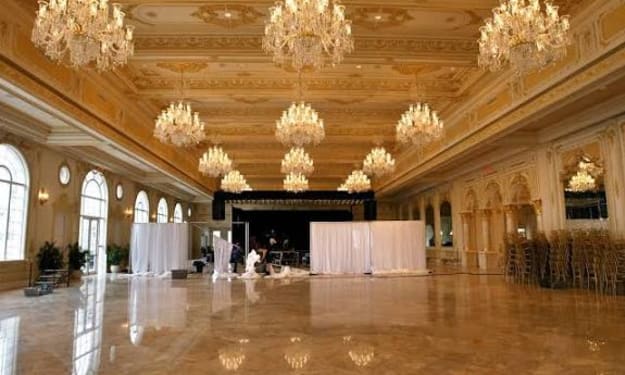
The White House, the residence of the President of the United States, has always been a symbol of power, history, and tradition. Every change or renovation made to the iconic building attracts significant attention from the media and public. In recent news, former President Donald Trump has sparked curiosity and discussion by shopping for marble for a new White House ballroom. While this might sound like an insignificant detail, it is an intriguing glimpse into Trump's grand vision for the future of the White House. The Project's Ambition The new White House ballroom project, which was announced by the Trump administration in 2026, seeks to make the White House more accommodating for the modern era. The current White House ballroom, located in the East Wing, has long been a place for formal events and gatherings. However, Trump's team believes the space could be better utilized and upgraded to reflect both historical significance and modern luxury. The primary objective of the renovation is to design a ballroom that can host large-scale events with grandeur, yet also maintain a sense of historical continuity. This means preserving the core aesthetics of the White House while incorporating elements that align with contemporary tastes. Trump’s decision to shop for marble for the new ballroom is a major part of this ambition. Trump's Vision for Luxury Known for his history in real estate and luxury projects, Trump’s penchant for high-end materials comes as no surprise. The marble shopping trip is just one example of how the former president is bringing his signature style to the White House. Throughout his career, Trump has been associated with opulence, including his choice of materials, colors, and finishes. His previous ventures, such as the Trump Tower and luxury golf resorts, have been characterized by lavish designs that exude extravagance. The marble shopping excursion reflects this desire for grandeur, where only the finest materials are considered. Marble has long been a symbol of elegance and permanence. It has been used in some of the most prestigious buildings around the world, including the Taj Mahal in India, the Parthenon in Greece, and the U.S. Capitol Building. Trump, who has always maintained an affinity for the finest craftsmanship, is no stranger to incorporating marble into his projects. The selection of marble for the White House ballroom suggests that he is looking to add a sense of timeless beauty and class to the residence. The Process of Selecting Marble Selecting marble is no small task, especially when it’s for a project as significant as the renovation of the White House ballroom. Trump and his team have reportedly visited several marble suppliers across the United States to find the perfect match. Marble comes in a wide range of colors, patterns, and finishes, making the selection process an art in itself. The most popular types of marble are white, cream, and gray, although the former president’s preference may lean toward the more dramatic tones—such as deep reds, blacks, or golds—that are often seen in luxury interiors. Trump is known for his bold choices, and it is likely that his selection of marble will reflect his desire to make a statement with the new ballroom. Aside from the aesthetic aspect, functionality is also crucial. The chosen marble will need to be durable and suitable for the high-traffic areas expected in a ballroom, where state dinners, galas, and other large events will take place. The marble will likely be sourced from quarries known for producing the finest grades, with attention paid to consistency in texture and color. A Symbol of Prestige Marble is not just a material; it is a symbol. The use of marble in the White House ballroom would send a powerful message about the prestige and importance of the U.S. government. A room that embodies the elegance of the past, yet the grandeur of the future, would further enhance the White House’s role as the epicenter of global politics. By choosing marble, Trump intends to add both luxury and weight to the space, ensuring it can accommodate the most important diplomatic events in the world. Political and Public Reactions Trump’s shopping trip for marble has already sparked reactions from both the public and the political sphere. While some admire his commitment to improving the White House and creating an environment that reflects the power and history of the United States, others are more critical. They question whether such renovations are necessary, particularly in light of other pressing issues facing the country. However, it’s important to note that renovations and improvements to the White House have always been part of presidential legacies. The history of the White House includes numerous renovations by past presidents, each one reflecting the values and vision of their respective administrations. Whether it’s the Franklin D. Roosevelt Memorial Room, or the Kennedy-era changes to the Oval Office, the White House is constantly evolving to meet the needs of its time. The Future of the White House Ballroom With Trump’s shopping trip for marble and the announcement of a grand redesign, the future of the White House ballroom looks set to be a testament to both historical significance and modern luxury. The renovations are sure to generate conversation and interest in the years to come, as the U.S. government continues to showcase its diplomatic and cultural strength through grand events in a revamped and resplendent setting. In conclusion, Trump’s choice to shop for marble for the White House ballroom reveals his commitment to leaving a lasting mark on the iconic residence. While his vision may be controversial to some, it underscores his desire to create a lasting legacy through grandiosity and elegance. The final result will undoubtedly be a reflection of his bold choices and an unmistakable statement of prestige on the global stage. As the project moves forward, one can expect a White House ballroom that marries tradition with modernity in an unforgettable display of opulence.
By Fiaz Ahmed Brohi2 months ago in Journal
Author’s Advice
If you would’ve asked me 20 years ago did I know I’d become a writer and an author, I would’ve said “nope, ain’t happening”. As fate would have it I did become an author and I can honestly say I’m loving it so far. It really does feel good to be a writer. I’ve learned a lot on this journey and I feel like with even me being as new to this world as I am, there’s some wisdom I need to share with every other aspiring author.
By Joe Patterson5 days ago in Journal
How To Taste Hoi An Through Its Most Loved Local Dishes
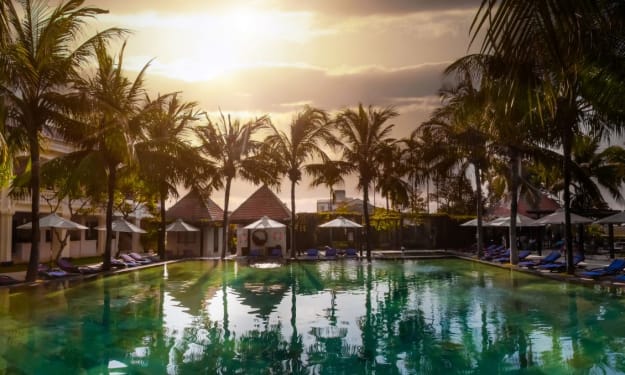
Among the many Asian countries worth checking out on your next vacation, a must-visit would be Vietnam. One of the areas worth delving into in Vietnam is its interesting food scene. A city quite famous for the amazing food culture would be Hoi An. The many meals in the city are cooked the same way they have been for generations, using familiar ingredients and steady routines. You might be able to find a deeper appreciation for this city when you start diving into the cuisine of the region.
By Jeewanthi Armstrong8 days ago in Journal


Comments
There are no comments for this story
Be the first to respond and start the conversation.