
Russia–Ukraine War: Key Events on Day 1,411 of a Prolonged Conflict
Military developments, political shifts, and global reactions amid an unending war

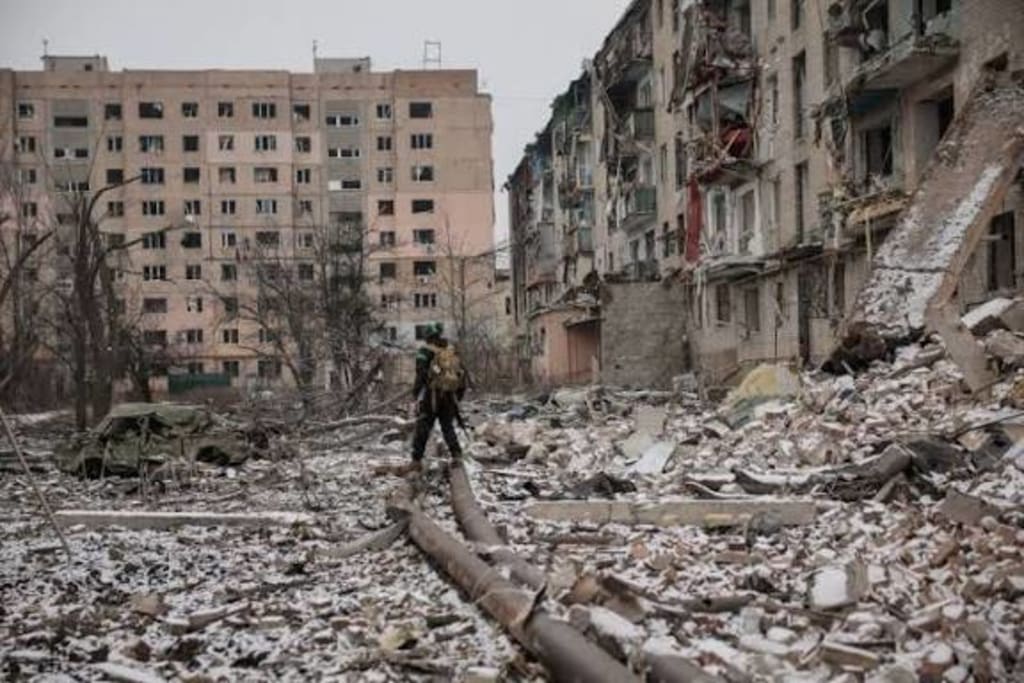
On day 1,411, fighting remained intense across several eastern and southern regions of Ukraine. The Donetsk and Luhansk areas continue to be focal points, with Russian forces pushing incremental advances through sustained artillery bombardments and infantry assaults. Ukrainian defenders, meanwhile, are relying heavily on fortified positions, drones, and precision strikes to slow Russian momentum.
In southern Ukraine, particularly near the Zaporizhzhia region, clashes persisted around strategic supply routes. Control of these areas remains critical due to their proximity to key infrastructure and potential corridors toward the Black Sea. Military analysts note that while territorial changes have been limited, the cost in manpower and equipment continues to rise on both sides.
Air and Drone Warfare Expands
One of the defining features of day 1,411 is the continued expansion of aerial and drone warfare. Russia launched overnight missile and drone attacks targeting Ukrainian energy facilities and logistics hubs. Ukrainian air defenses intercepted many of these threats, but some strikes caused localized power outages and infrastructure damage.
Ukraine, in response, carried out long-range drone operations aimed at Russian military installations and supply depots deep behind the front lines. These attacks signal Kyiv’s ongoing strategy to disrupt Russian logistics and demonstrate its ability to strike beyond occupied territories. The growing reliance on drones underscores how the war has become a testing ground for modern, low-cost warfare technologies.
Civilian Impact and Humanitarian Concerns
For civilians, day 1,411 brought little relief. Shelling near populated areas forced additional evacuations, particularly in frontline towns. Humanitarian organizations reported new waves of internally displaced people seeking shelter in safer regions of Ukraine.
Access to basic services remains uneven. Water, electricity, and medical supplies are under constant strain, especially in communities close to the fighting. International aid continues to arrive, but relief agencies warn that donor fatigue and logistical challenges could worsen conditions as the war drags on.
Political Developments in Kyiv and Moscow
Politically, Ukraine’s leadership used day 1,411 to renew calls for sustained international support. Ukrainian officials emphasized the need for additional air defense systems, ammunition, and financial aid to maintain both military resistance and economic stability. President Volodymyr Zelensky reiterated that Ukraine’s long-term security depends on continued Western unity.
In Moscow, Russian authorities framed ongoing operations as part of a broader strategic effort, highlighting what they described as defensive measures against Western influence. Russian officials also emphasized domestic resilience, portraying the war as a test of national endurance rather than a short-term campaign.
International Reactions and Diplomatic Signals
Globally, day 1,411 prompted renewed diplomatic discussions. Western allies continued to debate the scale and duration of military assistance to Ukraine, while some nations urged greater focus on diplomatic solutions. However, no immediate breakthrough appeared likely.
At the United Nations and other international forums, calls for ceasefires and negotiations resurfaced, though both Russia and Ukraine remain firm in their stated positions. Observers note that while diplomacy is frequently discussed, battlefield dynamics still largely dictate political options.
Economic and Energy Implications
The war’s economic ripple effects were again evident on day 1,411. Energy markets remained sensitive to developments in the conflict, particularly regarding supply routes and infrastructure in Eastern Europe. Ukraine’s agricultural exports, though partially restored through alternative corridors, continue to face disruptions that affect global food prices.
Russia, meanwhile, continues to adapt its economy to sanctions, redirecting trade and emphasizing domestic production. The long-term sustainability of these adjustments remains uncertain, but both sides appear prepared for a drawn-out struggle.
A War Without a Clear End in Sight
Day 1,411 of the Russia–Ukraine war highlights a sobering reality: the conflict has settled into a prolonged phase with no clear resolution on the horizon. Military operations continue at high intensity, civilian suffering remains widespread, and diplomatic efforts struggle to gain traction.
Yet, amid the destruction, resilience endures. Ukrainian society continues to function under extraordinary pressure, while international engagement remains a critical factor shaping the conflict’s future. As the war enters its fifth year, day 1,411 serves as another reminder that this is not just a regional conflict, but a defining global crisis whose outcome will influence international security for decades to come.
About the Creator
Fiaz Ahmed Brohi
I am a passionate writer with a love for exploring and creating content on trending topics. Always curious, always sharing stories that engage and inspire.
Keep reading
More stories from Fiaz Ahmed Brohi and writers in The Swamp and other communities.
Iran’s Dual Challenge: Unrest at Home, Threat of Strikes From Abroad
Iran is facing one of the most complex and dangerous moments in its modern history. On one front, the country is grappling with growing unrest at home—driven by economic hardship, political dissatisfaction, and social tensions. On the other, it confronts the looming possibility of military strikes from abroad, fueled by regional rivalries, nuclear concerns, and escalating geopolitical pressure. Together, these internal and external challenges are testing the resilience of Iran’s leadership and reshaping the country’s future. Rising Discontent Within Iran Domestic unrest in Iran has been steadily building over recent years. High inflation, unemployment, currency devaluation, and sanctions-induced shortages have placed immense pressure on ordinary citizens. Many Iranians, especially younger generations, feel disconnected from political decision-making and frustrated by limited economic opportunities. Public protests—sometimes sparked by fuel prices, sometimes by social restrictions—have become more frequent. While many demonstrations begin with economic grievances, they often evolve into broader expressions of political dissatisfaction. Social media, despite heavy regulation, continues to amplify dissent and connect voices across cities and regions. The Iranian government has responded with a mix of economic promises, security measures, and controlled reforms. However, critics argue that these responses treat symptoms rather than underlying causes. As living conditions remain strained, the risk of further unrest persists, making internal stability a growing concern for Tehran. Economic Pressure as a Catalyst Sanctions remain a central factor in Iran’s internal struggles. Restrictions on oil exports, banking systems, and international trade have severely limited state revenue. While Iran has sought alternative trade routes and partnerships—particularly with China and regional allies—these efforts have not fully offset the damage. The economic squeeze has weakened public trust and increased inequality. Middle-class households have shrunk, while lower-income families struggle to afford basic necessities. For many Iranians, economic frustration has become inseparable from political dissatisfaction, deepening the sense of crisis at home. External Threats and Regional Tensions At the same time, Iran faces growing pressure from abroad. Tensions with the United States, Israel, and some Gulf nations remain high, largely centered on Iran’s nuclear program and regional influence. Western and regional powers fear that Iran’s nuclear capabilities could cross a critical threshold, triggering instability across the Middle East. Israel, in particular, has repeatedly stated that it will not allow Iran to develop nuclear weapons, raising the possibility of targeted military strikes. Meanwhile, U.S. military presence in the region serves as both a deterrent and a source of tension. Iran’s support for allied groups across Lebanon, Syria, Iraq, and Yemen further complicates the geopolitical landscape. These external threats force Iran to remain on high alert, diverting resources toward defense and security at a time when economic relief is desperately needed. A Dangerous Intersection of Pressures What makes Iran’s situation especially volatile is the intersection of domestic unrest and external threat. Historically, governments under foreign pressure sometimes rely on nationalism to strengthen internal unity. However, prolonged economic hardship limits the effectiveness of this strategy. If military strikes were to occur, they could temporarily rally public support—but they could also worsen economic conditions and inflame existing frustrations. Conversely, internal instability may encourage foreign adversaries to perceive Iran as vulnerable, increasing the risk of confrontation. This delicate balance creates a strategic dilemma for Iranian leaders: how to project strength abroad while preventing further fractures at home. Diplomatic Paths and Strategic Calculations Despite tensions, diplomacy remains a potential pressure valve. Negotiations over Iran’s nuclear program, though stalled, have not fully collapsed. Some regional powers are also exploring cautious engagement with Tehran to reduce the risk of conflict. Iran, for its part, seeks to position itself as resilient and indispensable to regional stability. However, meaningful diplomatic breakthroughs require compromises that could be politically risky for the leadership, particularly amid domestic dissatisfaction. What Lies Ahead Iran’s dual challenge is far from resolved. Domestic unrest shows no sign of disappearing, and external threats remain unpredictable. The country stands at a crossroads where policy choices made today could shape its stability for decades. Whether Iran can ease internal tensions through economic reform and social openness—while avoiding military confrontation abroad—will determine not only its future but also the balance of power across the Middle East. For now, Iran navigates a narrow path, under pressure from within and beyond its borders, with little room for error.
By Fiaz Ahmed Brohi15 days ago in The Swamp
Building High-Performance Teams: Harnessing Team Dynamics
In today’s fast-paced business environment, high-performance teams are the backbone of organizational success. These teams consistently deliver exceptional results, innovate under pressure, and adapt to changing circumstances. But building such a team requires more than simply assembling skilled individuals—it requires understanding and leveraging team dynamics, the invisible forces that influence how members interact, communicate, and collaborate.
By Aarif Lashari5 days ago in The Swamp




Comments
There are no comments for this story
Be the first to respond and start the conversation.