Dr. Mozelle Martin
Bio
Behavioral analyst and investigative writer examining how people, institutions, and narratives behave under pressure—and what remains when systems fail.
Stories (126)
Filter by community
When Behavior Walks Away:
I have spent decades watching how behavior changes when the environment stops making sense. That skill came from forensics, trauma science, and animal work in the field. Patterns never break cleanly. They stretch first. They warp. Then the organism abandons the behavior that once kept it stable. I see that pattern now across animals that have nothing in common except the world they live in.
By Dr. Mozelle Martin19 days ago in Earth
The Literary Scam That Counts on Your Silence
Some scams walk in with a mask and a threat. Others arrive with a soft voice, a thoughtful compliment, and a claim of community. That last category does more damage over time because it operates through emotional residue, not brute force. People hesitate to expose it, not because they’re fooled, but because the interaction feels almost polite. That is the point.
By Dr. Mozelle Martin20 days ago in Writers
Iran's Stray Dogs
Stray dogs on the edge of a city are the visible part of a hidden system. You can usually trace that system with boring inputs: food access, abandonment pressure, veterinary reach, and the incentives created by enforcement. When those inputs are misaligned, dogs become the output. People then argue about the dogs instead of the machinery that keeps generating them.
By Dr. Mozelle Martin24 days ago in Petlife
Who Owns Your Digital Self
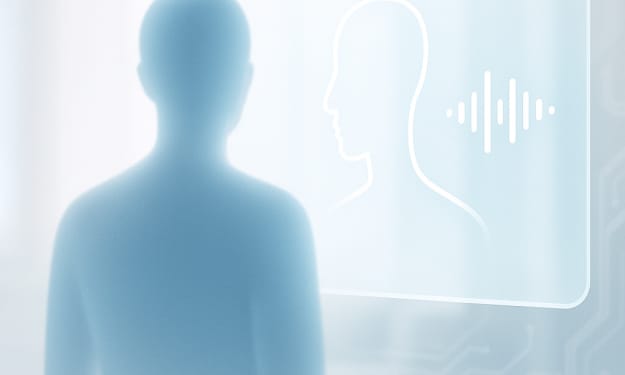
Denmark is preparing legislation that assigns legal ownership of identity traits to the people who carry them. This includes the face, the voice, and the physiological patterns that algorithms can duplicate with high confidence. I have examined synthetic media cases where cloned voices triggered panic inside families and where victims struggled to prove that footage circulating online was artificial. When identity becomes copyable at industrial scale, the legal system faces problems it was never built to manage.
By Dr. Mozelle Martin25 days ago in Humans
The Picky Eater Paradox:
People act like being a picky eater is a moral flaw. I hear it often, usually from people who can eat anything without hesitation. My husband is one of them. He calls me picky with a grin, like it’s harmless, but underneath is the assumption that flexibility equals virtue.
By Dr. Mozelle Martin28 days ago in Feast
When Humor Isn’t Funny:
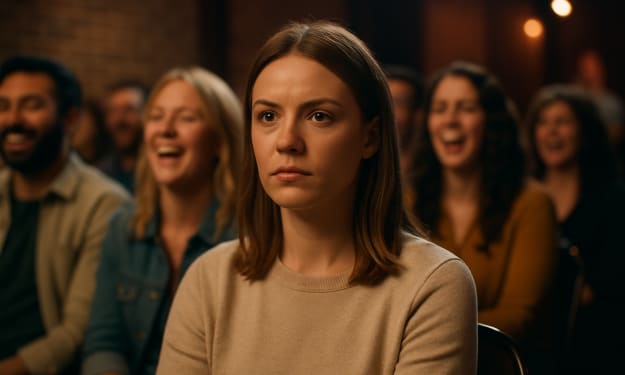
Most people assume humor is a universal language. They treat comedy as a default setting—something everyone should enjoy, understand, and participate in without effort. But some adults experience the opposite reaction. They sit in rooms full of laughter and feel nothing. Comedy clubs, sitcoms, improv, slapstick, exaggerated characters, “funny faces,” absurd dialogue, and manufactured chaos all fall flat.
By Dr. Mozelle Martinabout a month ago in Humor
The Workload You Build Yourself
Most adults describe overwhelm as something that arrives from outside. They talk about it as if it settles onto the body without warning. Overwhelm is most often self-induced. It grows out of choices that protect comfort instead of finishing the work. It forms from distractions that feel harmless but produce weight later. People often see the feeling as pressure from the job when it is really pressure from tasks left undone.
By Dr. Mozelle Martinabout a month ago in Humans
Why Pet Collars Matter More Than We Think
Domestic animals read the world through continuity. A collar or ID tag may look trivial to a human, but to a dog or a cat it can operate as an identity object. I have seen this pattern across enough households, shelters, and animal-welfare cases to know it is not coincidence. When an animal becomes distressed after its collar is removed, the reaction is almost always tied to safety, belonging, and recognition.
By Dr. Mozelle Martinabout a month ago in Petlife
Why I No Longer Sell on Amazon
When I published my first book in 2011, I used Lulu. At the time, it was one of the few print-on-demand options that allowed authors to retain control over content, pricing, and distribution. Over the years, I explored other publishing routes, including limited digital placement on Amazon Kindle, but I remained consistent with Lulu for physical books. As of this writing, I am still evaluating whether those remaining Kindle titles will stay available.
By Dr. Mozelle Martin2 months ago in Humans
Why We Stare at Slow Drivers
Most drivers perform a strange ritual they never talk about. Someone ahead of them is moving so slowly it stretches patience to its thinnest thread. Once the gap opens and they can finally accelerate past, the same thing happens every time. They look. They turn their head just enough to catch a glimpse inside the other car. It feels automatic and unnecessary, but the body does it without taking a vote. The stare is not rudeness, and it is not about proving a point. It is part of a deeper behavioral process that starts the moment another driver interferes with your rhythm.
By Dr. Mozelle Martin2 months ago in Humans