Cotheeka Srijon
Bio
A dedicated and passionate writer with a flair for crafting stories that captivate, inspire, and resonate. Bringing a unique voice and perspective to every piece. Follow on latest works. Let’s connect through the magic of words!
Stories (121)
Filter by community
Echoes Through the Glass
Twelve-year-old Malik never liked history. Names, dates, and wars all felt like old facts that had no bearing on the world he was living in. His classmates called him smart, but he would trade an A in Social Studies for ten minutes of gaming any day.
By Cotheeka Srijon10 months ago in Education
Unlocking Your Brain’s Potential
Introduction To achieve its full potential, the brain, which is frequently compared to a muscle, needs to be trained and optimized. Brain Rules presents a series of practical life hacks rooted in neuroscience that aim to enhance productivity, memory, focus, and overall quality of life. The main idea of the text is that people can significantly improve their emotional well-being and cognitive function by adopting simple, brain-friendly habits. This summary distills the essential components of the book, providing readers with actionable insights to revolutionize their daily routines.
By Cotheeka Srijon10 months ago in Lifehack
A Guide to Happy Tails
In a small, sunlit home tucked on the edge of town, a golden retriever named Max wagged his tail enthusiastically as his owner, Clara, clipped on his leash. Morning walks were their ritual, not just a form of exercise, but a sacred bond forged in love, consistency, and shared joy. Clara wasn't always a "pet person," but three years after she adopted Max, her life changed in ways she couldn't have imagined. PetLife isn’t just a collection of toys, treats, and training—it’s a way of living that prioritizes the well-being of both animals and their humans. As more families around the world adopt pets, they discover that personal development, improved mental health, and even better physical fitness are also necessary for raising pets who are healthier and happier. A Two-Factor Approach to Wellness When Clara first brought Max home from the shelter, she was struggling with anxiety and burnout from her high-pressure job. The quiet companionship and structure that Max brought into her life changed everything. She developed routines that stabilized her own mental health because she had to get up every morning to feed and walk him. People who love animals have known for a long time that living with pets can reduce stress, lower blood pressure, and even improve heart health. Through regular walks and playtime, dogs in particular can increase their level of physical activity. Meanwhile, the purring of a cat has been shown to have calming effects, helping to lower cortisol levels and increase serotonin.
By Cotheeka Srijon10 months ago in Petlife
The Joyful Bond
The Healing Power of Having Pets in Our Lives A unique bond has existed between humans and animals for centuries, based not only on companionship but also on mutual healing, unrestricted love, and emotional support. Pets are more than just adorable creatures curled up at our feet or perched on our shoulders in this fast-paced, frequently stressful world. They are emotional lifelines, quiet teachers, and trusted friends. This profound bond and the powerful and life-altering ways in which pets enrich our lives are the subject of The Joyful Bond.
By Cotheeka Srijon10 months ago in Petlife
Laughter, Joy, and Play
Why a youthful spirit may be just as important as a healthy diet and regular exercise for a long and happy life. We frequently focus on physical factors in our quest for longevity, such as diet, fitness, genetics, sleep, and even cutting-edge medical technologies. However, a fact that we have known instinctively for a long time is increasingly being revealed by science and experience: a happy, emotionally rich life is necessary for living longer and better.
By Cotheeka Srijon10 months ago in Longevity
Sleep Cycles and Clock Genes
What you can do to get your sleep, health, and lifespan in line with the body's internal clock. Timing is just as important as eating kale or running marathons to age gracefully. Circadian rhythms, which are tiny biological clocks that are buried deep within your cells, control nearly every body function, from the release of hormones and digestion to immune defense and, most importantly, how you age. At the heart of this system are your clock genes, molecular timekeepers that help maintain a 24-hour cycle of physical and mental functions.
By Cotheeka Srijon10 months ago in Longevity
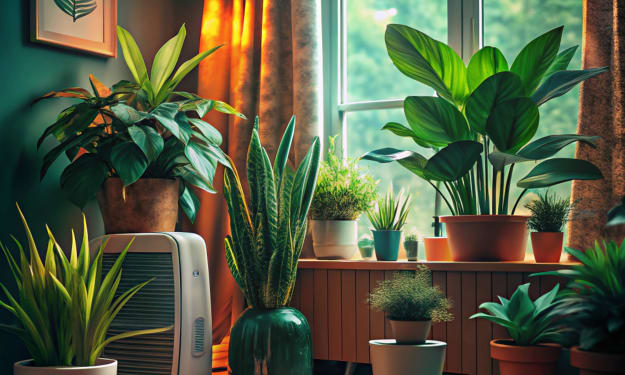
Air You Breathe, Life You Keep
How your health, aging, and lifespan can all be directly affected by the quality of your indoor environment. We typically focus on diet, exercise, or genetics when considering longevity. However, the air we breathe is one of the most overlooked aspects of living a long and healthy life. Research is increasingly demonstrating that indoor air quality—in your own home—can have a significant impact on your health, vitality, and longevity. We frequently associate pollution with traffic and industrial areas. In fact, according to estimates from the Environmental Protection Agency (EPA), indoor air can be anywhere from two to five times more polluted than outdoor air. Additionally, as the majority of us spend up to 90% of our time inside, particularly at home, the air in our bedrooms, kitchens, and living rooms may be quietly influencing our aging. The Unknown Effects of Poor Air Quality on Aging The quality of our lives is just as important as how long we live. Inflammation, oxidative stress, and chronic disease are all major contributors to accelerated aging, and polluted air, particularly indoors, can exacerbate these conditions. Indoor air quality has been linked to: Chronic bronchitis and asthma are respiratory conditions. Heart problems as a result of long-term exposure to particulates Memory loss and cognitive decline as a result of inflammation in the brain diminished immunity, making the body more susceptible to disease Sleep disruptions that accelerate biological aging These effects aren't limited to the elderly. Children, adolescents, and young adults are also at risk, particularly in homes with inadequate ventilation, mold, or chemical pollutants from building materials and cleaning products. Pollutants in the Home: What's in Your Air? The first step in protecting our air is to know what contaminates it. Common pollutants found in the air inside include: Volatile organic compounds (VOCs) are substances found in cleaning products, furniture, paint, and air fresheners. Particulate Matter (PM2.5): Dust, cooking smoke, or pollution from the outside that gets into the home. Mold and mildew are often found in damp areas like basements, bathrooms, or around leaking pipes. Radon and carbon monoxide are invisible gases that can be harmful and even fatal. Dust Mites and pet dander are common allergens that can cause lung irritation over time. Because many of these pollutants don't smell and are hard to see, it's easy to ignore them until you can't ignore how bad they are for your health. Your sanctuary for longevity at home The bright side? To build a home that will last for a long time, you don't have to move to the mountains or spend a lot of money on air purification systems. Changes that are consistent and small can make a big difference in the air you breathe and help you live longer and healthier lives. How to make your house a haven for environmental longevity is as follows:
By Cotheeka Srijon10 months ago in Longevity
The Longevity Mindset
How your beliefs about aging can have a direct impact on your energy, health, and even how long you live. While aging itself is unavoidable, how we age is not. Science is increasingly revealing that the way we think about aging may be just as important as diet, exercise, and genetics as the keys to a longer life. Welcome to the concept of the longevity mindset—the powerful belief that how you perceive your age can shape how long and how well you live.
By Cotheeka Srijon10 months ago in Longevity
Financial Fitness
How managing your money wisely may be just as important for a long life as eating well or staying active. When we think about living a long and healthy life, the usual advice quickly comes to mind—eat nutritious food, exercise regularly, get good sleep, and manage stress. But there’s a less obvious factor that’s gaining attention among health experts and researchers alike: financial fitness.
By Cotheeka Srijon10 months ago in Longevity