
Air You Breathe, Life You Keep
Environmental Longevity Starts at Home

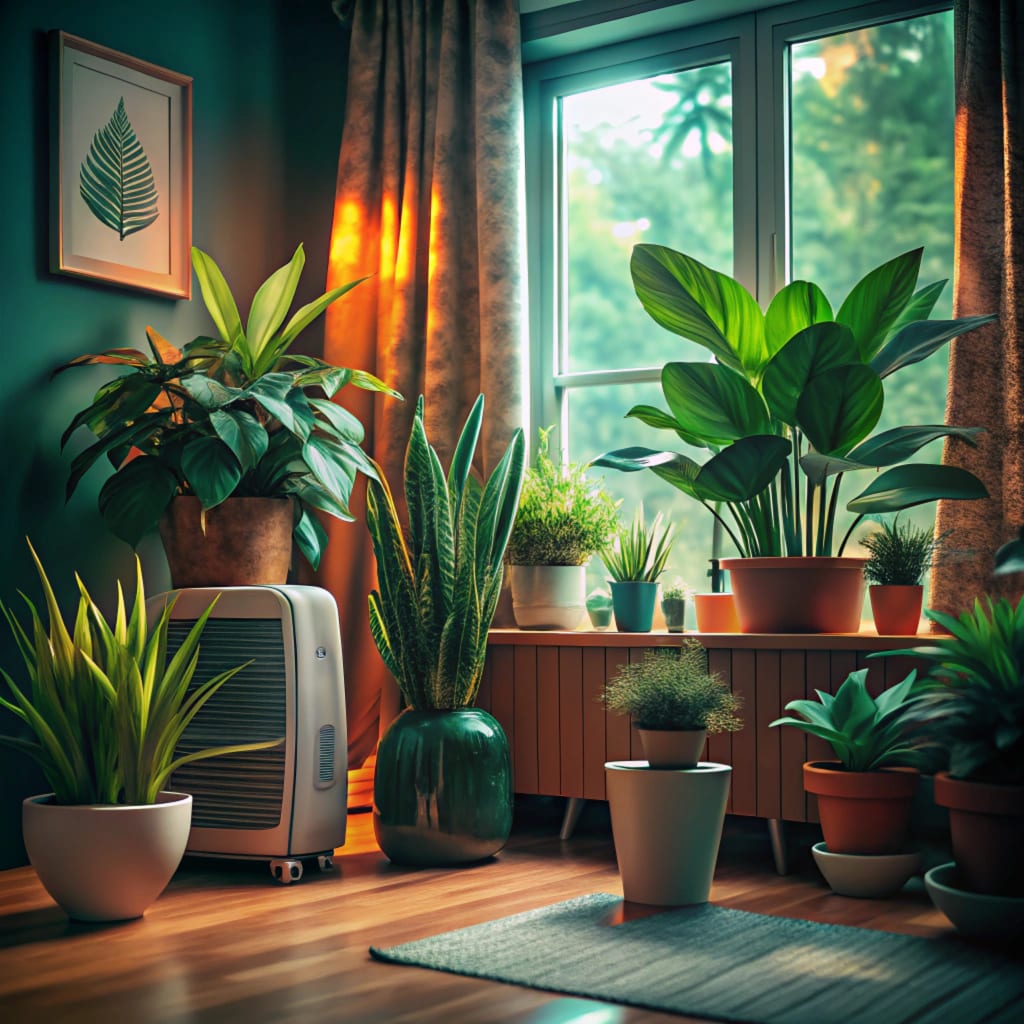
How your health, aging, and lifespan can all be directly affected by the quality of your indoor environment. We typically focus on diet, exercise, or genetics when considering longevity. However, the air we breathe is one of the most overlooked aspects of living a long and healthy life. Research is increasingly demonstrating that indoor air quality—in your own home—can have a significant impact on your health, vitality, and longevity. We frequently associate pollution with traffic and industrial areas. In fact, according to estimates from the Environmental Protection Agency (EPA), indoor air can be anywhere from two to five times more polluted than outdoor air. Additionally, as the majority of us spend up to 90% of our time inside, particularly at home, the air in our bedrooms, kitchens, and living rooms may be quietly influencing our aging. The Unknown Effects of Poor Air Quality on Aging The quality of our lives is just as important as how long we live. Inflammation, oxidative stress, and chronic disease are all major contributors to accelerated aging, and polluted air, particularly indoors, can exacerbate these conditions. Indoor air quality has been linked to: Chronic bronchitis and asthma are respiratory conditions. Heart problems as a result of long-term exposure to particulates Memory loss and cognitive decline as a result of inflammation in the brain diminished immunity, making the body more susceptible to disease Sleep disruptions that accelerate biological aging These effects aren't limited to the elderly. Children, adolescents, and young adults are also at risk, particularly in homes with inadequate ventilation, mold, or chemical pollutants from building materials and cleaning products. Pollutants in the Home: What's in Your Air? The first step in protecting our air is to know what contaminates it. Common pollutants found in the air inside include: Volatile organic compounds (VOCs) are substances found in cleaning products, furniture, paint, and air fresheners. Particulate Matter (PM2.5): Dust, cooking smoke, or pollution from the outside that gets into the home. Mold and mildew are often found in damp areas like basements, bathrooms, or around leaking pipes. Radon and carbon monoxide are invisible gases that can be harmful and even fatal. Dust Mites and pet dander are common allergens that can cause lung irritation over time. Because many of these pollutants don't smell and are hard to see, it's easy to ignore them until you can't ignore how bad they are for your health. Your sanctuary for longevity at home The bright side? To build a home that will last for a long time, you don't have to move to the mountains or spend a lot of money on air purification systems. Changes that are consistent and small can make a big difference in the air you breathe and help you live longer and healthier lives. How to make your house a haven for environmental longevity is as follows:
1. Make sure to breathe, breathe, breathe. Regularly let in fresh air. Even in the cooler months, you should open the windows every day to let fresh air in. In order to cut down on moisture and prevent mold, install exhaust fans in bathrooms and kitchens.
2. Green up—literally Spider plants, peace lilies, and snake plants are examples of houseplants that can aid in the absorption of toxins and improve air quality. Additionally, they enhance your home's natural beauty and oxygen levels.
3. Purchase a Air Purifier Dust, allergens, and even viruses can be captured by a high-quality HEPA filter. In your living room or bedroom, where you spend the most time, place purifiers.
4. Avoid harsh cleaners. Switch to environmentally friendly, non-toxic, and VOC-free cleaning products. Baking soda, vinegar, and essential oils can all be effective alternatives.
5. Reduce Humidity To keep dust mites and mold from growing, keep the humidity in your home between 30 and 50 percent. Especially in damp areas, a simple dehumidifier can make a big difference.
6. Eliminate Artificial Fragrances Even though plug-ins, candles, and air fresheners may make your home smell nice, they frequently contain chemicals that pollute the air. Candles made of beeswax or diffusers that use only pure essential oils are your best options.
Better breathing means longer life.

The science is clear: the air you breathe has an effect on your levels of inflammation, heart health, brain function, and immune resilience, all of which are important for healthy aging. Additionally, because aging is a process of accumulation, even insignificant daily exposures to the environment can add up over decades. You can reclaim control over one of the most fundamental aspects of health: clean air, by treating your home as the first line of defense in your strategy for longevity.
Last Thoughts Not all drastic lifestyle changes lead to longevity. Simply being aware of the fact that your home environment is not only where you live but also where your health begins can sometimes be the first step. Your sanctuary should be a step toward a life that is longer, stronger, and more alive with every deep breath. So remember: Air you breathe, life you keep. Use your money wisely.
About the Creator
Cotheeka Srijon
A dedicated and passionate writer with a flair for crafting stories that captivate, inspire, and resonate. Bringing a unique voice and perspective to every piece. Follow on latest works. Let’s connect through the magic of words!
Keep reading
More stories from Cotheeka Srijon and writers in Longevity and other communities.
The Longevity Mindset
How your beliefs about aging can have a direct impact on your energy, health, and even how long you live. While aging itself is unavoidable, how we age is not. Science is increasingly revealing that the way we think about aging may be just as important as diet, exercise, and genetics as the keys to a longer life. Welcome to the concept of the longevity mindset—the powerful belief that how you perceive your age can shape how long and how well you live.
By Cotheeka Srijon10 months ago in Longevity
After the warmest weather of the year so far, is winter finally over?
As much of the Northern Hemisphere basks in unseasonably warm temperatures, many are asking whether winter is truly coming to an end or if this is merely a brief interlude before the chill returns. Meteorologists note that while recent weeks have brought record-breaking warmth in several regions, the seasonal transition is more nuanced, and forecasts suggest that cold snaps may still make surprise appearances. Across parts of North America, Europe, and Asia, thermometers have consistently recorded temperatures above seasonal averages. In cities like New York City, Paris, and Beijing, residents have reported unusually mild weather, prompting early sightings of blooming flowers and active wildlife that typically emerge later in the season. Local authorities have even issued advisories for heat-sensitive infrastructure, such as early melting of snow and ice causing minor flooding in some urban areas. Climatologists emphasize that while short-term warmth can feel like the end of winter, it does not necessarily indicate a permanent shift. “Weather and climate are distinct concepts,” said Dr. Hannah Moore, a meteorologist at the National Weather Service. “A week or two of warm temperatures is a weather event. Winter, defined by astronomical and climatological markers, continues until the official seasonal end.” The current warm spell has been linked to several atmospheric phenomena. A persistent high-pressure system has settled over large portions of the Northern Hemisphere, drawing in warmer air from lower latitudes. At the same time, shifts in the jet stream have allowed cold Arctic air to remain farther north than usual, creating a pocket of warmth at mid-latitudes. While such patterns often produce temporary spikes in temperature, they do not necessarily mark the end of the season. Unseasonably warm conditions have significant ecological and societal impacts. Early thawing of snowpacks in mountainous regions increases the risk of spring flooding. Wildlife, particularly migratory birds and hibernating mammals, may be confused by inconsistent cues from the environment, affecting feeding and breeding patterns. Agricultural communities are also on alert, as early warmth can prompt premature growth of crops, leaving them vulnerable to potential late frosts. Despite the optimism brought by sunshine and mild days, experts caution that winter is not officially over until astronomical markers, such as the vernal equinox, are reached. Moreover, historical climate data shows that sudden cold snaps in March and even early April are not uncommon. For instance, a notable late-season cold wave in 2018 caused widespread frost damage across parts of Europe and North America, highlighting the unpredictable nature of transitional seasons. The psychological effects of early warmth are also notable. Residents often report a boost in mood and increased outdoor activity, reflecting the strong link between sunlight and human well-being. Cities have seen a surge in park attendance, cycling, and other recreational pursuits. However, meteorologists urge caution: the allure of warm weather should not lead to underestimating potential residual winter hazards, such as icy patches on roads or sudden snow flurries. Climate change adds another layer of complexity. While seasonal averages are gradually shifting upward globally, the variability from year to year remains significant. Scientists warn that interpreting a single warm spell as a permanent end to winter is misleading. Instead, it should be seen as part of broader patterns of climate variability, including more frequent temperature extremes and unusual weather events. In conclusion, while recent warmth may feel like the curtain call for winter, it is too early to declare the season officially over. Atmospheric patterns, historical precedent, and the persistence of cold pockets all suggest that winter can still make intermittent returns. For now, residents can enjoy the sunny reprieve but should remain prepared for sudden chills. Seasonal transitions are rarely linear, and this early taste of spring may merely be a preview of the warmth to come rather than a definitive end to winter’s reign.
By Fiaz Ahmed 3 days ago in Longevity
The impact of sleep on our mental state
Introduction Sleep is a critical pillar of our daily lives, yet it’s often treated as an afterthought. While comfort and personal preference matter, the idea that we should just sleep “whenever and however” is a trap. To truly function at your peak, you need more than just rest — you need a disciplined strategy. It sounds harsh and at first, if you are used to staying up all night and not paying attention to your mental and physical health, it might seem impossible. However, great things do require some small sacrifices, so let us begin with the three tips.
By Charilaos Spanoudis6 days ago in Longevity



Comments (1)
Beautiful written