
The Longevity Mindset
Thinking Younger to Stay Younger

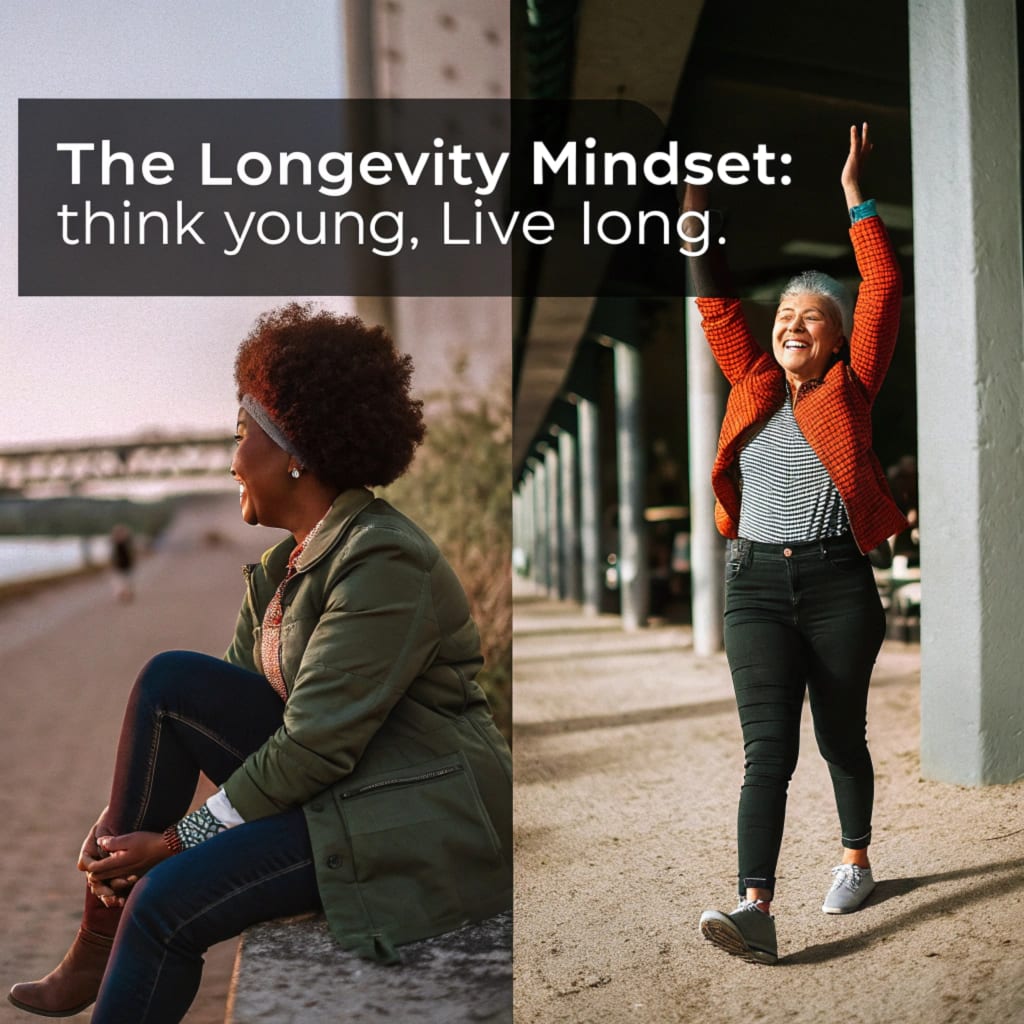
How your beliefs about aging can have a direct impact on your energy, health, and even how long you live. While aging itself is unavoidable, how we age is not. Science is increasingly revealing that the way we think about aging may be just as important as diet, exercise, and genetics as the keys to a longer life. Welcome to the concept of the longevity mindset—the powerful belief that how you perceive your age can shape how long and how well you live.
Our thoughts, attitudes, and expectations about aging have measurable effects on the brain, body, and biology of aging itself, according to new research. This is in addition to influencing our mood. To put it another way, thinking younger might actually assist you in remaining younger. What is the mindset of longevity? A proactive, optimistic, and empowered approach to aging is referred to as the longevity mindset. It is the belief that your thoughts and actions, not just your DNA, can affect how you age. With a longevity mindset, aging is seen as a transition into new possibilities—more wisdom, purpose, creativity, and vitality—rather than a decline. This is neuroscience, not wishful thinking. Dr., a Yale University researcher, conducted a landmark study. Becca Levy found that positive beliefs about aging were associated with a longer lifespan by an average of 7.5 years than negative beliefs. That is more than what exercising or quitting smoking can do for longevity. It turns out that the mind has a lot of power. Your body is shaped by your thoughts. Our beliefs have a ripple effect throughout our physiology:
Hormones and stress: The stress hormone cortisol, which accelerates cellular aging and inflammation, is frequently elevated in people who have a fear of getting older. A positive mindset promotes healing and hormonal balance while reducing stress responses. Brain Function: A more positive outlook is associated with improved memory, mental flexibility, and cognitive function. Mental activity is encouraged when you believe you are still sharp, which literally builds brain resilience. Cellular Aging: Studies suggest that stress and negative beliefs can shorten telomeres—the protective caps on our DNA that shorten with age. Positive thoughts have the potential to slow this down. Behavioral Choices: When you think your age limits you, you act in a way that makes you miss workouts, social events, and opportunities to learn. However, staying active, connected, and engaged is more likely when you consider age to be merely a number. Characteristics of a Longevity Mindset Here’s what the longevity mindset looks like in everyday life:
You see aging as a journey of development rather than decline You continue to be open to new experiences and curious. You place health first without focusing on age. You keep making plans for the future and setting goals. You surround yourself with positive people. On the other hand, if you experience any of the following: 🚫 You catch yourself saying, “I’m too old for that”
You despise milestones or birthdays You are of the opinion that mental or physical decline is inevitable. Due to your age, you avoid trying new things. You frequently compare yourself to others or to your younger self. How to Think Younger in Order to Develop a Longevity Mindset The goal of cultivating a mindset of longevity is not to deny one's age or act like they are 25. It’s about shifting how you relate to your age and future. You can train your brain to last a lifetime in these ways:
1. Challenge Age Stereotypes
Negative messages about aging are all around us, whether they come from the media or casual conversations. Make an initial observation and then inquire about them. Change "I'm too old" to "Why not me?" or "It never hurts to try"
2. Use Age-Positive Language
Words have power. Don't make jokes that make fun of you or your age. Speak about aging as a phase of strength, purpose, and continued evolution.
3. Maintain Intergenerational Connections Spending time with younger people helps you keep your mind young and flexible. Meanwhile, mentoring others can give your life deeper meaning and connection.
4. Maintain Your Goals Purpose is the key to brain health. Whether it’s learning a new skill, planning a trip, or pursuing a passion project, future-focused thinking keeps you mentally young and physically engaged.
5. Practice gratitude and mindfulness Stress is lessened and awareness of the present is improved through mindfulness. Gratitude shifts your focus from what’s lost to what’s possible. Together, they build emotional resilience—a longevity superpower.
The Concept of Aging's Future The time machine cannot be stopped, but we can change how we hear it tick. We are reminded by the longevity mindset that the brain is not just a passenger on the aging journey; rather, it is one of the primary drivers. In a society that is obsessed with cosmetic and anti-aging solutions, the real secret might be this: good thinking is the first step to aging well. Therefore, the following time someone inquires about your age, smile and respond, "Old enough to know better." Young enough to take the risk anyway. SEE THIS LINK : https://www.youtube.com/shorts/oM2h7FqEndo
About the Creator
Cotheeka Srijon
A dedicated and passionate writer with a flair for crafting stories that captivate, inspire, and resonate. Bringing a unique voice and perspective to every piece. Follow on latest works. Let’s connect through the magic of words!
Keep reading
More stories from Cotheeka Srijon and writers in Longevity and other communities.
Financial Fitness
How managing your money wisely may be just as important for a long life as eating well or staying active. When we think about living a long and healthy life, the usual advice quickly comes to mind—eat nutritious food, exercise regularly, get good sleep, and manage stress. But there’s a less obvious factor that’s gaining attention among health experts and researchers alike: financial fitness.
By Cotheeka Srijon10 months ago in Longevity
Amazon Savings Secrets for Disabled & Chronically Ill Shoppers
Disabled and chronically ill people often pay more for basic life: delivery fees, specialty items, replacements for things that break faster, and the constant “convenience tax” of needing things shipped because stores aren’t accessible.
By Tracy Stinea day ago in Longevity


Comments (1)
Very interesting article about longevity mindset, and well written.