
Sleep Cycles and Clock Genes
The Chronobiology of Aging

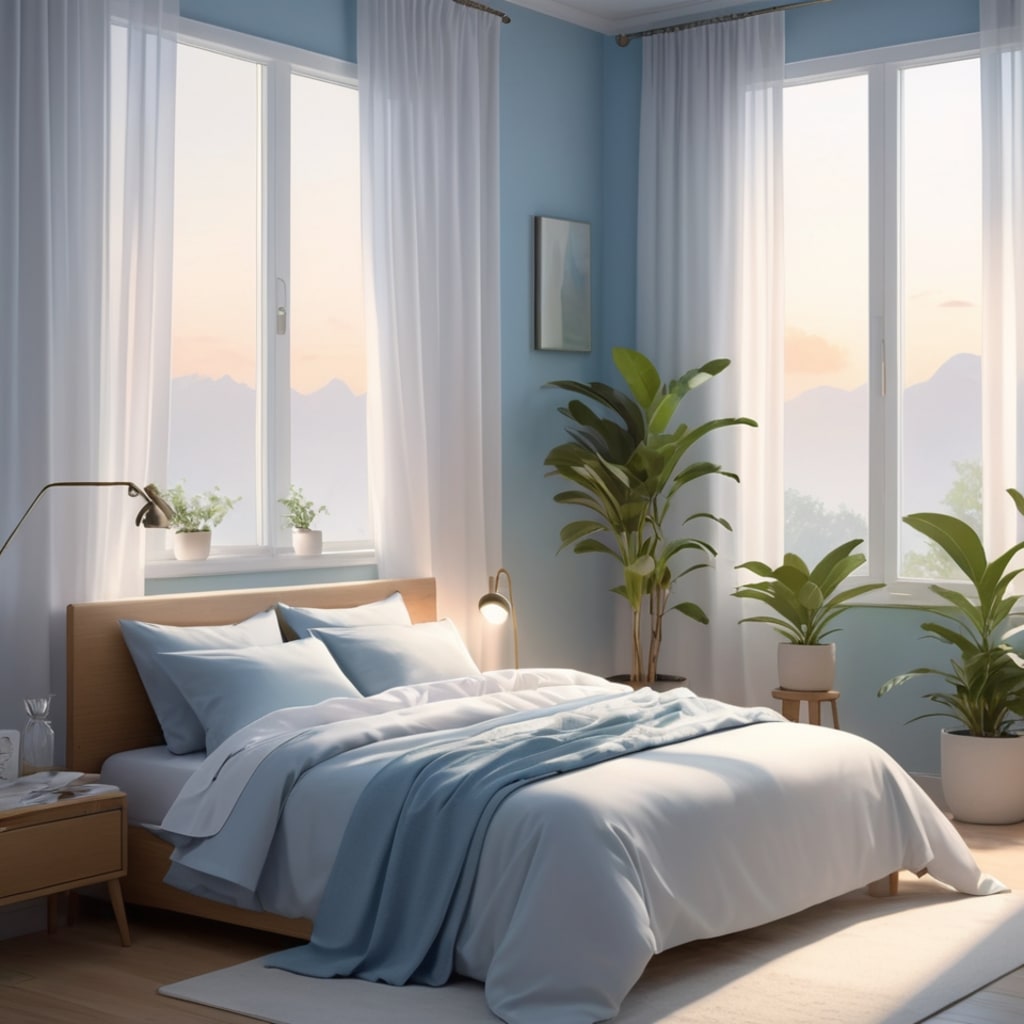
What you can do to get your sleep, health, and lifespan in line with the body's internal clock. Timing is just as important as eating kale or running marathons to age gracefully. Circadian rhythms, which are tiny biological clocks that are buried deep within your cells, control nearly every body function, from the release of hormones and digestion to immune defense and, most importantly, how you age. At the heart of this system are your clock genes, molecular timekeepers that help maintain a 24-hour cycle of physical and mental functions.
Chronobiology is the fascinating intersection of biology and time, and it has a far greater impact on longevity than most people realize. Your internal clock may be out of sync if you are constantly tired, frequently sick, or aging faster than you would like. How do clock genes work? Specific genes known as clock genes are in charge of regulating circadian rhythms, which are internal biological processes that occur roughly every 24 hours. These rhythms are influenced by environmental cues, particularly light, and are governed by a central clock in the brain's suprachiasmatic nucleus (SCN). Everything from when we feel sleepy to how our cells respond to damage is controlled by core clock genes like BMAL1, CLOCK, PER, and CRY. When these genes are working well, they orchestrate a symphony of hormonal, neurological, and metabolic activity in precise harmony. They can cause metabolic disorders, immune dysfunction, poor sleep, and accelerated aging when they are disrupted. What Happens as We Age: The Aging Clock Our circadian system's synchronization begins to deteriorate as we get older. Older people frequently have trouble getting enough sleep, wake up earlier, and feel drained during the day. However, these are not just irritating side effects; rather, they are indications that the biological clock is becoming less precise. More than just sleep is affected by this disconnect: Hormonal imbalance: The rhythms of melatonin and cortisol become erratic, affecting mood, immunity, and the body's response to stress. Cellular Repair: Nighttime repair processes, such as autophagy and DNA repair, may be reduced or mistimed.
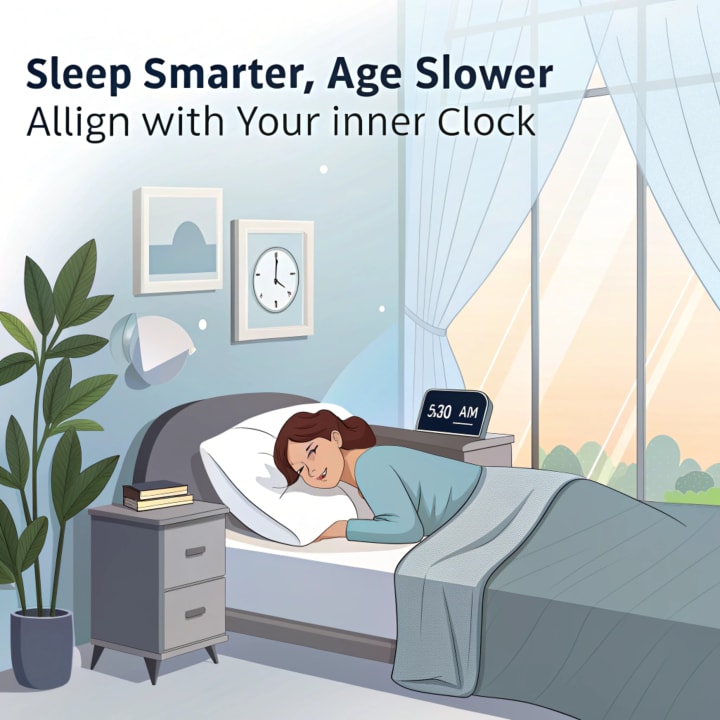
Inflammation: Chronic low-grade inflammation is one of the main causes of aging and can be triggered by disrupted circadian rhythms. Cognitive Decline: Lack of sleep makes it harder for memories to stick together and makes it more likely that you'll get neurodegenerative diseases like Alzheimer's. Metabolism: Obesity, diabetes, and decreased insulin sensitivity are all linked to circadian misalignment. In a nutshell, a body clock that is out of sync not only drains your energy, but it can also rob you of years of your life. How Modern Life Changes the Genes for Our Sleep and Clock Circadian disruption is a result of the lifestyle of today. Our internal timing mechanisms become out of balance as a result of shift work, erratic mealtimes, screens at night, and artificial light. The majority of us are constantly out of sync with our own natural rhythms and experiencing social jet lag. Clock gene expression can be disrupted by even the smallest misalignments, such as staying up late and sleeping in on weekends. This "mini-jet lag" has the potential to alter metabolic hormones, raise oxidative stress, and confuse cells. These alterations add up over time, which contributes to biological aging. How to Recalibrate Your Clock for Longevity The bright side? You can rebalance your chronobiological system by resetting your body's clocks. By aligning with your internal rhythms, you can support healthy aging in the following scientifically supported ways:
1. Make Consistent Sleep a Priority. Wake up at the same time each day, even on weekends, before going to bed. Your SCN is strengthened and clock genes are expressed at their best when you sleep regularly.
2. Capture the Morning Sun Early morning exposure to natural light helps synchronize your circadian rhythm, resulting in improved energy, hormone regulation, and sleep.
3. At night, limit blue light. Avoid using screens between 12 and 24 hours before going to bed. Blue light pushes your internal clock later because it suppresses melatonin and delays sleep onset.
4. Plan your meals carefully. Eat your meals on a regular schedule, ideally during daylight hours. Eating late at night disrupts metabolism and raises insulin resistance risk.
5. Get Moving Early in the Day Physical activity helps to regulate sleep-wake cycles and increases the activity of clock genes. Try to work out in the morning or early afternoon.
6. Make use of sleep as a health indicator. If you're sleeping poorly, don’t ignore it. A sign of underlying circadian misalignment and possibly accelerated aging is disrupted sleep for an extended period of time.
Final Thoughts: Aging in Step with Nature's Rhythm One of the most underappreciated methods for extending one's life is to pay attention to and respect one's internal clock. Chronobiology teaches us that what you eat and how much you exercise can be just as important as when you eat, sleep, and move. Restoring your day-to-day routine can keep your mind sharp, your body strong, and your health resilient as you get older. It's not just about getting better sleep; aligning with your genes will also help you live longer and age better. Therefore, learn to dance with time rather than fighting it. Minute by minute, year by year, your body will be glad you did.
About the Creator
Cotheeka Srijon
A dedicated and passionate writer with a flair for crafting stories that captivate, inspire, and resonate. Bringing a unique voice and perspective to every piece. Follow on latest works. Let’s connect through the magic of words!
Keep reading
More stories from Cotheeka Srijon and writers in Longevity and other communities.
Air You Breathe, Life You Keep
How your health, aging, and lifespan can all be directly affected by the quality of your indoor environment. We typically focus on diet, exercise, or genetics when considering longevity. However, the air we breathe is one of the most overlooked aspects of living a long and healthy life. Research is increasingly demonstrating that indoor air quality—in your own home—can have a significant impact on your health, vitality, and longevity. We frequently associate pollution with traffic and industrial areas. In fact, according to estimates from the Environmental Protection Agency (EPA), indoor air can be anywhere from two to five times more polluted than outdoor air. Additionally, as the majority of us spend up to 90% of our time inside, particularly at home, the air in our bedrooms, kitchens, and living rooms may be quietly influencing our aging. The Unknown Effects of Poor Air Quality on Aging The quality of our lives is just as important as how long we live. Inflammation, oxidative stress, and chronic disease are all major contributors to accelerated aging, and polluted air, particularly indoors, can exacerbate these conditions. Indoor air quality has been linked to: Chronic bronchitis and asthma are respiratory conditions. Heart problems as a result of long-term exposure to particulates Memory loss and cognitive decline as a result of inflammation in the brain diminished immunity, making the body more susceptible to disease Sleep disruptions that accelerate biological aging These effects aren't limited to the elderly. Children, adolescents, and young adults are also at risk, particularly in homes with inadequate ventilation, mold, or chemical pollutants from building materials and cleaning products. Pollutants in the Home: What's in Your Air? The first step in protecting our air is to know what contaminates it. Common pollutants found in the air inside include: Volatile organic compounds (VOCs) are substances found in cleaning products, furniture, paint, and air fresheners. Particulate Matter (PM2.5): Dust, cooking smoke, or pollution from the outside that gets into the home. Mold and mildew are often found in damp areas like basements, bathrooms, or around leaking pipes. Radon and carbon monoxide are invisible gases that can be harmful and even fatal. Dust Mites and pet dander are common allergens that can cause lung irritation over time. Because many of these pollutants don't smell and are hard to see, it's easy to ignore them until you can't ignore how bad they are for your health. Your sanctuary for longevity at home The bright side? To build a home that will last for a long time, you don't have to move to the mountains or spend a lot of money on air purification systems. Changes that are consistent and small can make a big difference in the air you breathe and help you live longer and healthier lives. How to make your house a haven for environmental longevity is as follows:
By Cotheeka Srijon10 months ago in Longevity
Doctors Hate How Simple This Longevity Secret Is (But It Might Add Years to Your Life)
Longevity has become one of the most talked-about topics in modern health. Everywhere you look, there are promises of anti-aging breakthroughs, advanced supplements, and complex routines designed to extend life. It creates the impression that living longer is complicated—something reserved for those with access to the latest science and unlimited resources.
By Lukáš Hrdlička7 days ago in Longevity
Tatt~Master
— Assembly Line Tatt Machine ~ Impressions to Impress — As I begin to understand more about the Tattoo Phenomenon. I've written silly, yet verbatim, dating site anecdotes in 'Frazzled.' So let me ask you: Would you be More attracted to someone slathered with tattoos, or Less?
By Jay Kantor4 days ago in Humor


Comments (1)
Interesting!!!