
Trump Withdraws Canada’s Invite to ‘Board of Peace’: What It Means for Diplomacy and Global Politics
A surprise diplomatic snub raises questions about U.S.–Canada relations and the future of Trump’s unconventional peace initiative

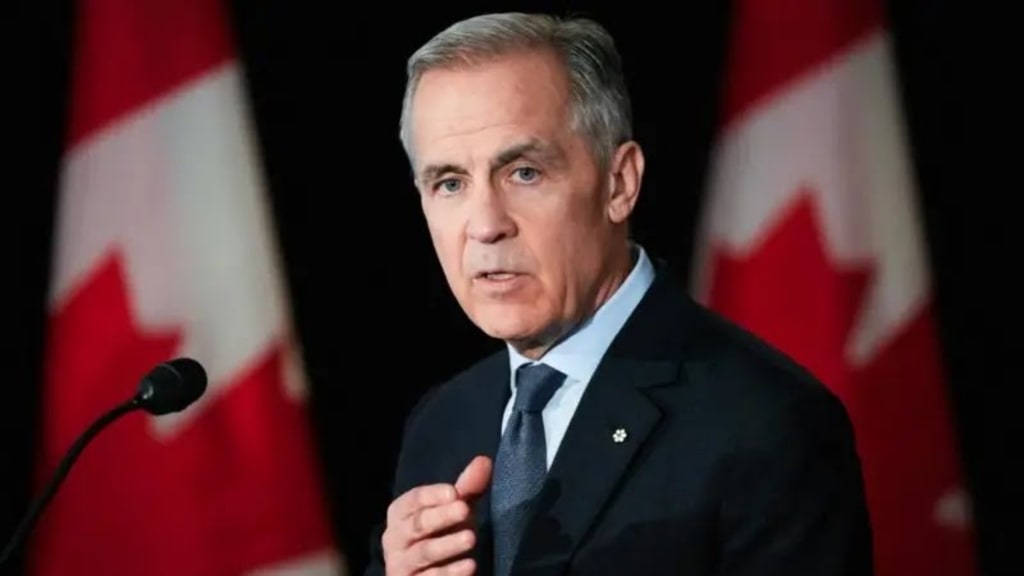
In a move that has stirred diplomatic debate and reignited discussions about U.S.–Canada relations, former U.S. President Donald Trump has reportedly withdrawn Canada’s invitation to participate in his proposed “Board of Peace.” The decision, while not entirely unexpected given Trump’s unconventional approach to foreign policy, has raised important questions about the intent, structure, and global implications of such an initiative.
The “Board of Peace” was envisioned as an advisory body aimed at de-escalating international conflicts and promoting diplomatic solutions over military intervention. Trump has framed the idea as a bold alternative to what he often criticizes as ineffective multilateral institutions. However, the exclusion of Canada—one of America’s closest allies—has added a new layer of controversy to the proposal.
---
What Is the ‘Board of Peace’?
The “Board of Peace” concept, first floated by Trump during public remarks and political rallies, is described as a panel of international figures tasked with mediating conflicts and advising on peace initiatives. According to Trump, the board would include “strong leaders” and “deal-makers” capable of resolving disputes through negotiation rather than prolonged warfare.
Supporters argue that the idea reflects Trump’s transactional approach to diplomacy, emphasizing direct talks and leverage instead of bureaucratic processes. Critics, however, have questioned the lack of clarity around the board’s authority, selection criteria, and relationship with existing international bodies such as the United Nations.
---
Why Was Canada Initially Invited?
Canada’s initial inclusion made sense to many observers. Historically, Canada has played a respected role in peacekeeping, mediation, and multilateral diplomacy. From United Nations missions to conflict resolution efforts, Canada’s foreign policy identity has long been associated with consensus-building and international cooperation.
An invitation to Canada suggested that the “Board of Peace” might aim to balance Trump’s hardline reputation with voices from traditionally diplomatic nations. It also signaled continuity in North American cooperation on global issues, despite past tensions between Trump and Canadian leadership over trade and defense spending.
---
The Withdrawal: What Changed?
Trump’s decision to withdraw Canada’s invite has not been accompanied by a detailed official explanation, but analysts point to several possible factors. One is Trump’s long-standing criticism of Canada on issues such as trade imbalances, NATO defense contributions, and energy policy. During his presidency, these disputes often spilled into public rhetoric, straining what is typically a stable bilateral relationship.
Another possible reason lies in political alignment. Trump has frequently emphasized loyalty and ideological compatibility in his partnerships. Canada’s leadership, which has often taken positions at odds with Trump’s worldview on climate change, immigration, and multilateralism, may no longer fit his vision for the board.
---
Diplomatic Reactions and Global Perception
The withdrawal has sparked mixed reactions internationally. Some commentators see it as a symbolic snub that undermines the credibility of the “Board of Peace” before it even takes shape. Excluding Canada, they argue, weakens the initiative’s claim to be inclusive and globally representative.
Others view the move as consistent with Trump’s preference for selective engagement. From this perspective, the board was never intended to mirror traditional alliances but to function as a smaller, more ideologically aligned group.
In Canada, the response has been measured. Officials have downplayed the significance of the withdrawal, emphasizing that Canada remains committed to peacebuilding through established international frameworks. Still, the decision has fueled domestic debate about the future of U.S.–Canada relations in a potential new Trump-led political era.
---
Implications for U.S.–Canada Relations
While the withdrawal is largely symbolic, symbolism matters in diplomacy. U.S.–Canada relations are deeply intertwined through trade, security, and cultural ties. Any public distancing, especially on an initiative branded around “peace,” can have ripple effects on public perception and political trust.
That said, experts caution against overestimating the immediate impact. The “Board of Peace” remains a proposed concept rather than a formal institution. Until it is clearly defined and implemented, its influence on real-world diplomacy is likely to be limited.
---
A Broader Pattern in Trump’s Foreign Policy
This episode fits into a broader pattern of Trump’s foreign policy style—skeptical of traditional alliances, critical of multilateral institutions, and driven by personal judgment over established norms. Supporters see this as refreshing realism; critics argue it creates unpredictability and weakens long-standing partnerships.
By withdrawing Canada’s invite, Trump reinforces his message that participation in his initiatives is conditional and subject to change. Whether this approach enhances negotiating power or erodes trust remains a central debate among foreign policy experts.
---
Conclusion
Trump’s withdrawal of Canada’s invitation to the “Board of Peace” is more than a diplomatic footnote. It highlights ongoing tensions between unconventional political leadership and traditional alliance-based diplomacy. While the long-term impact may be limited by the board’s still-undefined status, the move sends a clear signal about how Trump envisions global cooperation—selective, assertive, and unapologetically on his own terms.
As global conflicts continue to demand coordinated solutions, the success or failure of ideas like the “Board of Peace” will ultimately depend not just on who is invited, but on whether such initiatives can translate rhetoric into meaningful, inclusive action.
About the Creator
Keep reading
More stories from Salaar Jamali and writers in The Swamp and other communities.
Silver Price Forecast: XAG/USD Retreats as Momentum Fades Near ATH
Silver has captured the spotlight in early 2026, with price movements that reflect both optimism and caution among traders and investors. After a powerful rally that pushed prices to fresh record highs, the XAG/USD — the trading symbol for silver priced in U.S. dollars — has shown signs of slowing momentum and a moderate pullback. This mixed outlook brings both strategic risks and opportunities for market participants.
By Salaar Jamaliabout 15 hours ago in The Swamp
What Is ICE and What Powers Do Its Agents Have to Use Force?
Immigration and Customs Enforcement, commonly known as ICE, has been at the center of public debate and media attention in the United States for years. Recently, incidents involving ICE agents have raised questions about the scope of their authority and the use of force. Understanding ICE’s role, responsibilities, and legal powers is crucial for anyone following immigration policy, law enforcement, and civil rights issues.
By Aarif Lasharia day ago in The Swamp
Autonomy Is The Real Privilege
Good morning, freedom-seekers! Today we’re gonna be looking at autonomy. A strange word, I know; one many would probably look at blankly and run away from on sight. We’re gonna figure out what it actually means, consider how it’s achieved, and decipher just how deeply most of us are tangled up in dependence without realising it.
By That ‘Freedom’ Guy3 days ago in Humans



Comments
There are no comments for this story
Be the first to respond and start the conversation.